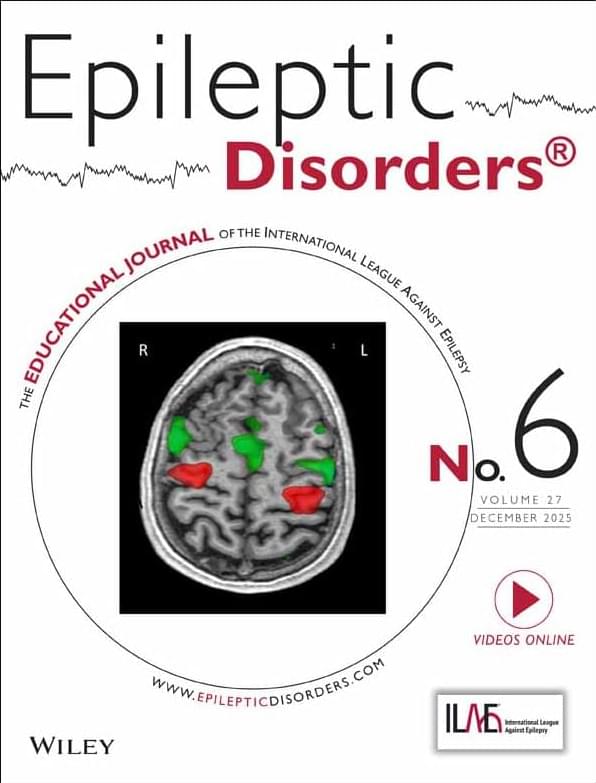
“Despite greater white matter degeneration and reduced cortical thickness, APOE ε4 carriers exhibited preserved deep brain volumes and better self-reported well-being. This study highlights the complex interplay between genetic factors and neurodegenerative processes. Our future research aims to provide more natural history data of EPM1 and correlate long-term phenotypic data with additional geno-phenotypic analyses.”
Read this original article from Epileptic Disorders at doi.org/10.1002/epd2.70112.
Objective Progressive myoclonic epilepsy type 1 (EPM1) is a neurodegenerative disease caused by biallelic variants in the cystatin B (CSTB) gene. Despite a progressive course, phenotype severity varies among patients, even within families. We studied the potential role of APOE ε4 in modifying phenotypic diversity in EPM1, given its established association with neurodegeneration, particularly in Alzheimer’s disease.