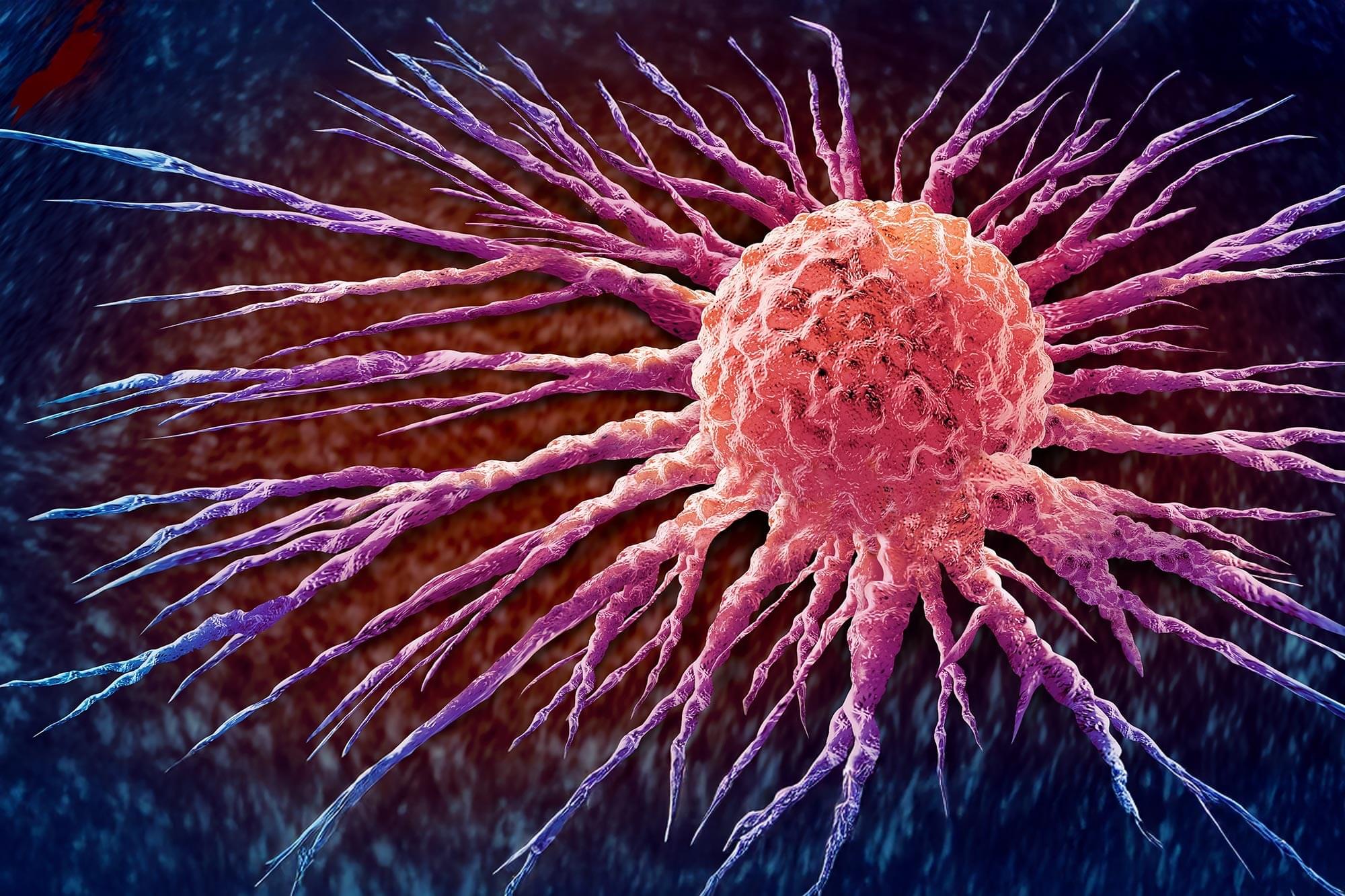
The study, published in Genomic Psychiatry, identified how stress hormones activate specific RNA molecules called long noncoding RNAs, or IncRNAs, that interact with the gene-silencing complex PRC2, turning off genes that are vital to communication between neurons. In essence, these IncRNAs act like “switches,” turning off functionality for more than 3,000 genes, many of which support neurotransmitter signaling and other processes that are essential for healthy brain functioning. The study specifically discovered 79 IncRNAs that were significantly altered under stress conditions.
While scientists have long understood that stress hormones send signals to the brain that affect gene functionality, it was previously unknown as to exactly how these signals create long-lasting changes inside cells. The study, led by Yogesh Dwivedi, Ph.D., Distinguished Professor and Elesabeth Ridgely Shook Endowed Chair in the Department of Psychiatry and Behavioral Neurobiology, and co-director of UAB Depression and Suicide Center, uncovers how lncRNAs associate with a molecule called polycomb repressive complex 2, or PRC2, to modify chromatin following activation of the glucocorticoid receptor, or GR — the cell’s master regulator of stress response. Chromatin is important in relaying messages from the external environment, including stressful conditions, to alter the genetic composition, a process known as epigenetics.
“As chronic stress is a major risk factor for conditions like major depressive disorder, this newly uncovered link between stress hormones and IncRNA gene silencing could potentially lead to more targeted mental health treatments,” Dwivedi said. “In fact, stress-induced changes in chromatin structure have been implicated in a range of psychiatric and neurodegenerative conditions.”
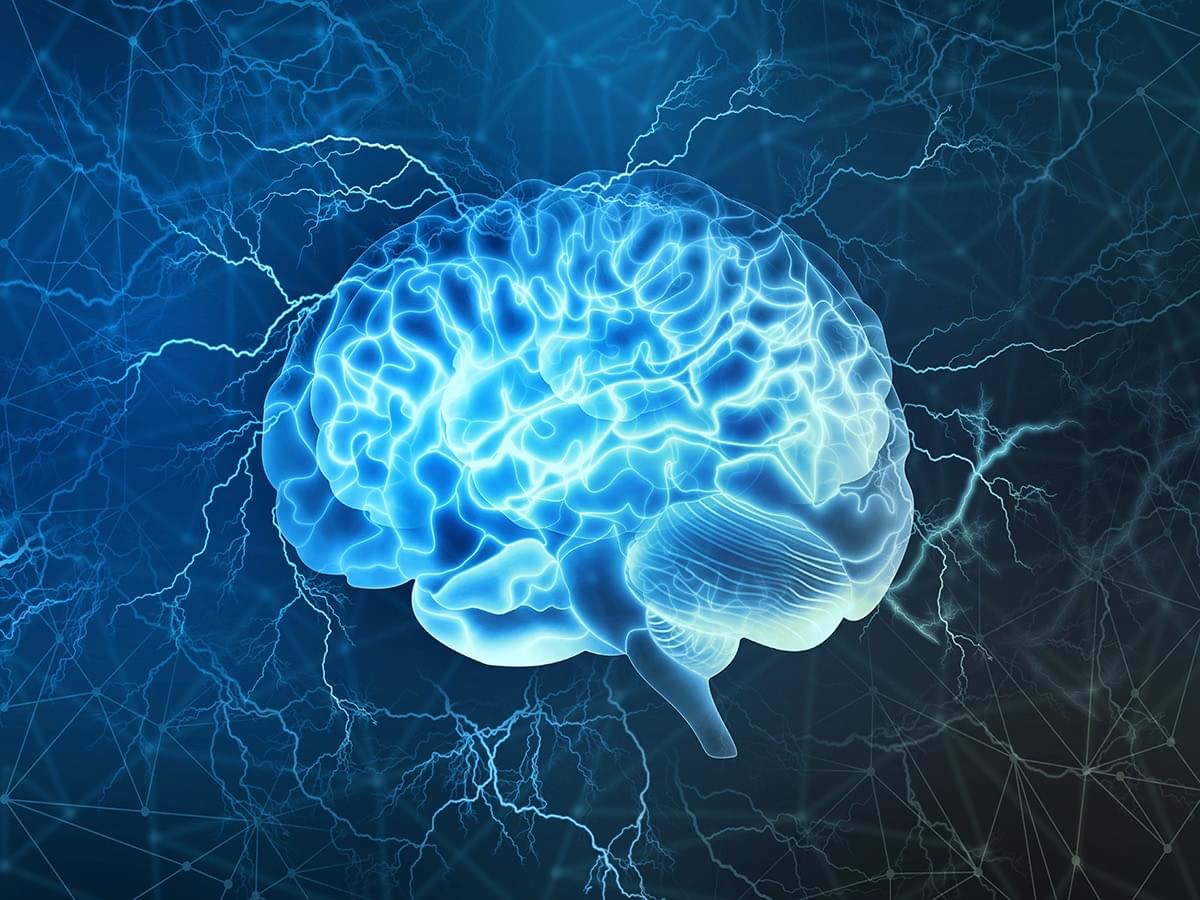
IncRNAs act like “switches,” turning off functionality for more than 3,000 genes that are essential for healthy brain functioning. A recent groundbreaking study from researchers at the University of Alabama at Birmingham highlights the discovery of a molecular link between stress hormones and changes in brain cell communication, which could open the door for new treatments to address depression and other psychiatric conditions.