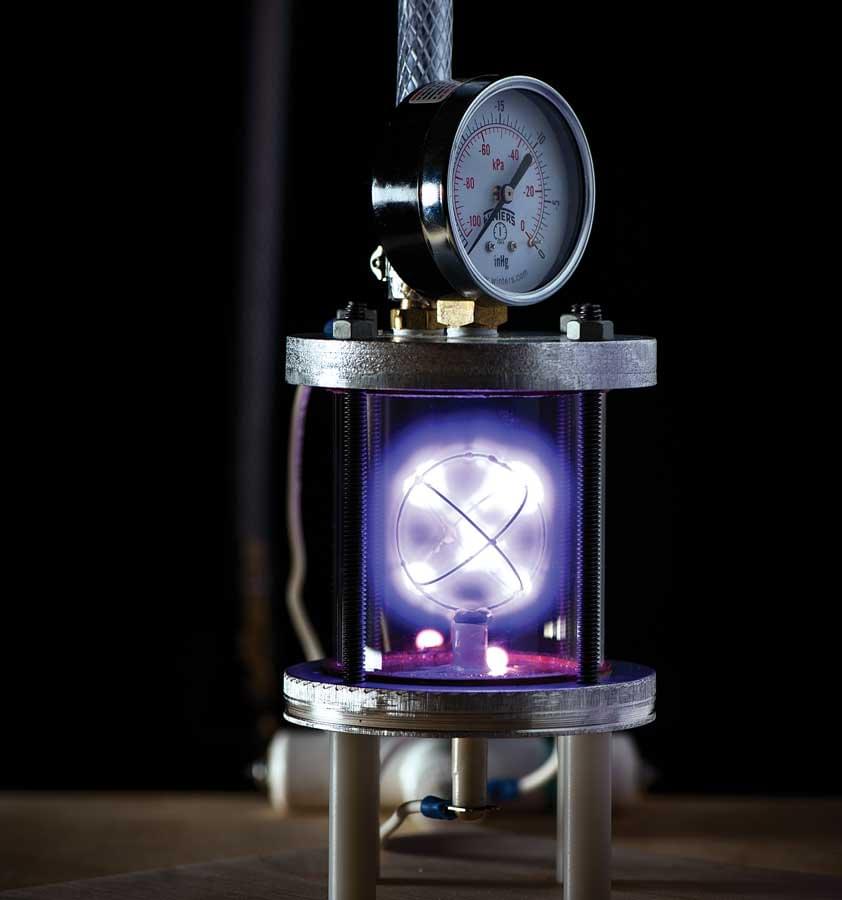
Learn how to build a nuclear fusor that has an eerie purple-blue glow emanating from the reactor. Careful, as the project uses high voltages.

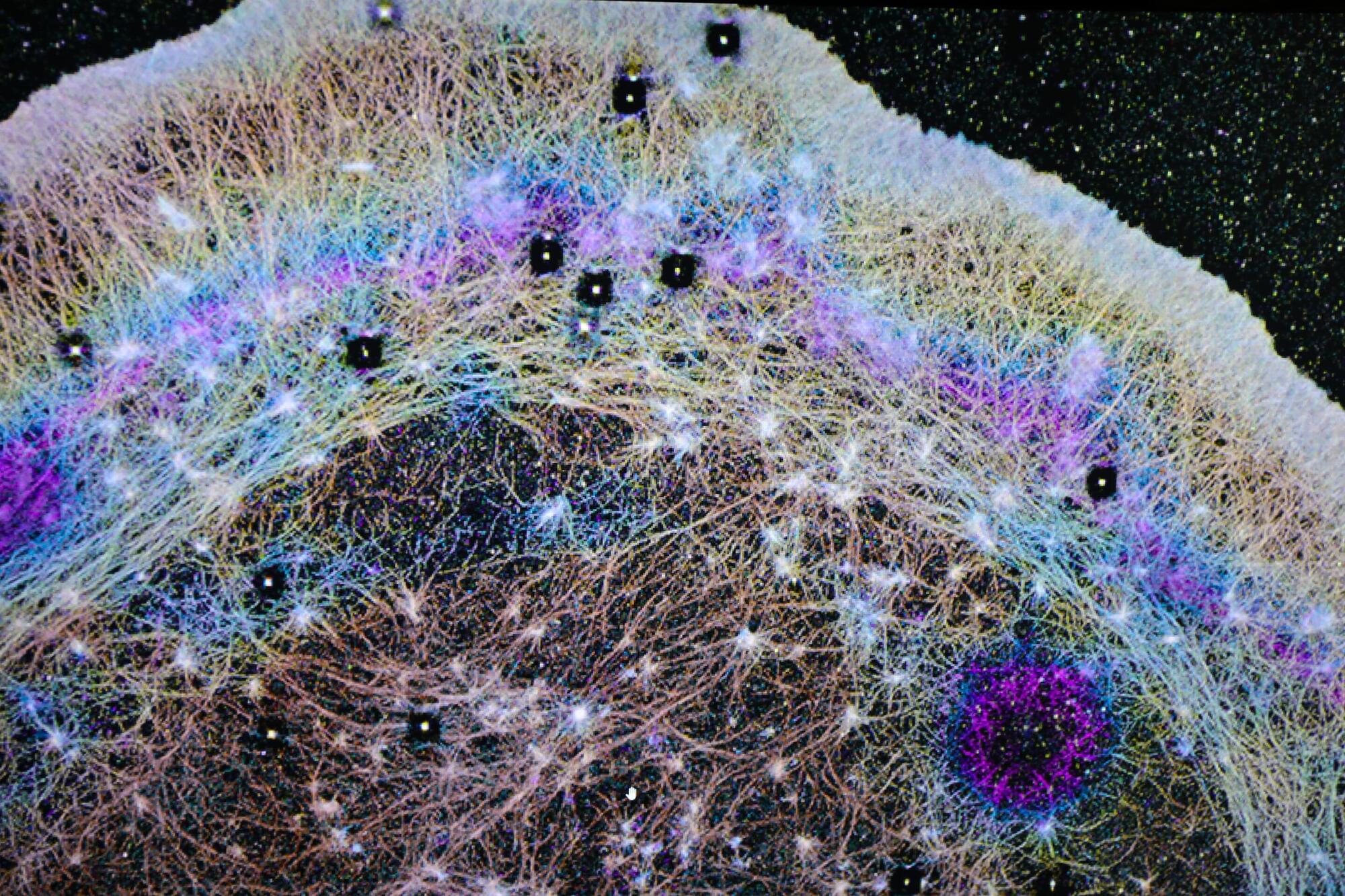
New in eNeuro from Periandri et al: Systematically comparing brain markers affected by brief versus long-term exposure to alcohol in mice unveils shared and different mechanisms that may inform alcohol use disorder treatment development.
▶️
Epigenetic and transcriptional mechanisms are key contributors to alcohol use disorder (AUD). However, a better understanding of the specific genes, transcripts, and chromatin marks affected is necessary to inform novel pharmacotherapies. Here, we systematically investigate the genome-wide epigenetic and transcriptomic effects of ethanol across key brain regions relevant to AUD and assess how these outcomes differ between acute and chronic exposure in male C57BL/6J mice. We show that alcohol-derived acetate contributes to histone acetylation in the brain in response to acute or chronic exposure, with a broader and more robust effect following repeated exposure. Further, we find that chromatin and transcriptomic changes elicited by acute or chronic ethanol exposure are predominantly specific to brain region, and observe more robust dysregulation of gene and transcript expression following acute exposure. We show that ethanol-induced transcriptional changes are paradigm-dependent in some brain regions, most strikingly in the ventral hippocampus. Overall, our results systematically illuminate and compare key epigenetic and transcriptomic outcomes linked to acute and chronic ethanol exposure, which will guide the development of future therapeutic interventions.
Significance Statement This is the first study to systematically investigate epigenetic and transcriptomic changes following acute or chronic exposure to alcohol, focusing on key regions previously linked to substance use disorders. We show the molecular impact of alcohol varies among brain regions and in part depends on the extent of alcohol exposure. Our results provide unprecedented detail on how alcohol affects transcriptional regulation in the brain, which in turn will inform the development of needed novel therapeutic interventions for alcohol use disorder.
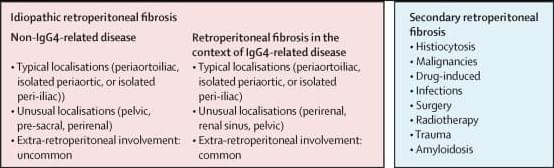
Retroperitoneal fibrosis is a rare immune-mediated disease characterised by a periaortoiliac fibro-inflammatory tissue that often encases neighbouring structures (eg, ureters). Idiopathic retroperitoneal fibrosis can be isolated or part of IgG4-related disease, whereas secondary forms recognise different aetiologies, such as histiocytosis, malignancies, and infections. Idiopathic retroperitoneal fibrosis has a multifactorial origin, with genetic, environmental, and lifestyle factors being main contributors.
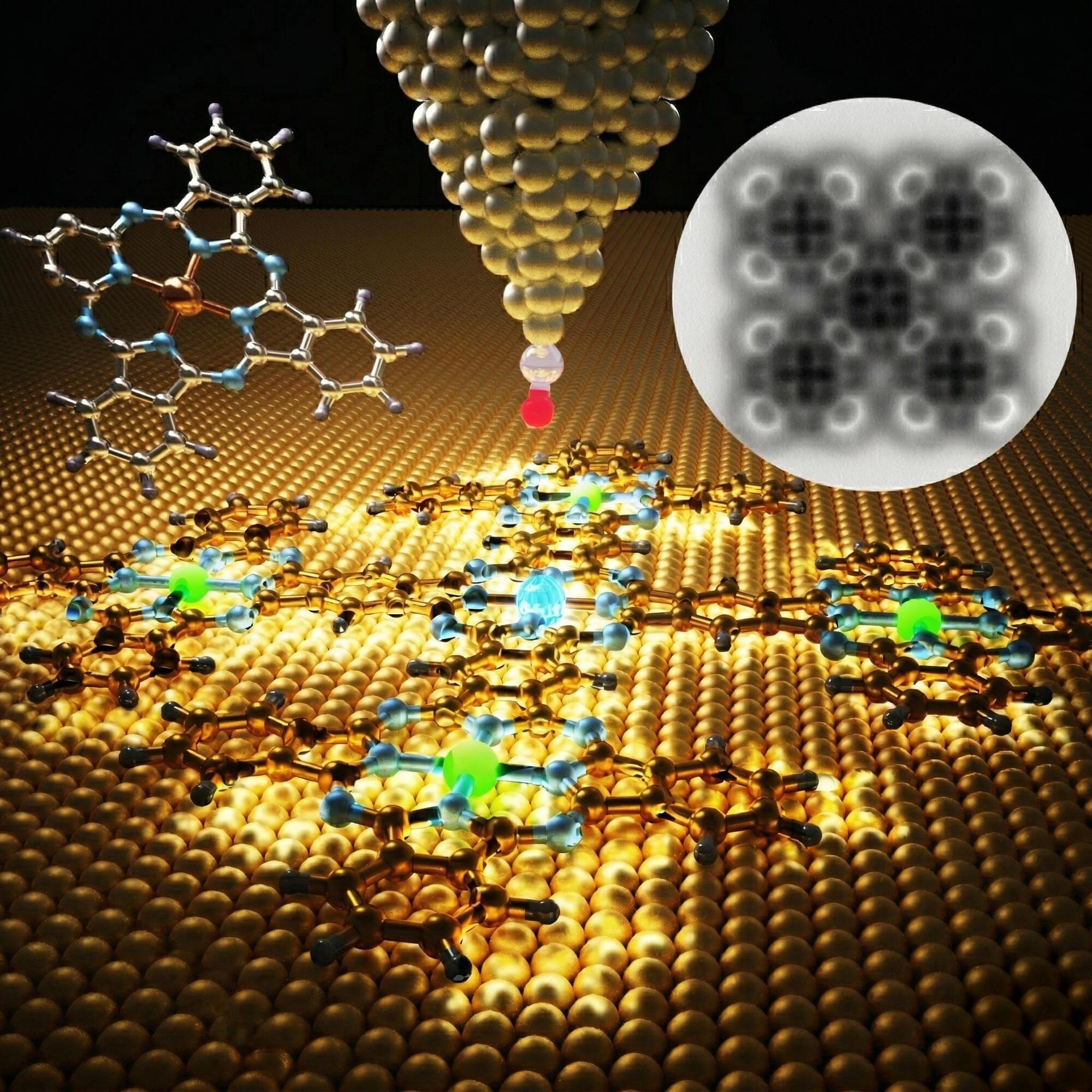
Scientists at Oregon Health & Science University have uncovered a previously unknown system of internal “trade winds” that help cells rapidly move essential proteins to the front of the cell, reshaping how researchers understand cell migration, cancer spread and wound healing.
The discovery, published in Nature Communications, reshapes what researchers thought they knew about how cells direct proteins to the right place at the right time.
For decades, biology textbooks have taught that free-floating proteins inside cells move mainly by diffusion, drifting randomly until they happen to reach their destination. But the new study shows that cells don’t leave this to chance. Instead, they create targeted streams of fluid that push essential proteins toward the cell’s leading edge, where movement and repair begin.
Cryonics and biostasis have been little known and even less practiced in South America. Diego Zarco is working to change that in Mexico. Diego started Criogenia Avanzada in Mexico City and has been developing and funding the organization, preparing to offer SST (standby, stabilization, and transport) services with storage to be done outside the country.
In this discussion, Max More asks Diego how he become interested in cryonics, what his organization does, where Criogenia Avanzada is located in the city and how it will reach patients quickly, and how his experience in the music industry prepared him for the difficult work of making biostasis work in practice.

Andres Gomez Emilsson’s talk on ‘Path Dependence in Consciousness Science’ — explores how our understanding of consciousness and the direction in which the science of consciousness is pointed create path-dependence for the future…
Video 🔗in reply.
Dr. Janine Gaiha-Rohrbach, Ph.D. — Head of Global Medical Immunology, Biogen.
Preventing transplant loss doesn’t just save organs—it could eliminate hospitalizations, reduce lifelong medications, and transform millions of lives.
Dr. Janine Gaiha-Rohrbach, Ph.D. is a globally recognized leader in immunology and medical strategy, currently serving as Head of Global Medical Immunology at Biogen (https://www.biogen.com/).
With a PhD in Immunology and Virology from the University Hospital of Berne and extensive postdoctoral research at the Ragon Institute of Mass General Brigham, MIT, and Harvard, Dr. Gaiha-Rohrbach has dedicated her career to translating complex scientific advances into high-impact patient care.
Throughout her career, Dr. Gaiha-Rohrbach has driven innovation across diverse therapeutic areas, including HIV, hepatitis, NASH, and specialized immunology, leading multiple new product launches and shaping global strategies to expand patient access.