ESA installs its first quantum computer, Equal1’s Bell-1 system, to explore hybrid quantum-classical computing for Earth observation research.

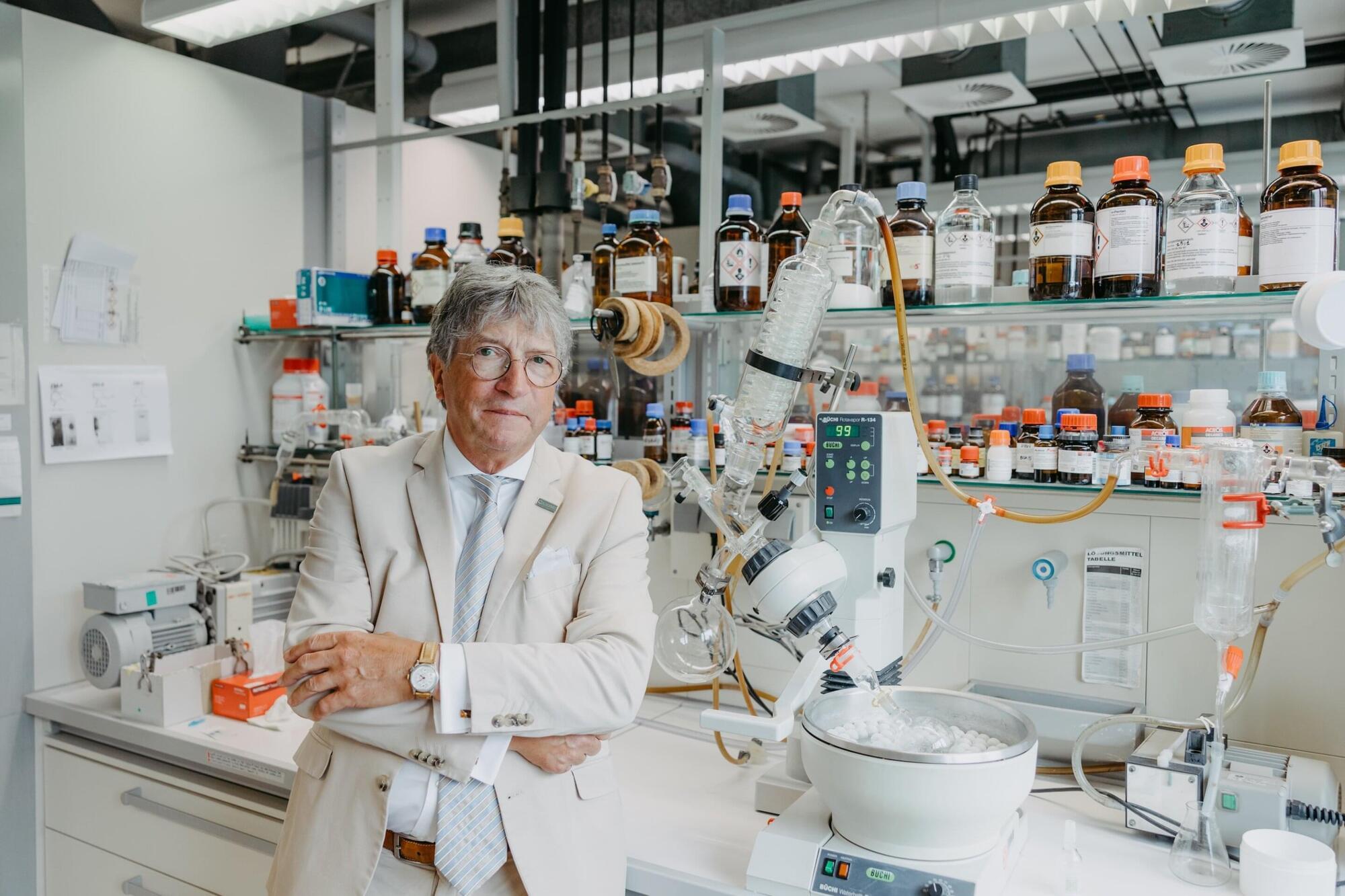
Chemists from Otto von Guericke University Magdeburg have achieved an important research success in the fight against resistant bacteria. The team led by scientist Professor Dr. Dieter Schinzer from the Institute of Chemistry has succeeded in producing key building blocks of the naturally occurring substance Neosorangicin A in the laboratory for the first time. This means it is now possible to develop Neosorangicin A in a targeted manner as a promising reserve antibiotic candidate to combat antibiotic resistance in the future.
To artificially produce the naturally occurring substance, the scientists used what is known as relay synthesis—instead of immediately creating the entire complex molecule, they first synthesized the critical sections, which served as staging points en route to the complete substance. The research success lies not only in the components produced but also in proof of the development process. The results have just been published in the journal Chemistry—A European Journal.

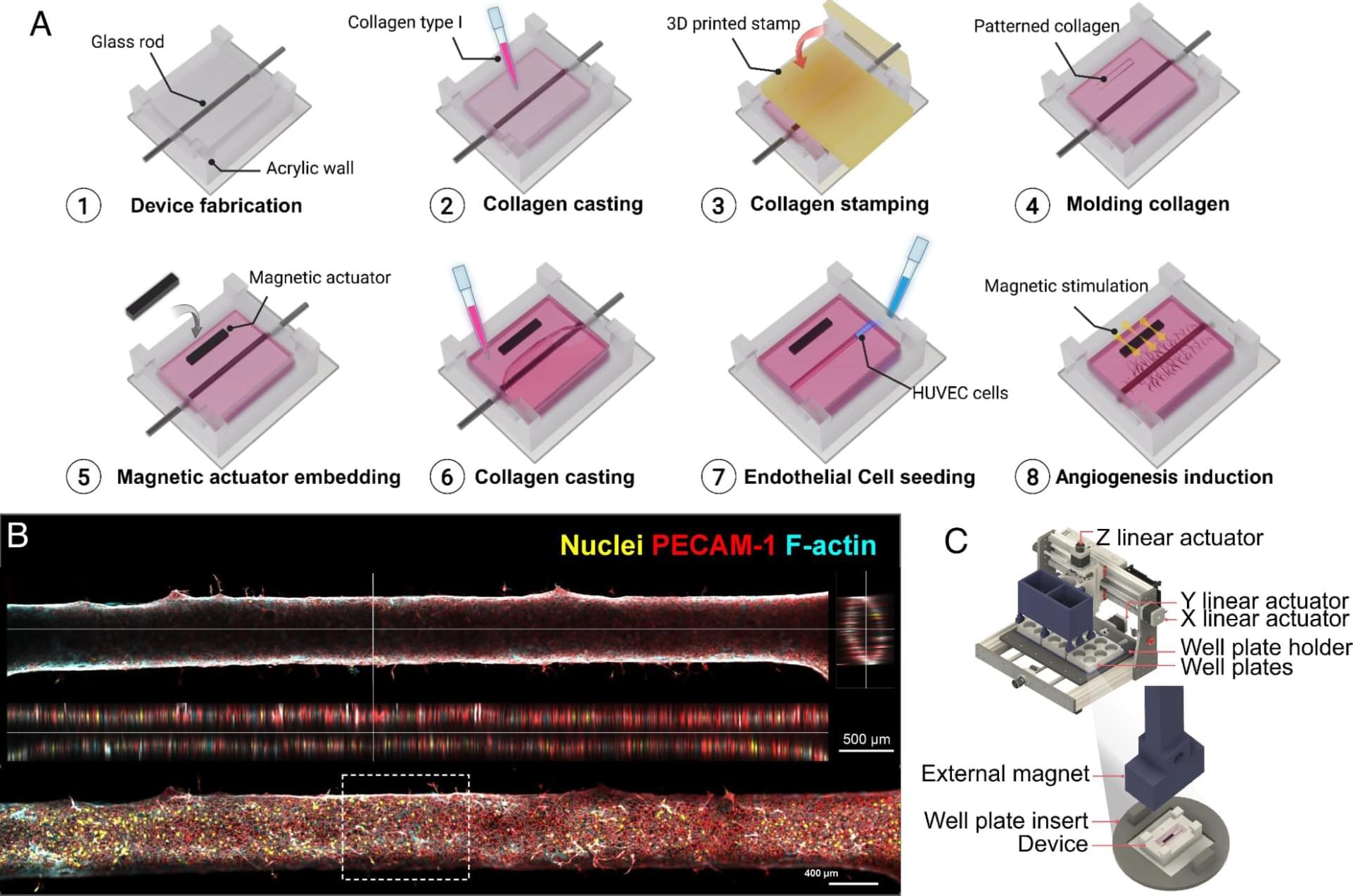
When the engineers used gene editing to suppress the PIEZO1 gene, the cells became “deaf” to the physical tugging. Even when the magnets vigorously exercised the gel, the blood vessels barely sprouted at all. This proved that physical force directly activates this cellular gatekeeper, signaling the vessel that it’s time to grow and branch out.
Engineering organized microvascular networks remains a critical challenge in tissue engineering and regenerative medicine. While biochemical approaches for patterning angiogenesis via growth factor delivery have shown promise, their inability to pattern sustained growth factors with spatiotemporal control limits effectiveness. Here, we demonstrate that dynamically patterned mechanical forces enable precise spatiotemporal control over angiogenic sprouting. We developed a magnetically actuated human vessel-on-a-chip platform that integrates a perfusable endothelialized microchannel within a collagen matrix and allows noninvasive and tunable mechanical stimulation across three spatial dimensions and time (4D). Using an automated 3-axis actuator, we systematically investigated how strain magnitude, frequency, and direction modulate endothelial cell behavior and vessel morphogenesis.
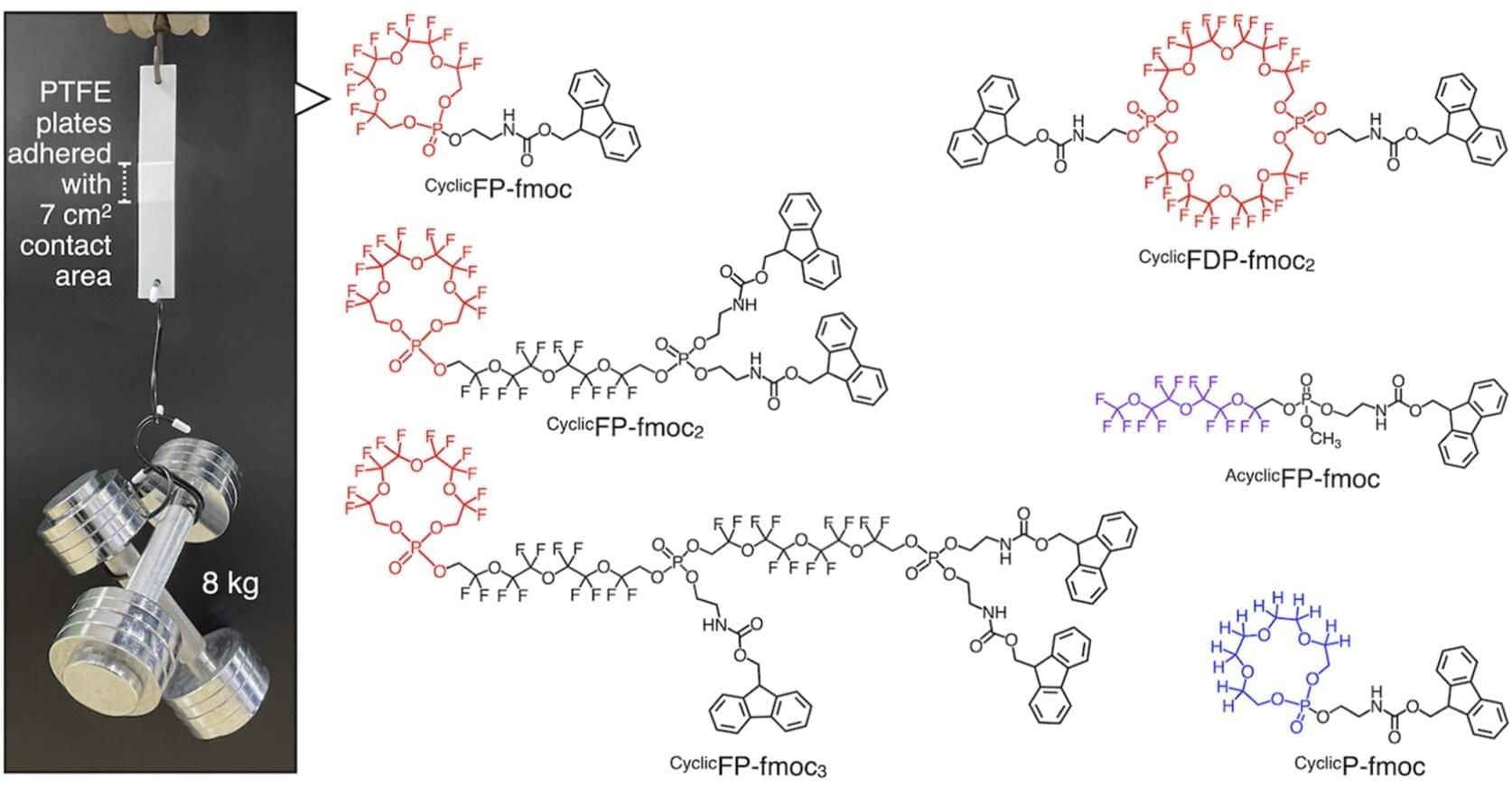
In a research lab at the University of Tokyo, scientists have developed a new kind of glue. It’s incredibly strong and highly stretchable, yet it washes away completely with a little alcohol.
Materials scientists have long been on the hunt for a strong glue that is also easily removable. The reason is that when it comes to adhesive strength and flexibility, there is often a trade-off. Although strong glues have an incredible grip, they are often brittle and difficult to remove without leaving residue. Weak glues, on the other hand, are easy to remove, but they aren’t strong enough for demanding jobs.
This new glue is so strong that it can even bond to nonstick surfaces like Teflon, but all it takes is a little washing with ethanol to completely remove it without leaving any residue.
Welcome to functional immortality, folks.
I say functional rather than absolute because no one will ever REALLY live FOREVER. Even if we can reverse aging and become immune to all diseases (which is exactly what is happening right now even as I write this) there will still be accidents, suicides, wars, and murders. — Still…a BILLION years would be enough for me.
What about you?
A new study reveals that mature cells retain the ability to transform into stem cells after injury. The regenerative process, driven by macrophages, may offer new strategies for repairing damaged tissues.
This video breaks down exactly how China went from launching a national smart hospital initiative back in 2014 to deploying AI inside over three hundred hospitals by 2025, and eventually opening the world’s first fully integrated AI hospital in March 2026. You’ll see how AI triage systems, robotic pharmacies, and real-time diagnostic assistants are changing what a hospital visit actually looks like, and how this compares to healthcare systems elsewhere that are still struggling with weeks-long appointment waits and fax machines. Whether you find this exciting or concerning, this is a story about where healthcare technology is headed next, and it’s already happening.