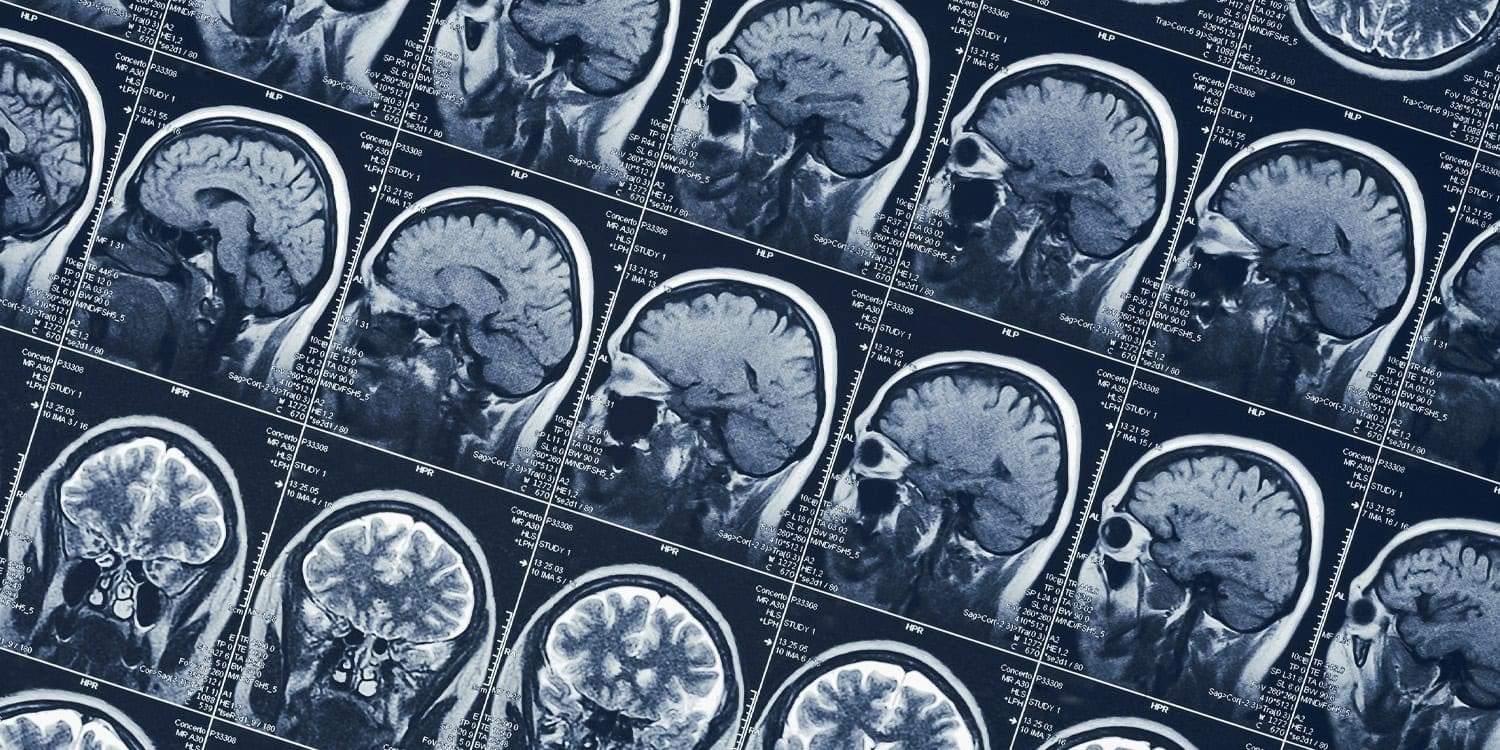
A groundbreaking fMRI study has mapped the exact neural shifts of a self-induced visionary state. Researchers discovered that a woman capable of voluntary trance actively disconnects her sensory networks while boosting internal cognitive control.
We report that the RNA-editing enzyme ADAR1 downregulates nuclear-and mitochondria-encoded double-stranded RNAs (dsRNAs) to maintain immune homeostasis. ADAR1 employs RNA-editing-dependent and-independent mechanisms to keep dsRNA levels low in cells. Notably, upon ADAR1 loss, mitochondrial dsRNA levels increase and can cause enhanced inflammation upon mitochondrial stress.
The new observations indicate that it was a very peculiar comet… up to a point.
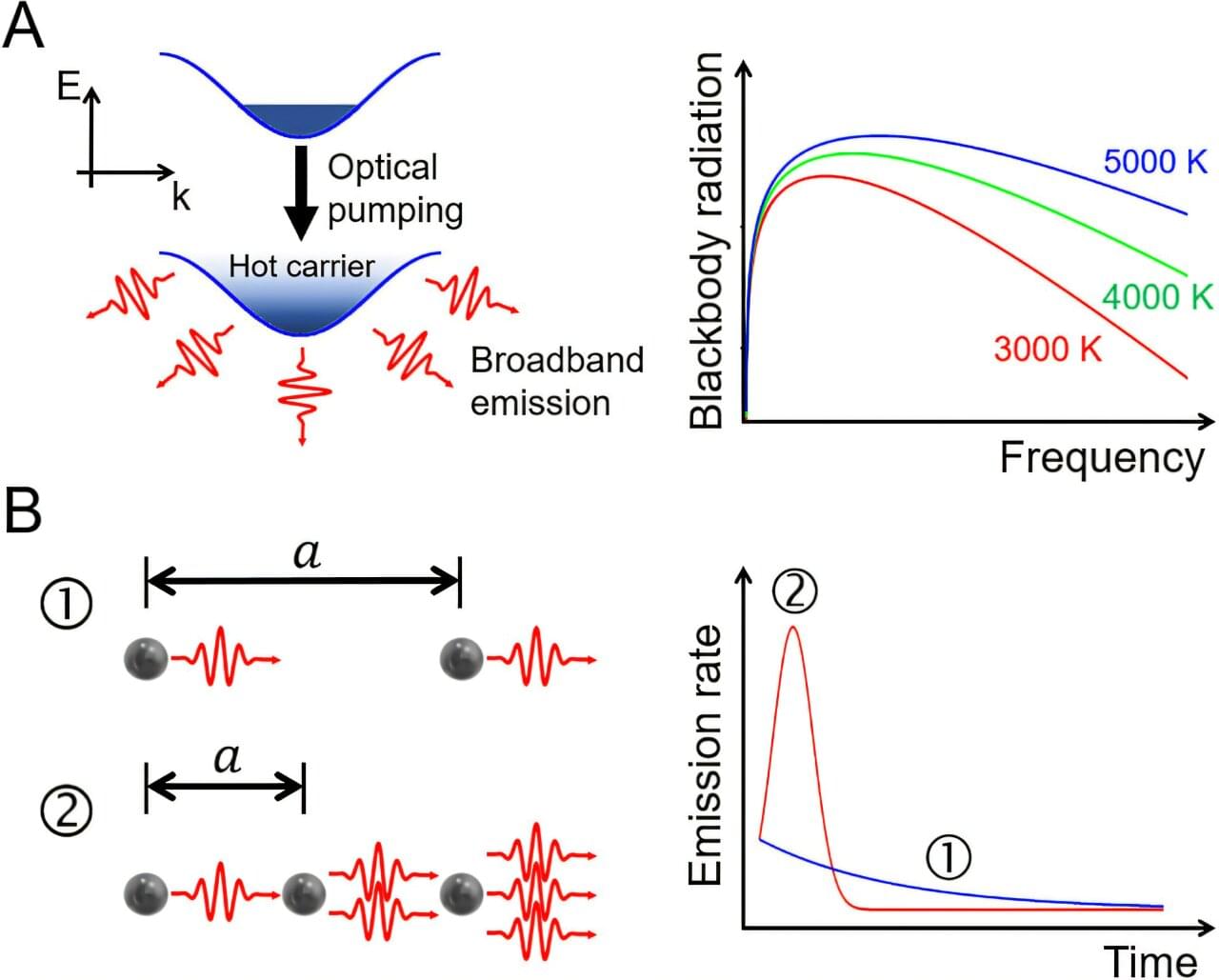
A research team has, for the first time in the world, elucidated the microscopic mechanism by which quantum order is lost and collapses in “open quantum environments” existing in nature. Since perfectly isolated quantum systems cannot exist in reality, this study is expected to provide a decisive breakthrough in bridging the gap between ideal quantum theory and quantum technologies that must operate in real-world environments.
The study is published in the journal Advanced Science. The study was led by Professor JaeDong Lee of the Department of Physics and Chemistry at DGIST.

Detoxification of endogenous aldehydes is critical for preserving genomic integrity in hematopoietic stem cells. In this issue, Kamimae-Lanning et al. show that excess formaldehyde can drive clonal hematopoiesis through attrition of blood-forming progenitors, accelerating neutral drift in the absence of known genetic drivers of positive selection.
These robots are smaller than a strand of human hair but can move independently even without a motor and sensors.
The Machine Intelligence from Cortical Networks (MICrONS) program seeks to revolutionize machine learning by reverse-engineering the algorithms of the brain. It is an ambitious program to map the function and connectivity of cortical circuits, using high throughput imaging technologies, with the goal of providing insights into the computational principles that underlie cortical function in order to advance the next generation of machine learning algorithms.
This website serves as a data portal to release connectivity and functional imaging data collected by a consortium of laboratories led by groups at the Allen Institute for Brain Science, Princeton University, and Baylor College of Medicine, with support from a broad array of teams, coordinated and funded by the IARPA MICrONS program. These data include large scale electron microscopy based reconstructions of cortical circuitry from mouse visual cortex, with corresponding functional imaging data from those same neurons.
Have a Scientific Request? Check out the Virtual Observatory of the Cortex (VORTEX) project, a BRAIN Initiative funded program to bring the MICrONS dataset to the research community. Access proofreading resources to answer your scientific questions.