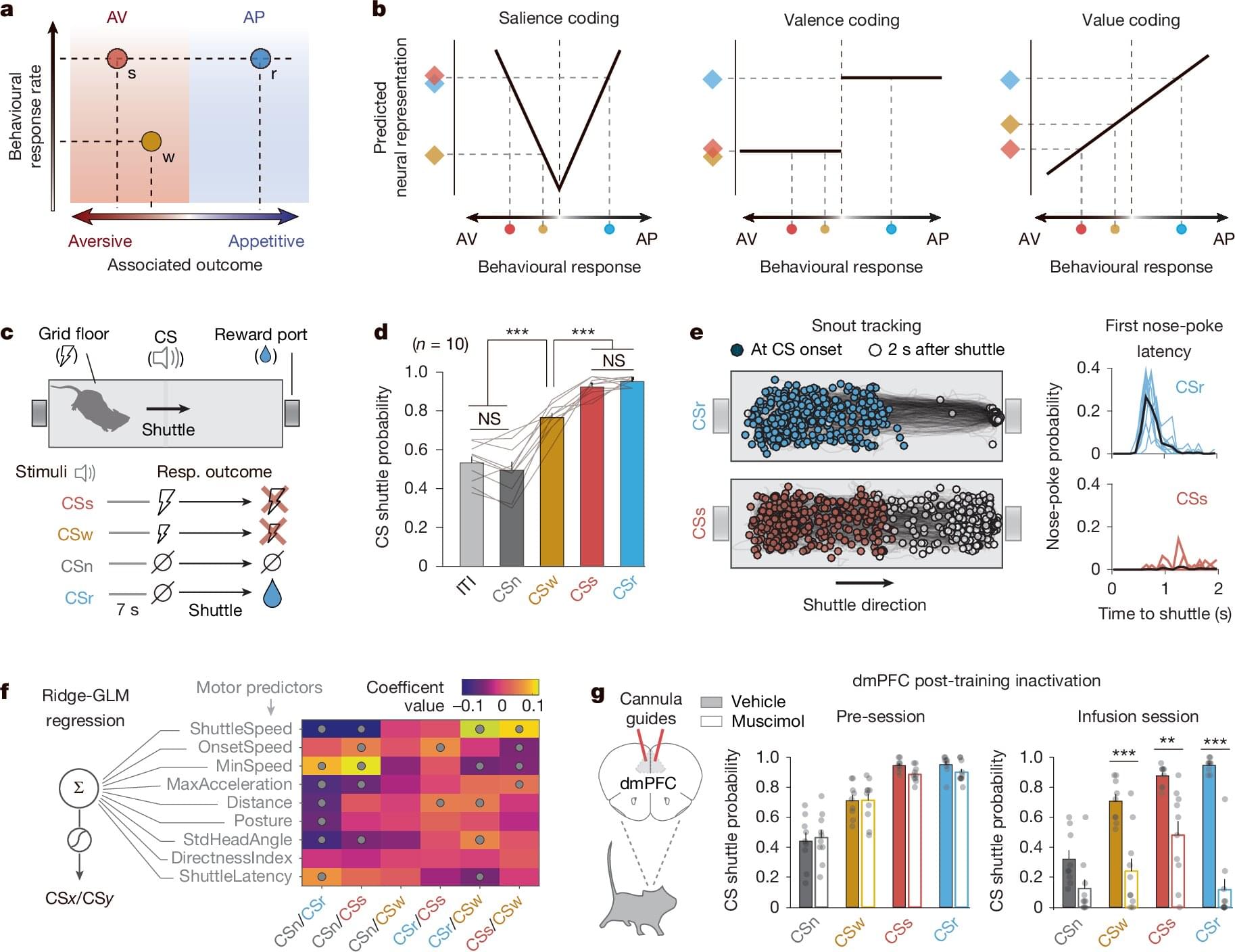
The sound of a fire alarm tells us to get out quickly to not get hurt, while the sight of a gas station sign can signal a chance to refuel. In everyday life, we learn to link cues we sense with what they mean, helping us avoid danger or find what we need. But how does the brain sort and prioritize all these cues and their significance to quickly guide our reactions to what we see, hear, feel and sense?
Following new research in mice, scientists hope to be closer to answering this question.
“A sensory cue, like the sound of an alarm, can be more or less attention-grabbing, feel positive or negative, and feel more or less important or motivating for us to act, depending on what outcome we associate with it. These aspects help define the significance we assign to environmental stimuli and are key to driving behavior and decision-making. But how the brain organizes this information to guide appropriate behaviors remains unclear,” explains Assistant Professor Daniel Jercog from the Department of Neuroscience at the University of Copenhagen.