Ann Johnson became paralyzed after a brainstem stroke at age 30. As a participant in a clinical trial led by researchers at UC Berkeley and UC San Francisco, she finally heard her voice again.
Category: robotics/AI – Page 298
Transferrin receptor–targeted anti-amyloid antibody enhances brain delivery and mitigates ARIA
Paper on a promising Alzheimer’s immunotherapy: engineered asymmetric anti-amyloid-β antibody with a transferrin receptor binding domain for crossing the blood-brain-barrier and a mutation which mitigates harmful side effects seen in past versions of this type of treatment. #immunotherapy #alzheimers
Amyloid-related imaging abnormalities (ARIA), side effects of anti-amyloid drugs seen in magnetic resonance imaging of the brain, are a major safety concern in patients with Alzheimer’s disease. We developed an antibody transport vehicle (ATV) targeting transferrin receptor (TfR) for brain delivery of anti-amyloid-β protein (anti-Aβ) using asymmetrical Fc mutations (ATVcisLALA) that mitigates TfR-related liabilities and retains effector function when bound to Aβ. Administration of ATVcisLALA:Aβ in mice exhibited broad brain distribution and enhanced parenchymal plaque target engagement. This biodistribution reduced ARIA-like lesions and vascular inflammation. Taken together, ATVcisLALA has the potential to improve the next generation of Aβ immunotherapy through enhanced biodistribution mediated by transport across the blood-brain barrier.
Is AI a Bubble? Experts Debate the Future of AI w/ Dave, Salim, and AWG
Peter H. Diamandis
Artificial neuron merges DRAM with MoS₂ circuits to better emulate brain-like adaptability
The rapid advancement of artificial intelligence (AI) and machine learning systems has increased the demand for new hardware components that could speed up data analysis while consuming less power. As machine learning algorithms draw inspiration from biological neural networks, some engineers have been working on hardware that also mimics the architecture and functioning of the human brain.
Brain-to-voice neuroprosthesis restores naturalistic speech
AI-based model streams intelligible speech from the brain in real time
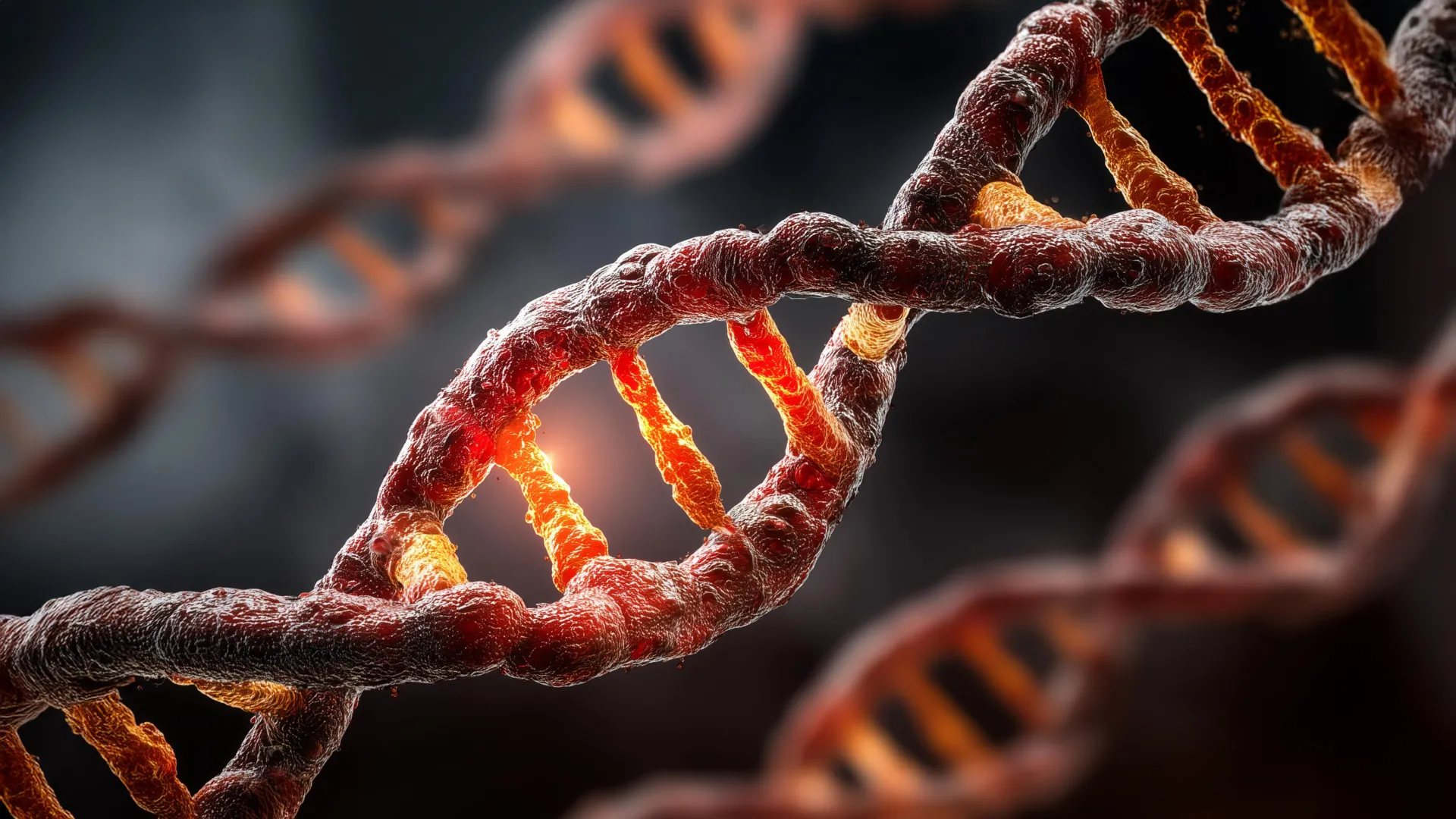
AI tool targets RNA structures to unravel secrets of the dark genome
We mapped the human genome decades ago, but most of it is still a black box. Now, UNSW scientists have developed a tool to peer inside and what they find could reshape how we think about disease.
Your genome is the genetic map of you, and we understand almost none of it.
Our handle on the bits of the genome that tell the body how to do things (“make eyes blue,” “build heart tissue,” “give this person sickle cell anemia”) is OK, but there are vast areas of the genome that don’t appear to do anything.