Toggle light / dark theme

Get the latest international news and world events from around the world.

Log in for authorized contributors

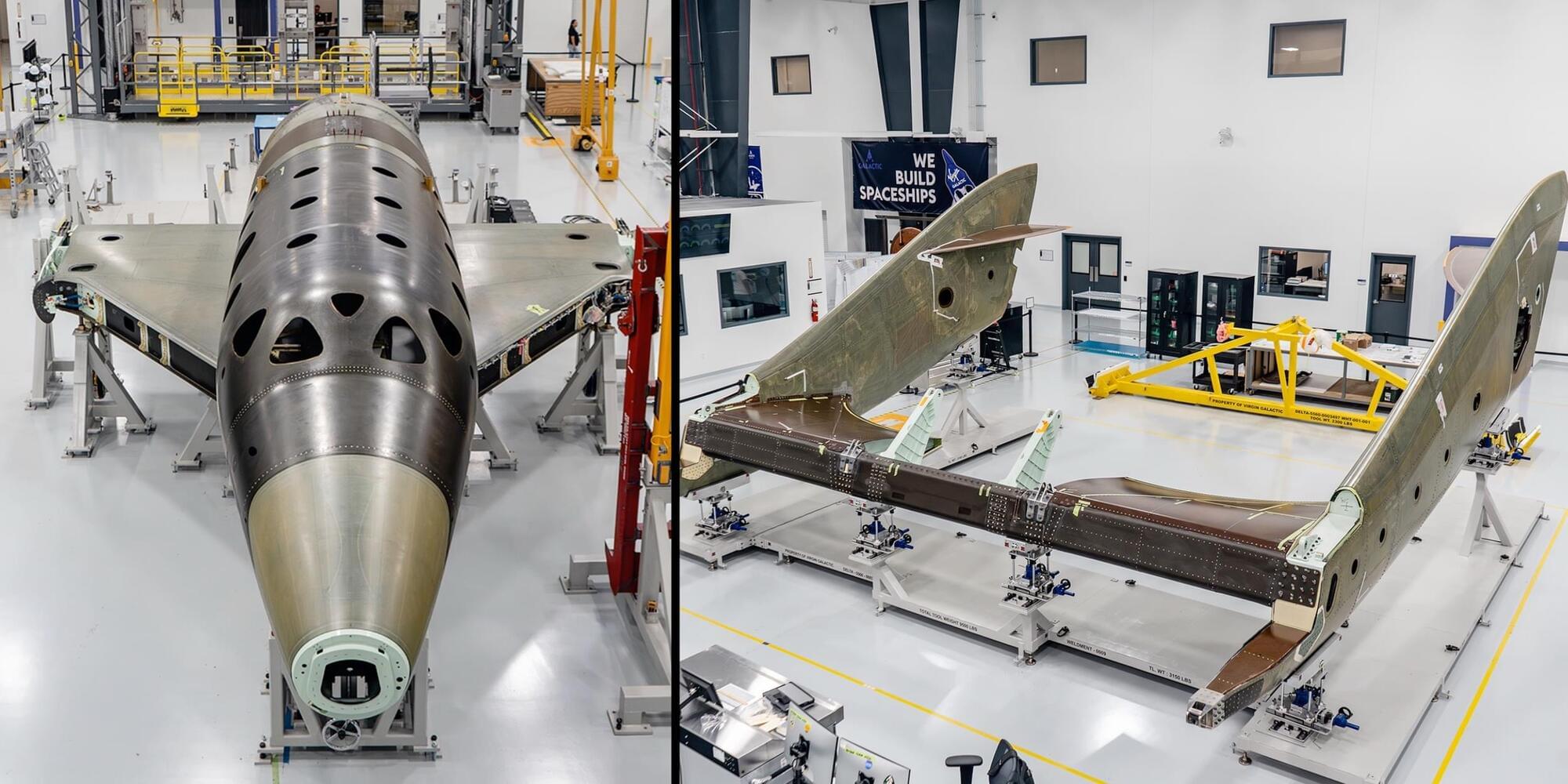
Virgin Galactic expects commercial suborbital flights to resume late this year

“These spaceflights will be slotted in our manifest immediately after we fly the current members of our founding astronaut community, many of whom have been anticipating their spaceflight for several years,” he said.

The company started ticket sales about two decades ago and says it currently has a backlog of more than 650 customers. In its annual report for 2024, filed in February 2025, the company said it had a backlog of about 700 customers as of the end of 2024.

Virgin Galactic reported $2 million in revenue for 2025 and a net loss of $279 million. It ended the year with $338 million in cash and equivalents on hand.
Genetically modified marmosets as a model for human deafness provide a foundation for future gene therapies

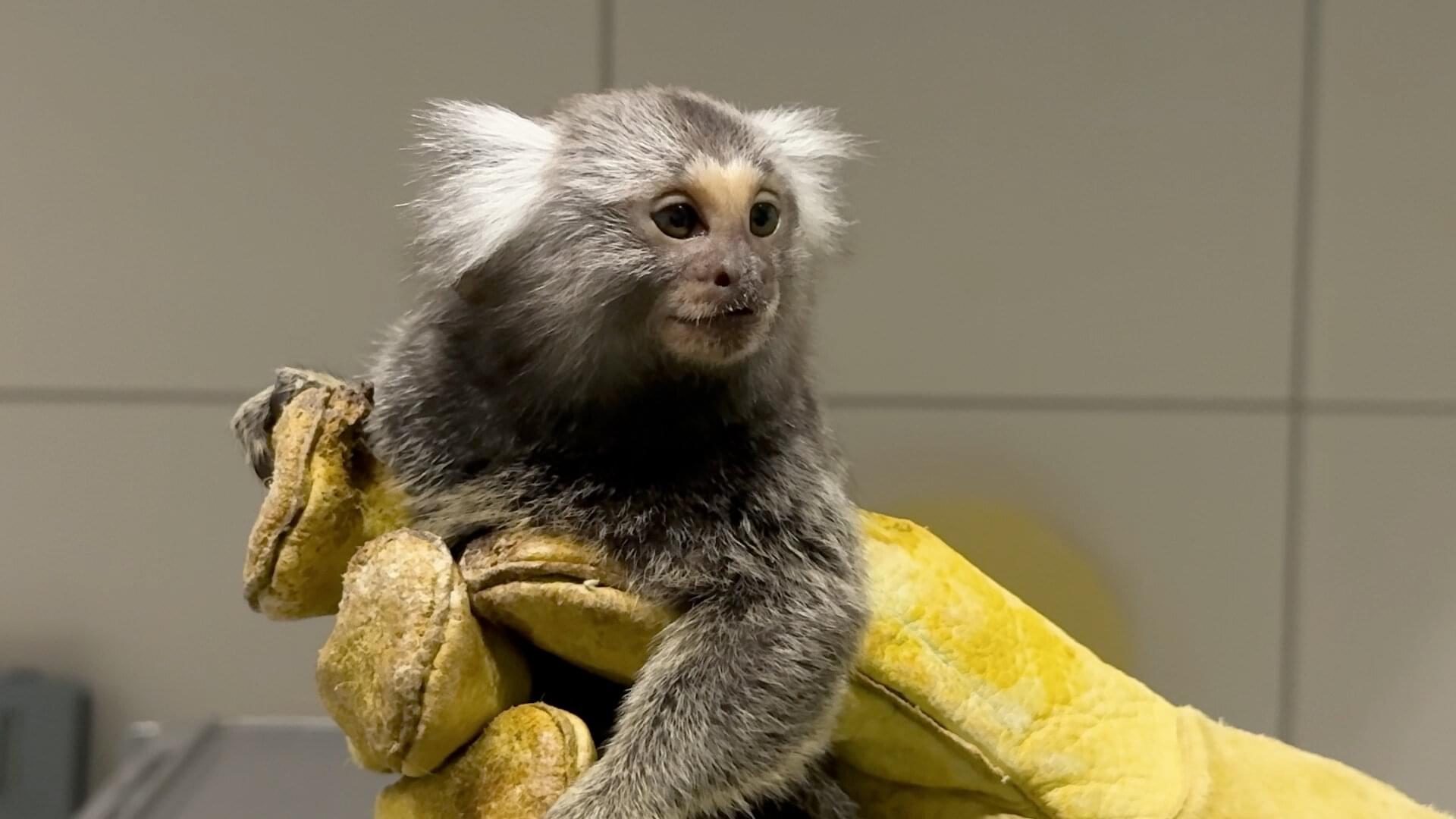
Why are some people unable to hear from birth, even though their inner ear appears intact? One possible cause lies in the so-called OTOF gene. It plays a central role in transmitting sound signals from the hair cells to the auditory nerve. Without this function, acoustic information does not reach the brain.

Researchers from the German Primate Center—Leibniz Institute for Primate Research, the University Medical Center Göttingen, and the Max Planck Institute for Multidisciplinary Sciences have now, for the first time, generated marmosets in which this gene has been knocked out precisely. The animals are healthy and develop normally, but are deaf from birth. This provides the first primate model that realistically replicates key characteristics of human deafness. The results are published in Nature Communications.

Hearing loss is one of the most common congenital sensory disorders in humans. A major cause is a defect in the OTOF gene. This gene ensures that the protein otoferlin is produced in the inner ear. This protein is necessary for sound signals to travel from the hair cells to the auditory nerve. Without it, the ear still functions externally, but the signals do not reach the brain.

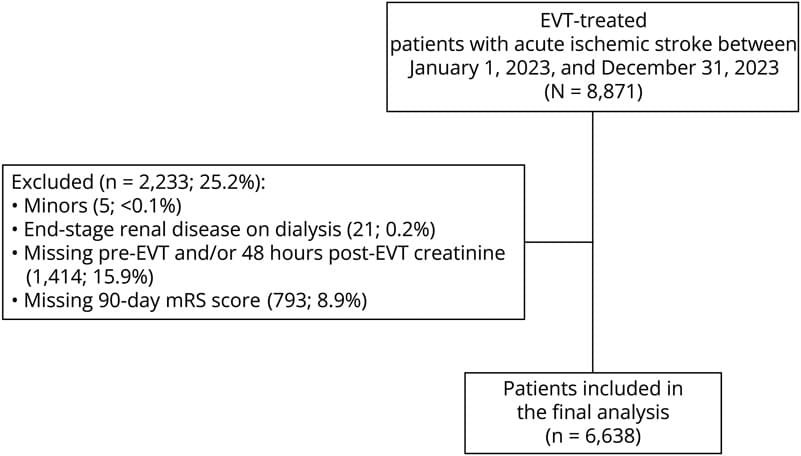
Contrast-Associated Acute Kidney Injury After Thrombectomy for Ischemic StrokePrognostic Impact and CAN-REST Predictive Score

In this large, international cohort, contrast-associated acute kidney injury occurred in approximately 1 in 20 endovascular thrombectomy-treated patients with acute ischemic stroke and was independently associated with poor outcomes. A simple preprocedural risk score enables early identification of high-risk individuals and may support preventive strategies.


Background and Objectives.

Sean Carroll & Philip Goff Debate ‘Is Consciousness Fundamental?’

This debate took place in Marist College on Friday September 8th 2023. It was one of the public components of a conference on the topic of panpsychism organised by Andrei Buckareff and Philip Goff, as part of the Templeton funded project ‘Panpsychism and Pan(en)theism: Philosophy of Religion meets Philosophy of Mind.’ https://sites.google.com/view/panpsyc

Filmed and edited by Jay Shapiro.

POEMS syndrome: a neuromuscular perspective

POEMS (Polyneuropathy, Organomegaly, Endocrinopathy, M-protein and Skin changes) syndrome is a rare multisystem disorder where early identification is essential for better long term outcomes. Yet it is often misdiagnosed. Gonçalves et al review the condition here:

https://jnnp.bmj.com/content/early/2026/01/30/jnnp-2025-…e=facebook.

And this is a related editorial: https://jnnp.bmj.com/content/early/2026/01/30/jnnp-2025-…e=facebook


Polyneuropathy, Organomegaly, Endocrinopathy, M-protein and Skin changes (POEMS) syndrome is a rare multisystemic disorder associated with plasma cell dyscrasia, most commonly presenting with peripheral neuropathy. Due to its complex and heterogeneous clinical presentation, misdiagnosis is frequent, particularly with chronic inflammatory demyelinating polyradiculoneuropathy, which often leads to delays in appropriate management. Peripheral nerve involvement in POEMS syndrome is predominantly demyelinating, typically accompanied by early axonal degeneration. Specific clinical, neurophysiological and imaging features are key to differentiating POEMS from other acquired demyelinating neuropathies.

Impacts from meteors may have helped start life on Earth by creating hydrothermal vents

Meteor impacts may have helped spark life on Earth, creating hot, chemical-rich environments where the first living cells could take shape, according to research integrated by a recent Rutgers University graduate. Shea Cinquemani, who earned her bachelor’s degree from the School of Environmental and Biological Sciences in May 2025, has published a paper based on research she started during the spring of her senior year.

“No one knows, from a scientific perspective, how life could have been formed from an early Earth that had no life,” said Shea Cinquemani, who earned her bachelor’s degree in marine biology and fisheries management from the Rutgers School of Environmental and Biological Sciences in May 2025. “How does something come from nothing?”

Cinquemani is the lead author of a review, published in the Journal of Marine Science and Engineering, examining where life may have first formed on Earth. The paper focuses on hydrothermal vents, places where hot, mineral-rich water flows through rock and emerges into surrounding water, creating the chemical conditions and energy gradients needed for complex reactions.

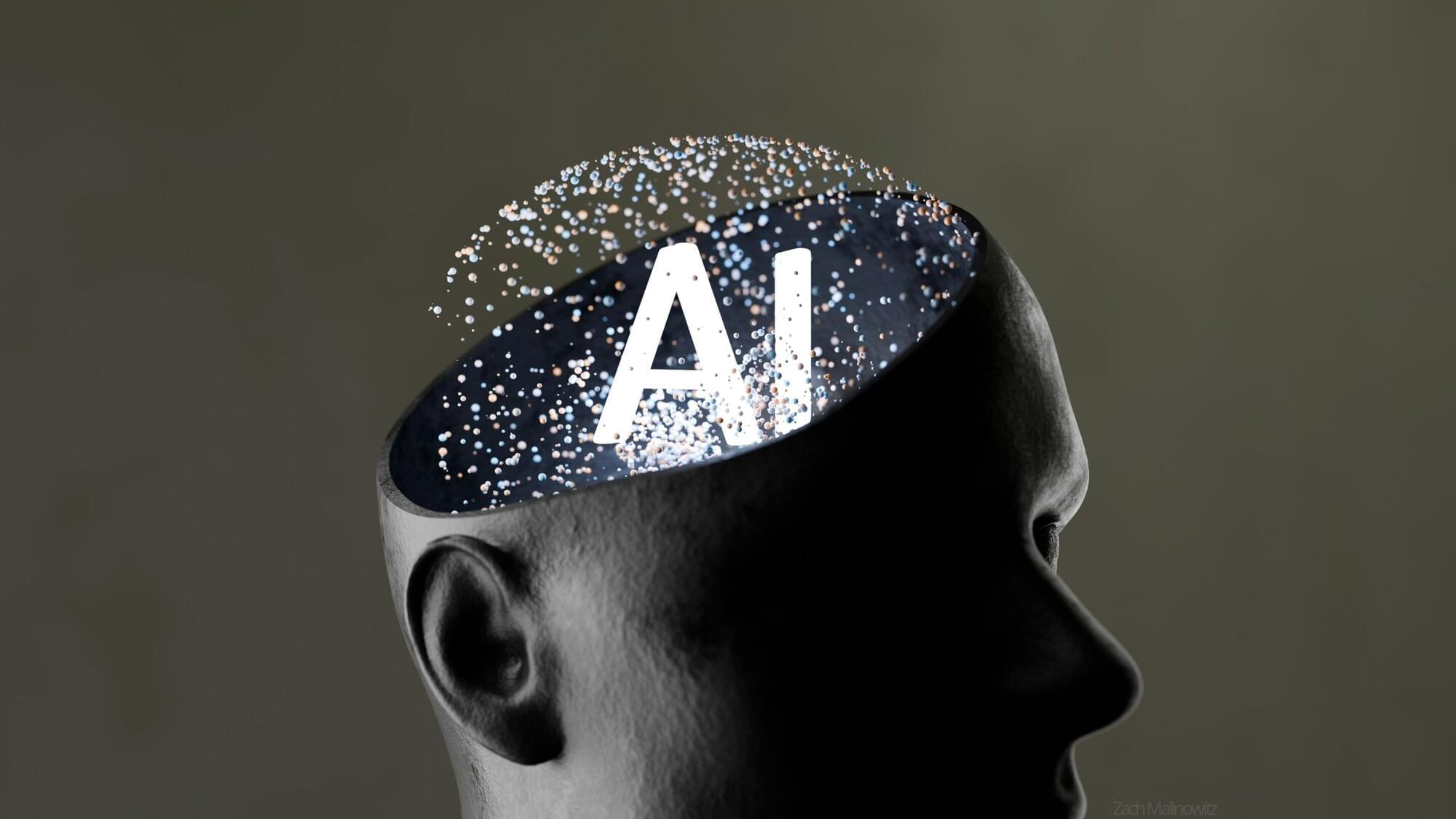
Rethinking brain-like artificial intelligence: New study reveals hidden mismatches

A new study by York University researchers has found a potential striking flaw in artificial intelligence (AI) models. Artificial neural networks (ANNs), a type of AI model built to solve vision tasks for computers, have surprisingly emerged as the current best understanding of how our own brain’s visual system works, in the last decade. But does current AI really work like a primate brain?

“Artificial intelligence systems are often described as ‘brain-like’ because they can predict activity in parts of the brain that help us recognize objects,” says York University Assistant Professor Kohitij Kar, senior author of a new study. “Until now, scientists mostly tested this in one direction. They asked whether AI models can predict brain activity.”

In this study, the researchers flipped the question—if AI truly mirrors the brain, shouldn’t brain activity also be able to predict what’s happening inside the AI model?—and developed a reverse predictivity test to find the answer. The findings are published in the journal Nature Machine Intelligence.

Study reveals why some cancer therapies don’t work for all patients

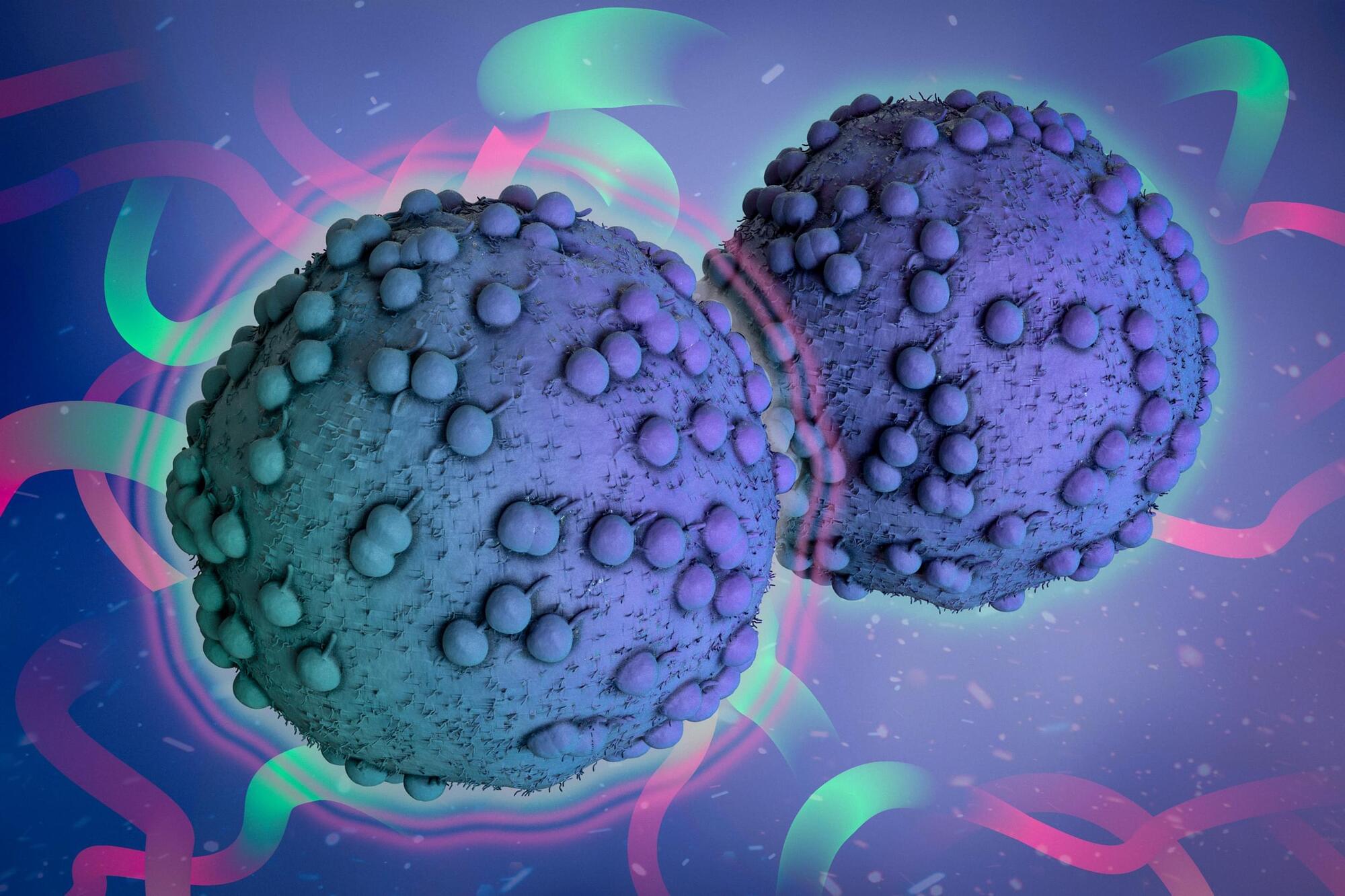
Drugs that block enzymes called tyrosine kinases are among the most effective targeted therapies for cancer. However, they typically work for only 40 to 80 percent of the patients who would be expected to respond to them.

In a new study, MIT researchers have figured out why those drugs don’t work in all cases: Many of these tumors have turned on a backup survival pathway that helps them keep growing when the targeted pathway is knocked out.

“This seems to be hardwired into the cells and seems to be providing activation of a critical survival pathway in cancer cells,” says Forest White, the Ned C. and Janet C. Rice Professor of Biological Engineering at MIT. “This pathway allows the cells to be resistant to a wide variety of therapies, including chemotherapies.”

/* */