Toggle light / dark theme

Get the latest international news and world events from around the world.

Log in for authorized contributors

A mesoscale optogenetics system for precise and robust stimulation of the primate cortex

Li et al. present a microLED-based mesoscale optogenetic system for centimeter-scale, million-pixel primate cortical stimulation. Optogenetically evoked saccades with accurate retinotopic organization remain stable for over a year, demonstrating precise, robust, and durable neuromodulation and charting a path toward next-generation optical brain-computer interfaces and visual prostheses.

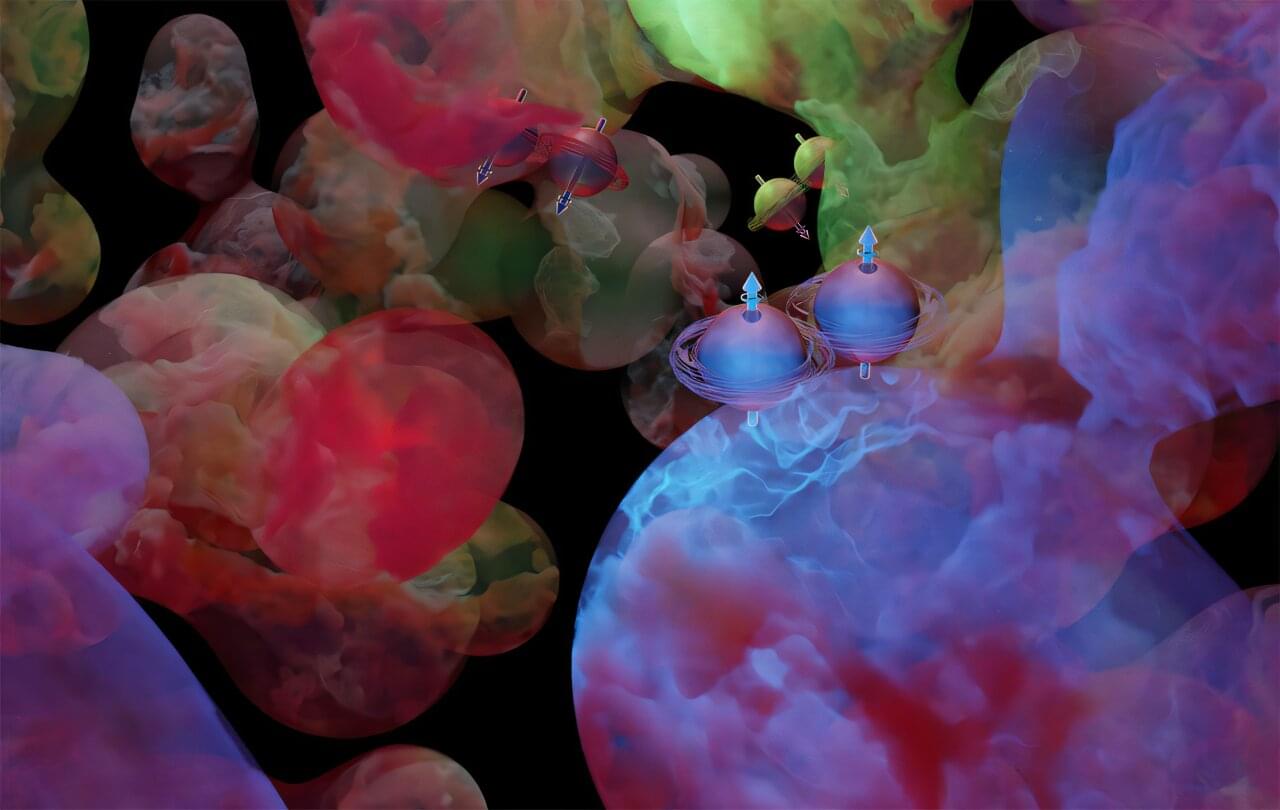
Supervised and unsupervised quantum machine learning models for the phase detection of the ANNNI spin model

Based on the paper Quantum phase detection generalization from marginal quantum neural network models, explore the phase diagram of the Axial Next-Nearest-Neighbor Ising (ANNNI) model using both supervised and unsupervised learning methods.

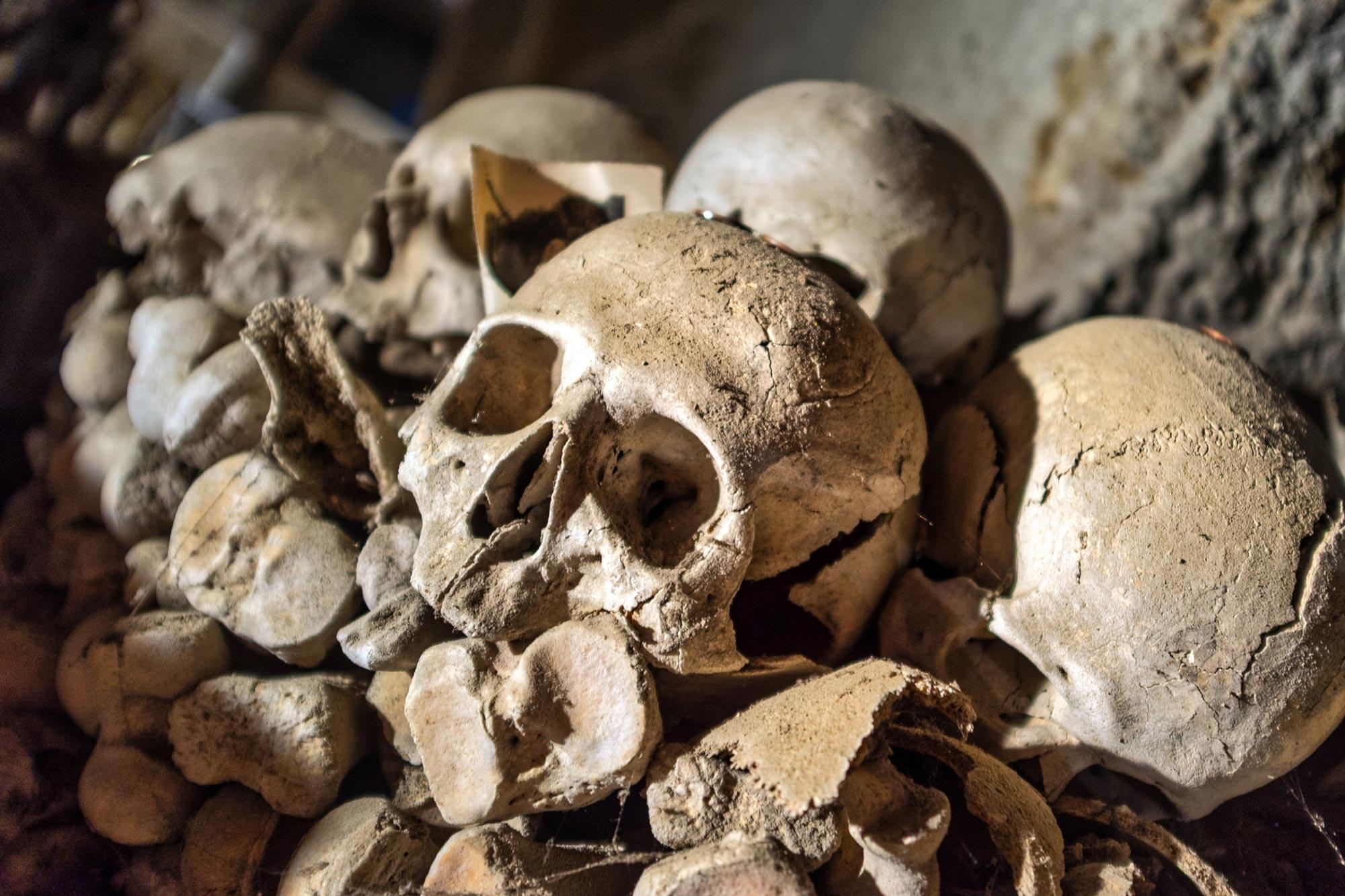
Breathing in the past: How museums can use biomolecular archaeology to bring ancient scents to life

Recent advances in biomolecular archaeology have revealed that ancient objects can retain the molecular fingerprints of past aromatic practices. These molecules provide unprecedented insight into ancient perfumery, medicine, ritual, and daily life.

In a publication in Frontiers in Environmental Archaeology, an interdisciplinary research team led by archaeo-chemist Barbara Huber (Max Planck Institute of Geoanthropology and the University of Tübingen), shows how museums can use this molecular evidence to engage audiences with the sensory worlds of the past. The team combined their expertise to create a new workflow for converting biomolecular data into accessible, visitor-ready olfactory recreations.

“This research represents a significant shift in how scientific results can be shared beyond academic publications,” explains Huber.

Magnetism brings structure to a long-mysterious electronic state

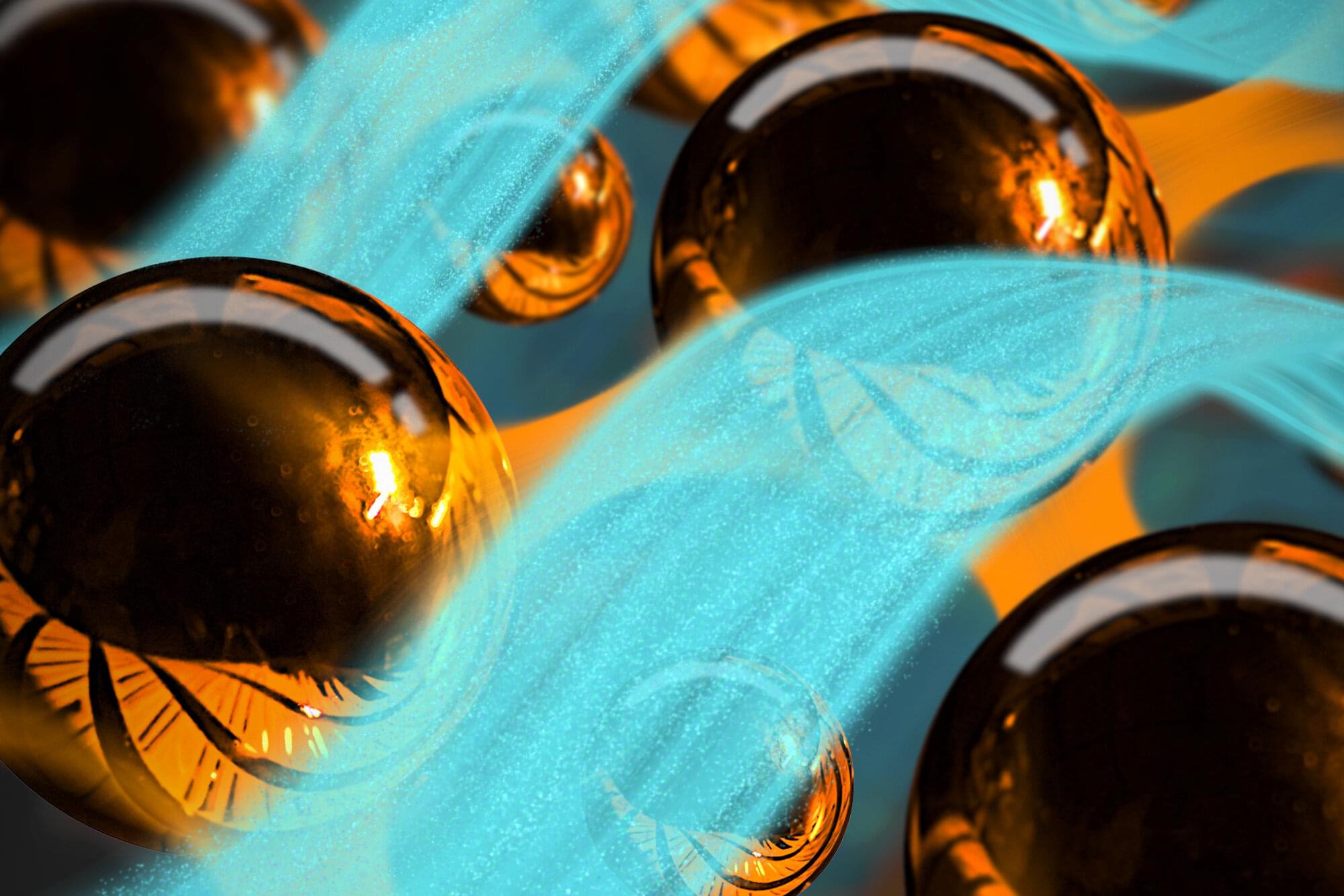
Physicists have uncovered surprising order inside one of the most puzzling states in modern materials science. It is a strange middle ground where electrons begin to behave differently, but full superconductivity has not yet taken hold.

Instead of falling into disorder, the system retains coordinated patterns right at the point where normal electrical behavior starts to break down. The finding suggests this transition is guided by an underlying structure, not randomness.

/* */