She is an inspiration!
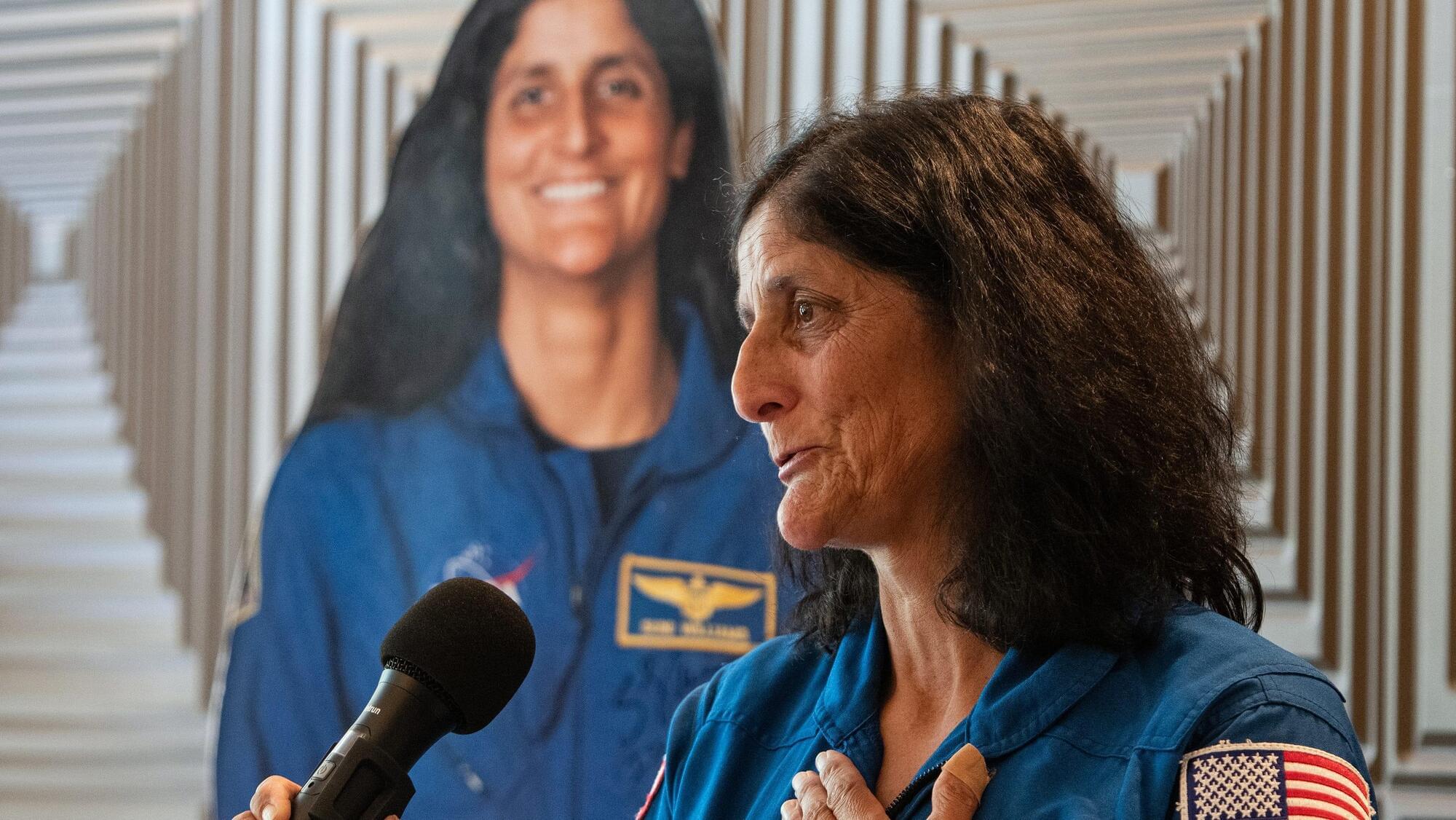
NASA astronaut Sunita “Suni” Williams, a Needham native with Falmouth ties, will speak about her experiences during a recent space mission at 7:30 p.m. Feb. 20 at the Marine Biological Laboratory’s Falmouth Forum, according to a community announcement.
The lecture, titled “So Much Space… So Much Time!,” will take place in the Cornelia Clapp Auditorium in Lillie Laboratory, 7 MBL St., Woods Hole. It is free and open to the public.
Williams and fellow astronaut Butch Wilmore remained aboard the International Space Station after thruster failures on their spacecraft. They returned to Earth on an alternate vehicle. Williams will share videos and personal accounts to highlight the rapid commercialization of space and the challenges it presents.