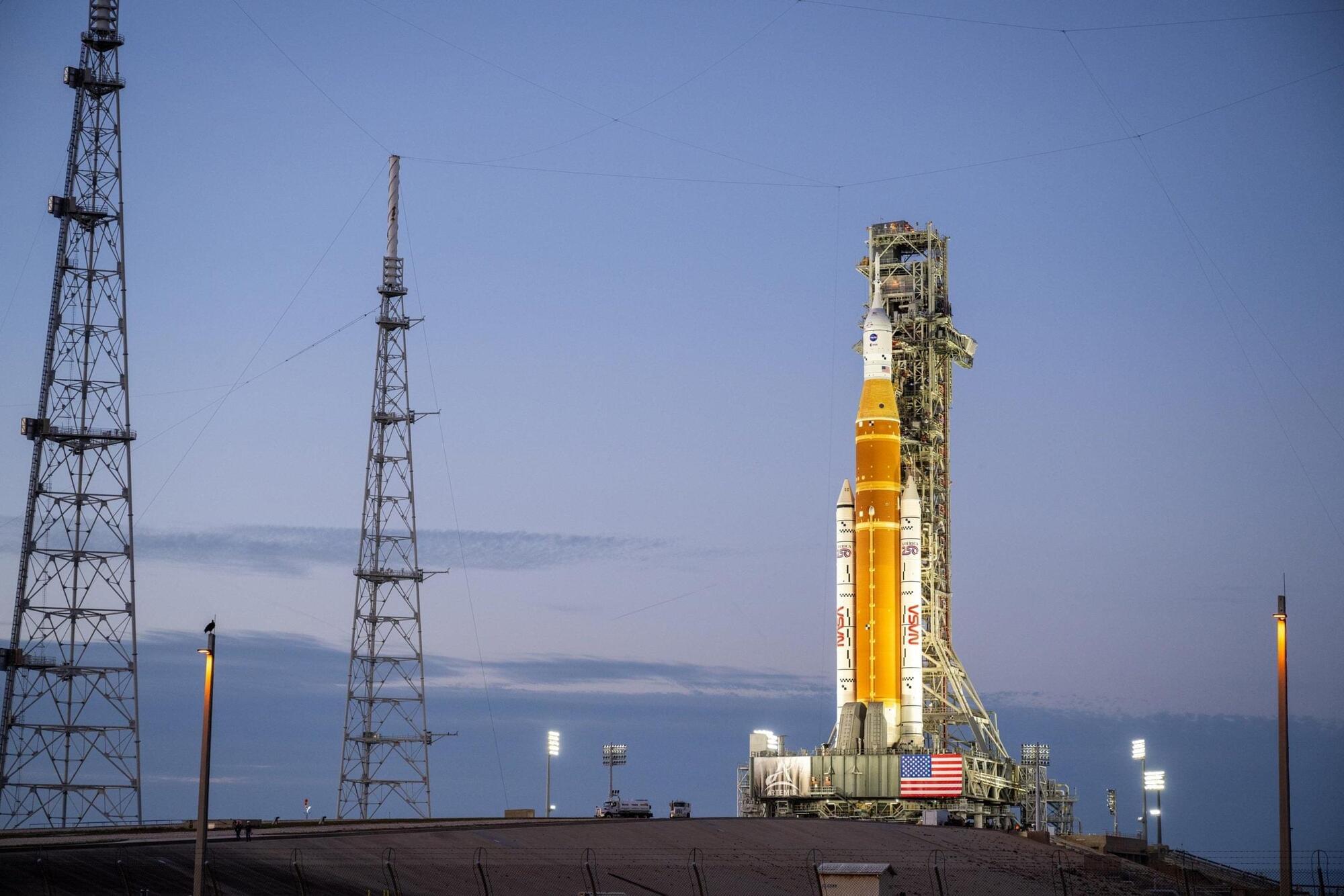
NASA’s Artemis II Moon rocket is now at the launch pad, setting the stage for final prelaunch tests. The mission will send astronauts around the Moon and help pave the way for future lunar and Mars exploration.



Sometimes science can be painfully slow. Data comes in dribs and drabs, truth trickles, and veracity proves viscous.
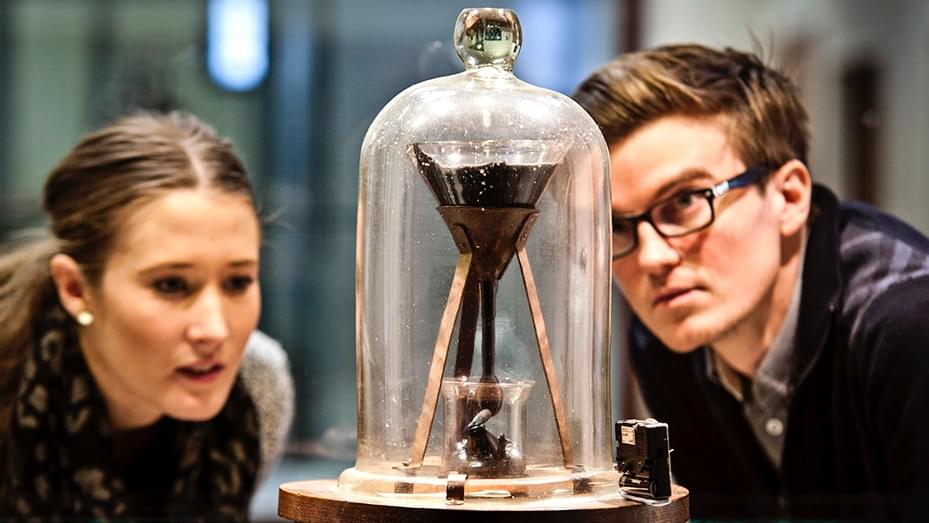
The world’s longest-running lab experiment is an ongoing work in sheer scientific patience. It has been running continuously for nearly a century, under the close supervision of several custodians and many spectators – and it’s ever so slowly drip, drip, dripping away.
It all started in 1927, when physicist Thomas Parnell at the University of Queensland in Australia filled a closed funnel with the world’s thickest known fluid: pitch, a derivative of tar that was once used to seal ships against the seas.
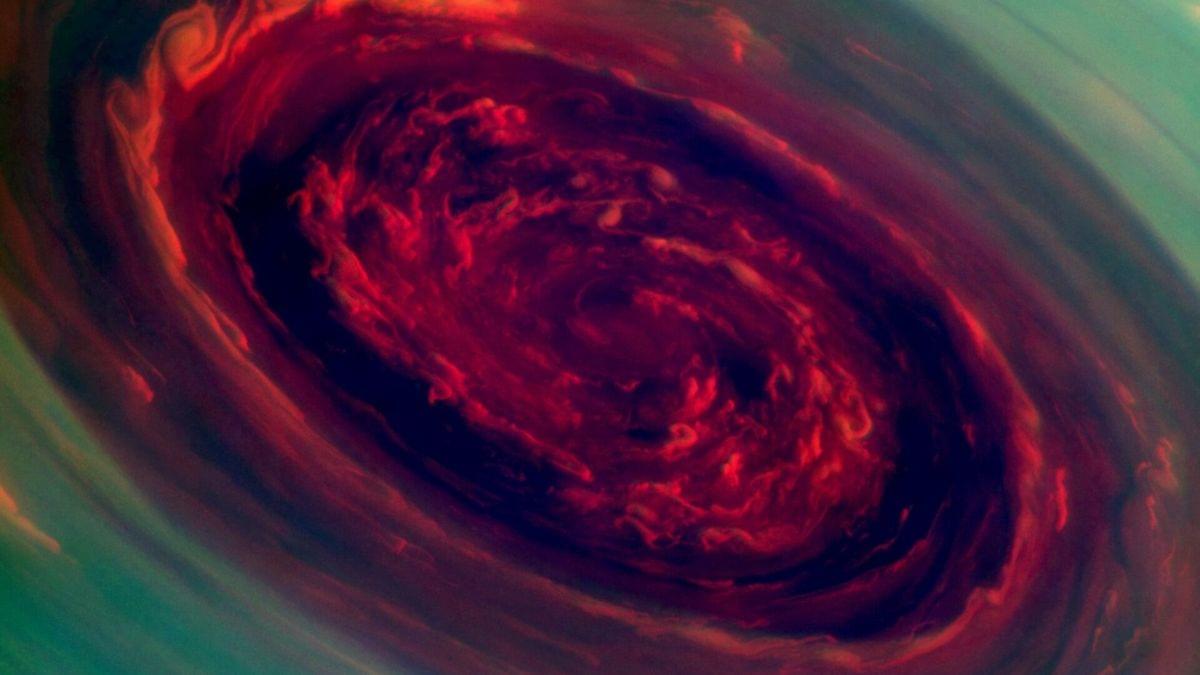
The two largest planets in the Solar System – Jupiter and Saturn – have a lot in common. They’re made of very similar stuff, they spin at similar speeds, and radiate internal heat similarly. Heck, they even both hoard moons in a similar way.
However, there’s a difference between the planets that has long puzzled scientists: the giant, vortical storms that cap their poles.
Saturn has one huge storm on each pole.