Toggle light / dark theme

Get the latest international news and world events from around the world.

Log in for authorized contributors

The Final Device

To support the channel and help us make more videos like this, check out our Patreon: https://patreon.com/Technomics?utm_me

👉 Get The AI Career Survival Guide: https://technomics.gumroad.com/l/ai-s
For a century, the human-computer interface has been shrinking, and now, it’s crossing the final physiological barrier: your nervous system. In this episode of Technomics, we expose the terrifying and awe-inspiring evolutionary roadmap of the \.

Key protein found to protect cartilage, offering new hope for osteoarthritis treatment

Osteoarthritis, a condition that causes pain and reduced mobility in joints such as the knees and fingers, is one of the most common joint disorders worldwide, particularly among aging populations. The disease is characterized by the gradual breakdown of cartilage, which normally cushions the bones within joints.

Despite its prevalence, current treatments for osteoarthritis mainly focus on alleviating pain rather than addressing the underlying cause of cartilage degeneration. Effective therapies that can halt or reverse cartilage damage remain limited.

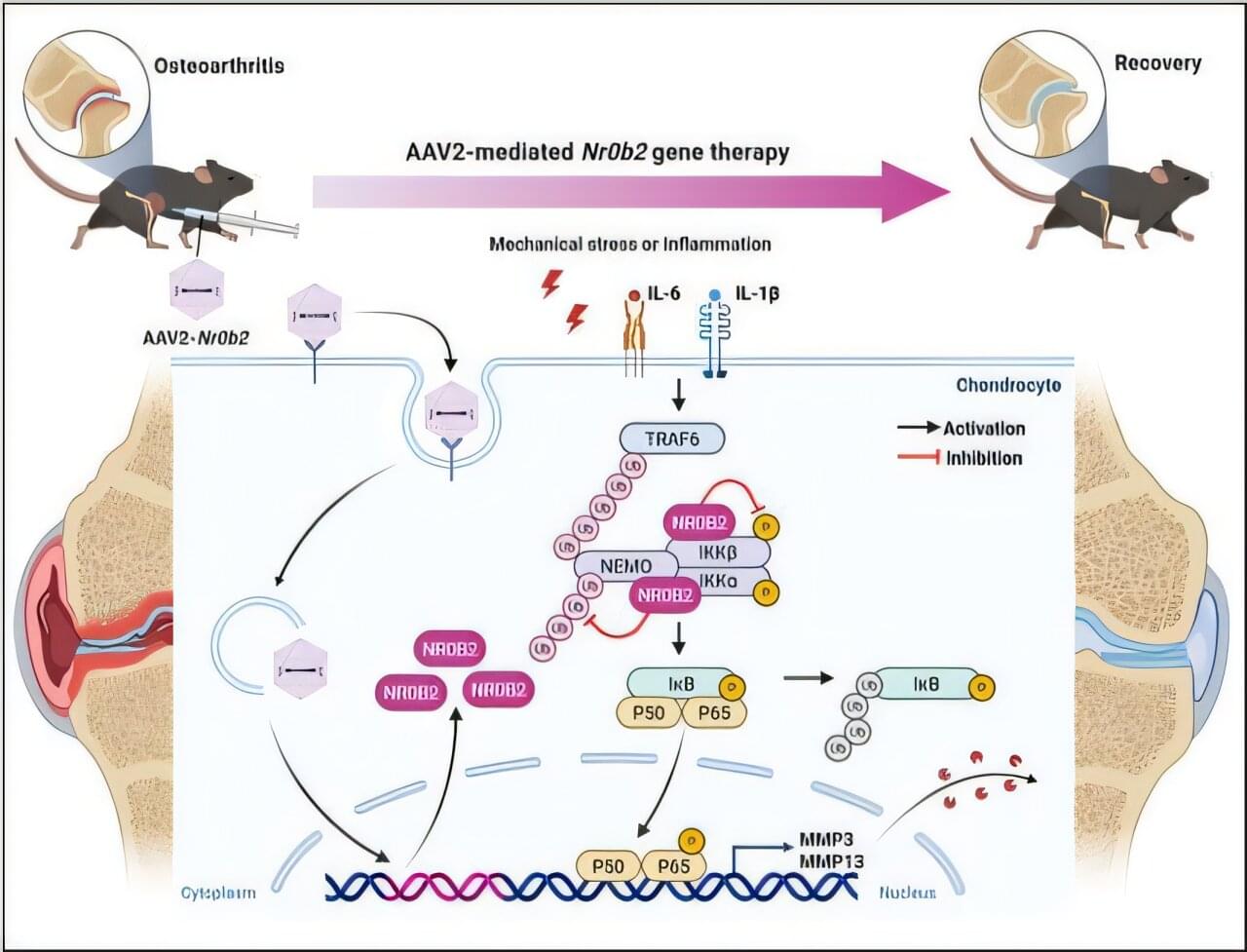
A joint research team led by Dr. Chul-Ho Lee and Dr. Yong-Hoon Kim at the Laboratory Animal Resource Center of the Korea Research Institute of Bioscience and Biotechnology (KRIBB), in collaboration with Prof. JinHyun Kim at Chungnam National University Hospital, has identified a key protein, SHP (NR0B2), that plays a critical protective role in cartilage and may offer a new therapeutic strategy for osteoarthritis. The paper is published in the journal Nature Communications.

How young galaxies grew magnetic fields faster than expected

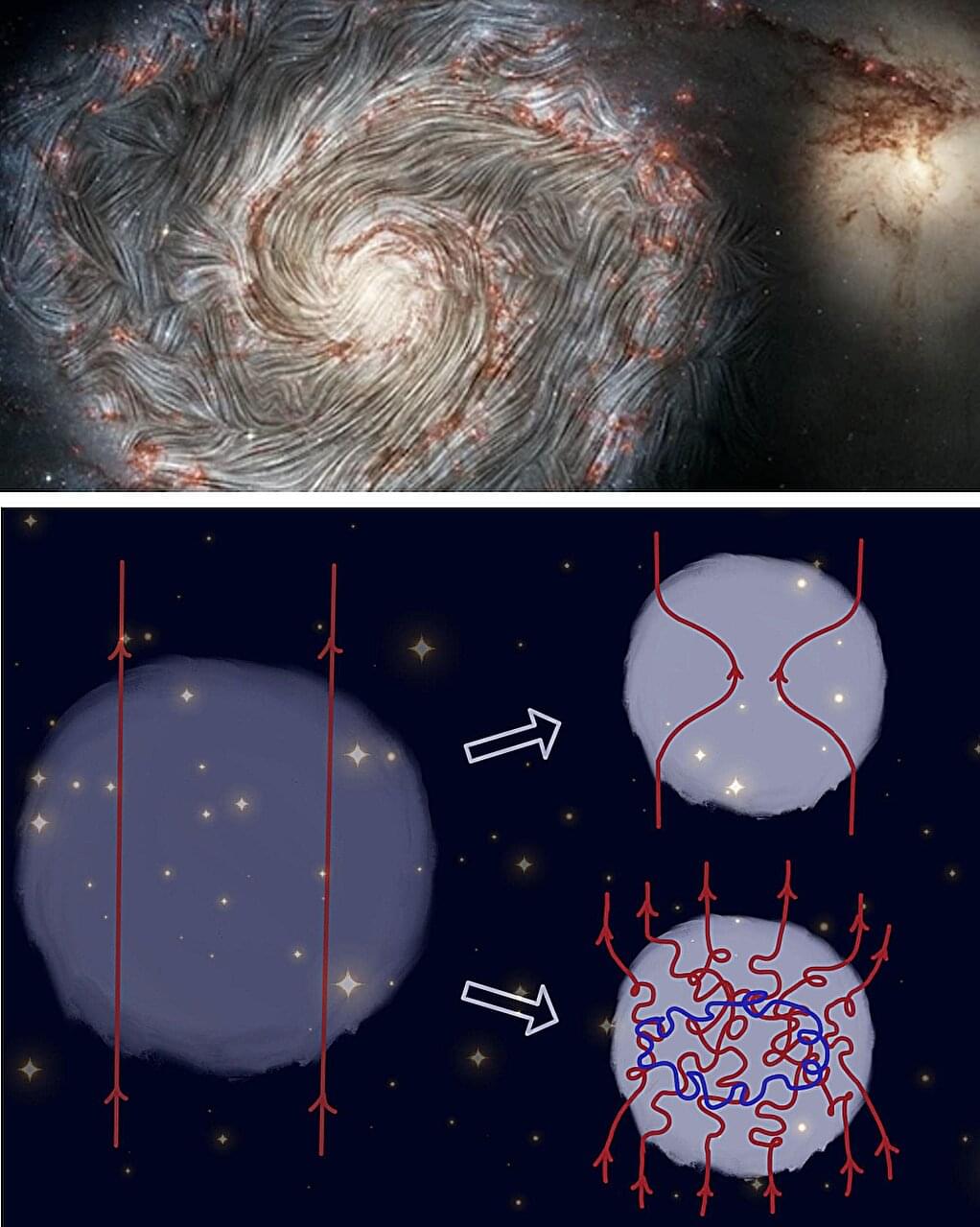
How fast can a galaxy build ordered magnetic fields spanning thousands of light-years? Existing theories say several billion years, but observations of galaxies in our universe imply shorter timescales. In a study published in the Physical Review Letters and highlighted in the Physics magazine, scientists propose an explanation that resolves this contradiction. They say that the collapse of plasma clouds during the formation of galaxies could significantly accelerate the growth of these magnetic fields.

Almost all visible matter in our universe is in the form of plasma, which can be stirred by forces related to gravity, temperature gradients and rotation. If these lead to turbulent flow, the dynamo theory predicts that the existing magnetic fields in the plasma are amplified. The dynamo theory is our primary framework for understanding the origin of cosmic magnetic fields.

“However, dynamo theory has its limitations,” says Pallavi, an assistant professor at the International Centre for Theoretical Sciences (ICTS) and an author of the study. “In particular, it struggles to explain observations of young galaxies with robust magnetic fields across thousands of light-years.”

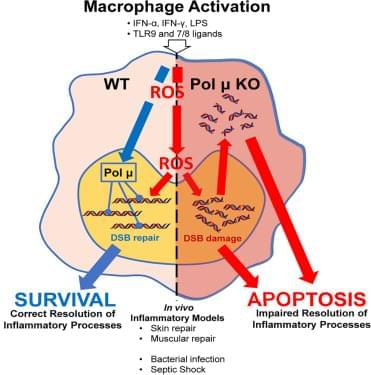
DNA polymerase μ protects macrophages from DNA damage produced during pro-inflammatory activation

Polμ is induced in macrophages by ROS upon pro-inflammatory stimuli and is essential for efficient repair of DNA double-strand breaks. Its deficiency compromises macrophage survival and persistence in inflammatory models of infection and tissue repair, underscoring Polμ’s critical role in counteracting ROS-mediated genotoxic stress and in achieving a correct inflammatory resolution.

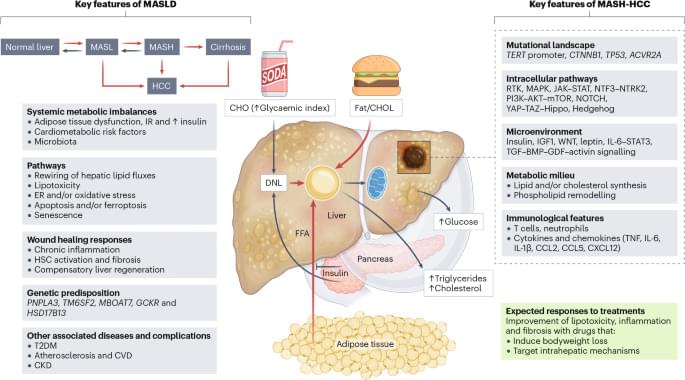
Metabolic dysfunction-associated steatotic liver disease and steatohepatitis-associated hepatocarcinoma preclinical models

Preclinical models are essential to study disease pathogenesis and test novel treatments. Here, a broad overview ofis provided, detailing main features, advances and limitations of in vitro and in vivo models, and how they translate to human disease.

Mapping mutations at scale in a single gene reveals new neurodevelopmental condition

The ability of different genetic variants—changes to one or more building blocks of DNA—to cause disease, and to what extent, has historically been opaque. Geneticist and Crick group leader Greg Findlay has pioneered a new method in the hope of changing this. Called “saturation genome editing,” the new technique involves mapping every single variant in a given gene to work out what it does and pinpoint which changes are responsible for specific disorders.

While Greg was refining these experiments, Nicky Whiffin, associate professor at the University of Oxford, had identified that mutations in a tiny gene were behind a rare inherited neurodevelopmental disorder, known as ReNU syndrome, which impacts brain function, development and motor skills. Children develop this syndrome if a single copy of the RNU4-2 gene is mutated in a specific way.

Nicky initially found that several distinct mutations in a critical region of the gene caused the condition, and she was keen to understand if some of these genetic variants led to more severe disease.
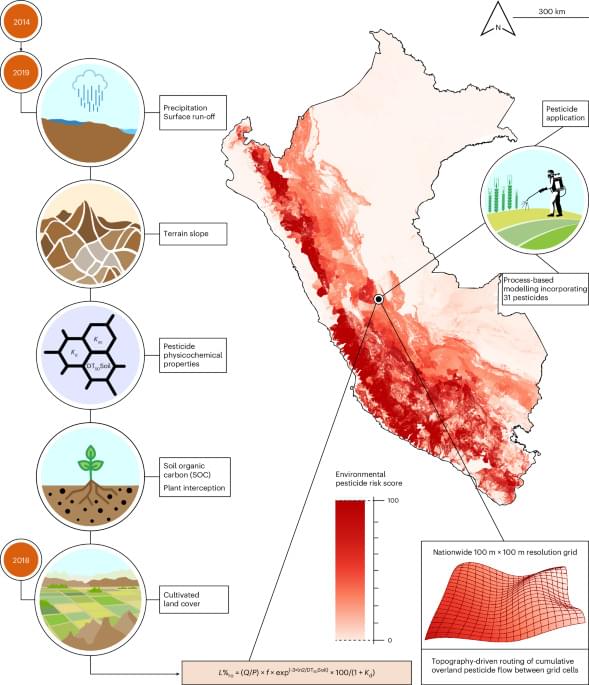
Mapping pesticide mixtures to cancer risk at the country scale with spatial exposomics

Using an integrative spatial Bayesian framework that merges high-resolution environmental pesticide risk modelling with comprehensive cancer registry data, this analysis reveals spatial patterns of pesticide exposure and liver tissue-derived molecular signatures across Peru, establishing links between pesticide usage and cancer insurgence at the national scale.

ADAMTS-7 Vaccine Confers Renal and Vascular Protection in Chronic Kidney Disease

Yang & colleagues demonstrate a peptide vaccine targeting the metalloproteinase ADAMTS7 mitigates the damage to the kidneys & blood vessels related to chronic kidney disease. Learn more at.


ELetters should relate to an article recently published in the journal and are not a forum for providing unpublished data. Comments are reviewed for appropriate use of tone and language. Comments are not peer-reviewed. Acceptable comments are posted to the journal website only. Comments are not published in an issue and are not indexed in PubMed. Comments should be no longer than 500 words and will only be posted online. References are limited to 10. Authors of the article cited in the comment will be invited to reply, as appropriate.

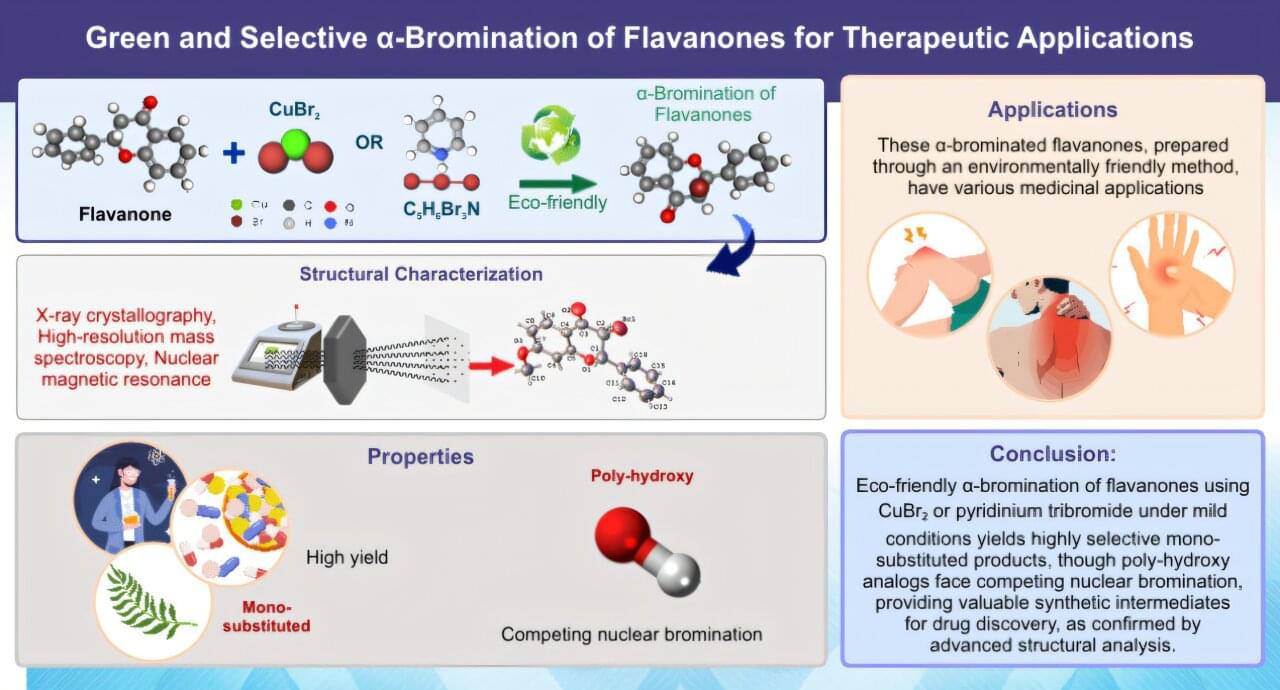
A greener route to citrus-derived therapeutics: What a new bromination method changes

Undergraduate students at Penn State Brandywine developed an environmentally friendly and easy method to synthesize compounds from plant-derived molecules for potential use in therapeutics. Their work, conducted under the supervision of Penn State Brandywine Assistant Professor of Chemistry Anna Sigmon, was published in a special issue of the journal ACS Omega titled “Undergraduate Research as the Stimulus for Scientific Progress in the U.S.”

Co-author Maria Englert, who graduated from Penn State in 2025, became involved with Sigmon’s research on the recommendation of another mentor and said she learned far more than she expected.

“The more we worked through the reactions and discussed methodologies with each other, the more chemistry felt like an art form—something that requires creativity, intuition and a tenacious approach to problem-solving,” she said. “This experience taught me that progress in research is shaped by collaboration, careful observation and a willingness to rethink your approach.”

/* */