Toggle light / dark theme

Get the latest international news and world events from around the world.

Log in for authorized contributors

‘NoVoice’ Android malware on Google Play infected 2.3 million devices

A new Android malware named NoVoice was found on Google Play, hidden in more than 50 apps that were downloaded at least 2.3 million times.

The apps carrying the malicious payload included cleaners, image galleries, and games. They required no suspicious permissions and provided the promised functionality.

After launching an infected app, the malware tried to obtain root access on the device by exploiting old Android vulnerabilities that received patches between 2016 and 2021.

Routine Access Is Powering Modern Intrusions, a New Threat Report Finds

Remote access and trusted administrative tools play a central role in how organizations operate today. According to Blackpoint Cyber’s 2026 Annual Threat Report, they are also increasingly central to how intrusions begin.

Informed by analysis of thousands of security investigations conducted during the reporting period, the report highlights a shift in attacker behavior. Rather than relying primarily on vulnerability exploitation, threat actors frequently gained access by using valid credentials, legitimate tools, and routine user-driven actions.

The report examines these patterns, documents where intrusion activity was disrupted, and presents defensive priorities derived from analyzed incident response outcomes observed throughout 2025.

US firm flies hypersonic system that captures images through plasma layer

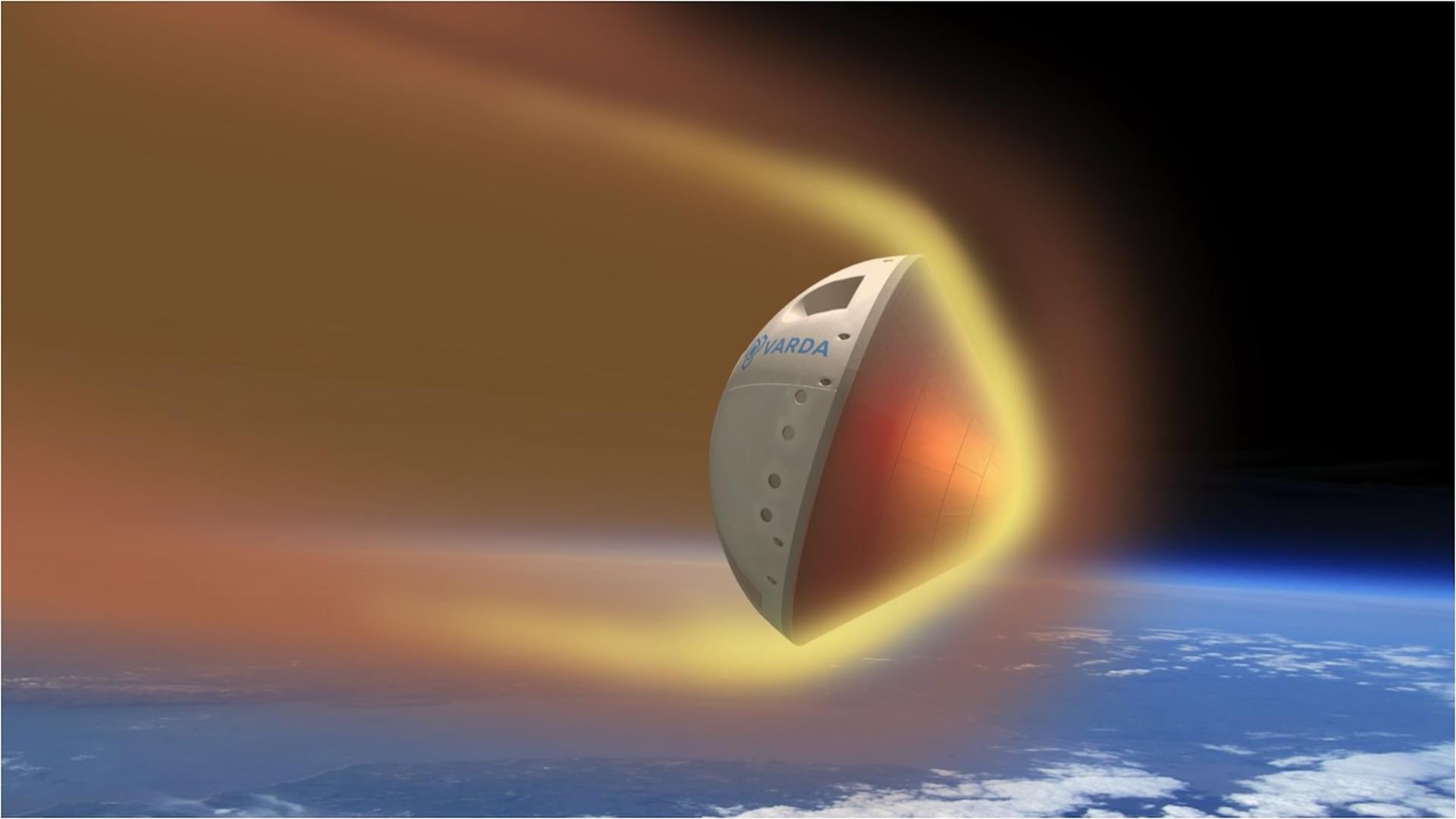
Varda Space Industries has launched its sixth reentry capsule aboard SpaceX’s Transporter-16 mission.

The capsule launched aboard a Falcon 9 rocket from Vandenberg Space Force Base, California, at 4:02 am PT (11:02 am UTC). It carried a US government-funded hypersonic technology experiment within its interior.

The payload was designed to test a hypersonic navigation system capable of accurately identifying spacecraft position, even when communications are blocked by intense plasma sheaths during hypersonic flight.

Cosmic collision of galaxies mapped by Maunakea telescope

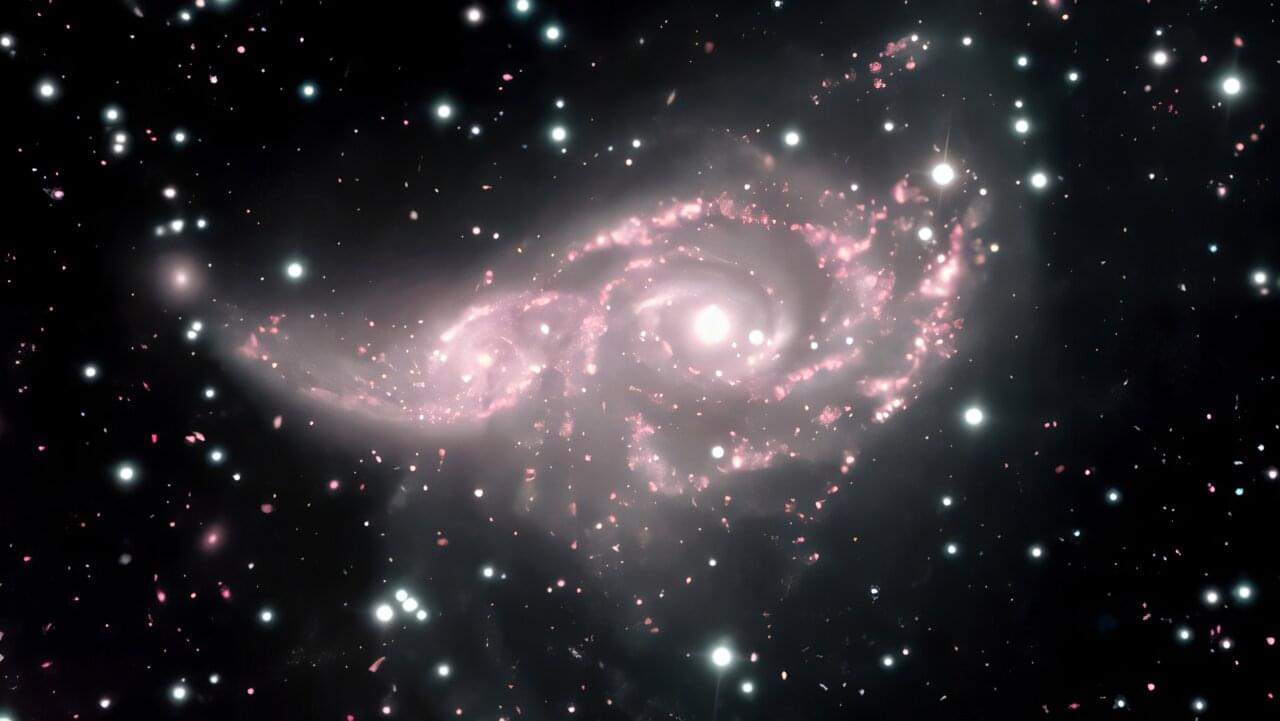
An astronomer at the University of Hawaiʻi at Hilo is using data from the Canada–France–Hawaiʻi Telescope (CFHT) on Maunakea to help reconstruct a slow-motion cosmic collision, one that has been unfolding for hundreds of millions of years. A new study from principal investigator R. Pierre Martin, a professor of astronomy at UH Hilo, and international researchers such as Ph.D. student Camille Poitras and colleagues at Université Laval in Québec, Canada, simulates the past, present, and future of two spiral galaxies, NGC 2207 and IC 2163.

Semaglutide ameliorates osteoarthritis progression through a weight loss-independent metabolic restoration mechanism

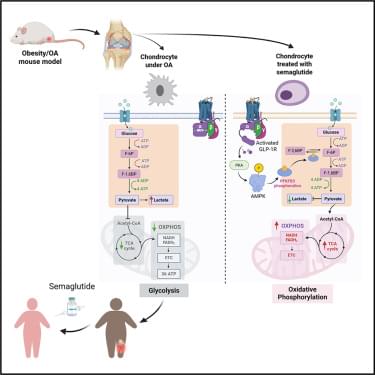
Weight loss-independent mechanism to ameliorate osteoarthritis by semaglutide.

Occurrence and progression of osteoarthritis (OA) is linked to metabolic disorders but molecular mechanism is not clear.

The researchers in this study demonstrate chondroprotective effects of a glucagon-like peptide-1 receptor (GLP-1R) agonist, semaglutide, in obesity-related osteoarthritis.

Mechanistically, these effects are independent of body weight loss and involve metabolic reprogramming of chondrocyte via the GLP-1R-AMPKPFKFB3 signaling axis. sciencenewshighlights ScienceMission https://sciencemission.com/Semaglutide-ameliorates-osteoarthritis


Qin et al. demonstrated the chondroprotective effects of semaglutide in obesity-related osteoarthritis. Mechanistically, these effects are independent of body weight loss and involve metabolic reprogramming of chondrocyte via the GLP-1R-AMPK-PFKFB3 signaling axis.

Advancing the Manufacture of Patient Accessible Cell and Gene Therapies at Place-of-Care

A partnership involving a medical school, a non-profit organization, and a biotech company have formed a partnership for the development and manufacture of an accessible and commercially viable hematopoietic stem cell (HSC) manufacturing platform for diseases like sickle cell disease (SCD). The alliance combines Trenchant BioSystems’ technology for automating patient-specific cell and gene therapy (CGT) processes, the University of Massachusetts Chan Medical School’s expertise on blood stem cell processes, and Caring Cross’s expertise in increasing patient access.

The collaboration will focus on developing a gene-modified stem cell manufacturing process with Trenchant’s AutoCell automated CGT manufacturing platform that is designed to be scalable and operate at place-of-care in an ISO class 7 environment to increase efficiencies and decrease costs.

A key reason Trenchant BioSystems’ automated CGT manufacturing platform was selected is its use of a microbubble separation approach as an alternative to immunomagnetic bead-based separation for stem cell gene therapies, point out officials at Caring Cross and Chan Medical School. In addition, AutoCell has a small footprint and significantly fewer facility requirements, important factors for lowering the cost of these therapies, adds Jon Ellis, CEO, Trenchant BioSystems.

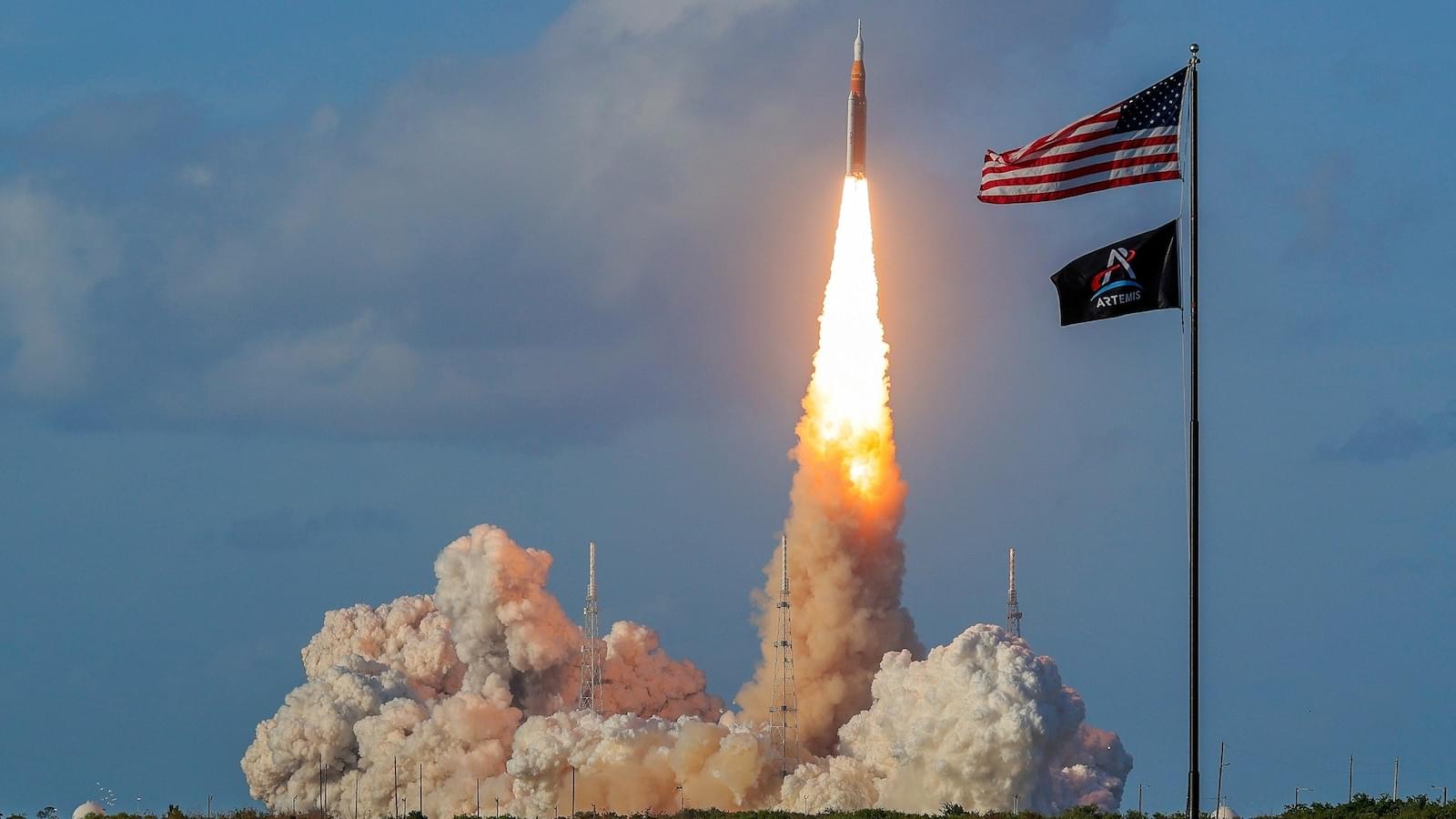
Artemis II live updates: Crew enters high Earth orbit, NASA says they are in ‘great spirits’

Artemis II will make history, taking astronauts around the moon for the first time in more than 50 years. The four-person crew will launch from NASA’s Kennedy Space Center on Merritt Island, Florida, for a 10-day journey.

The trip will pave the way for future Artemis missions intended to eventually see astronauts set foot on the moon, and the building of a permanent lunar base.

Read more here about what you need to know regarding the Artemis II mission, including how long it will take, who the astronauts are and how to watch.

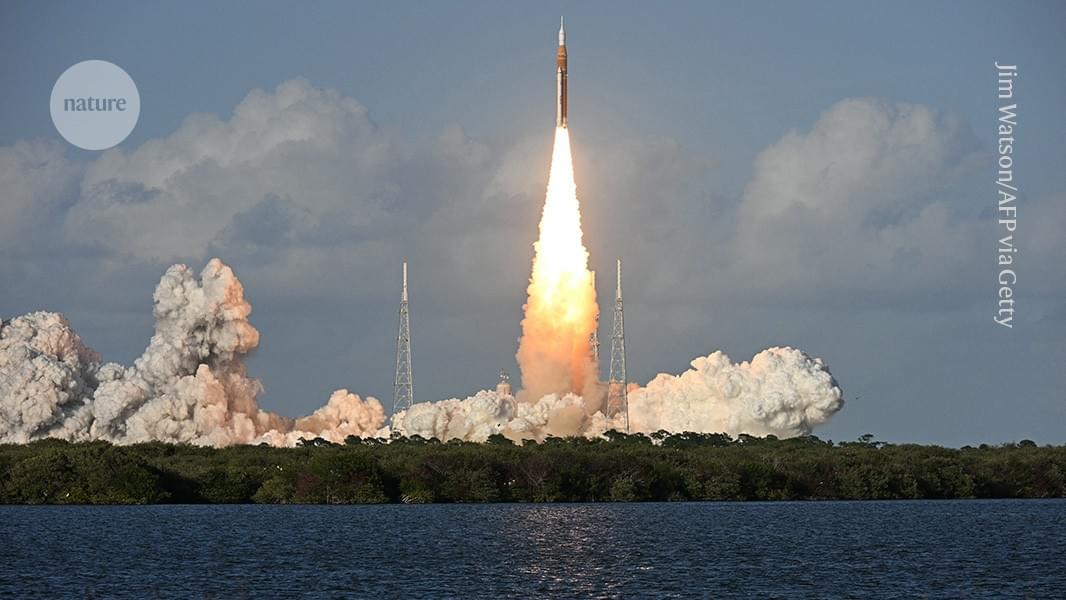
Lift off! Artemis II mission sends humans to the Moon — opening a new era of exploration

Hope, inspiration, and wonder. Making science fiction into reality. I salute all of the brave and brilliant people who have contributed to this vital mission. 3 An article on the Artemis II launch.


Four people are on their way to the Moon — for the first time since Apollo astronauts stepped off the lunar surface more than 50 years ago. They launched successfully this evening from Cape Canaveral, Florida, on NASA’s Artemis II mission, and, if everything goes to plan, they will travel farther from Earth than any human has before.

“Humanity’s next great voyage begins,” said NASA launch commentator Derrol Nail as the rocket cleared the launch tower.

The astronauts will now orbit Earth for about 24 hours to perform checks on their spacecraft, and then fire their rocket engines to set them on course for the Moon. The voyage there will take three days, the lunar surface growing ever larger in the capsule’s windows as they approach. On arrival, they will slingshot around the Moon’s far side, glimpsing lunar regions no human has ever seen by eye, and then make the three-day journey back home (see ‘Artemis II trajectory’).


/* */