Toggle light / dark theme

Get the latest international news and world events from around the world.

Log in for authorized contributors

Versatile mechanophore detects structural damage without false alarms from heat or UV

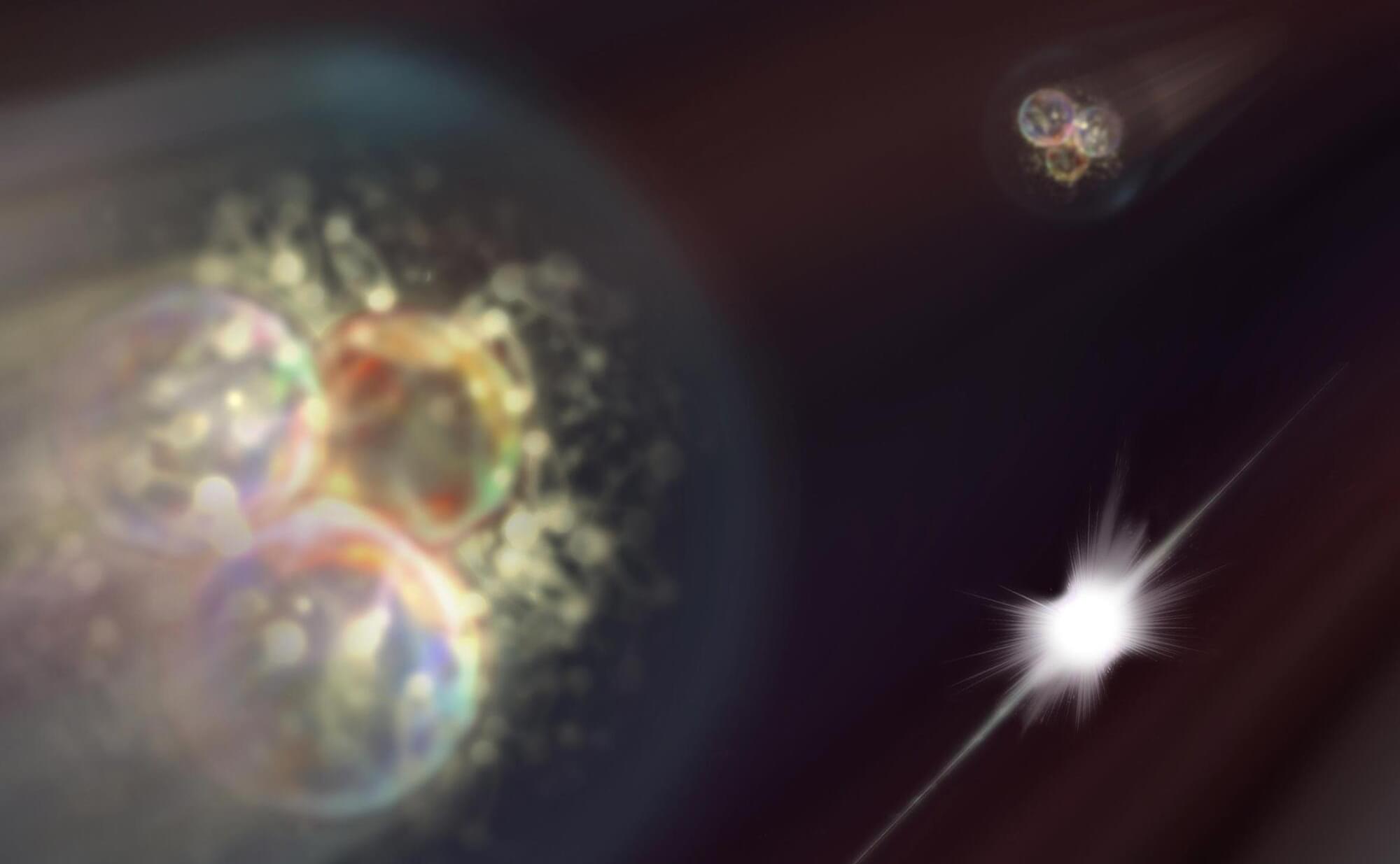
A newly designed robust mechanophore provides early warning against mechanical failure while resisting heat and UV, report researchers from Institute of Science Tokyo. They combined computational chemistry techniques with thermal and photochemical testing to show that their mechanophore scaffold, called DAANAC, stays inert under environmental stress yet emits a clear yellow signal when mechanically activated. This could pave the way for smart, self-reporting materials in construction, transportation, and electronics.

High-performance polymers, such as plastics and elastomers, are essential materials in modern life that are present in everything from airplane parts to bridges and electronics. Because sudden failures in these sectors can be extremely dangerous and costly, ensuring the safety and longevity of high-performance polymers is a critical challenge.

Since damage is often invisible at the molecular level until it is too late, scientists have been actively developing compounds known as “mechanophores.” These molecular sensors, which can be embedded into the bulk of a polymeric material, serve as an early warning system by chemically reacting to mechanical stress and producing visible light via fluorescence or other phenomena.

Protein disposal system may accelerate Alzheimer’s by transferring toxins between brain cells

A research group led by Professor Michael Glickman, dean of Technion’s Faculty of Biology, has uncovered a key mechanism in the development of Alzheimer’s. The mechanism in question identifies toxic proteins and disposes of them.

In most cases, harmful proteins are degraded inside the cell. However, the researchers found that in certain situations, the very system meant to eliminate these proteins simply transfers them outside the cell. This discovery may explain how a disease that begins randomly in individual neurons can spread to large regions of the brain.

The study, published in Proceedings of the National Academy of Sciences, was led by Prof. Glickman and postdoctoral researcher Dr. Ajay Wagh. In their article, they describe how brain cells deal with UBB+1, a defective and toxic variant of the protein ubiquitin.

Discoveries rewrite how some minerals form and dissolve

Two related discoveries detailing nanocrystalline mineral formation and dynamics have broad implications for managing nuclear waste, predicting soil weathering, designing advanced bioproducts and materials and optimizing commercial alumina production.

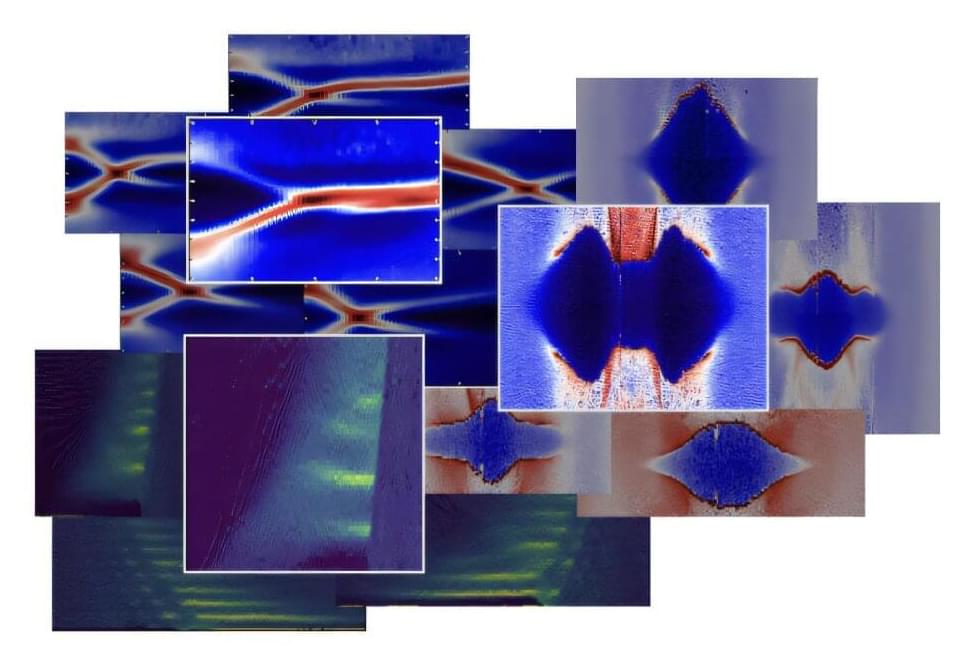
The two recently published studies combine detailed molecular imaging and molecular modeling to sort out how gibbsite, a common aluminum-containing mineral, forms and dissolves in exquisite detail.

Metal–metal bonded molecule achieves stable spin qubit state, opening path toward quantum computing materials

Researchers at Kumamoto University, in collaboration with colleagues in South Korea and Taiwan, have discovered that a unique cobalt-based molecule with metal–metal bonds can function as a spin quantum bit (spin qubit)—a fundamental unit for future quantum computers. The findings provide a new design strategy for molecular materials used in quantum information technologies.

The study is published in the journal Chemical Communications.

A New UV Laser Sends Messages in Trillionths of a Second

Ultrafast UV-C light just took a leap forward, opening the door to lightning-fast communications and next-generation photonic technologies.

Devices that work with ultraviolet light in the UV-C range (100−280 nm) are becoming increasingly important across many fields, including super-resolution microscopy and optical communications. Scientists are especially interested in UV-C light because it scatters strongly in the atmosphere, a property that makes it useful for non-line-of-sight communication. This means data could be sent even when a clear line of sight is blocked, such as in cluttered or obstructed environments. Despite these advantages, progress has been slow because researchers have lacked practical components that can reliably generate and detect UV-C light.

A new platform for ultrafast UV-C pulses.

Cloud file-sharing sites targeted for corporate data theft attacks

A threat actor known as Zestix has been offering to sell corporate data stolen from dozens of companies likely after breaching their ShareFile, Nextcloud, and OwnCloud instances.

According to cybercrime intelligence company Hudson Rock, initial access may have been obtained through credentials collected by info-stealing malware such as RedLine, Lumma, and Vidar deployed on employee devices.

The three infostealers are usually distributed through malvertising campaigns or ClickFix attacks. This type of malware commonly targets data stored by web browsers (credentials, credit cards, personal info), messaging apps, and cryptocurrency wallets.

NordVPN denies breach claims, says attackers have “dummy data”

NordVPN denied allegations that its internal Salesforce development servers were breached, saying that cybercriminals obtained “dummy data” from a trial account on a third-party automated testing platform.

The company’s statement comes after a threat actor (using the 1,011 handle) claimed on a hacking forum over the weekend that they stole more than 10 databases containing sensitive information like Salesforce API keys and Jira tokens, following a brute-force attack against a NordVPN development server.

“Today i am leaking +10 DB’s source codes from a nordvpn development server. This information was acquired by bruteforcing a misconfigured server of Nordypn, which has salesforce and jira information stored. Compromissed information: SalesForce api keys, jira tokens and more,” the threat actor said.

/* */