Toggle light / dark theme

Get the latest international news and world events from around the world.

Log in for authorized contributors

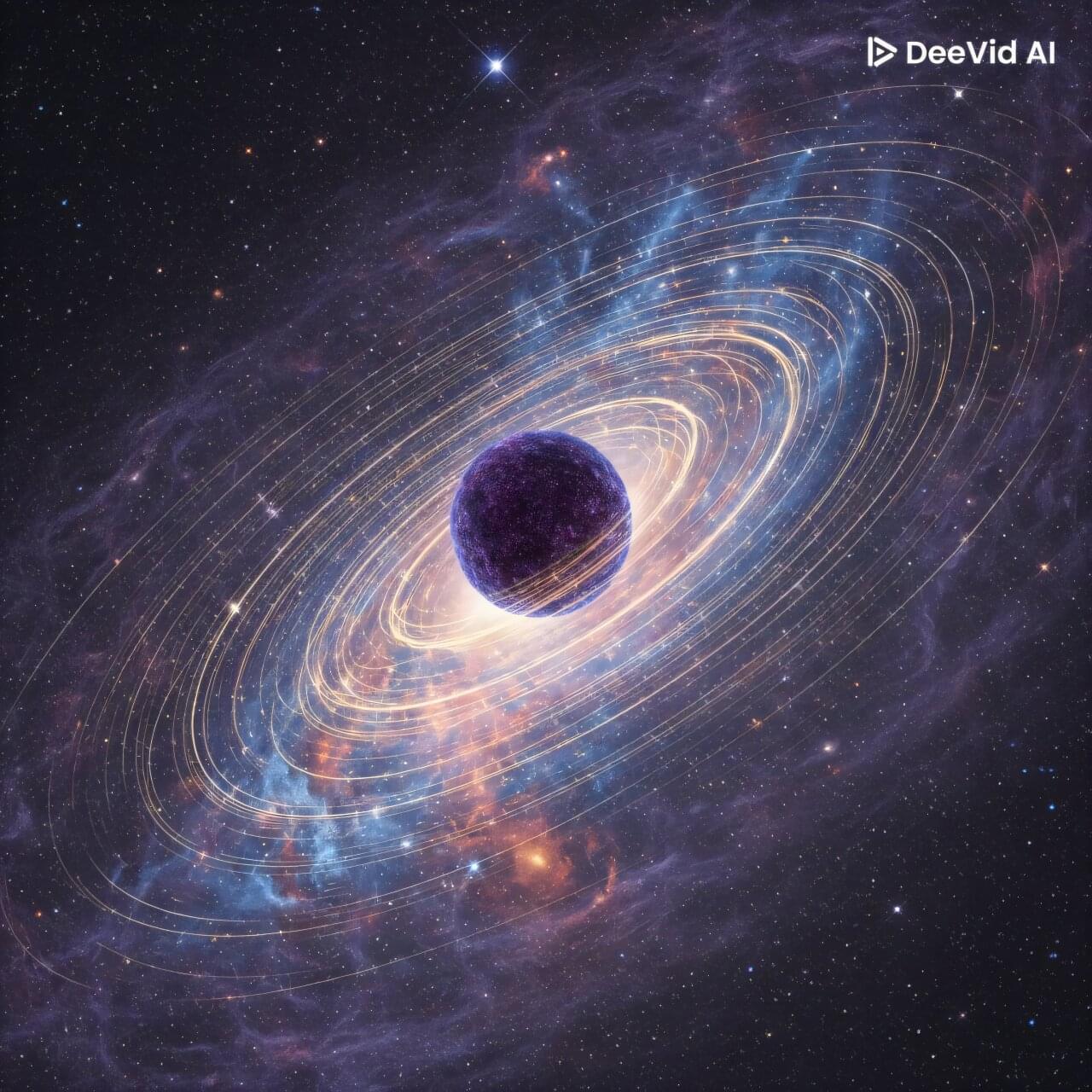
Dark matter, not a black hole, could power Milky Way’s heart

Our Milky Way galaxy may not have a supermassive black hole at its center but rather an enormous clump of mysterious dark matter exerting the same gravitational influence, astronomers say. They believe this invisible substance—which makes up most of the universe’s mass—can explain both the violent dance of stars just light-hours (often used to measure distances within our own solar system) away from the galactic center and the gentle, large-scale rotation of the entire matter in the outskirts of the Milky Way.

The new study has been published today in Monthly Notices of the Royal Astronomical Society.
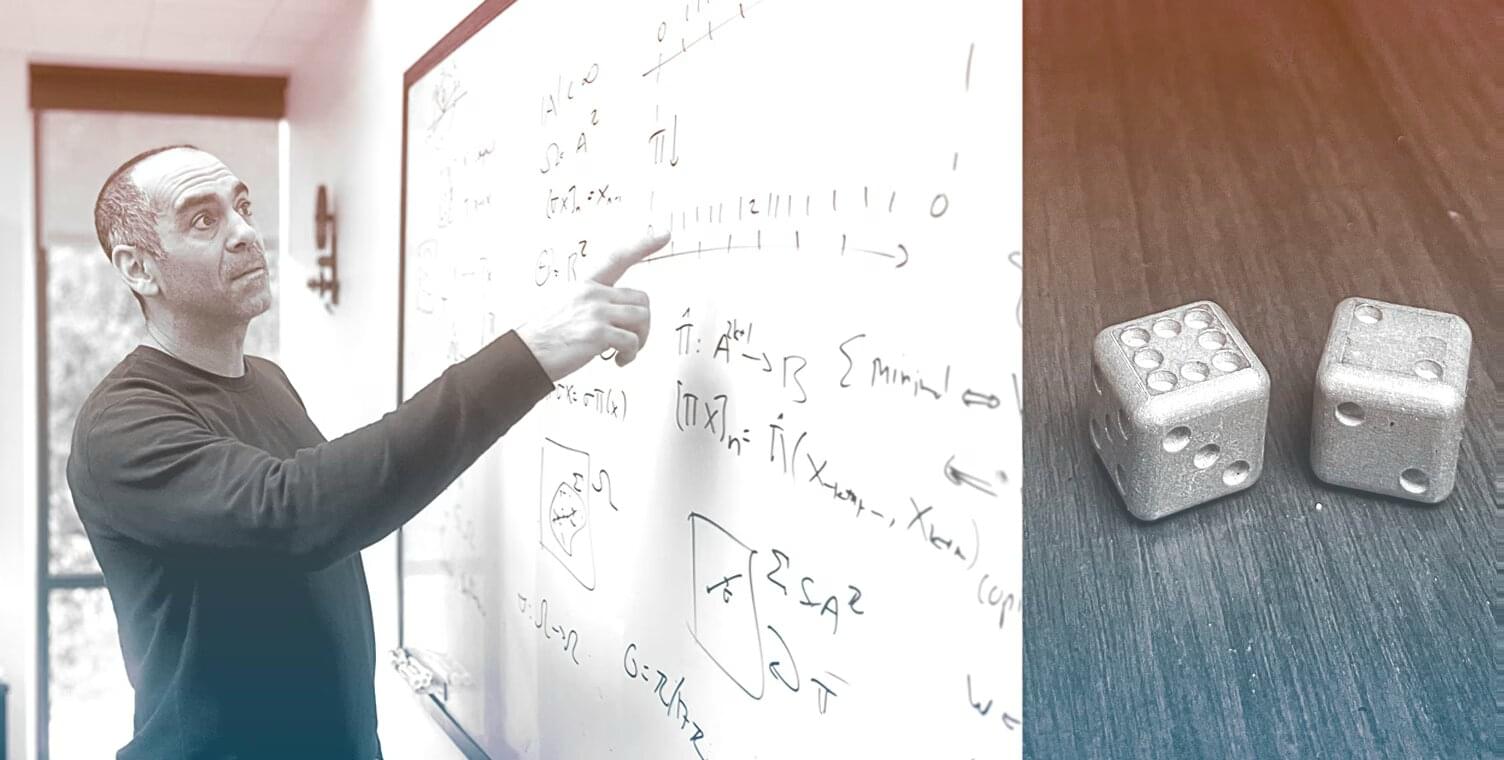
A ‘crazy’ dice proof leads to a new understanding of a fundamental law of physics

Right now, molecules in the air are moving around you in chaotic and unpredictable ways. To make sense of such systems, physicists use a law known as the Boltzmann distribution, which, rather than describe exactly where each particle is, describes the chance of finding the system in any of its possible states. This allows them to make predictions about the whole system even though the individual particle motions are random. It’s like rolling a single die: Any one roll is unpredictable, but if you keep rolling it again and again, a pattern of probabilities will emerge.

Developed in the latter half of the 19th century by Ludwig Boltzmann, an Austrian physicist and mathematician, this Boltzmann distribution is used widely today to model systems in many fields, ranging from AI to economics, where it is called “multinomial logit.”

Now, economists have taken a deeper look at this universal law and come up with a surprising result: The Boltzmann distribution, their mathematical proof shows, is the only law that accurately describes unrelated, or uncoupled, systems.

VIP-2 experiment narrows the search for exotic physics beyond the Pauli exclusion principle

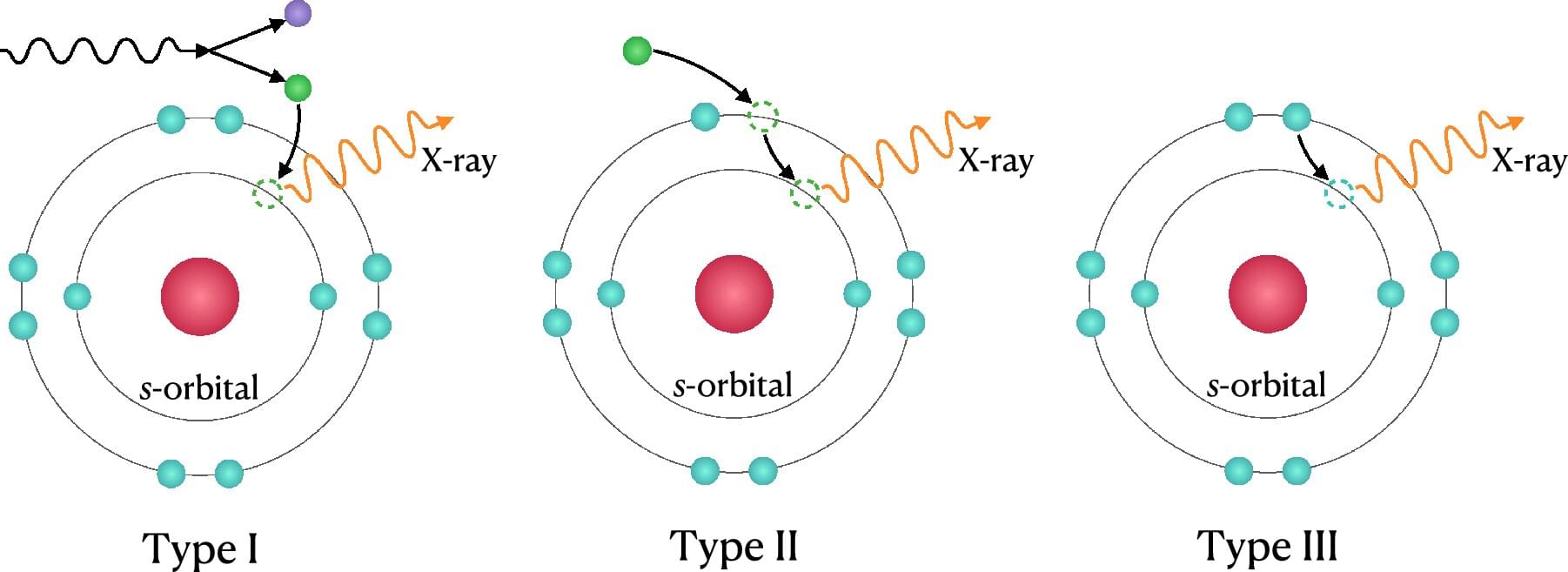
The Pauli exclusion principle is a cornerstone of the Standard Model of particle physics and is essential for the structure and stability of matter. Now an international collaboration of physicists has carried out one of the most stringent experimental tests to date of this foundational rule of quantum physics and has found no evidence of its violation. Using the VIP-2 experiment, the team has set the strongest limits so far for possible violations involving electrons in atomic systems, significantly constraining a range of speculative theories beyond the Standard Model, including those that suggest electrons have internal structure, and so-called “Quon models.” Their experiment was reported in Scientific Reports in November 2025.

Austrian-Swiss physicist Wolfgang Pauli outlined the exclusion principle in 1925. It states that two identical “fermions” (a class of particles that includes electrons) cannot occupy the same quantum state. It explains why electrons fill atomic shells, why solids have rigidity, and why dense objects such as white dwarf stars do not collapse under gravity.

However, since its inception, physicists have been searching for signs that the Pauli exclusion principle may be violated in extreme conditions. “If the Pauli exclusion principle were violated, even at an extremely small level, the consequences would cascade from atomic physics all the way to astrophysics,” says FQxI member and physicist Catalina Curceanu of the Italian National Institute for Nuclear Physics (INFN), in Frascati, who is the spokesperson of the VIP-2 collaboration.

Tuning topological superconductors into existence by adjusting the ratio of two elements

Today’s most powerful computers hit a wall when tackling certain problems, from designing new drugs to cracking encryption codes. Error-free quantum computers promise to overcome those challenges, but building them requires materials with exotic properties of topological superconductors that are incredibly difficult to produce. Now, researchers at the University of Chicago Pritzker School of Molecular Engineering (UChicago PME) and West Virginia University have found a way to tune these materials into existence by simply tweaking a chemical recipe, resulting in a change in many-electron interactions.

The team adjusted the ratio of two elements— tellurium and selenium —that are grown in ultra-thin films. By doing so, they found they could switch the material between different quantum phases, including a highly desirable state called a topological superconductor.

The findings, published in Nature Communications, reveal that as the ratio of tellurium and selenium changes, so too do the correlations between different electrons in the material—how strongly each electron is influenced by those around it. This can serve as a sensitive control knob for engineering exotic quantum phases.

When lasers cross: A brighter way to measure plasma

Measuring conditions in volatile clouds of superheated gases known as plasmas is central to pursuing greater scientific understanding of how stars, nuclear detonations and fusion energy work. For decades, scientists have relied on a technique called Thomson scattering, which uses a single laser beam to scatter from plasma waves as a way to measure critical information such as plasma temperature, density and flow.

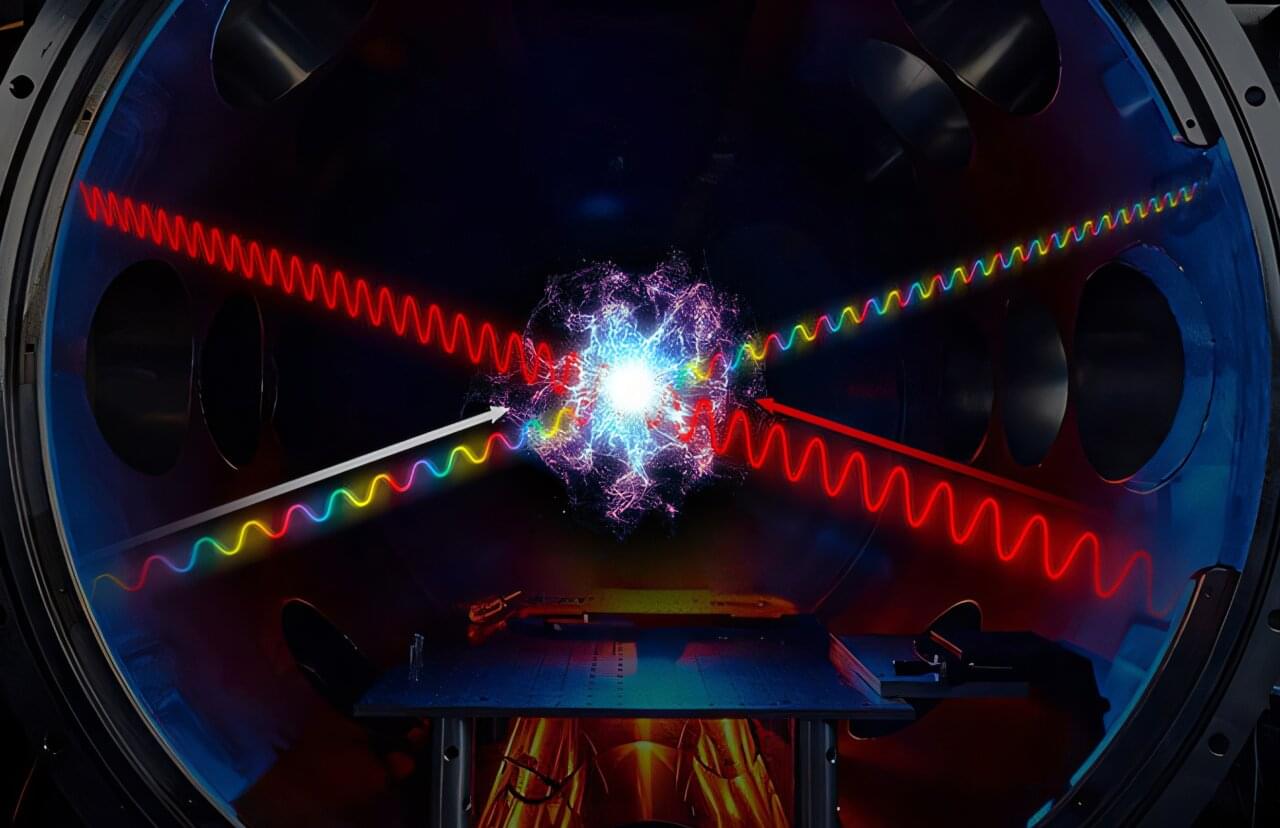
Now, however, a multidisciplinary team of Lawrence Livermore National Laboratory (LLNL) researchers has successfully demonstrated a potentially simpler, more accurate way to measure plasma conditions with two laser beams that cross paths, creating a data signal that is about a billion times stronger than what is available from the Thomson scattering method.

This method could give physicists working on complex high energy density science and inertial confinement fusion (ICF) research at facilities like LLNL’s National Ignition Facility (NIF) an innovative new tool.

Detection system uses gravitational waves to map merging black holes

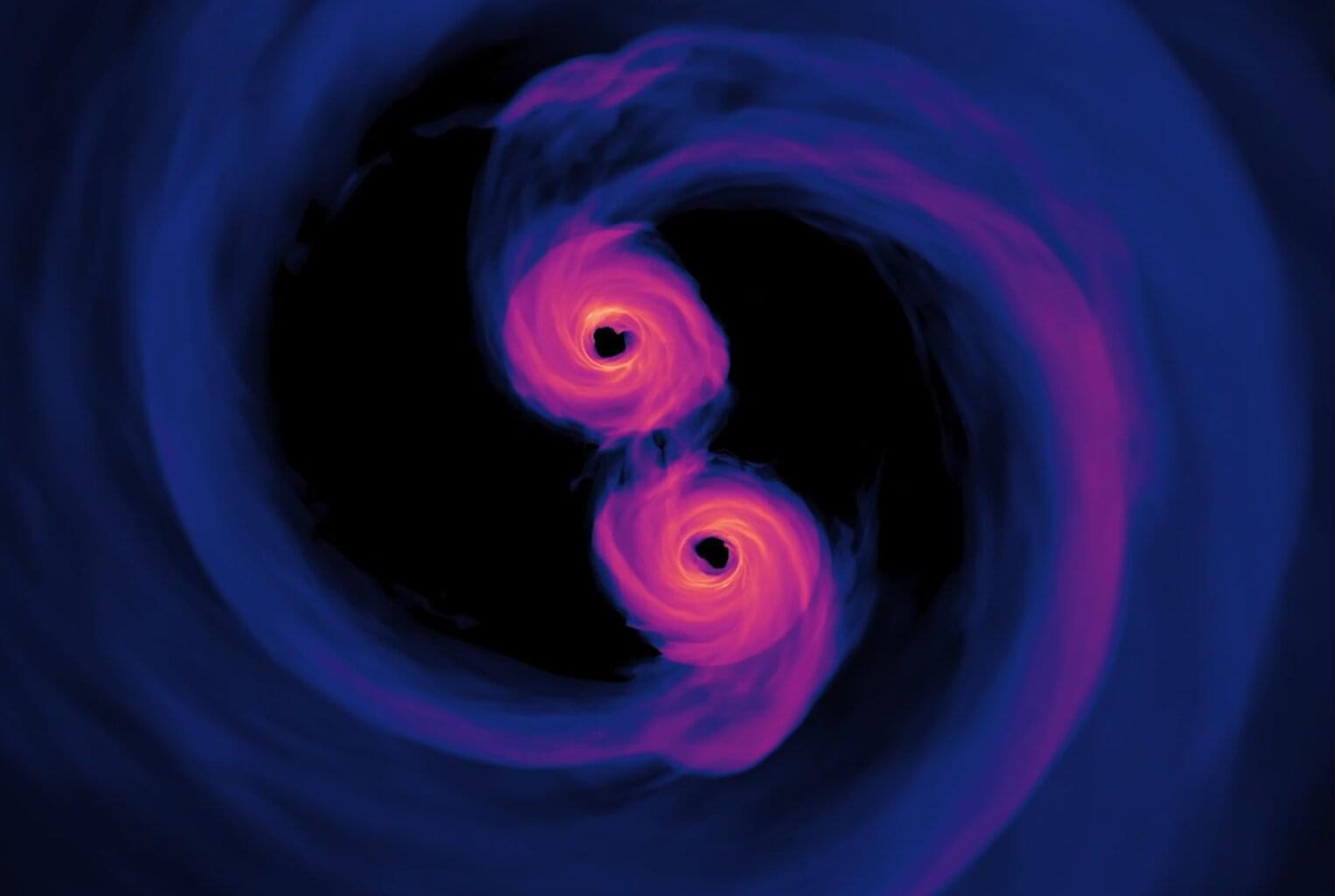
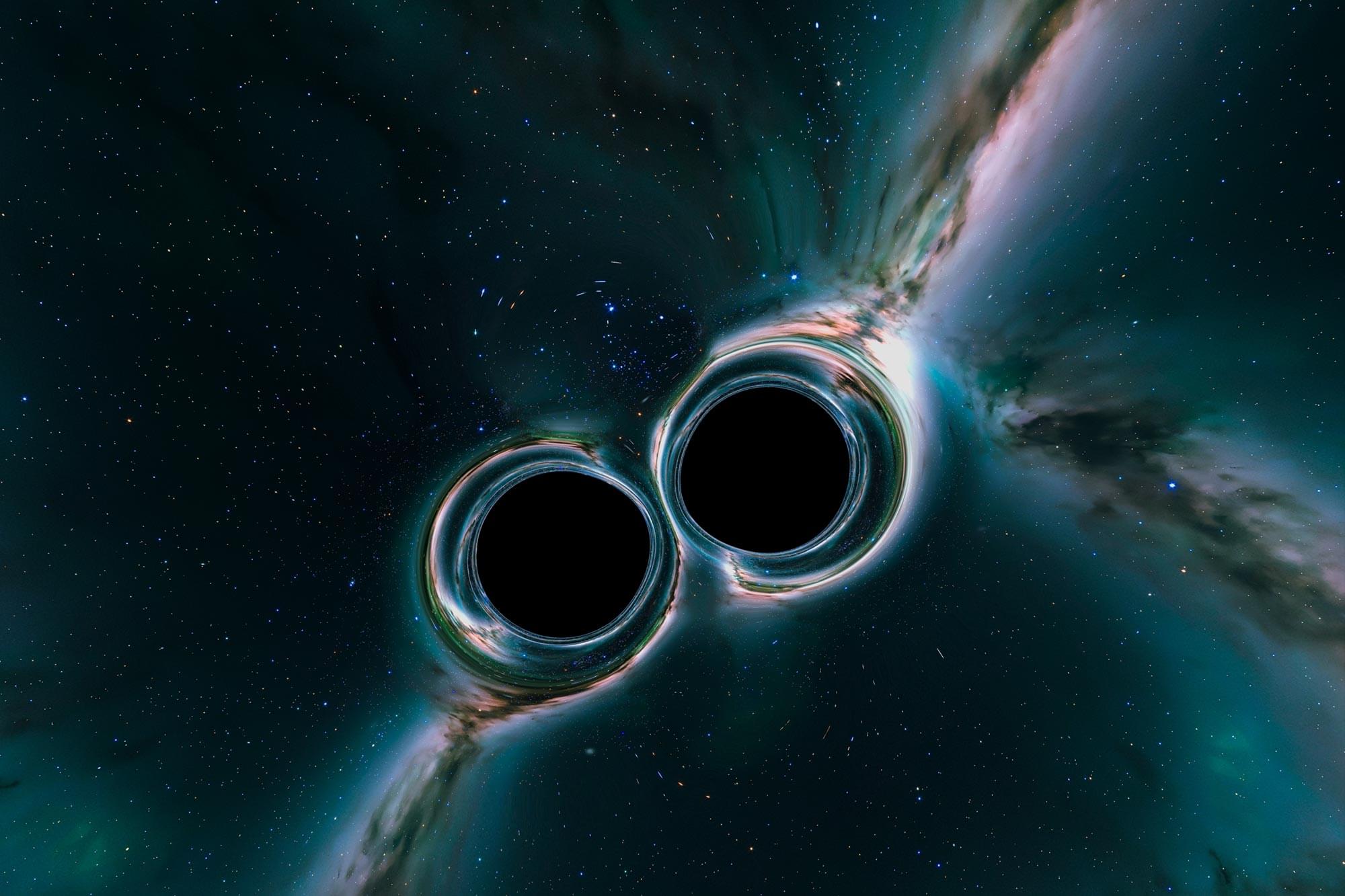
An international collaboration of astrophysicists that includes researchers from Yale has created and tested a detection system that uses gravitational waves to map out the locations of merging black holes—known as supermassive black hole binaries—around the universe. Such a map would provide a vital new way to explore and understand astronomy and physics, just as X-rays and radio waves did in earlier eras, the researchers say. The new protocol demonstrated by the North American Nanohertz Observatory for Gravitational Waves (NANOGrav) offers a detection protocol to populate the map.

“Our finding provides the scientific community with the first concrete benchmarks for developing and testing detection protocols for individual, continuous gravitational wave sources,” said Chiara Mingarelli, assistant professor of physics in Yale’s Faculty of Arts and Sciences (FAS), member of NANOGrav, and corresponding author of a new study published in The Astrophysical Journal Letters.

According to the researchers, even a small number of confirmed black hole binaries will enable them to anchor a map of the gravitational wave background. In the months ahead, NANOGrav will continue identifying and locating binaries.

/* */