Toggle light / dark theme

Get the latest international news and world events from around the world.

Log in for authorized contributors

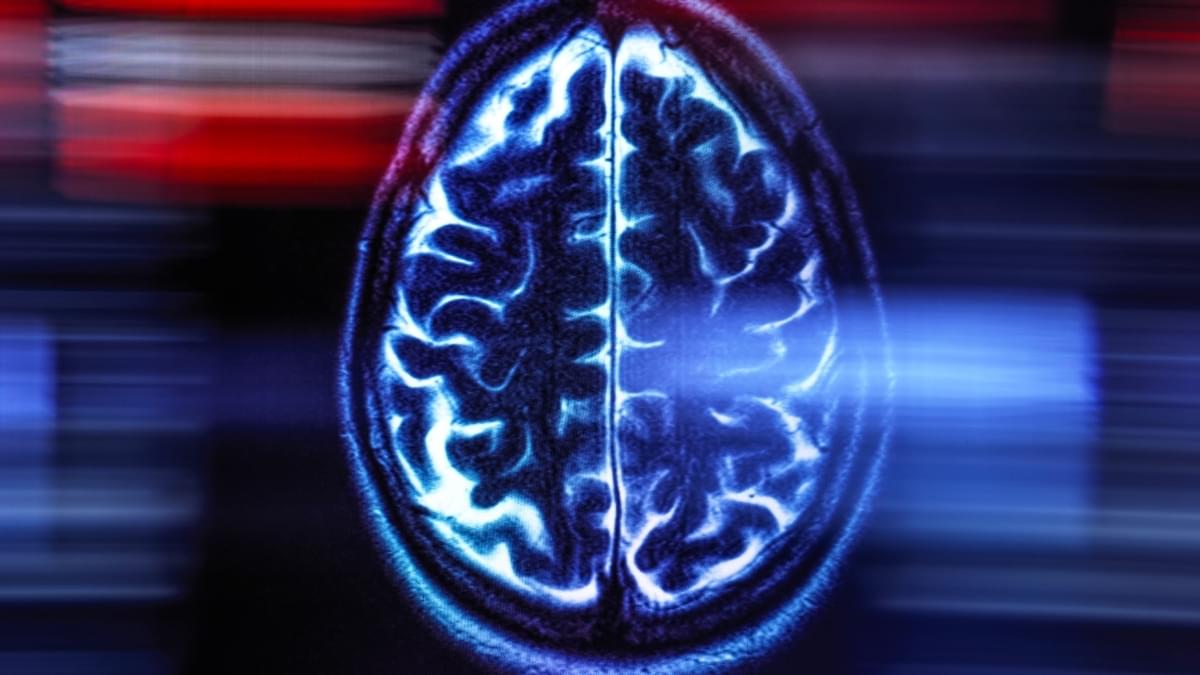
Astonishing new study suggests Alzheimers can be fully reversed

The devastating illness deteriorates your brain’s ability to think, remember things and can even alter your behaviour.

While some studies have discovered that engaging in a pretty gross habit or reaching a daily step count can reduce the risk of developing Alzheimer’s disease (AD), for over a century, scientists have considered it an irreversible illness. This is why research has focused on preventing or slowing its progression, rather than recovery.

However, a new study challenges this long-held belief by testing whether brains already severely afflicted with advanced AD could recover.
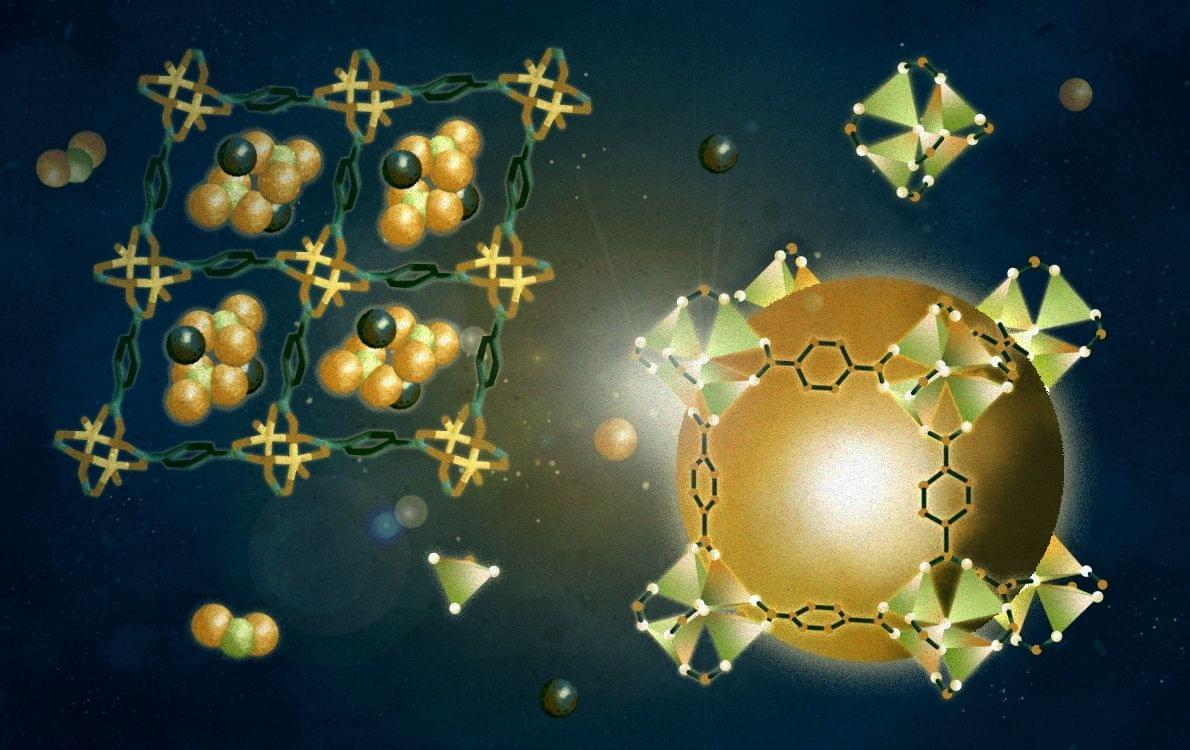
From Nano to Nobel: National Lab Researchers Use MOFs to Solve Big Problems

Building on the foundational Nobel Prize-winning work, researchers at Berkeley Lab and its DOE user facilities continue to push MOF technology to address major global challenges.

For example, at the ALS, a team led by Yaghi traced how MOFs absorb water and engineered new versions to harvest water from the air more efficiently – an important step in designing MOFs that could help ease water shortages in the future. Yaghi is launching this technology through the company Waha, Inc, and working with scientists from the Energy Technologies Area to apply water-absorbing MOFs for in-building technologies and industrial applications.

Another team, led by joint Berkeley Lab and UC Berkeley scientist Jeffrey Long, used the ALS to study how flexible MOFs hold natural gas, with potential to boost the driving range of an adsorbed-natural-gas car – an alternative to today’s vehicles. An international team of scientists used the ALS to study the performance of a MOF that traps toxic sulfur dioxide gas at record concentrations; sulfur dioxide is typically emitted by industrial facilities, power plants, and trains and ships, and is harmful to human health and the environment. Others have used the facility to design luminous MOFs, or LMOFs, glowing crystals that can capture mercury and lead to clean contaminated drinking water.

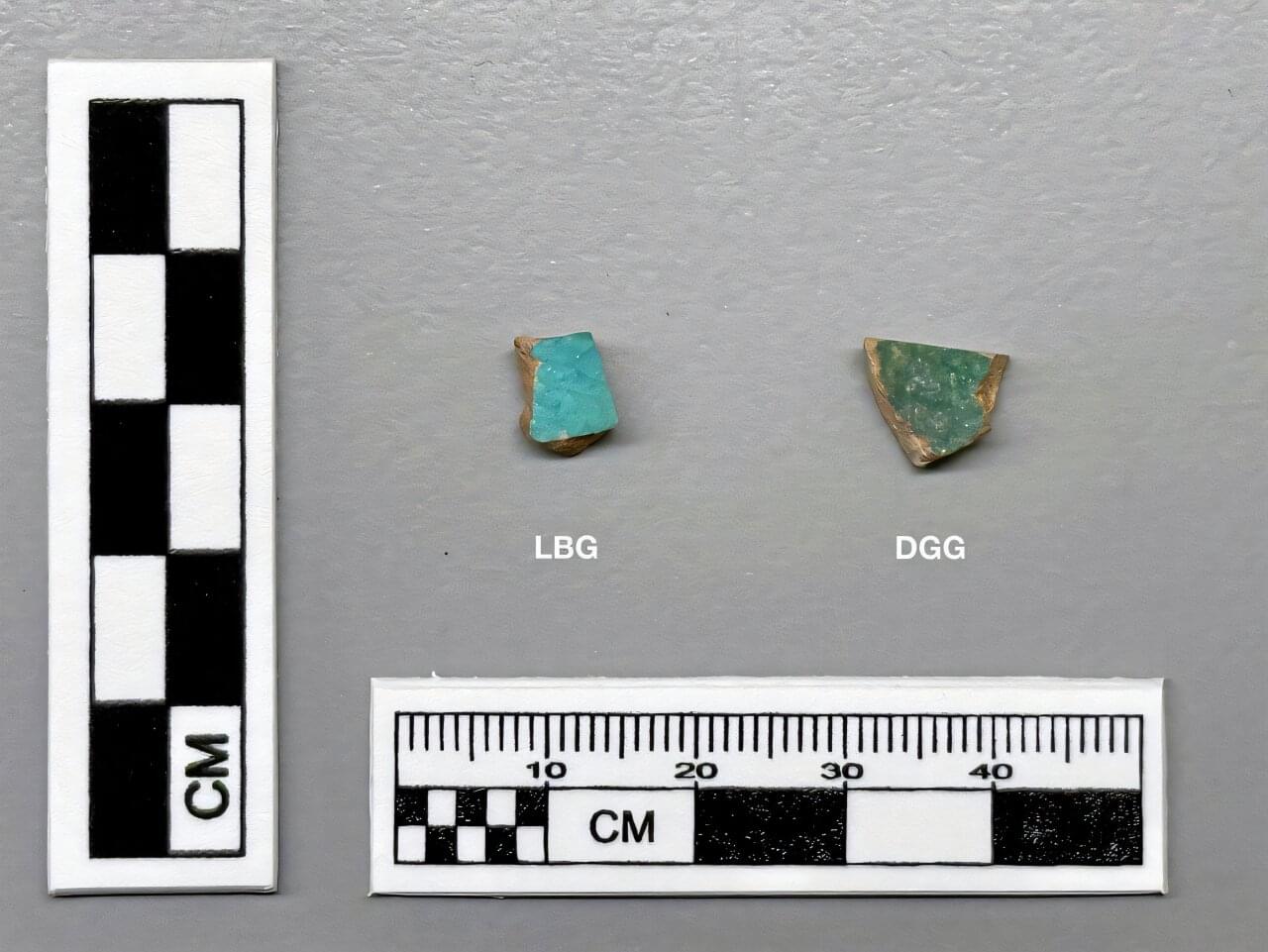
Glazed sherds in remote Gobi Desert reveal ancient Persian trade connections

In a study published in the Journal of Archaeological Science: Reports, Dr. Ellery Frahm and his colleagues analyzed two unusual blue-green glazed ceramic sherds discovered in the Gobi Desert in 2016.

Their analysis reveals that the two sherds, originating in small seasonal herding camps, were high-value goods traded from the Persian empire, likely during the Early Islamic period, providing important insight into the far-flung connections and trade networks these nomadic communities were a part of.

There’s One Critical Thing You Can Do to Cut Your Risk of Dementia

Inside the body, a 24-hour rhythm, known as the circadian rhythm, quietly coordinates when we sleep, wake, eat, and recover. This internal timing system helps keep organs and hormones working in sync.

When it becomes disrupted, the effects may extend well beyond poor sleep, with growing evidence suggesting consequences for long-term brain health.

A large 2025 study of more than 2,000 people with an average age of 79 found that those with a strong circadian rhythm had an almost halved risk of developing dementia. Circadian rhythms regulate daily processes, including sleep timing, hormone release, heart rate, and body temperature.

Japanese scientists just built human brain circuits in the lab

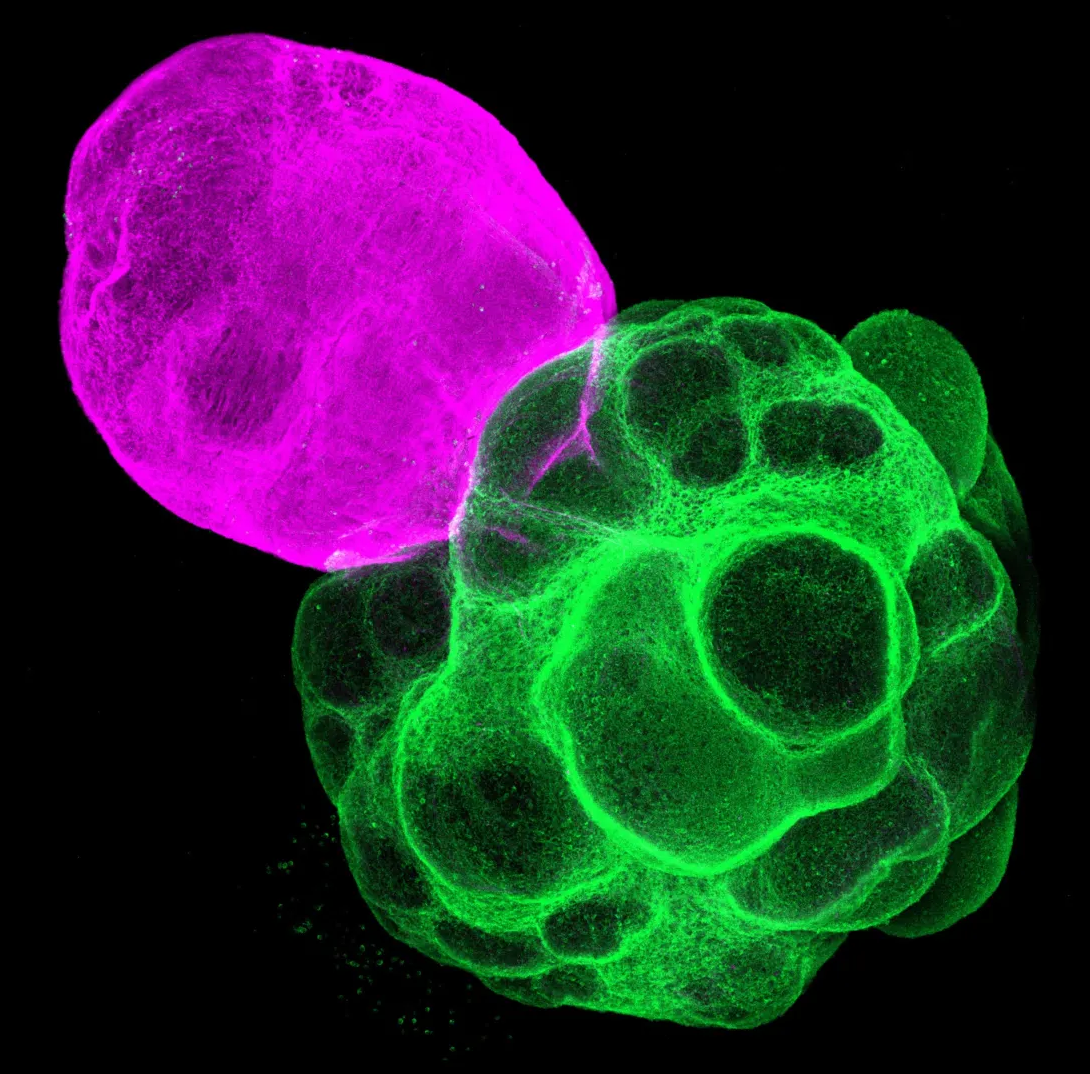
To assess how this interaction affected development, the team compared gene expression in the cortical region of the assembloid with that of a standalone cortical organoid. The cortical tissue connected to the thalamus showed signs of greater maturity, indicating that thalamus cortex communication promotes cortical growth and development.

Thalamic Signals Drive Neural Synchrony

The scientists also examined how signals traveled through the assembloid. They found that neural activity spread from the thalamus into the cortex in wave like patterns, creating synchronized activity across cortical networks.

NASA Rover Detects Electric Sparks in Mars Dust Devils, Storms

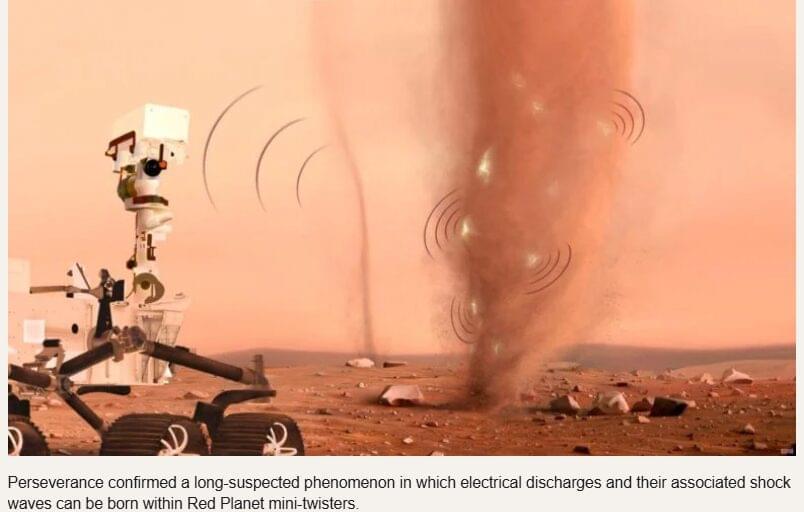
Perseverance confirmed a long-suspected phenomenon in which electrical discharges and their associated shock waves can be born within Red Planet mini-twisters.

NASA’s Perseverance Mars rover has recorded the sounds of electrical discharges —sparks — and mini-sonic booms in dust devils on Mars. Long theorized, the phenomenon has now been confirmed through audio and electromagnetic recordings captured by the rover’s SuperCam microphone. The discovery, published Nov. 26 in the journal Nature, has implications for Martian atmospheric chemistry, climate, and habitability, and could help inform the design of future robotic and human missions to Mars.

A frequent occurrence on the Red Planet, dust devils form from rising and rotating columns of warm air. Air near the planet’s surface becomes heated by contact with the warmer ground and rises through the denser, cooler air above. As other air moves along the surface to take the place of the rising warmer air, it begins to rotate. When the incoming air rises into the column, it picks up speed like spinning ice skaters bringing their arms closer to their body. The air rushing in also picks up dust, and a dust devil is born.

This Digital Brain Could Enable “Forbidden” Human Experiments

Further Reading.

This ‘digital brain’ could soon simulate ethically forbidden experiments.
https://ebrains.eu/news-and-events/2025/ten-years-of-pd14-mi…i-research.

A foundation model to predict and capture human cognition.
https://www.nature.com/articles/s41586-025-09215-4

First totally synthetic human brain model has been realized.
https://newatlas.com/medical/synthetic-human-brain-models/

#science #news #explained #research #sciencenews #biotech #robots #ai #artificialintelligence #organoid

DNA Gene’s Basic Structure as a Nonperturbative Circuit Quantum Electrodynamics: Is RNA Polymerase II the Quantum Bus of Transcription?

Previously, we described that Adenine, Thymine, Cytosine, and Guanine nucleobases were superconductors in a quantum superposition of phases on each side of the central hydrogen bond acting as a Josephson Junction. Genomic DNA has two strands wrapped helically around one another, but during transcription, they are separated by the RNA polymerase II to form a molecular condensate called the transcription bubble. Successive steps involve the bubble translocation along the gene body. This work aims to modulate DNA as a combination of n-nonperturbative circuits quantum electrodynamics with nine Radio-Frequency Superconducting Quantum Interference Devices (SQUIDs) inside. A bus can be coupled capacitively to a single-mode microwave resonator. The cavity mode and the bus can mediate long-range, fast interaction between neighboring and distant DNA SQUID qubits.

/* */