Toggle light / dark theme

Get the latest international news and world events from around the world.

Log in for authorized contributors

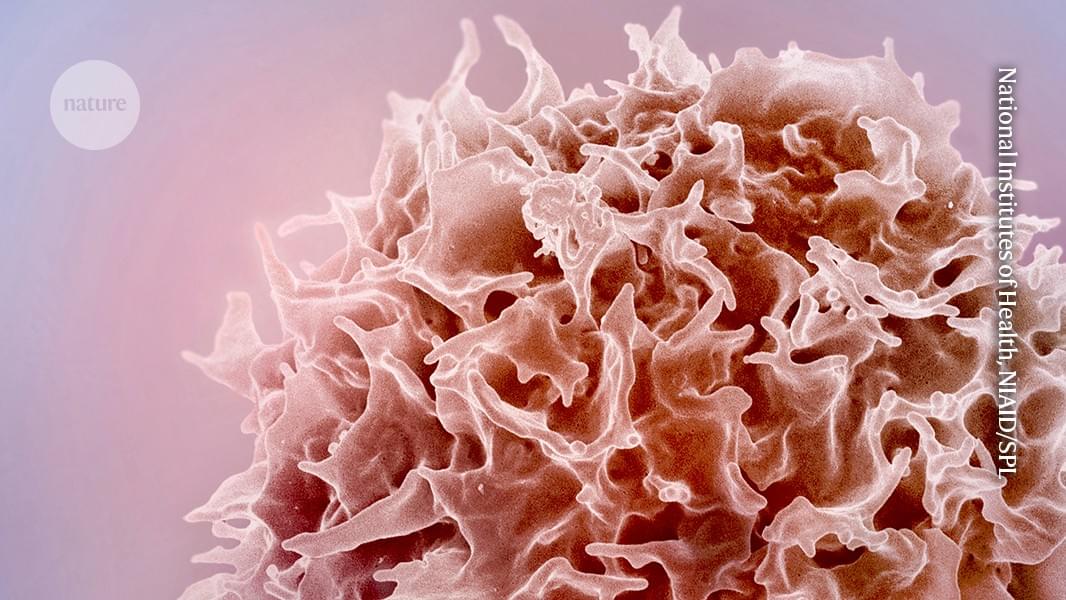
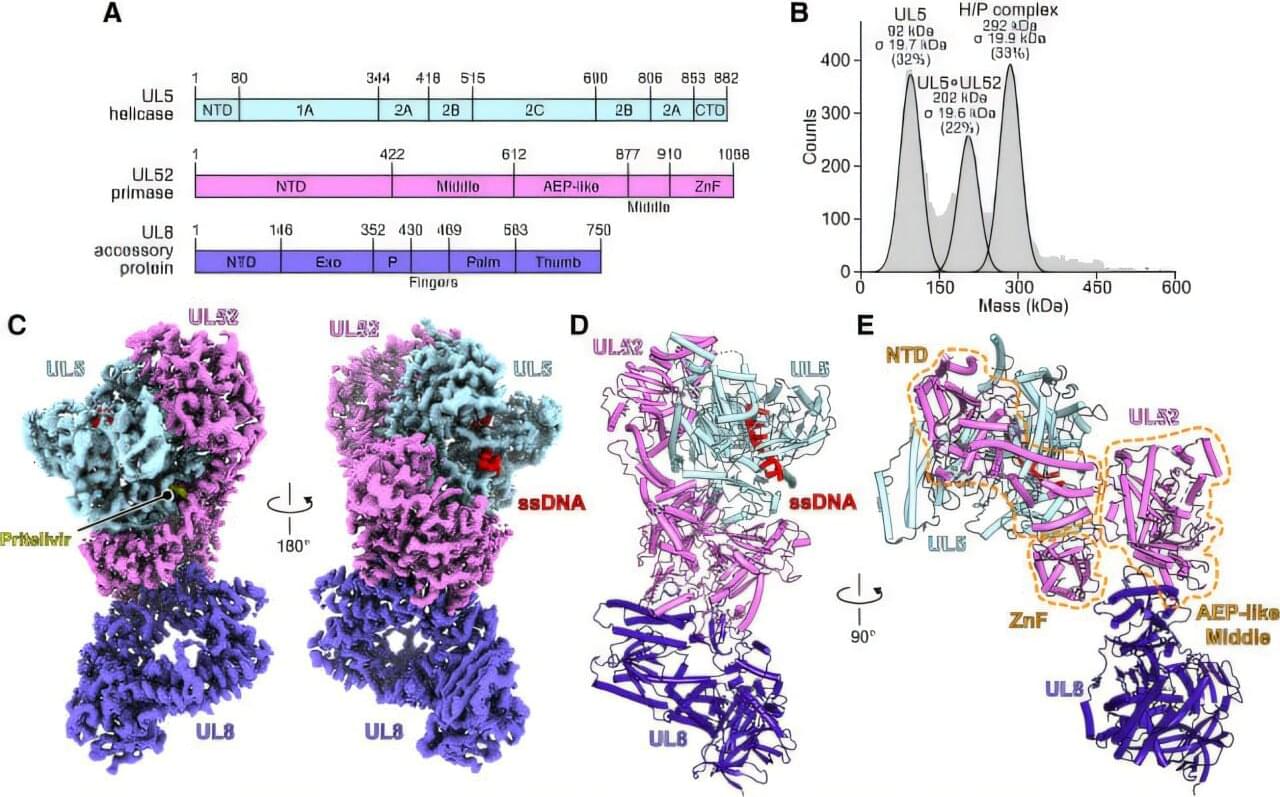
New antivirals are being tested for herpesviruses, and scientists now know how they work

Harvard Medical School researchers have uncovered crucial insights into how an emerging class of antiviral drugs works.

The discovery sheds light on an important tool for fighting drug-resistant strains of herpes simplex virus, or HSV, and points to new pathways for treating herpesviruses and other kinds of DNA viruses (those that have DNA as their genetic material and can replicate inside host cells).

The study is published in Cell.

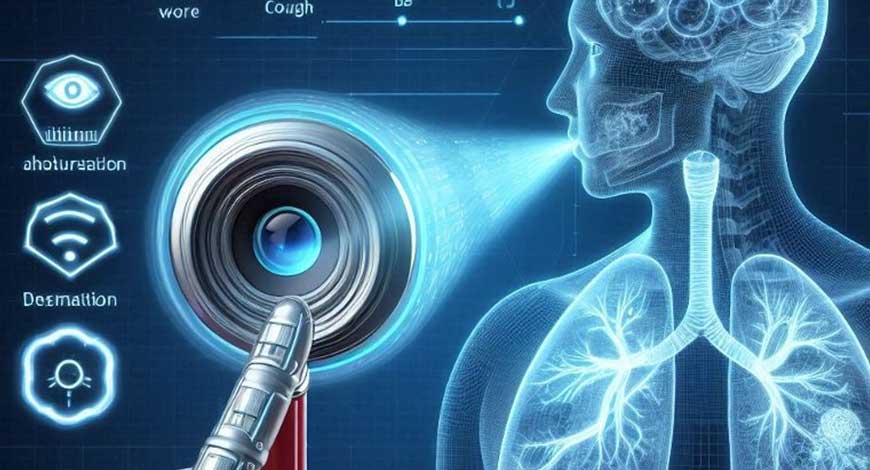
Innovation. An AI tool that analyzes cough sounds to detect respiratory diseases

The platform can also hint at the type of respiratory issue involved, classifying cases as normal, obstructive, restrictive, or mixed. Obstructive patterns commonly appear in asthma and chronic obstructive pulmonary disease (COPD), while restrictive patterns are often linked to conditions such as pulmonary fibrosis.

The technology draws on the idea that cough sounds carry meaningful diagnostic clues. The researchers used a platform to classify the cases as ‘risk yes’ or ‘risk no’. When compared with physicians’ assessments, the model achieved a sensitivity of 97.27%. There was also strong agreement between the patterns identified by pulmonologists and the findings generated by the new tool.

Advances in AI have renewed interest in cough sound analysis as an accessible pre-screening method. Machine-learning models trained on large datasets can detect patterns associated with tuberculosis, Covid-19, asthma, and COPD, and can be built into portable devices or mobile apps for use in community settings.

A protein that makes hydrogen sulfide shows potential as a therapeutic target for Alzheimer’s disease

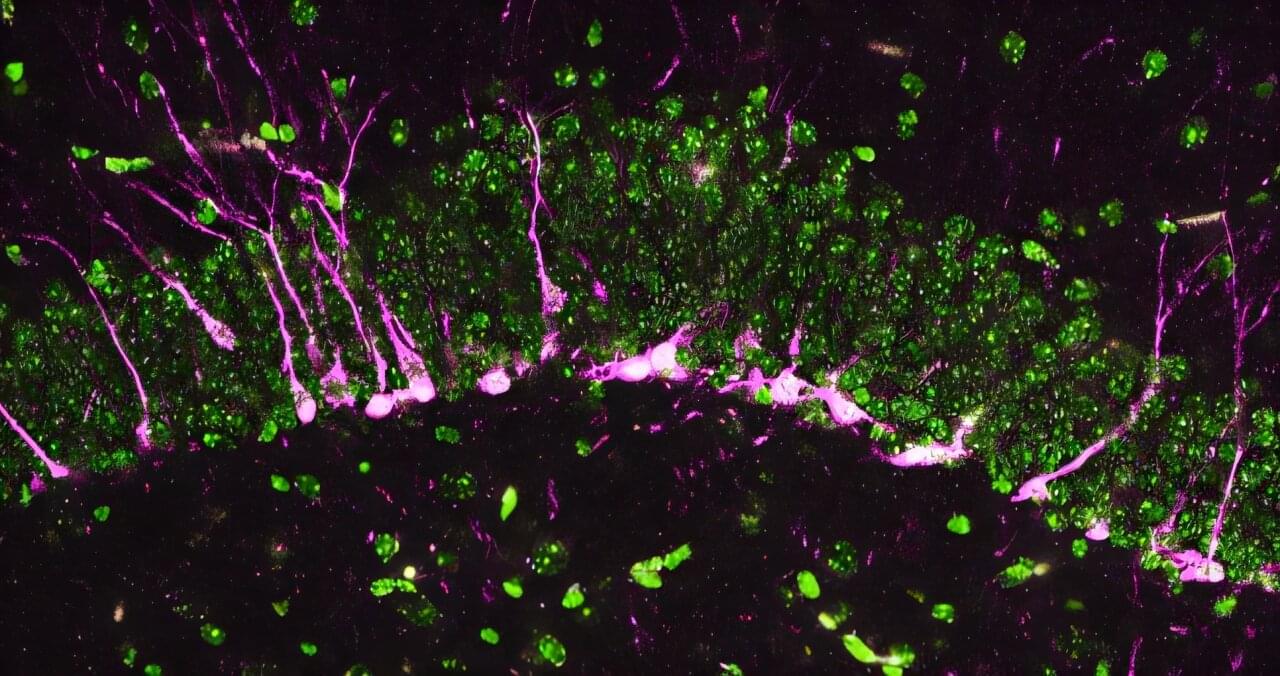
Scientists at Johns Hopkins Medicine say results of a new study are advancing efforts to exploit a new target for Alzheimer’s disease: a protein that manufactures an important gas in the brain.

Experiments conducted in genetically engineered mice reinforce that the protein, Cystathionine γ-lyase, or CSE—ordinarily known for producing hydrogen sulfide gas responsible for the foul smell of rotten eggs—is critical for memory formation, says Bindu Paul, M.S., Ph.D., associate professor of pharmacology, psychiatry and neuroscience at the Johns Hopkins University School of Medicine, who led the study.

The new research, published in Proceedings of the National Academy of Sciences, was designed to better understand the basic biology of the protein, and its value as a novel target for drugs that boost the expression of CSE in people to help keep brain cells healthy and slow neurodegenerative disease.

Glacier loss to accelerate, with up to 4,000 disappearing each year by 2050s

Thousands of glaciers will vanish each year in the coming decades, leaving only a fraction standing by the end of the century unless global warming is curbed, a study showed on Monday.

Government action on climate change could determine whether the world loses 2,000 or 4,000 glaciers annually by the middle of the century, according to the research.

A few degrees could be the difference between preserving almost half of the world’s glaciers in 2100—or fewer than 10%.

New AI-based technology offers real-time electric vehicle state estimation for safer driving

A research team led by Professor Kanghyun Nam from the Department of Robotics and Mechanical Engineering at DGIST has developed a physical AI-based vehicle state estimation technology that accurately estimates the driving state of electric vehicles in real time.

This technology is viewed as a key advancement that can improve the core control performance of electric vehicles and greatly enhance the safety of autonomous vehicles. The work was conducted through international joint research with Shanghai Jiao Tong University in China and the University of Tokyo in Japan.

The work is published in the journal IEEE Transactions on Industrial Electronics.

New ultrathin ferroelectric capacitors show promise for compact memory devices

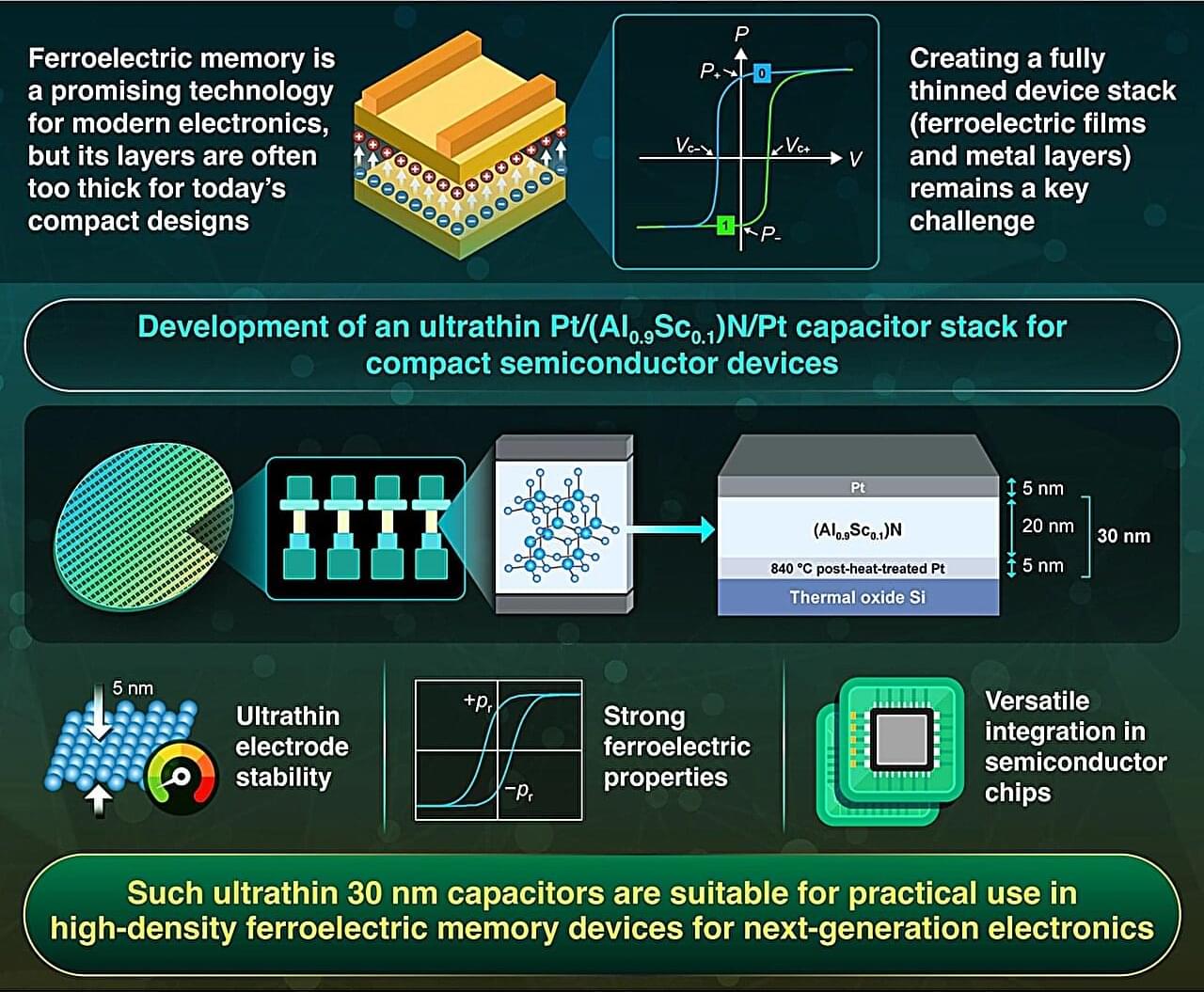
An ultrathin ferroelectric capacitor, designed by researchers from Japan, demonstrates strong electric polarization despite being just 30 nm thick including top and bottom electrodes—making it suitable for high-density electronics. Using a scandium-doped aluminum nitride film as the ferroelectric layer, the team achieved high remanent polarization even at reduced thicknesses. This breakthrough demonstrates good compatibility with semiconductor devices combining logic circuits and memory, paving the way for compact and efficient on-chip memory for future technologies.

Modern electronic technology is rapidly advancing towards miniaturization, creating devices that are increasingly compact yet high-performing. As the devices continue to shrink in size, there is an increasing demand for ultra-small memory materials that can efficiently store data, even in smaller dimensions. Ferroelectric memory devices are promising options for future mobile and compact electronics, as they store information using switchable electric polarization, allowing data retention even without power. However, very few initiatives have reported progress in downscaling of these ferroelectric devices.

Bridging this gap, a research team led by Professor Hiroshi Funakubo from the School of Materials and Chemical Technology, Institute of Science Tokyo (Science Tokyo), Japan, in collaboration with Canon ANELVA Corporation (Canon ANELVA), successfully downscaled a total ferroelectric memory capacitor stack using scandium-substituted aluminum nitride ((Al, Sc)N) thin films with platinum electrodes, reducing the total thickness to just 30 nm including top and bottom electrodes.
/* */