Toggle light / dark theme

Get the latest international news and world events from around the world.

Log in for authorized contributors

Hidden Alien Empires: Shadow Civilizations & Exostellar Realms

What if alien civilizations exist—but chose to hide? Exploring shadow empires, cosmic silence, and the limits of secrecy in space.

Get Nebula using my link for 50% off an annual subscription: https://go.nebula.tv/isaacarthur.
Check out Mad Kings: https://nebula.tv/madkings?ref=isaaca… Watch my exclusive video Chronoengineering: https://nebula.tv/videos/isaacarthur–… Join this channel to get access to perks: / @isaacarthursfia 🛒 SFIA Merchandise: https://isaac-arthur-shop.fourthwall… 🌐 Visit our Website: http://www.isaacarthur.net ❤️ Support us on Patreon: / isaacarthur ⭐ Support us on Subscribestar: https://www.subscribestar.com/isaac-a… 👥 Facebook Group: / 1,583,992,725,237,264 📣 Reddit Community: / isaacarthur 🐦 Follow on Twitter / X: / isaac_a_arthur 💬 SFIA Discord Server: / discord Credits: Hidden Alien Empires: Shadow Civilizations & Exostellar Realms Written, Produced & Narrated by: Isaac Arthur Select imagery/video supplied by Getty Images Music by Epidemic Sound: http://nebula.tv/epidemic & Stellardrone Chapters 0:00 Intro 1:39 Ghosts in the Galactic Night 6:53 The Long Defeat of Secrecy 12:16 The Fragility of Eternal Silence 19:17 Mad Kings 20:08 Shadows Between the Stars.
Watch my exclusive video Chronoengineering: https://nebula.tv/videos/isaacarthur–

🚀 Join this channel to get access to perks: / @isaacarthursfia.
🛒 SFIA Merchandise: https://isaac-arthur-shop.fourthwall
🌐 Visit our Website: http://www.isaacarthur.net.

❤️ Support us on Patreon: / isaacarthur.
⭐ Support us on Subscribestar: https://www.subscribestar.com/isaac-a

👥 Facebook Group: / 1583992725237264
📣 Reddit Community: / isaacarthur.
🐦 Follow on Twitter / X: / isaac_a_arthur.
💬 SFIA Discord Server: / discord.

Credits:
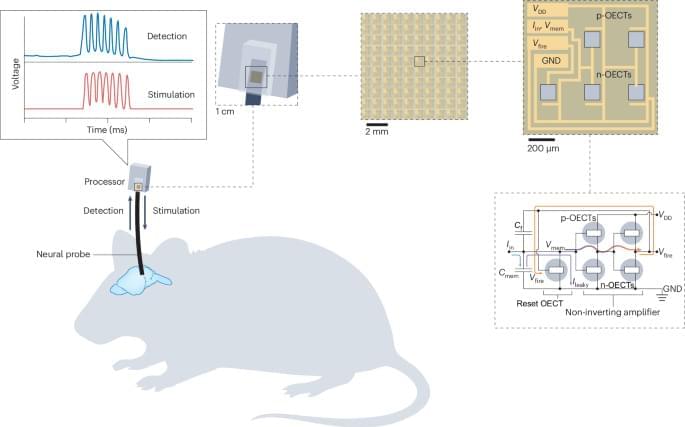
Soft organic electrochemical neurons operating at biological speed

Organic electrochemical neurons respond to brain signals in real time, firing at biologically relevant speeds. Their flexibility and low power use could enable soft, implantable systems for closed-loop neuromodulation and future brain–computer interfaces.

You have full access to this article via your institution.

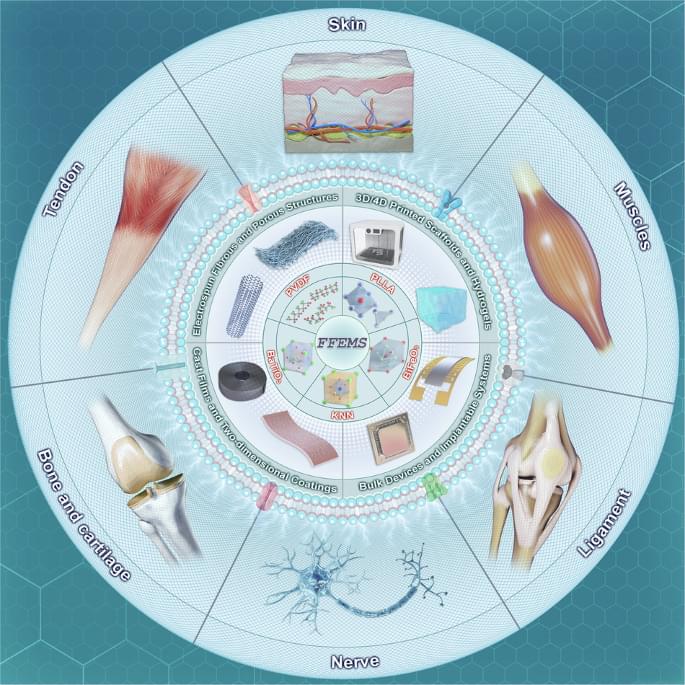
Flexible ferroelectric biomaterials for skin, neural, and musculoskeletal tissue repair

npj Flexible Electronics, Article number: (2026) Cite this article

We are providing an unedited version of this manuscript to give early access to its findings. Before final publication, the manuscript will undergo further editing. Please note there may be errors present which affect the content, and all legal disclaimers apply.

The aggressive use of antibiotics could fuel mood disorders and anxiety

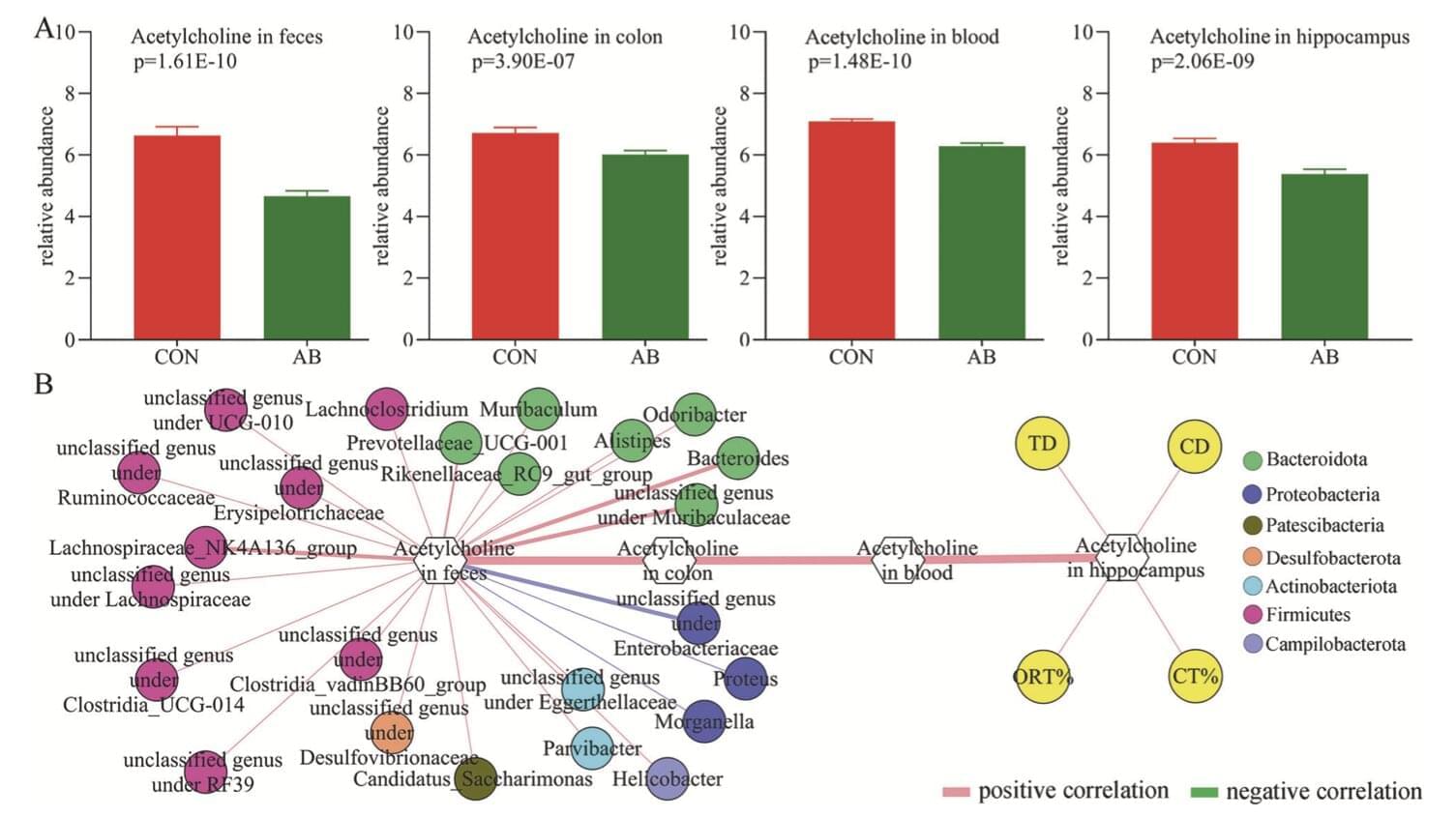
Antibiotics (ABs) are among the most used pharmaceutical drugs worldwide, as they are currently the most effective medicines for the treatment of bacterial infections. An excessive use of these drugs, however, can damage the gut microbiota, the population of microorganisms living in the intestines that help us to digest food.

Bacteria and other microorganisms in the gut are known to also communicate with the brain via a communication pathway that is referred to as the gut-brain axis. Recent research suggests that some gut bacteria help to reduce inflammation and support the healthy functioning of the brain.

Researchers at the First Affiliated Hospital of Chongqing Medical University have carried out a study exploring the possibility that the effects of ABs on gut bacteria could also facilitate the development of mental health disorders, particularly increasing anxiety. Their findings, published in Molecular Psychiatry, suggest that ABs do in fact damage gut bacteria that help regulate mood, linking their excessive use with higher levels of anxiety.

Tougher solid electrolyte advances long-sought lithium metal batteries

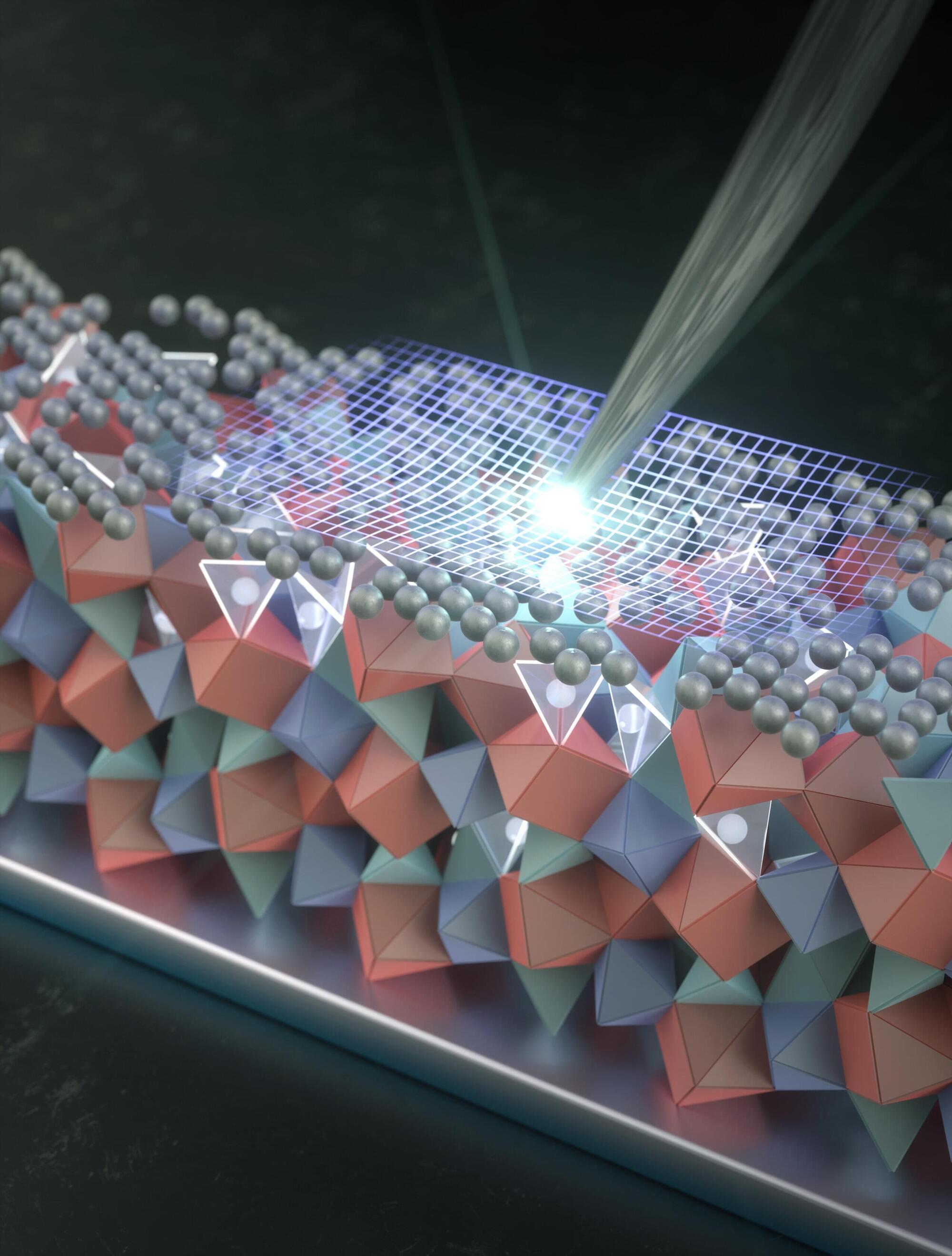
A solid—rather than liquid—electrolyte between the opposite electrodes of a battery should, in theory, enable a rechargeable lithium metal battery that is safer, packs much more energy, and charges considerably faster than the lithium-ion batteries commercially available today.

For decades, scientists and engineers have explored several paths to realize the great promise of lithium-metal batteries. A major problem with the solid, crystalline electrolytes under study has been the formation of microscopic cracks that grow during use until the battery fails.

Stanford researchers, building on findings they published in 2023 that identified how these tiny fractures, dents, and other imperfections form and expand, have discovered that annealing an extremely thin silver coating on the solid electrolyte’s surface seems to largely solve the problem.

Soft robotic hand ‘sees’ around corners to achieve human-like touch

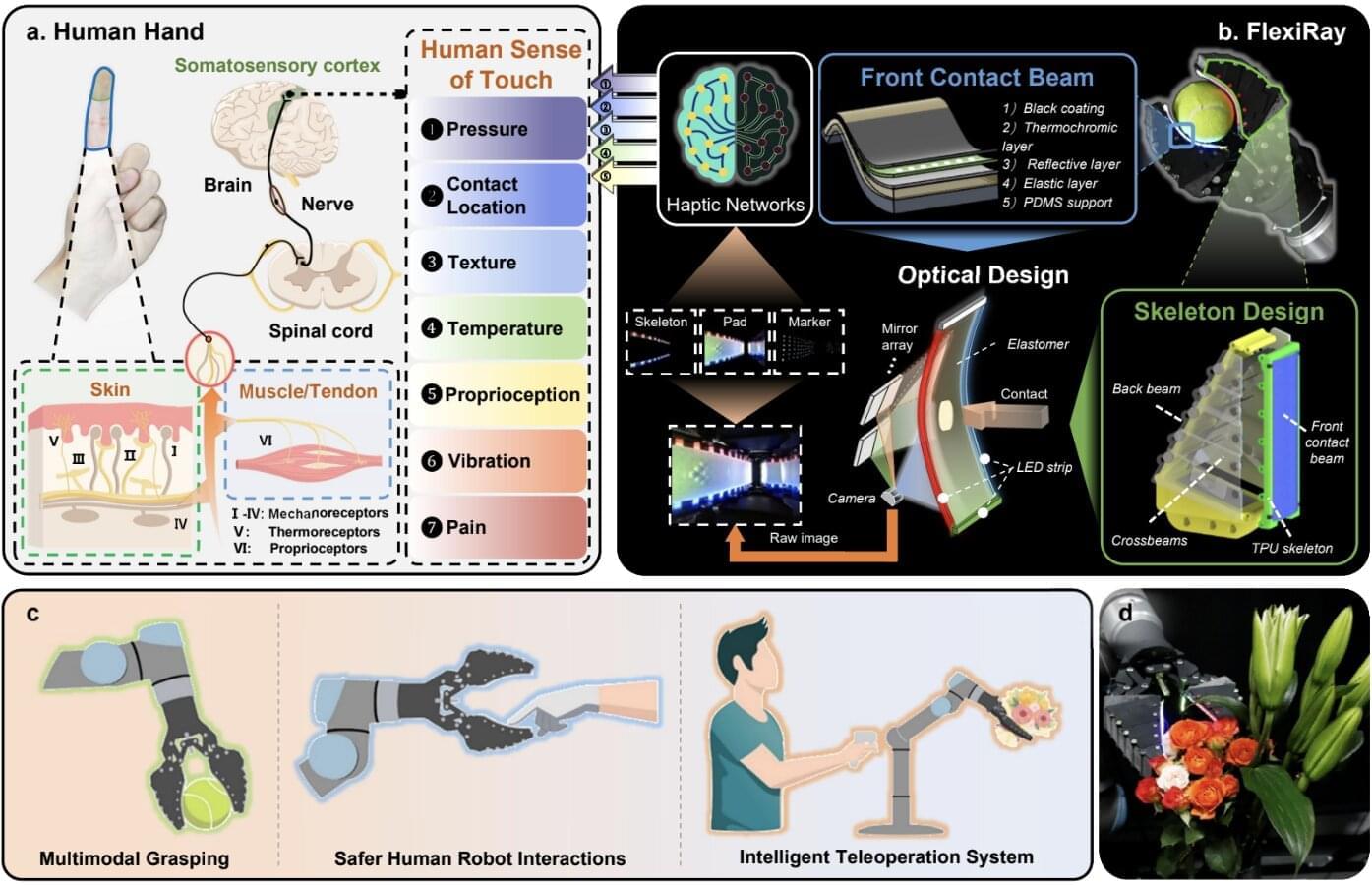
To reliably complete household chores, assemble products and tackle other manual tasks, robots should be able to adapt their manipulation strategies based on the objects they are working with, similarly to how humans leverage information they gain via the sense of touch. While humans attain tactile information via nerves in their skin and muscles, robots rely on sensors, devices that sense their surroundings and pick up specific physical signals.

Most robotic hands and grippers developed so far rely on visual-tactile sensors, systems that use small cameras to capture images, while also picking up surface deformations resulting from contact with specific objects.

A key limitation of these sensors is that they need to be made of stiff materials, to ensure that the cameras capture high-quality images. This reduces the overall flexibility of robots that rely on the sensors, making it harder for them to handle fragile and unevenly shaped objects.

Scientists uncover new quantum state that could power future technologies

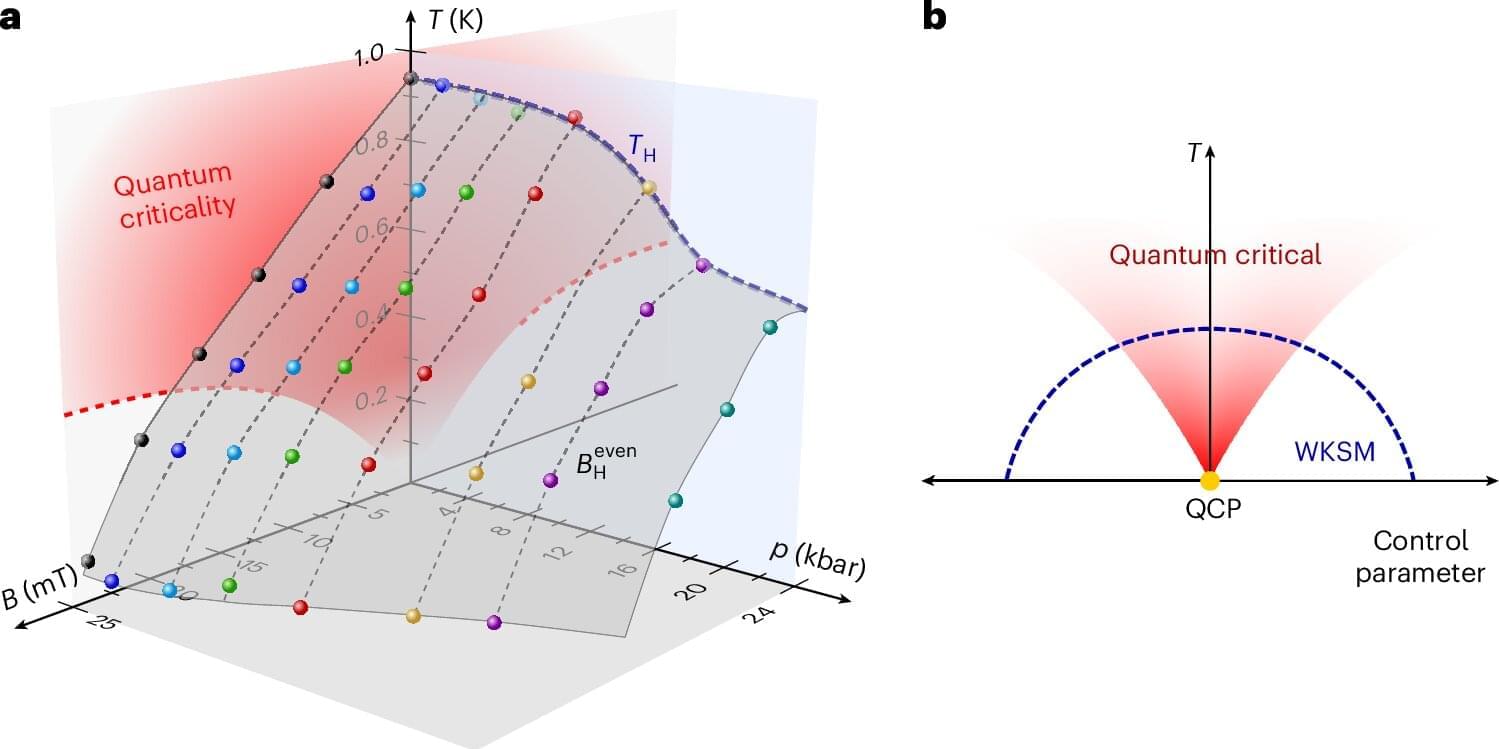
Scientists have discovered a new quantum state of matter that connects two significant areas of physics, potentially leading to advancements in computing, sensing and materials science.

A study published in Nature Physics, co-led by Rice University’s Qimiao Si, brings together quantum criticality, where electrons fluctuate between different phases, and electronic topology, which describes a form of quantum organization based on the wave behavior of electrons.

The researchers found that strong interactions among electrons can produce topological behavior, paving the way for new technologies that could use this quantum state in real-world applications.

Pervasive horizontal transfer of adeno-associated virus capsid genes

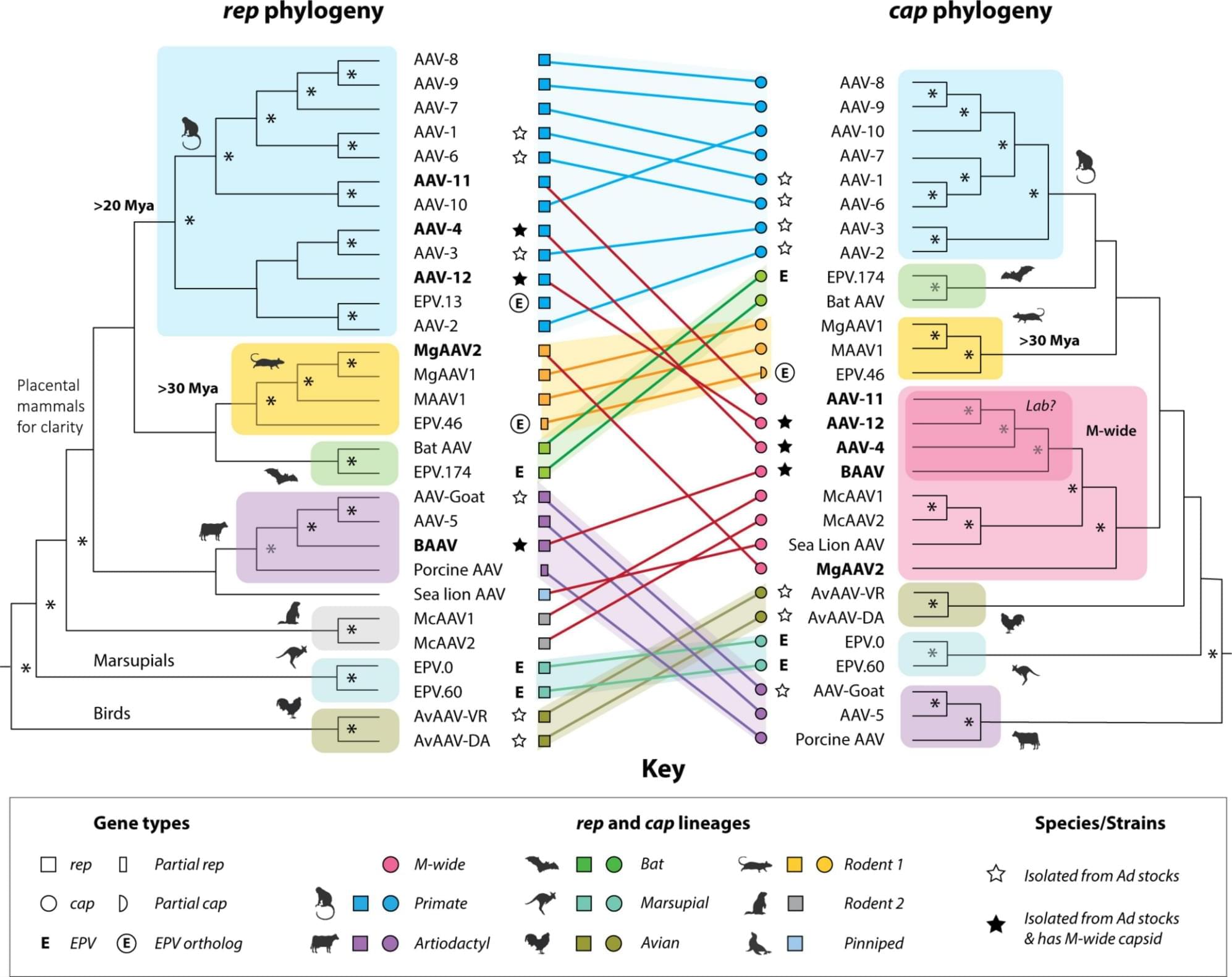
An interesting bioinformatic analysis which offers evidence suggesting that laboratory handling of AAVs may have contributed to horizontal gene transfer of the M-wide capsid across lineages in the wild. [ https://www.pnas.org/doi/10.1073/pnas.2505928122](https://www.pnas.org/doi/10.1073/pnas.2505928122)


Adeno-associated viruses (AAVs) are nonpathogenic DNA viruses with potent gene delivery capabilities, making them essential tools in gene therapy and biomedical research. Despite their therapeutic importance, key aspects of AAV natural biology remain obscure, complicating efforts to explain rare AAV-associated diseases and optimize gene therapy vectors. By analyzing sequence data from virus isolates and endogenous viral elements (EVEs), I reveal a striking evolutionary pattern: While AAV sublineages, defined by the replication-associated (rep) gene, have broadly codiverged with host groups over millions of years, capsid (cap) diversity has been shaped by extensive recombination. In particular, one capsid lineage, Mammalian-wide (M-wide), has spread horizontally across diverse rep lineages and host taxa through multiple recombination events.

Expanded global groundwater microbial diversity reveals bioprospecting potential

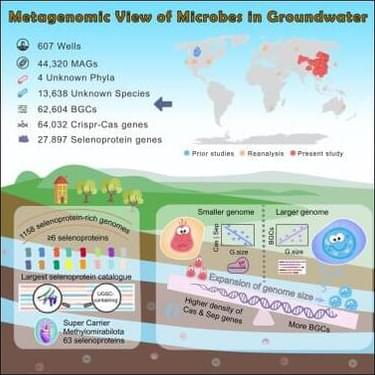
Deng et al. constructed a comprehensive bacterial and archaeal genome catalog from groundwater and uncovered extensive previously unknown microbial diversity. This study reveals genome size as an axis underlying allocation of microbial defense and redox regulation and identifies groundwater as a hotspot of selenium metabolism and functional innovation.

/* */