Toggle light / dark theme

Get the latest international news and world events from around the world.

Log in for authorized contributors

Self-healing composite can make airplane, automobile and spacecraft components last for centuries

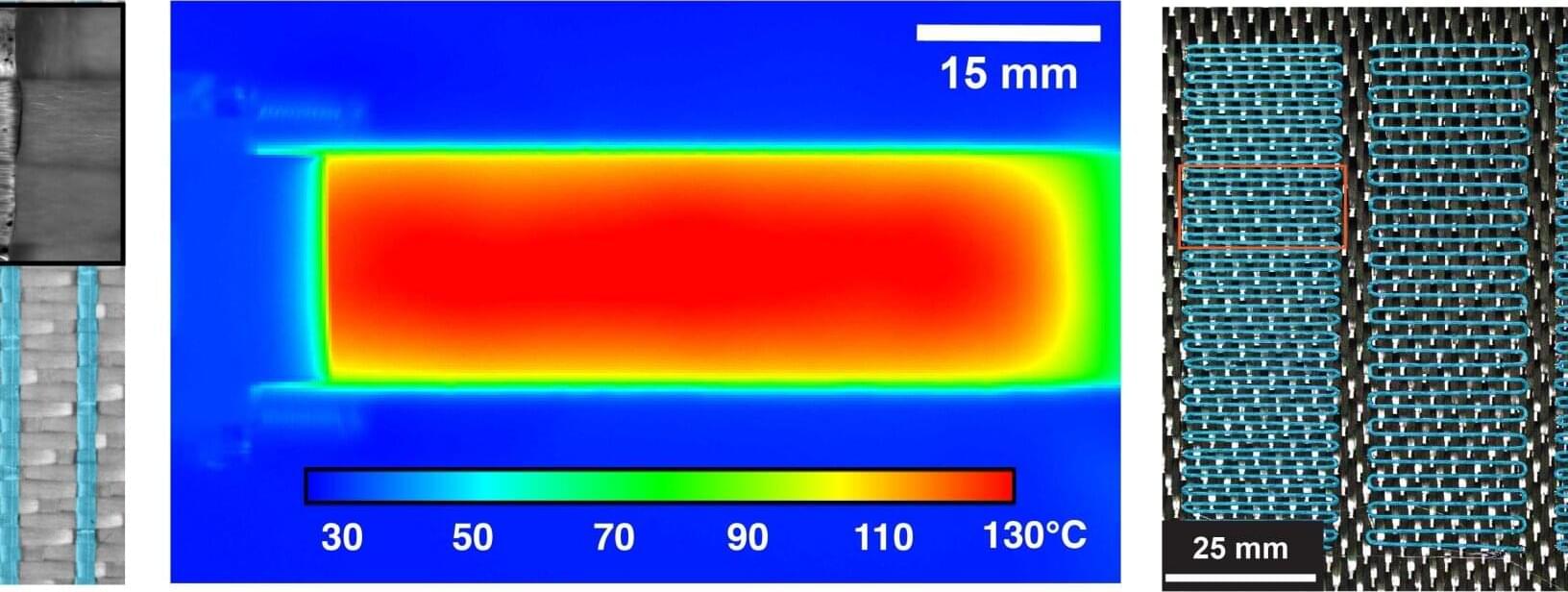
Researchers have created a self-healing composite that is tougher than materials currently used in aircraft wings, turbine blades and other applications—and can repair itself more than 1,000 times. The researchers estimate their self-healing strategy can extend the lifetime of conventional fiber-reinforced composite materials by centuries compared to the current decades-long design-life.

The work is published in the journal Proceedings of the National Academy of Sciences.

“This would significantly drive down costs and labor associated with replacing damaged composite components, and reduce the amount of energy consumed and waste produced by many industrial sectors—because they’ll have fewer broken parts to manually inspect, repair or throw away,” says Jason Patrick, corresponding author of the paper and an associate professor of civil, construction and environmental engineering at North Carolina State University.

Copenhagen Researchers state the Universe responds to our Actions Even Retroactively

The copenhagen interpretation & retroactivity. quantum mechanics basics:

Particles exist in a superposition of states until observed.

Measurement “collapses” the wave function into a definite outcome.

Retrocausality Debate:

Some physicists have explored whether quantum events can appear to be influenced by future measurements.

This is sometimes described as the universe “responding retroactively,” but it’s a controversial interpretation, not mainstream science.

Deep Learning in Otolaryngology: A Narrative Review

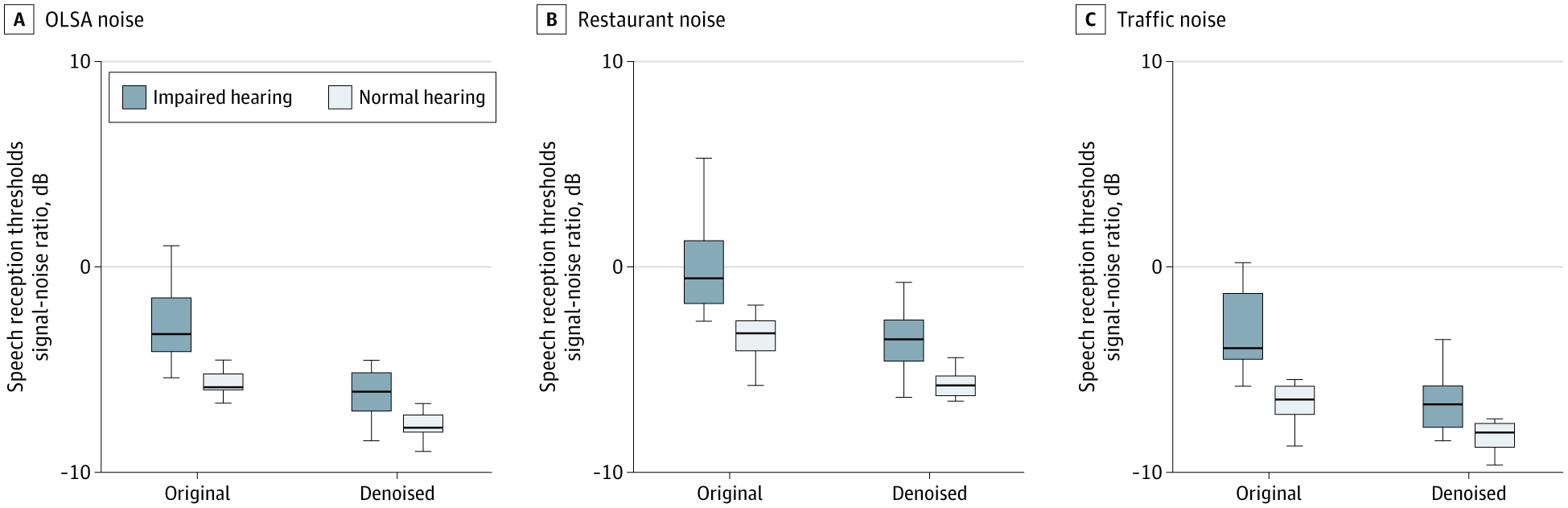
Deep learning models have achieved diagnostic accuracy rates up to 92% for nasopharyngeal carcinoma and over 95% for otologic pathology, matching expert performance in otolaryngology.

This review summarizes recent deep learning advances in otolaryngology, including diagnostic models with expert-level accuracy for nasopharyngeal carcinoma and otologic pathology.


This narrative review synthesizes recent deep-learning applications and proposes a framework for their integration into otolaryngology.

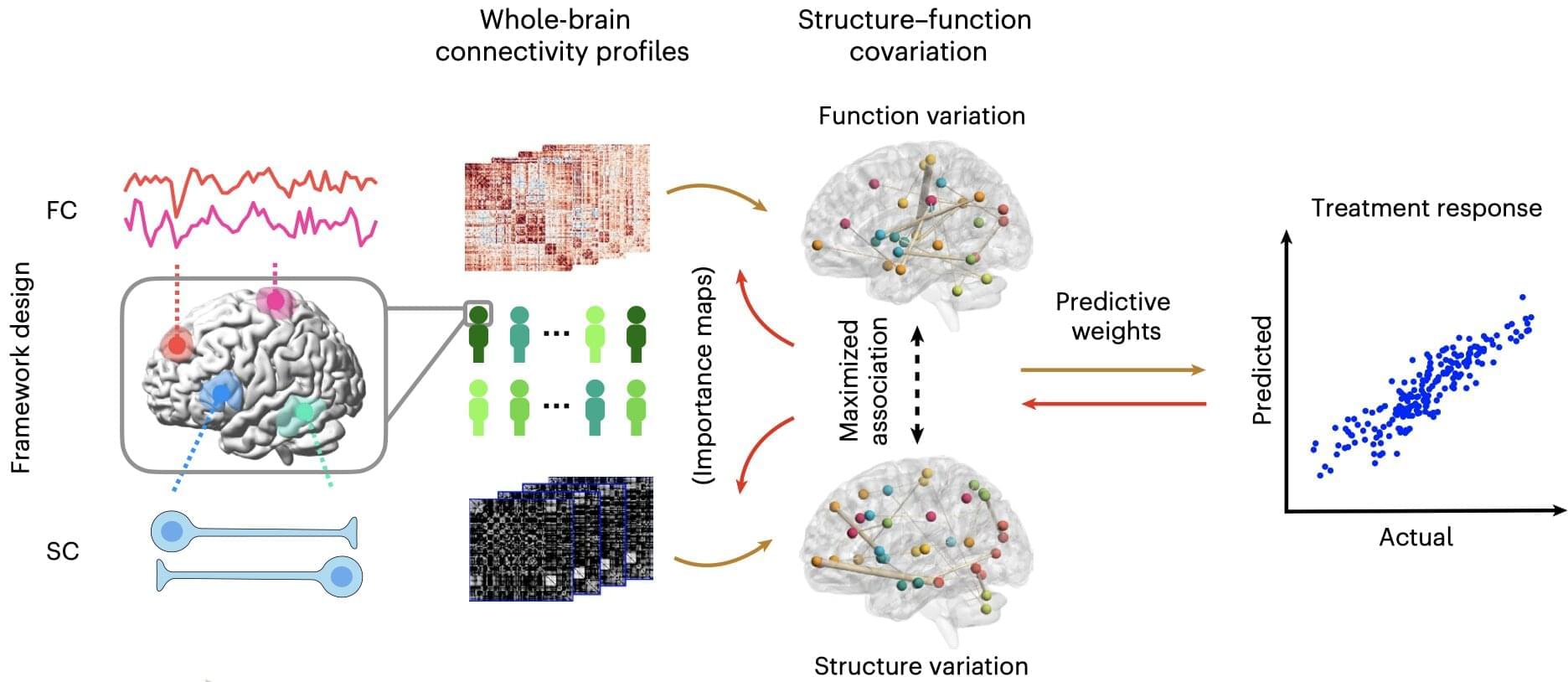
Machine learning can predict patients’ responses to antidepressants—while disentangling drug and placebo effects

Depression is one of the most widespread mental health disorders worldwide, affecting approximately 4% of the global population. It is characterized by a persistent low mood, disruptions in typical sleeping and/or eating habits, a lack of motivation, a loss of interest in daily activities and unhelpful thought patterns.

There are now various treatments for depression, including psychotherapy-based interventions and different types of antidepressant medications. Identifying the best treatment strategy, however, is not always easy, and many patients try different medications before they find one that works for them.

Researchers at Stanford University, Lehigh University, the University of Texas at Austin and other institutes explored the potential of machine learning techniques, computational models that can identify patterns in data, for predicting the responses of individual patients to two different antidepressants and to a placebo (i.e., a pill that contains no active chemicals).

X-ray observations reveal hidden disturbances in galaxy cluster Abell 3571

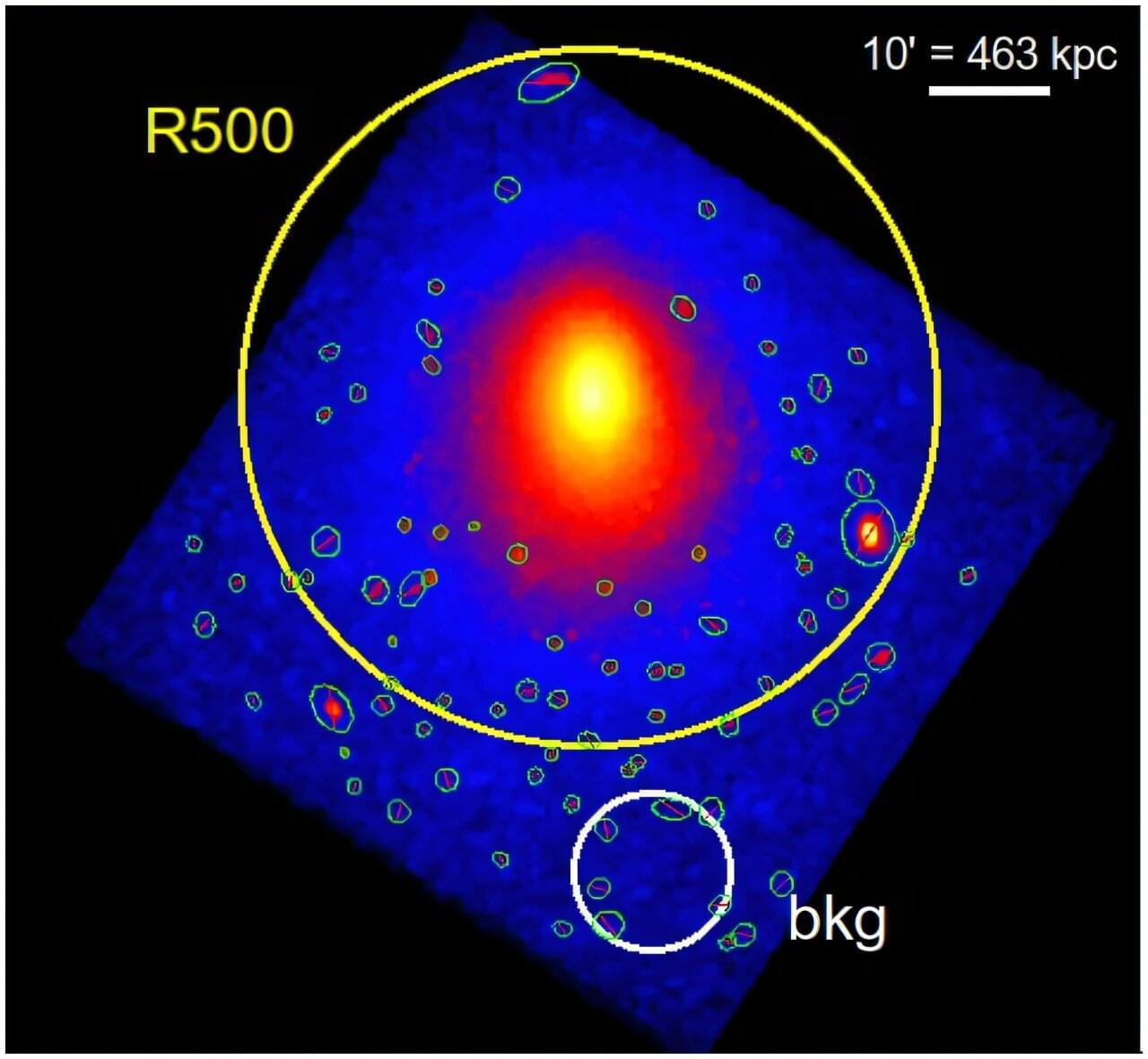
Using the Einstein Probe (EP), astronomers from China and Germany have observed a nearby galaxy cluster known as Abell 3571. Results of the observational campaign, published January 8 on the arXiv pre-print server, provide more insights into the X-ray properties and structure of this cluster.

Galaxy clusters contain up to thousands of galaxies bound together by gravity. They generally form as a result of mergers and grow by accreting sub-clusters. Therefore, they could serve as excellent laboratories for studying galaxy evolution and cosmology.

Abell 3,571, or A3571, is a rich galaxy cluster in the Shapley Supercluster, at a redshift of 0.039. It has a radius of about 5.5 million light years and its mass is estimated to be 910 trillion solar masses. The brightest cluster galaxy (BCG) of Abell 3,571 is MCG–05–33–002, which exhibits a pronounced north-south elongation.

Systematic identification of single transcription factor perturbations that drive cellular and tissue rejuvenation

Significance.

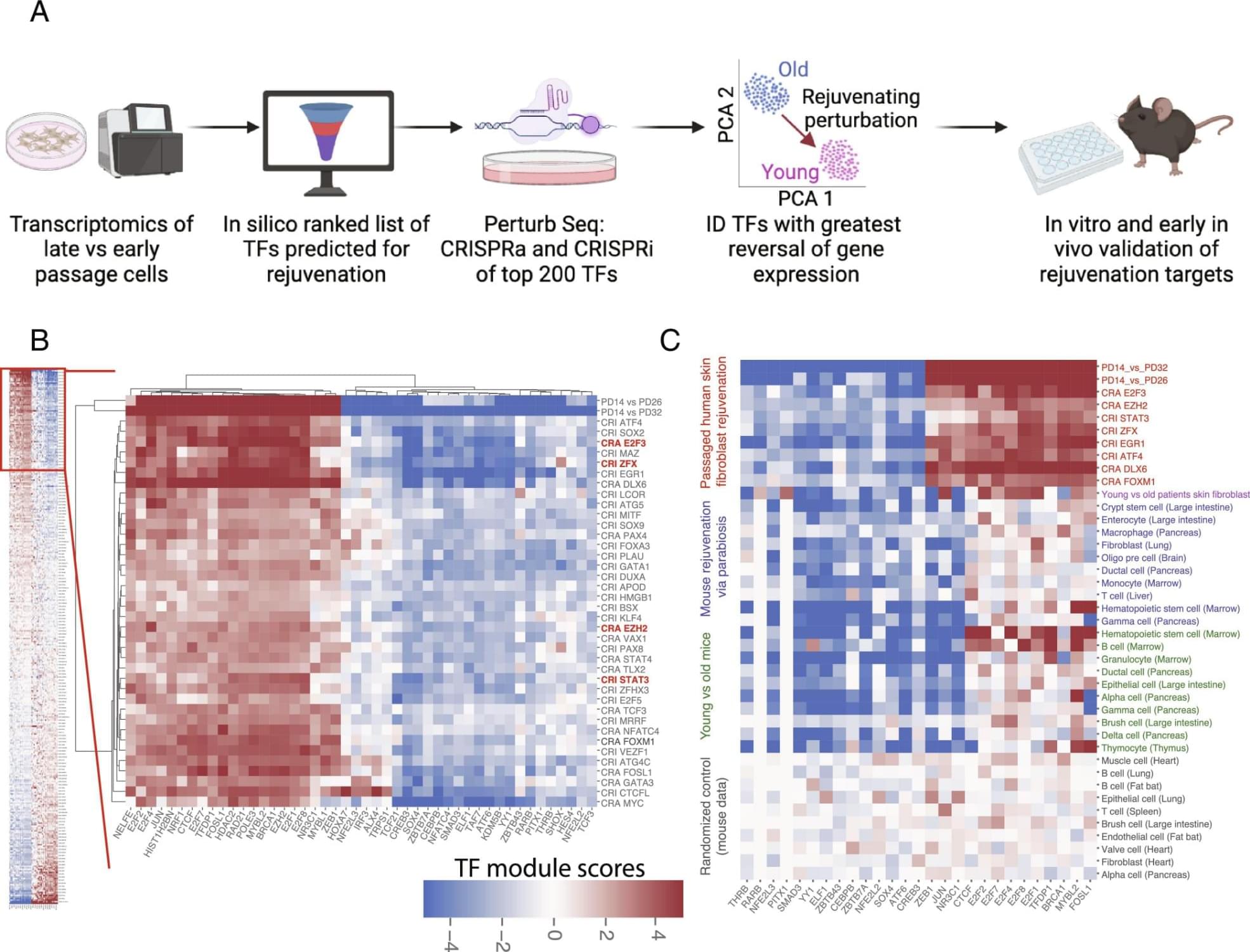
Cellular rejuvenation through transcriptional reprogramming has emerged as exciting approach to counter aging. However, to date, only a few of rejuvenating transcription factor (TF) perturbations have been identified. In this work, we developed a discovery platform to systematically identify single TF perturbations that drive cellular and tissue rejuvenation. Using a classical model of human fibroblast aging, we identified more than a dozen candidate TF perturbations and validated four of them (E2F3, EZH2, STAT3, ZFX) through cellular/molecular phenotyping. At the tissue level, we demonstrate that overexpression of EZH2 alone is sufficient to rejuvenate the liver in aged mice, significantly reducing fibrosis and steatosis, and improving glucose tolerance. Our work expanded the list of candidate rejuvenating TFs for future translation. Abstract.

Cellular rejuvenation through transcriptional reprogramming is an exciting approach to counter aging. Using a fibroblast-based model of human cell aging and Perturb-seq screening, we developed a systematic approach to identify single transcription factor (TF) perturbations that promote rejuvenation without dedifferentiation. Overexpressing E2F3 or EZH2, and repressing STAT3 or ZFX, reversed cellular hallmarks of aging—increasing proliferation, proteostasis, and mitochondrial activity, while decreasing senescence. EZH2 overexpression in vivo rejuvenated livers in aged mice, reversing aging-associated gene expression profiles, decreasing steatosis and fibrosis, and improving glucose tolerance. Mechanistically, single TF perturbations led to convergent downstream transcriptional programs conserved in different aging and rejuvenation models. These results suggest a shared set of molecular requirements for cellular and tissue rejuvenation across species. Sign up for PNAS alerts.

Get alerts for new articles, or get an alert when an article is cited. Cellular rejuvenation through transcriptional reprogramming is an exciting approach to counter aging and bring cells back to a healthy state. In both cell and animal aging models, there has been significant recent progress in rejuvenation research. Systemic factors identified in young blood through models such as heterochronic parabiosis (in which the circulatory systems of a young and aged animal are joined) rejuvenate various peripheral tissues and cognitive function in the brain (1–4). Partial reprogramming at the cellular level with the Yamanaka factors (four stem cell transcription factors) reverses cellular and tissue-level aging markers and can extend lifespan in old mice (5–8). These discoveries support the notion that transcriptional reprogramming is a powerful approach to improving the health of cells and tissues, and one day could be used as an approach for human therapeutics. However, to date, only a couple of rejuvenating transcription factor (TF) perturbations have been identified (9, 10) and most of them require the overexpression of TFs. We hypothesized that there are multiple other TF perturbations which could reset cells and tissues back to a healthier or younger state—rejuvenating them. Identifying complementary rejuvenating strategies is important as it will increase the chance of successful future translation. We developed a high-throughput platform, the Transcriptional Rejuvenation Discovery Platform (TRDP), which combines computational analysis of TF binding motifs and target predictions (Materials and Methods), global gene expression data of old and young cell states, and experimental genetic perturbations to identify which TF can restore overall gene expression and cell phenotypes to a younger, healthier state. We developed TRDP to be applicable to any cell type, and in both aging and disease settings, with the only requirements being baseline comparison of gene expression data comparing the older/diseased state to the younger/healthier state and the ability to perform genetic perturbations. To model aging in vitro as a validation of our approach, we used the canonical aging model of passaged fibroblasts (11, 12). We tested 400 TF perturbations via our screen and validated reversal of key cellular aging hallmarks in late passage human fibroblasts for four top TFs: E2F3, EZH2, STAT3, and ZFX. Moreover, EZH2 overexpression in vivo rejuvenated livers in aged mice—reversing aging-associated global gene expression profiles, significantly reducing steatosis and fibrosis, and improving glucose tolerance. These findings point to a conserved set of molecular requirements for cellular and tissue rejuvenation.
Space mice come home and start families

Four mice went to space as astronauts. One came back and became a mother. And that simple fact might matter more than you’d think for humanity’s future beyond Earth.

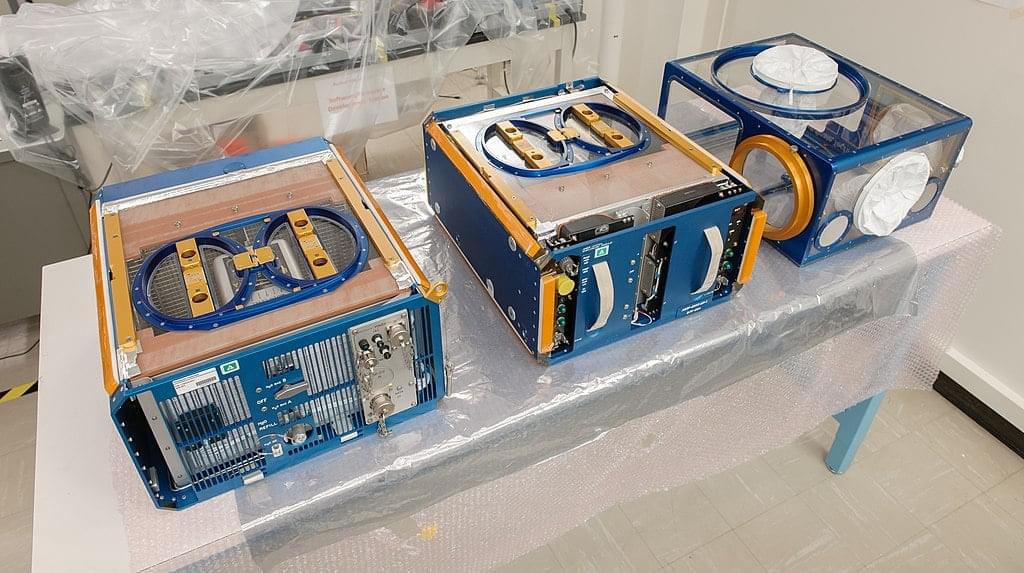
On 31 October, China launched four mice numbered 6, 98154, and 186, aboard the Shenzhou-21 spacecraft to the country’s space station, roughly 400 kilometers above Earth. For two weeks, the rodents lived in microgravity, exposed to space radiation and the peculiar conditions of orbital life. They returned safely on 14 November. Then, on 10 December, one of the females gave birth to nine healthy pups.

In a previous study, sperm from mice that had been in space had been used to fertilize female mice back in Earth. In this new study, six of the offspring survived, which researchers consider a normal survival rate. The mother is nursing properly, and the pups are active and developing well. Wang Hongmei, a researcher at the Chinese Academy of Sciences’ Institute of Zoology, emphasized the significance of their discovery that short term spaceflight didn’t damage the mouse’s ability to reproduce.

Hidden Alien Empires: Shadow Civilizations & Exostellar Realms

What if alien civilizations exist—but chose to hide? Exploring shadow empires, cosmic silence, and the limits of secrecy in space.

Get Nebula using my link for 50% off an annual subscription: https://go.nebula.tv/isaacarthur.
Check out Mad Kings: https://nebula.tv/madkings?ref=isaaca… Watch my exclusive video Chronoengineering: https://nebula.tv/videos/isaacarthur–… Join this channel to get access to perks: / @isaacarthursfia 🛒 SFIA Merchandise: https://isaac-arthur-shop.fourthwall… 🌐 Visit our Website: http://www.isaacarthur.net ❤️ Support us on Patreon: / isaacarthur ⭐ Support us on Subscribestar: https://www.subscribestar.com/isaac-a… 👥 Facebook Group: / 1,583,992,725,237,264 📣 Reddit Community: / isaacarthur 🐦 Follow on Twitter / X: / isaac_a_arthur 💬 SFIA Discord Server: / discord Credits: Hidden Alien Empires: Shadow Civilizations & Exostellar Realms Written, Produced & Narrated by: Isaac Arthur Select imagery/video supplied by Getty Images Music by Epidemic Sound: http://nebula.tv/epidemic & Stellardrone Chapters 0:00 Intro 1:39 Ghosts in the Galactic Night 6:53 The Long Defeat of Secrecy 12:16 The Fragility of Eternal Silence 19:17 Mad Kings 20:08 Shadows Between the Stars.
Watch my exclusive video Chronoengineering: https://nebula.tv/videos/isaacarthur–

🚀 Join this channel to get access to perks: / @isaacarthursfia.
🛒 SFIA Merchandise: https://isaac-arthur-shop.fourthwall
🌐 Visit our Website: http://www.isaacarthur.net.

❤️ Support us on Patreon: / isaacarthur.
⭐ Support us on Subscribestar: https://www.subscribestar.com/isaac-a

👥 Facebook Group: / 1583992725237264
📣 Reddit Community: / isaacarthur.
🐦 Follow on Twitter / X: / isaac_a_arthur.
💬 SFIA Discord Server: / discord.

Credits:

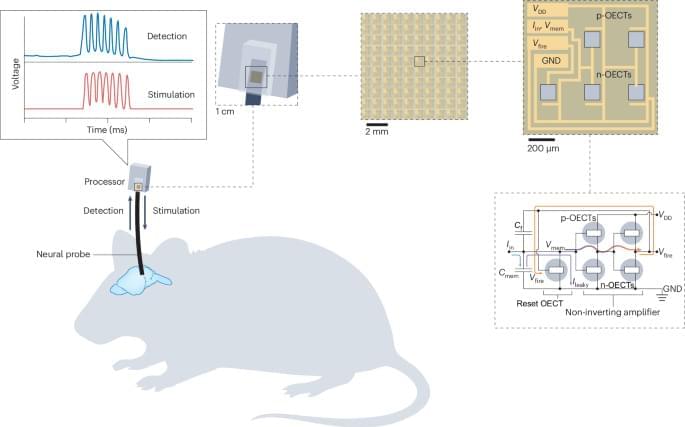
Soft organic electrochemical neurons operating at biological speed

Organic electrochemical neurons respond to brain signals in real time, firing at biologically relevant speeds. Their flexibility and low power use could enable soft, implantable systems for closed-loop neuromodulation and future brain–computer interfaces.

You have full access to this article via your institution.

/* */