Depression is one of the most widespread mental health disorders worldwide, affecting approximately 4% of the global population. It is characterized by a persistent low mood, disruptions in typical sleeping and/or eating habits, a lack of motivation, a loss of interest in daily activities and unhelpful thought patterns.
There are now various treatments for depression, including psychotherapy-based interventions and different types of antidepressant medications. Identifying the best treatment strategy, however, is not always easy, and many patients try different medications before they find one that works for them.
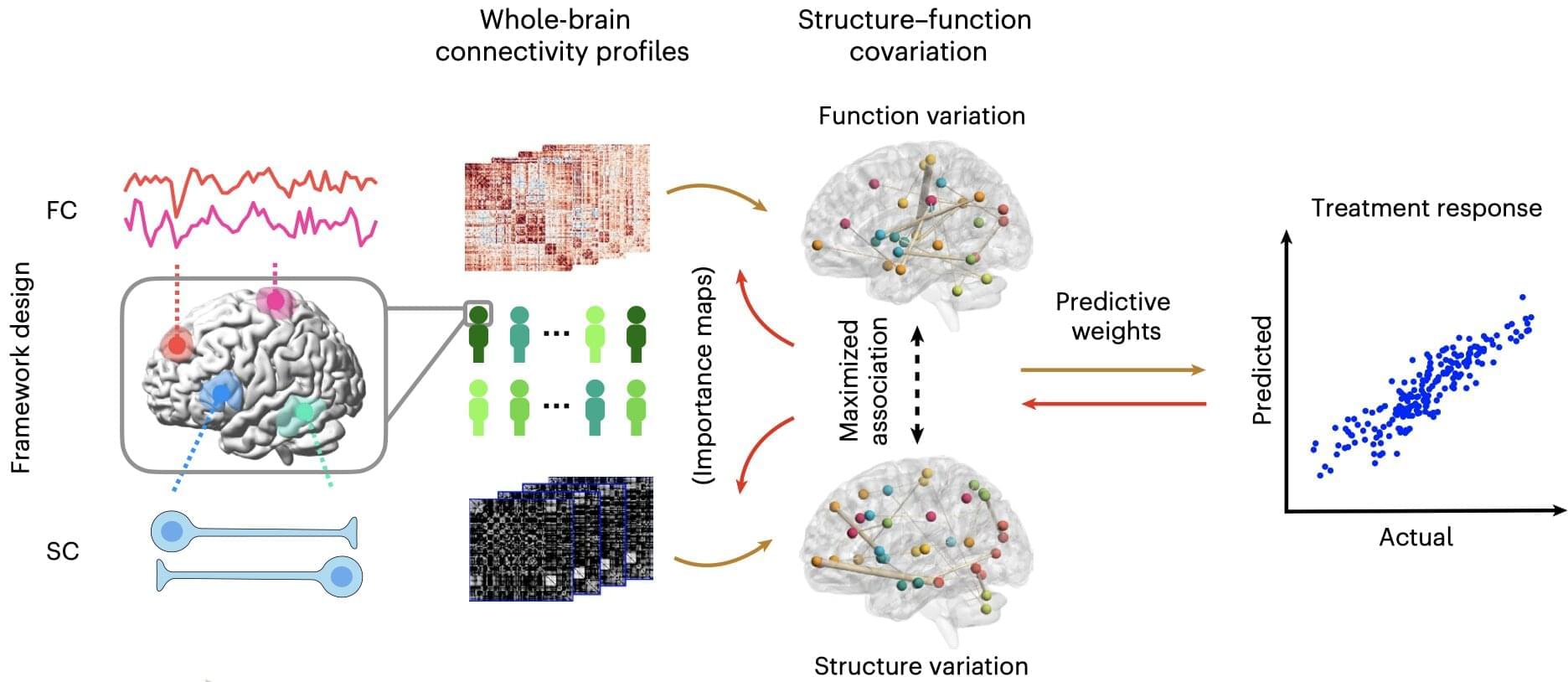
Researchers at Stanford University, Lehigh University, the University of Texas at Austin and other institutes explored the potential of machine learning techniques, computational models that can identify patterns in data, for predicting the responses of individual patients to two different antidepressants and to a placebo (i.e., a pill that contains no active chemicals).