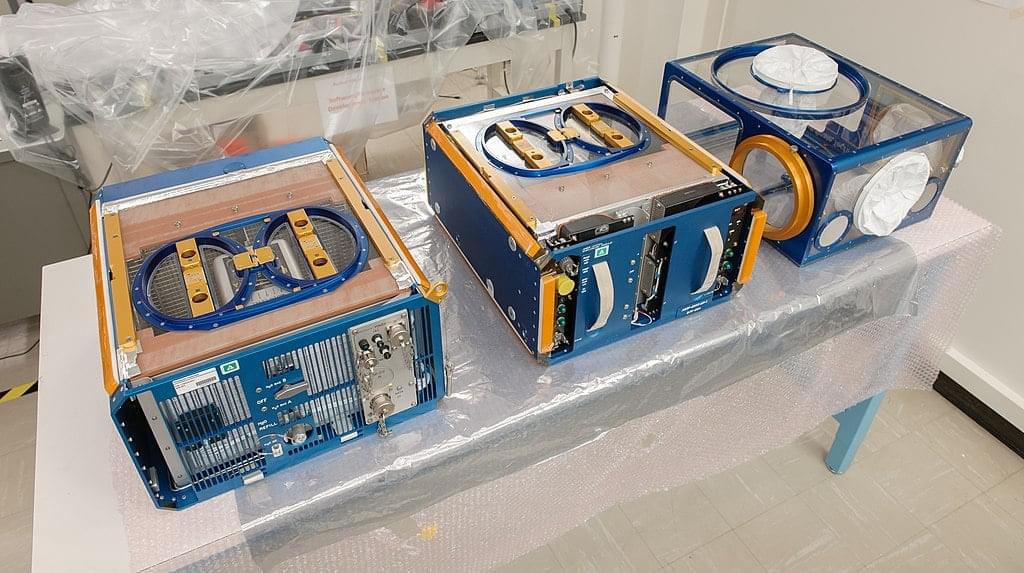
Four mice went to space as astronauts. One came back and became a mother. And that simple fact might matter more than you’d think for humanity’s future beyond Earth.
On 31 October, China launched four mice numbered 6, 98154, and 186, aboard the Shenzhou-21 spacecraft to the country’s space station, roughly 400 kilometers above Earth. For two weeks, the rodents lived in microgravity, exposed to space radiation and the peculiar conditions of orbital life. They returned safely on 14 November. Then, on 10 December, one of the females gave birth to nine healthy pups.
In a previous study, sperm from mice that had been in space had been used to fertilize female mice back in Earth. In this new study, six of the offspring survived, which researchers consider a normal survival rate. The mother is nursing properly, and the pups are active and developing well. Wang Hongmei, a researcher at the Chinese Academy of Sciences’ Institute of Zoology, emphasized the significance of their discovery that short term spaceflight didn’t damage the mouse’s ability to reproduce.