Read more
Get the latest international news and world events from around the world.
Measurements in Chemistry: Why Scientists Don’t Use Cups!
In this video, we break down the three major measurement systems used in everyday life and science: the Informal System, the English (Imperial) System, and the Metric System.
You’ll learn:
What the informal system is (pinch, handful, cup, etc.)
How the English/Imperial system works (feet, pounds, gallons)
Why chemistry uses the metric system (meters, grams, liters)
Why the metric system is easier for scientific calculations.

Patient Safety Begins With Access: Safety Events That Occur Before Meeting the Patient
💬 Viewpoint by Victor Hassid, MD, MBA, and Haytham Kaafarani, MD, MPH: Administrative delays and access failures introduce patient safety risks but are rarely treated as safety events in health systems.
More than 2 decades after To Err Is Human,1 health care has made substantial progress in defining, measuring, and mitigating clinical harm—by adopting high-reliability principles, implementing safety reporting systems, standardizing protocols, and embedding accountability instead of blame into clinical workflows. Yet access to care—despite being the gateway to all downstream clinical activity—remains largely outside this safety framework.
Delays in access are often discussed as throughput problems, capacity constraints, or scheduling inefficiencies. Rarely are they framed as patient safety issues. This distinction is consequential. When access failures are viewed as operational challenges, they are addressed as desk tasks—episodically and locally. When they are viewed as safety failures, they require immediate systematic analysis, leadership attention, and organizational accountability.
High-reliability organization principles provide a useful lens for reframing patient access to care as safety, even when accountability spans multiple stakeholders rather than a single organization.2 The preoccupation of high-reliability organization with failure requires attention to near misses, not just catastrophic outcomes. Reluctance to simplify acknowledges that access pathways are complex sociotechnical systems, not simplistic linear workflows. Sensitivity to operations requires understanding how delays in record retrieval, insurance authorization, or appointment scheduling propagate through the system and translate into patient harm. Deference to expertise elevates the voices of frontline access staff who understand when and where systems break down. Commitment to resilience requires learning from access failures and rapidly redesigning processes to prevent recurrence.
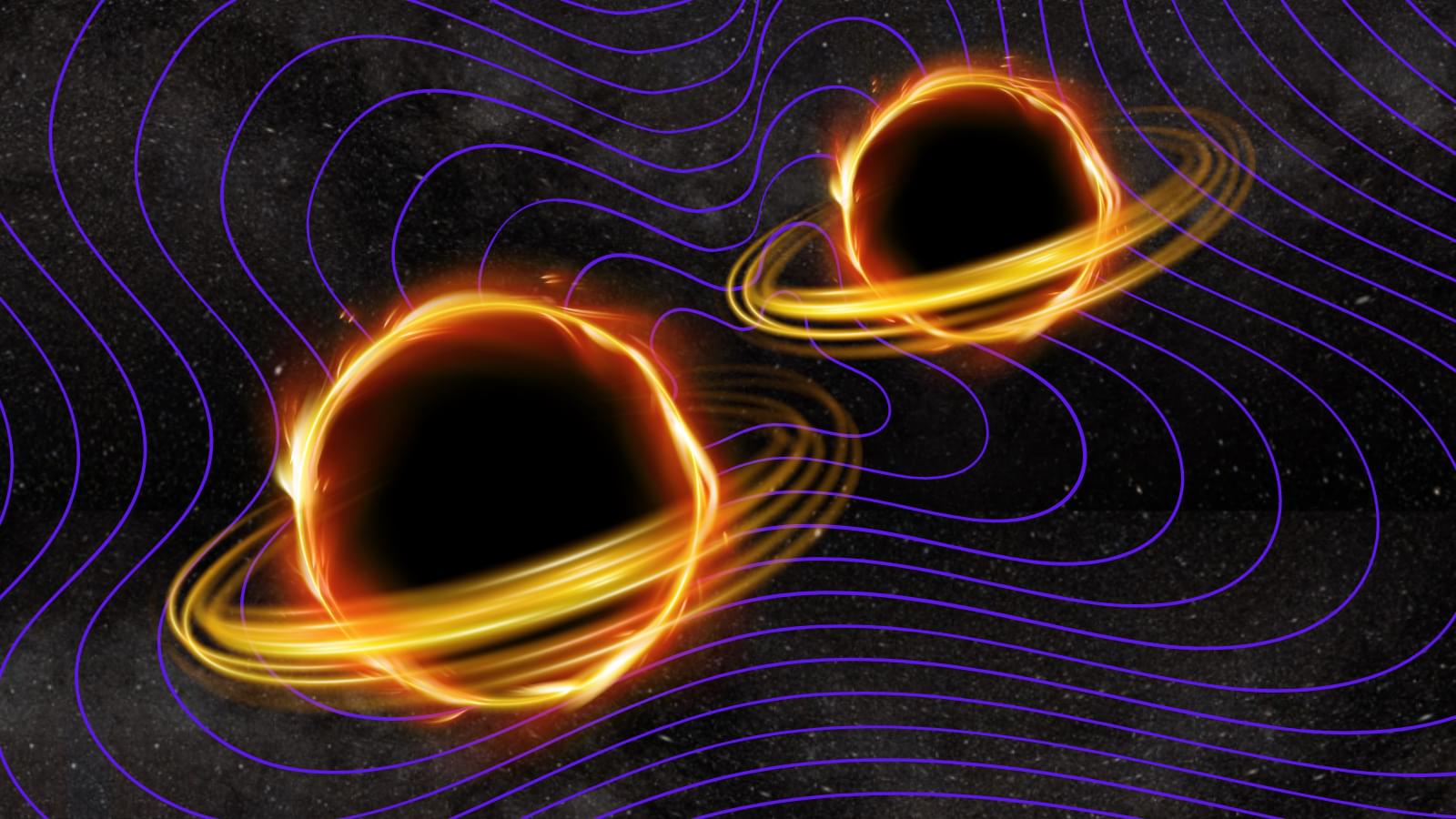
The universe is humming with ripples in spacetime: Scientists just doubled our catalog of black hole and neutron star collisions
“The message from this catalog is: We are expanding into new parts of what we call ‘parameter space’ and a whole new variety of black holes,” LVK member Daniel Williams, of the University of Glasgow in the U.K., said in the statement. “We are really pushing the edges, and are seeing things that are more massive, spinning faster, and are more astrophysically interesting and unusual.”
The catalog also demonstrates just how sensitive the LVK detectors have become. Some of the neutron star mergers occurred up to 1 billion light-years away, while some of the black hole mergers occurred up to 10 billion light-years away. These detections have allowed scientists to test the theory that first predicted the existence of both black holes and gravitational waves, Einstein’s magnum opus theory of gravity, general relativity.
A new reagent makes living brains transparent for deeper, non-invasive imaging
Making a living brain transparent and watching its neurons fire without disturbing their function—sounds like science fiction, doesn’t it? Yet the solution may already exist within our own bodies. In a paper published in Nature Methods, a research team led by Kyushu University introduces a new reagent called SeeDB-Live.
SeeDB-Live uses albumin—a common protein in blood serum—to clear tissue while preserving cellular function. The technique allows scientists to see deeper, brighter structures in both brain slices in a dish and living mice, achieving neural activity that was previously out of sight.
“This is the first time tissue clearing has been achieved without altering its biology,” says Takeshi Imai, professor at Kyushu University’s Faculty of Medical Sciences and the study’s senior author.
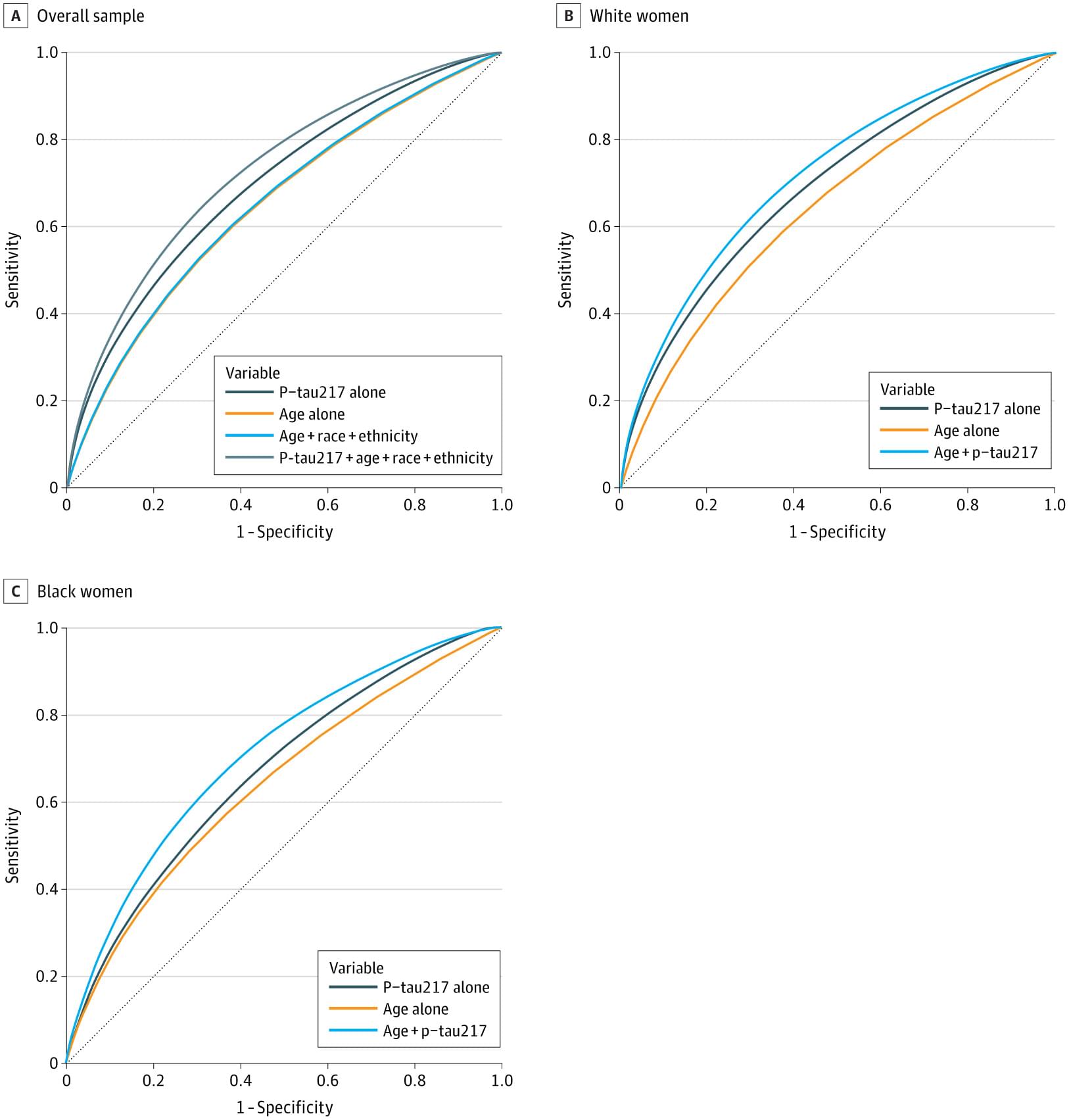
Plasma Phosphorylated Tau 217 and Incident MCI and Dementia in Older Women
In this cohort study of cognitively unimpaired older women, p-tau217 was associated with incident MCI or dementia up to 25 years later.
This cohort study examines associations of baseline plasma phosphorylated tau 217 with incident mild cognitive impairment (MCI) or dementia and whether associations vary by age, race, APOE ε4 carrier status, or hormone therapy use among older men and women.
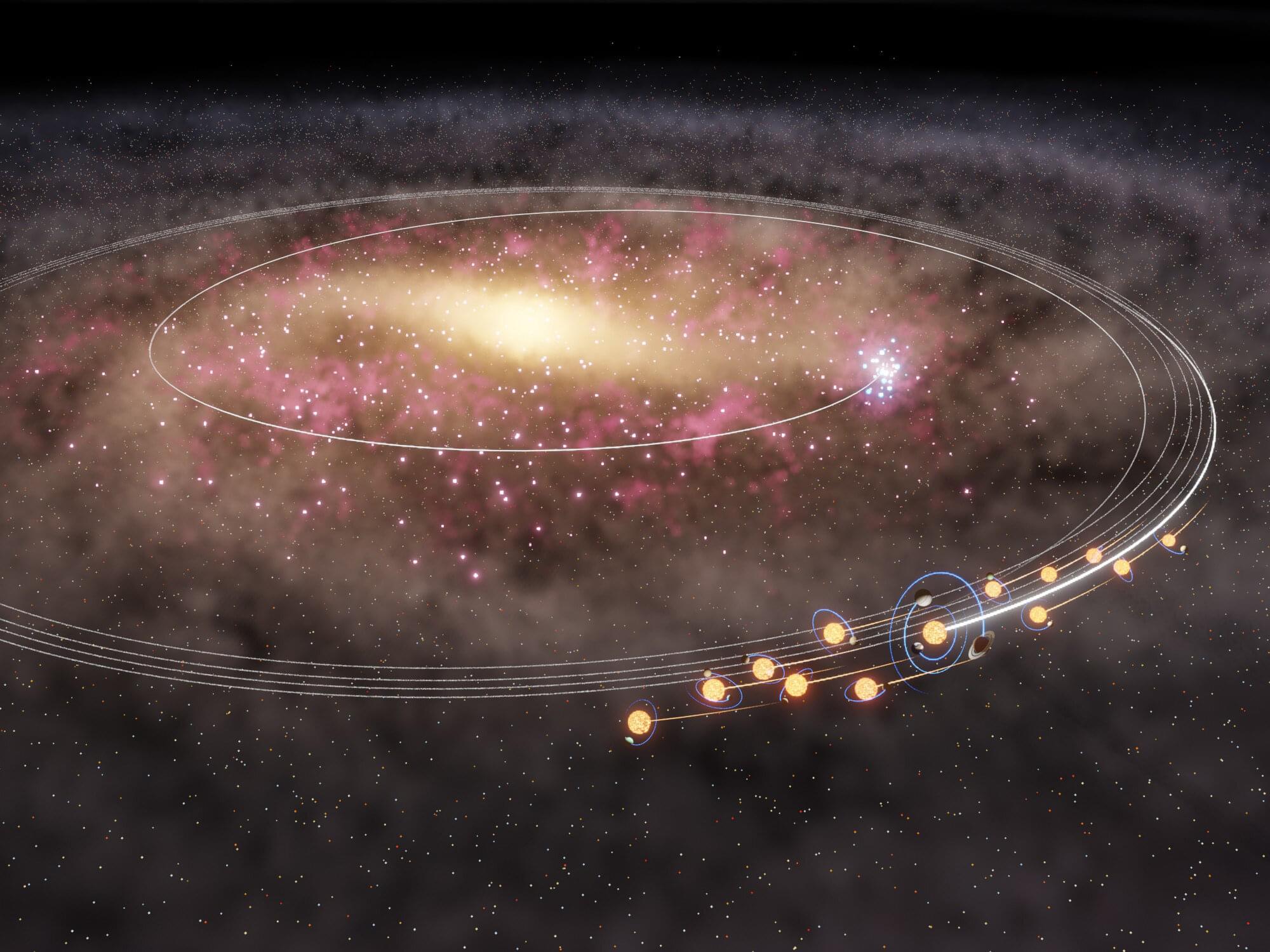
We are not alone: Our sun escaped together with stellar ‘twins’ from galaxy center
Researchers have uncovered evidence for our sun joining a mass migration of similar “twins” leaving the core regions of our galaxy, 4 to 6 billion years ago. The team created and studied an unprecedentedly accurate catalog of stars and their properties using data from the European Space Agency’s Gaia satellite. Their discovery sheds light on the evolution of our galaxy, particularly the development of the rotating bar-like structure at its center.
While archaeology on Earth studies the human past, galactic archaeology traces the vast journey of stars and galaxies. For example, scientists know that our sun was born around 4.6 billion years ago, more than 10,000 light years closer to the center of the Milky Way than we are today.
While studies of the composition of stars support this theory, this has long proven a conundrum for scientists. Observations reveal an enormous bar-like structure at our galactic center which creates a “corotation barrier,” which makes it difficult for stars to escape so far from the center.
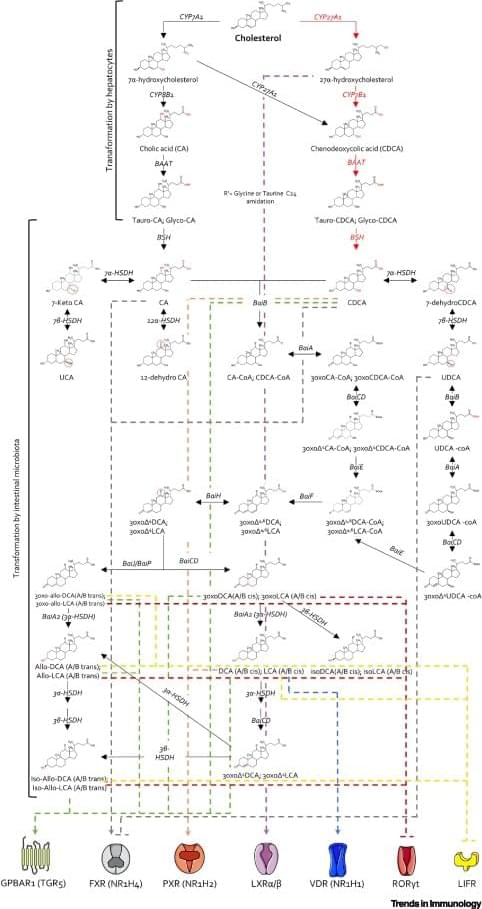
Secondary bile acids as immune and metabolic mediators
The human liver makes two primary bile acids that are cholesterol derivates, while, intestinal microbiota is the source of hundreds of secondary bile acids and microbially conjugated bile acids.
A dysbiotic microbiota releases altered quantities and varieties of secondary bile acids, which contribute to intestinal and systemic immune dysregulation.
In this review the authors discuss recent advances in secondary bile acids, the intestinal microbiota generating them, and their role in immune disorders. sciencenewshighlights ScienceMission https://sciencemission.com/Secondary-bile-acids
Bile acids are cholesterol derivatives, generated by the coordinated intervention of human and bacterial genes, functioning as endogenous ligands for multiple transcription factors and receptors throughout the body. While only two primary bile acids are generated by the human liver, the intestinal microbiota is the source of hundreds of secondary bile acids and microbially conjugated bile acids. Secondary bile acids regulate immune function throughout the body, promote the conversion of thyroid hormone, and regulate energy expenditure in muscle and adipose tissues, ultimately contributing to the beneficial effects of calorie restriction on human health and longevity. Here, we discuss recent advances in our understanding of secondary bile acids, the intestinal microbiota generating them, and their role in immune disorders.
Diltiazem With Blood Thinners Tied to Bleeding Risk
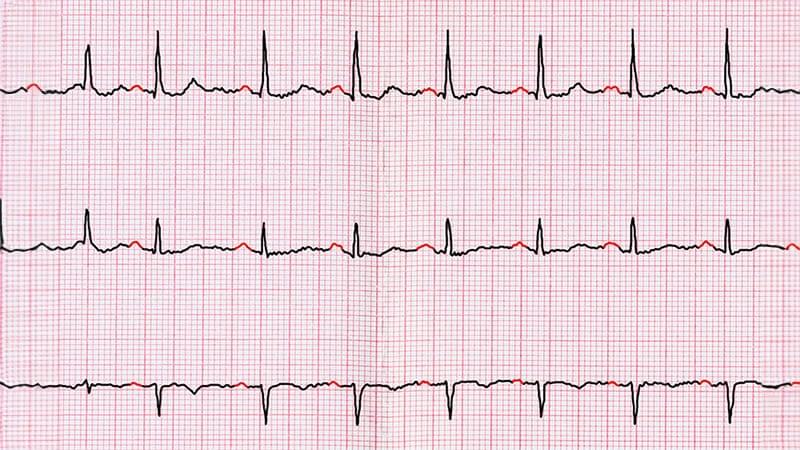
Among patients with atrial fibrillation (AF) who initiated apixaban or rivaroxaban, the use of diltiazem was associated with a higher risk for serious bleeding complications than the use of metoprolol. The risk for bleeding was particularly elevated in patients who received diltiazem doses exceeding 120 mg daily.
Patients with atrial fibrillation who use diltiazem combined with apixaban or rivaroxaban face an increased risk for serious bleeding events compared with those who use metoprolol.