Bang, S.Y., Kim, W., Lee, J. et al. Sci Rep 15, 44,777 (2025). https://doi.org/10.1038/s41598-025-28453-0
Bang, S.Y., Kim, W., Lee, J. et al. Sci Rep 15, 44,777 (2025). https://doi.org/10.1038/s41598-025-28453-0
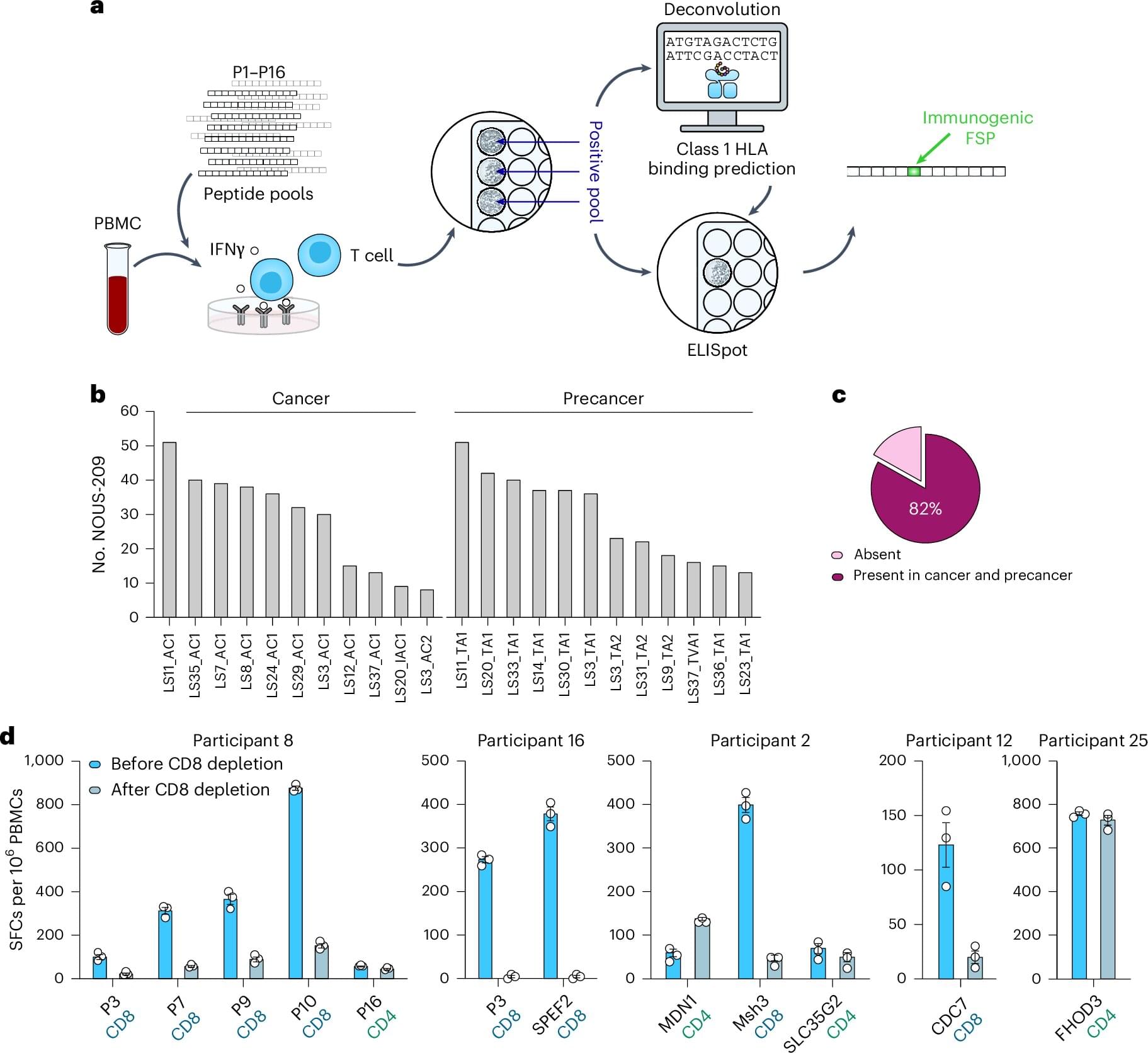
The investigational cancer vaccine, NOUS-209, was found to safely stimulate the immune system to target precancerous and cancerous cells in individuals with Lynch Syndrome (LS), according to a study from researchers at The University of Texas MD Anderson Cancer Center.
The results of a Phase Ib/II clinical trial, published today in Nature Medicine, provide early evidence that immune-based approaches, such as NOUS-209, may be able to intercept cancer before it develops, offering a potential new avenue for preventive care for high-risk individuals.
“Current management strategies for Lynch Syndrome patients—frequent screenings or elective preventive surgery—are life-changing interventions that help prevent cancer development but can significantly affect quality of life,” said principal investigator Eduardo Vilar-Sanchez, M.D., Ph.D., chair ad interim of Clinical Cancer Prevention. “By teaching the immune system to recognize and attack abnormal cells, this therapy offers a promising new approach to this patient population, who face a significantly higher risk of colorectal, endometrial, urothelial and other cancers.”
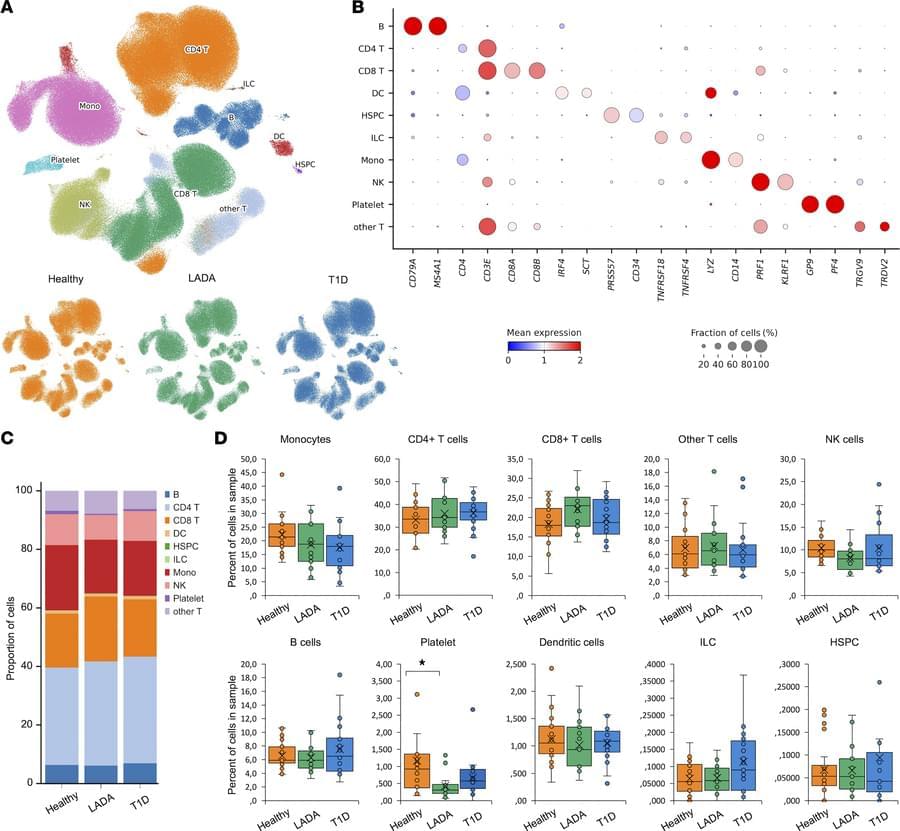
Ivan I. Golodnikov & team report a calmer immune response in slower autoimmune diabetes, offering insight into why some patients lose insulin production more gradually:
The figure shows an atlas of PBMC from healthy donors and patients with latent autoimmune diabetes mellitus (LADA) and Type1 Diabetes (T1D).
Address correspondence to: Ivan I. Golodnikov, 11 Dm. Ulyanova Street, 117,036 Moscow, Russian. Phone: 7.985.352.05.75; Email: [email protected].
Find articles by Golodnikov, I. in: | Google Scholar
1Endocrinology Research Centre, Moscow, Russia.
A landmark international study that pooled brain scans and memory tests from thousands of adults has shed new light on how structural brain changes are tied to memory decline as people age.
The findings — based on more than 10,000 MRI scans and over 13,000 memory assessments from 3,700 cognitively healthy adults across 13 studies — show that the connection between shrinking brain tissue and declining memory is nonlinear, stronger in older adults, and not solely driven by known Alzheimer’s-associated genes like APOE ε4. This suggests that brain aging is more complex than previously thought, and that memory vulnerability reflects broad structural changes across multiple regions, not just isolated pathology.
Published in Nature Communications, the study, “Vulnerability to memory decline in aging revealed by a mega-analysis of structural brain change,” found that structural brain change associated with memory decline is widespread, rather than confined to a single region. While the hippocampus showed the strongest association between volume loss and declining memory performance, many other cortical and subcortical regions also demonstrated significant relationships. This suggests that cognitive decline in aging reflects a distributed macrostructural brain vulnerability, rather than deterioration in a few specific brain regions. The pattern across regions formed a gradient, with the hippocampus at the high end and progressively smaller but still meaningful effects across large portions of the brain.
https://www.nature.com/articles/s41467-025-66354-y
Genetic risk for Alzheimer’s and widespread brain shrinkage linked to greater memory loss — even in otherwise healthy adults.
EV‐encapsulated mtDNA activates immune cells after cardiac arrest, revealing new targets to modulate post-resuscitation inflammation. @UBuffalo @Jacobs_Med_UB
BackgroundPostcardiac arrest syndrome is characterized by systemic inflammation that contributes to poor outcomes after resuscitation from sudden cardiac arrest. Mitochondrial DNA (mtDNA) has been implicated as a proinflammatory stimulus in other contexts, but its role in postcardiac arrest syndrome is unclear. We determined if postcardiac arrest syndrome is characterized by a rise in circulating mtDNA, how mtDNA activates immune cells, and if targeting mtDNA‐sensing pathways attenuates leukocyte activation.
A Missed Diagnosis? Join our interactive virtual simulation to refine your approach to fatigue and cardiometabolic risk in primary care. Discover practical strategies to detect subtle patient risks and optimize care.
▶️
How would you manage these patients who continue to experience daytime fatigue, despite instituting sleep hygiene measures?
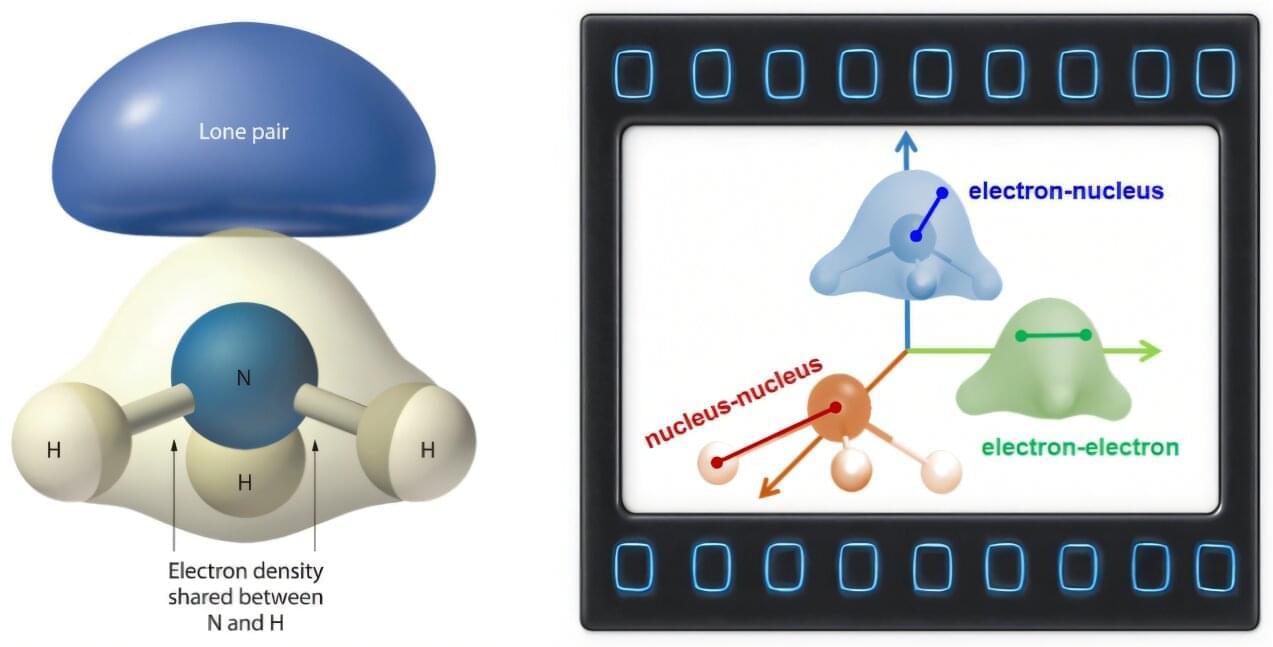
During chemical reactions, atoms in the reacting substances break their bonds and re-arrange, forming different chemical products. This process entails the movement of both electrons (i.e., negatively charged particles) and nuclei (i.e., the positively charged central parts of atoms). Valence electrons are shared and re-arranged between different atoms, creating new bonds.
The movements of electrons and nuclei during chemical reactions are incredibly fast, in many cases only lasting millionths of a billionth of a second (i.e., femtoseconds). Yet reliably tracking and understanding these movements could help to shed new light on how specific molecules are formed, as well as on the underpinnings of quantum mechanical phenomena.
Researchers at Shanghai Jiao Tong University recently introduced a new approach to observe chemical reactions as they unfold, precisely tracking the movement of electrons and atomic nuclei as a molecule breaks apart. This strategy, outlined in a paper published in Physical Review Letters, was successfully used to image the photodissociation of ammonia (NH₃), the process in which a NH₃ molecule absorbs light and breaks down into smaller pieces.
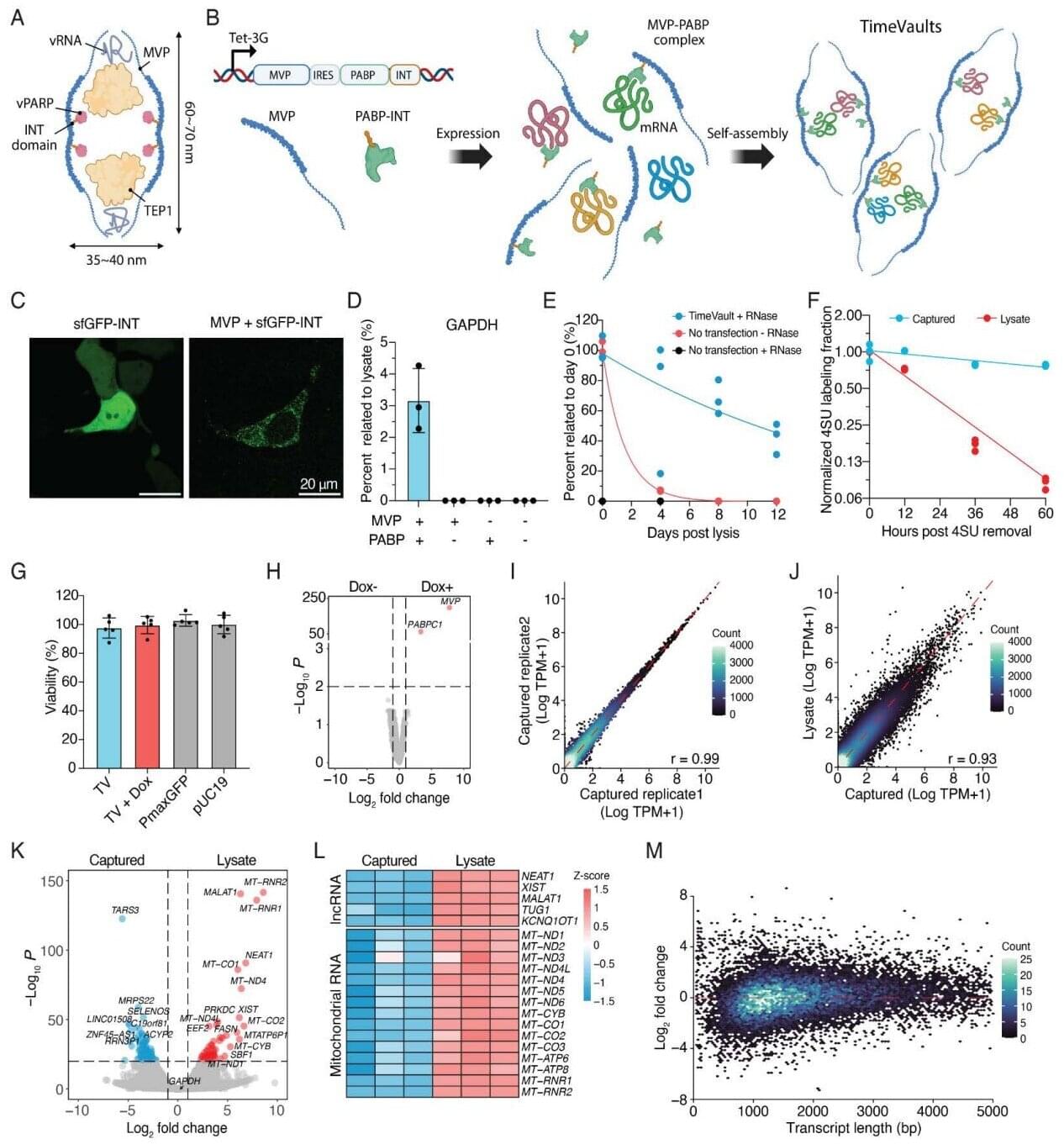
Scientists can peer into cells to get a limited view of their activity using microscopes and other tools. However, cells and the molecular events within them are dynamic, and developmental processes, disease progression and certain molecular cues are still difficult to discern. Ideally, scientists could leverage a system to obtain an unbiased record of a genome’s functional output, showing how cells respond to different conditions over time to gain useful insights. Now, it seems a group of researchers may have found a way to do just that.
A new study, published in Science, describes a technique to utilize mysterious cellular structures, called “vault particles,” to gather up mRNA by encapsulating and protecting it from degradation. This results in an ability to capture information, like transient stress responses and gene expression changes, and read it out at a later time.

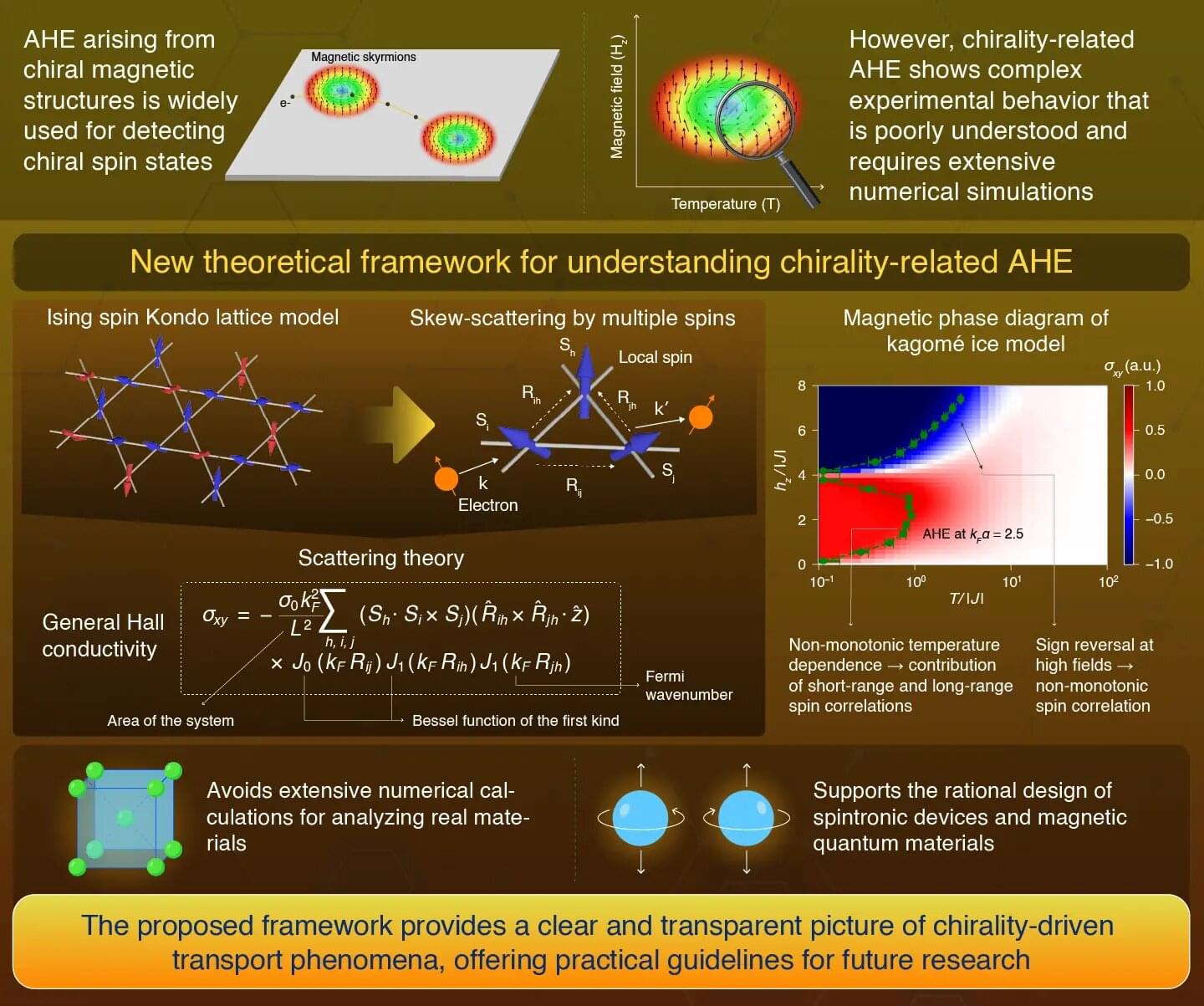
A new framework for understanding the nonmonotonic temperature dependence and sign reversal of the chirality-related anomalous Hall effect in highly conductive metals has been developed by scientists at Science Tokyo. This framework provides a clear picture of the unusual temperature dependence of chirality-driven transport phenomena, forming a foundation for the rational design of next-generation spintronic devices and magnetic quantum materials.
Magnetic materials exhibit a variety of intriguing properties during their magnetization process that reflect their magnetic states and excitations. These properties are studied by applying an external magnetic field to the material, producing the magnetization curve. Magnetic metals additionally demonstrate rich behavior in transport phenomena, referring to the flow of charge, heat, or spin under the influence of magnetic fields.
However, some of these behaviors are difficult to probe using the magnetization curve. The anomalous Hall effect (AHE) is one such effect. In the AHE, when an electric current passes through a magnetic metal, a voltage perpendicular to the current arises even in the absence of an external magnetic field. By contrast, in the traditional Hall effect, such a transverse voltage appears only when an external magnetic field is applied.