Get the latest international news and world events from around the world.
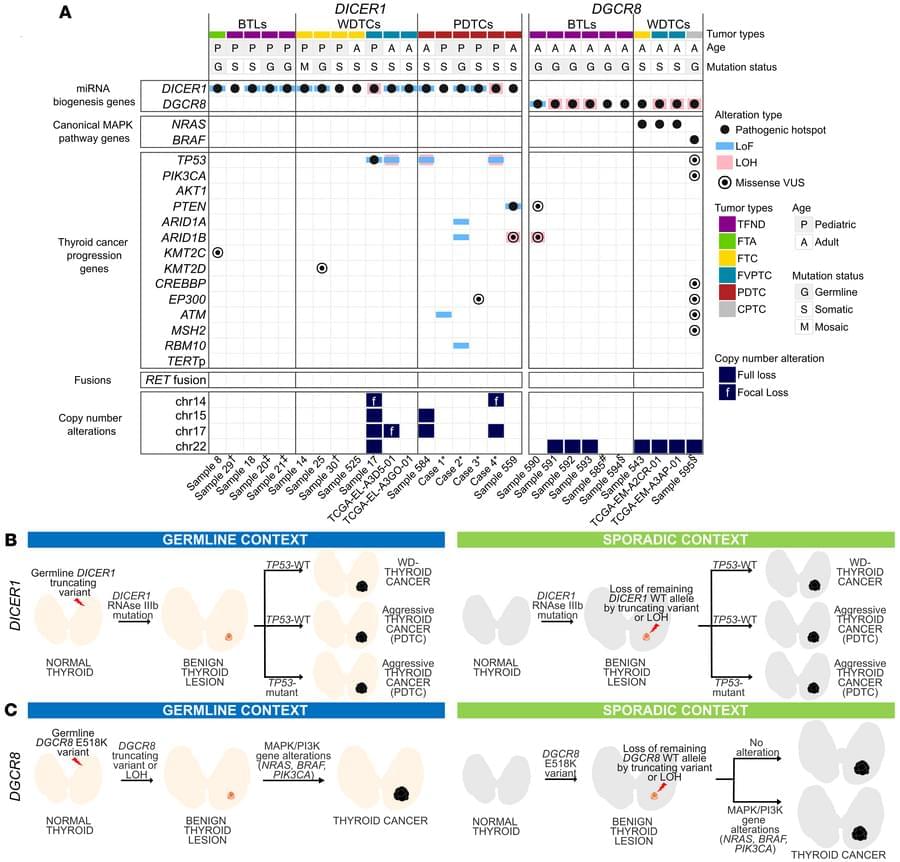
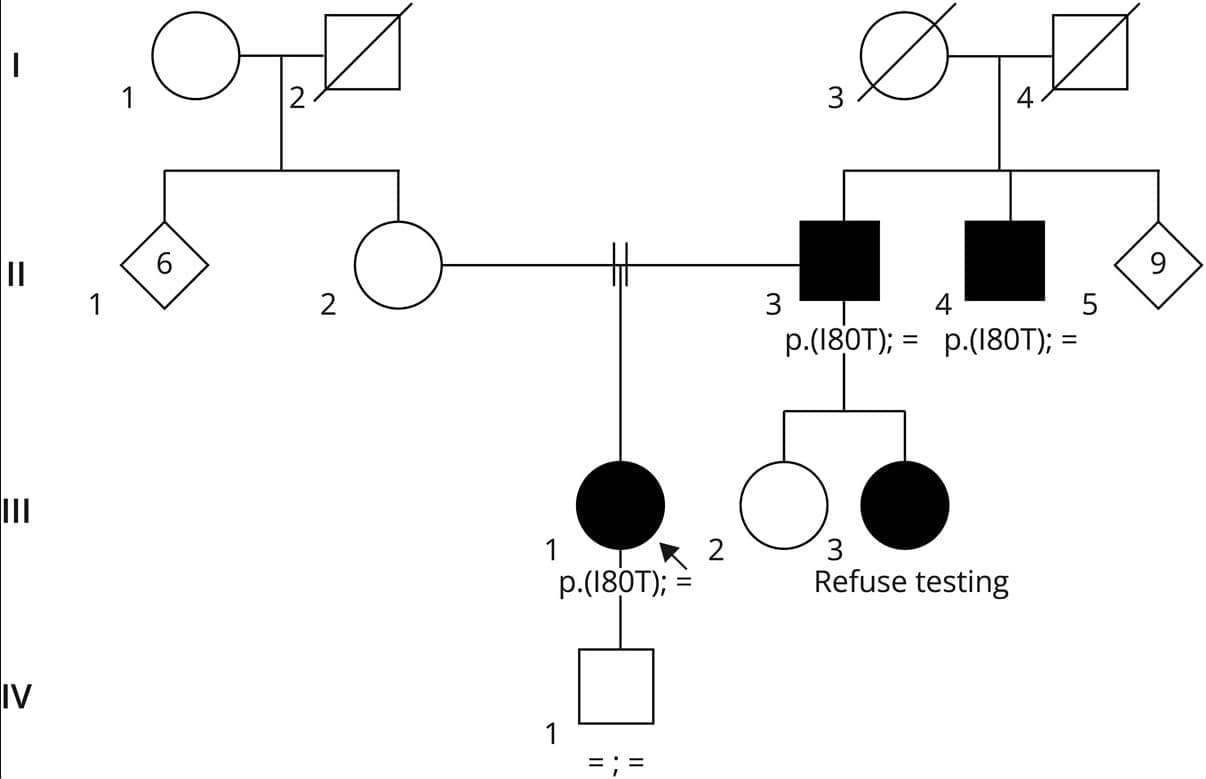
Germline mutations in DICER1 and DGCR8 can lead to a range of thyroid conditions
Here, Barbara Rivera & team report on the benign-to-malignant progression route in DICER1/DGCR8-thyroid lesions, identifying a DICER1-cancer epi-signature using multi-omic profiling:
The image depicts a thyroid lesion from a sporadic DICER1 case with immunofluorescent staining for pan-cytokeratin (green) and vimentin (red). Enclosed areas represent selected regions of interest.
1Program in Molecular Mechanisms and Experimental Therapy in Oncology (Oncobell), Bellvitge Biomedical Research Institute (IDIBELL), L’Hospitalet de Llobregat, Barcelona, Spain.
2Genetics Program, Faculty of Biology, and.
3Department of Biomedical Sciences, Faculty of Medicine and Health Sciences, University of Barcelona, Barcelona, Spain.
Comparative single-cell lineage bias in human and murine hematopoietic stem cells
A comparative single-cell analysis reveals similarities and differences in lineage bias between human and murine hematopoietic stem cells. This work deepens our understanding of how lineage commitment is regulated across species and provides a valuable framework for translating insights from mouse models to human hematopoiesis.
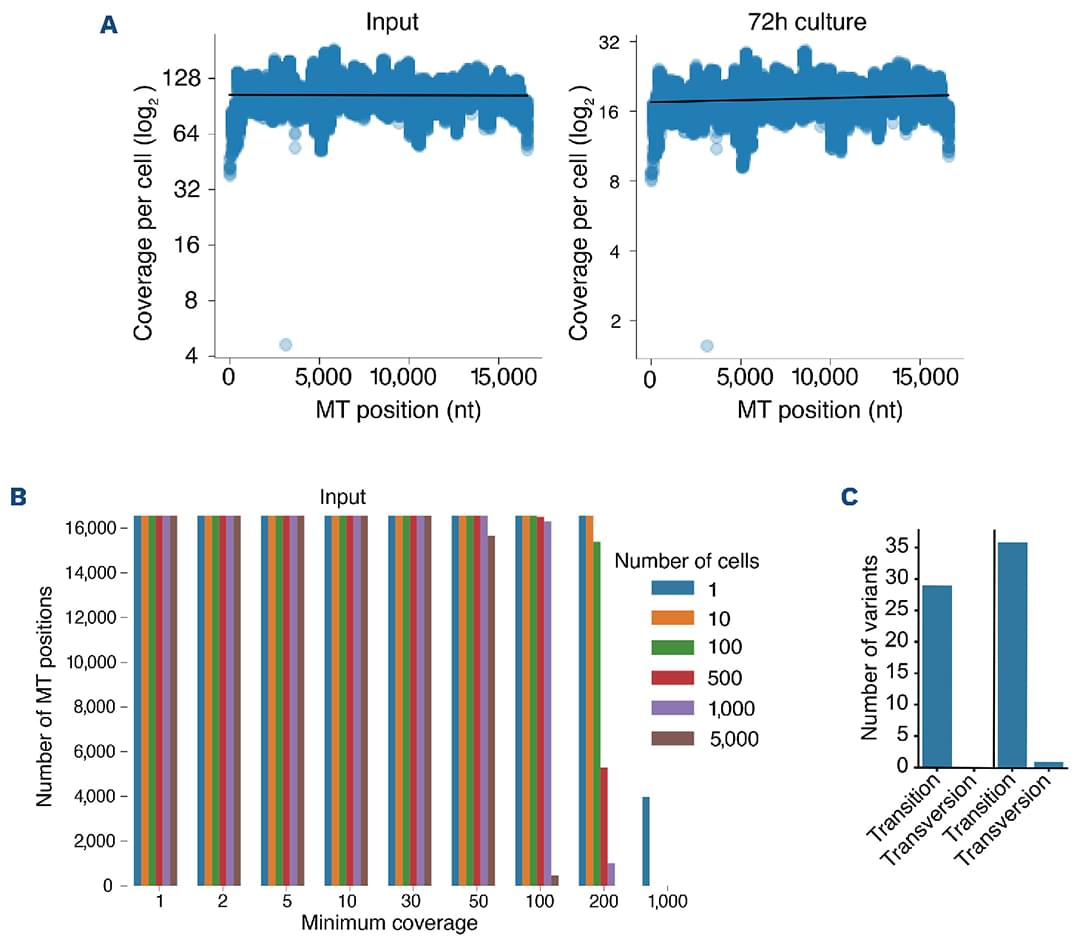
The commitment of hematopoietic stem cells (HSC) to myeloid, erythroid, and lymphoid lineages is influenced by microenvironmental cues, and governed by cell-intrinsic and epigenetic characteristics that are unique to the HSC population. To investigate the nature of lineage commitment bias in human HSC, mitochondrial single-cell assay for transposase-accessible chromatin (ATAC)-sequencing was used to identify somatic mutations in mitochondrial DNA to act as natural genetic barcodes for tracking the ex vivo differentiation potential of HSC to mature cells. Clonal lineages of human CD34+ cells and their mature progeny were normally distributed across the hematopoietic lineage tree without evidence of significant skewing. To investigate commitment bias in vivo, mice were transplanted with limited numbers of long-term HSC (LT-HSC). Variation in the ratio of myeloid and lymphoid cells between donors was suggestive of a skewed output but was not altered by increasing numbers of LT-HSC. These data suggest that the variation in myeloid and lymphoid engraftment is a stochastic process dominated by the irradiated recipient niche with minor contributions from cell-intrinsic lineage biases of LT-HSC.
Hematopoietic stem cells (HSC) are classically considered to have the capacity for complete regeneration of the hematopoietic compartment. More recent analyses indicate additional complexity and heterogeneity in the HSC compartment, with lineage-restricted or lineage-biased HSC considered a feature of mammalian hematopoiesis.1–13 A partial differential equation model to study relationships between hematopoietic stem and progenitor cells (HSPC) emphasizes that myeloid bias cannot be accounted for solely by short-term HSC bias during inflammation but rather involves a combination of HSC and progenitor cell biases.14 Central to the concept of lineage bias is an assumption that cells used for studying HSC commitment are HSC and not multipotent progenitors or lineage-committed progenitors. Changes in differentiation of cells downstream of the long-term HSC (LT-HSC) must also be evaluated when considering the potential lineage bias of a LT-HSC.

Israeli professor leads int’l team behind implantable device that could eliminate need for insulin shots
Assistant Professor Shady Farah from the Technion – Israel Institute of Technology’s Faculty of Chemical Engineering – has led an international research team that pioneered the development of an implantable, self-regulating device that produces insulin for patients with diabetes. The research is considered groundbreaking and could potentially eliminate the need for daily insulin shots.
The multinational study was conducted in cooperation with scientists from leading U.S. institutions, including the Massachusetts Institute of Technology (MIT), Harvard University, Johns Hopkins University and the University of Massachusetts.
The study, published last month in Science Translational Medicine, describes the implant as a self-regulating ‘artificial pancreas’ that monitors blood glucose levels and produces insulin internally, eliminating the need for external insulin shots. The researchers describe the technology as a ‘crystalline shield’ and report that it can operate in the body for years.
Technion researchers developed an implantable artificial pancreas that produces insulin, potentially eliminating daily shots for diabetes patients.
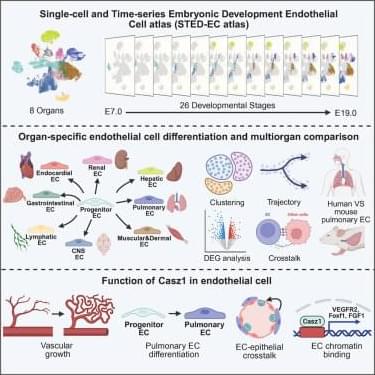
A single-cell time-series atlas of endothelial cell embryonic development
Now online! The STED-EC atlas enables inter-organ and multi-time-point comparisons of gene expression in endothelial cells, revealing substantial transcriptomic variations across endothelial cells from different embryonic organs and facilitating investigation of previously unknown molecular mechanisms that govern organ-specific vascular development.
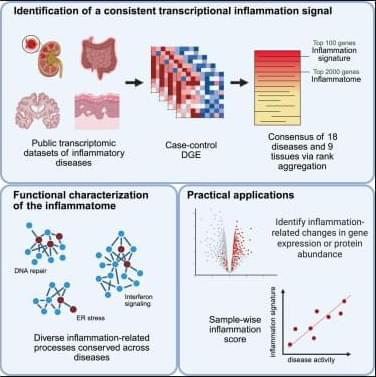
Cross-disease analysis identifies the inflammatome as a transcriptional program of inflammation
Díaz-Pinés Cort et al. identify a 100-gene inflammation signature and a broader 2,000-gene inflammatome, consistently upregulated across inflammatory diseases and tissues. They show that these resources can detect inflammation in transcriptomic and proteomic datasets, distinguish disease-specific signals from general inflammation, and generate sample-wise inflammation scores correlated with disease activity.

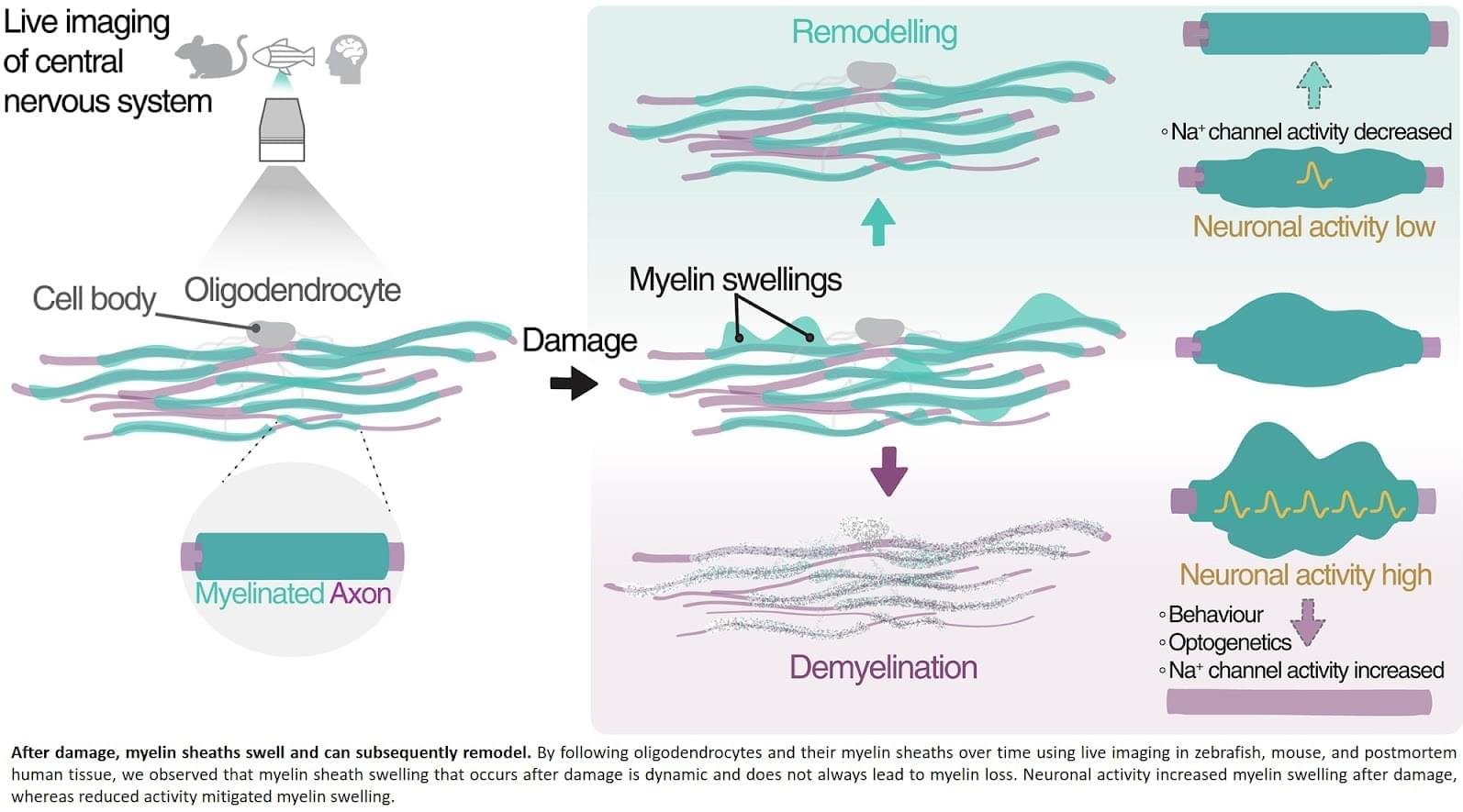
The dynamics of myelin swellings
This led to the discovery that myelin swellings have a dynamic character: they can not only grow, but also shrink and even recover completely. It also turns out that the activity of the underlying nerve fibre plays an important role; more activity of the nerve fibre leads to more and bigger swellings, while less activity allows for possible recovery.
The authors show that in human multiple sclerosis tissue, myelin swelling is also dynamic and is prominent around active lesions. Science Mission sciencenewshighlights.
An international research team have gained new insights into the dynamics of myelin swellings in the brain. Myelin swellings are considered as the precursor of lesions in the brain of people with multiple sclerosis (MS). The results have been recently published in the leading magazine Science.
MS is characterised by lesions in the brain and the spinal cord. Aside from these inflammations, damage can also be visible in the myelin; the protective layer surrounding nerve fibers. Myelin swellings are seen as a precursor for damaged myelin.
The research team used advanced microscopy techniques and different models – from zebrafish and mouse models to human brain tissue – to research the formation of this damage.