Try as they might, scientists can’t truly rid a space or an object of its energy. But what “zero-point energy” really means is up for interpretation.


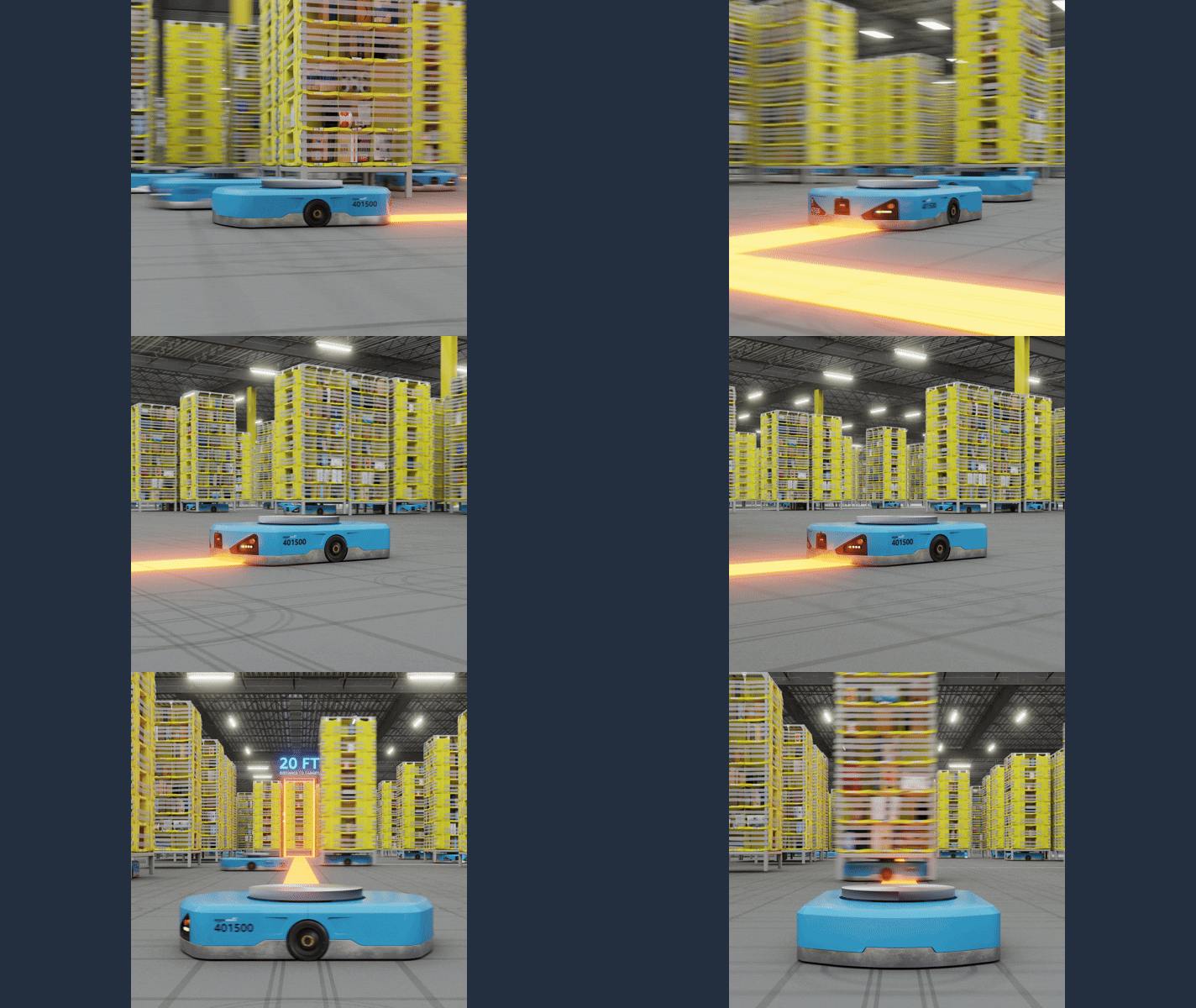
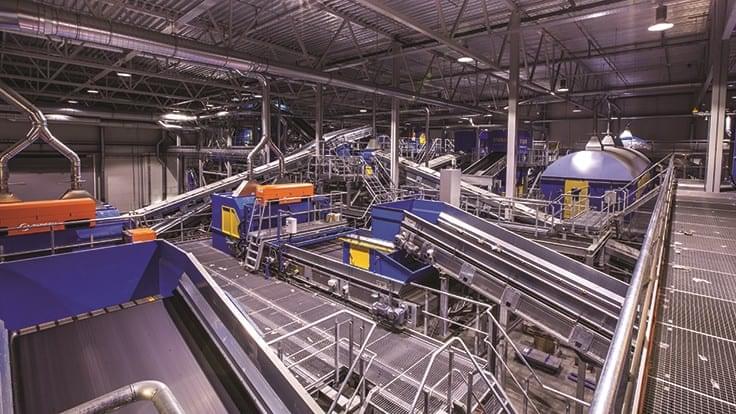
When fully automated waste and recycling facilities were just a concept in the industry, Norwegian municipal solid waste (MSW) hauling company Romerike Avfallsforedling (RoAF) turned the concept into a reality.
Powered by a sorting system installed by Germany-based Stadler Anlagenbau GmbH, RoAF opened the world’s first fully automated mixed waste processing facility in 2016 in the village of Skedsmokorset, just outside of Oslo, to help meet the needs of Norwegian municipalities that were facing high labor costs. While the concept was three years in the making, Stadler needed just three months to complete construction of the facility.
RoAF collects household and food waste from 10 municipalities in Norway, including Skedsmo, which boasts a population of roughly 53,000 people. When waste arrives at the automated plant, it’s first fed onto a conveyor, which delivers the waste into the sorting plant.

Fully automated autonomous city face_with_colon_three
Final Thoughts
The photos above are intended to open your mind to the possibilities of living in a 24-hour city.
There are many side effects to automation and not all of them are positive. But one aspect of our automated future will be 24-hour access to most goods and services, many of which are only available during normal business hours today.

KANSAS CITY, Mo. (KCTV) — Part of rolling out trash carts to Kansas City homes included a fully automated trash truck.
The City of Kansas City tweeted out a video of the truck hitting the road on it’s first day.

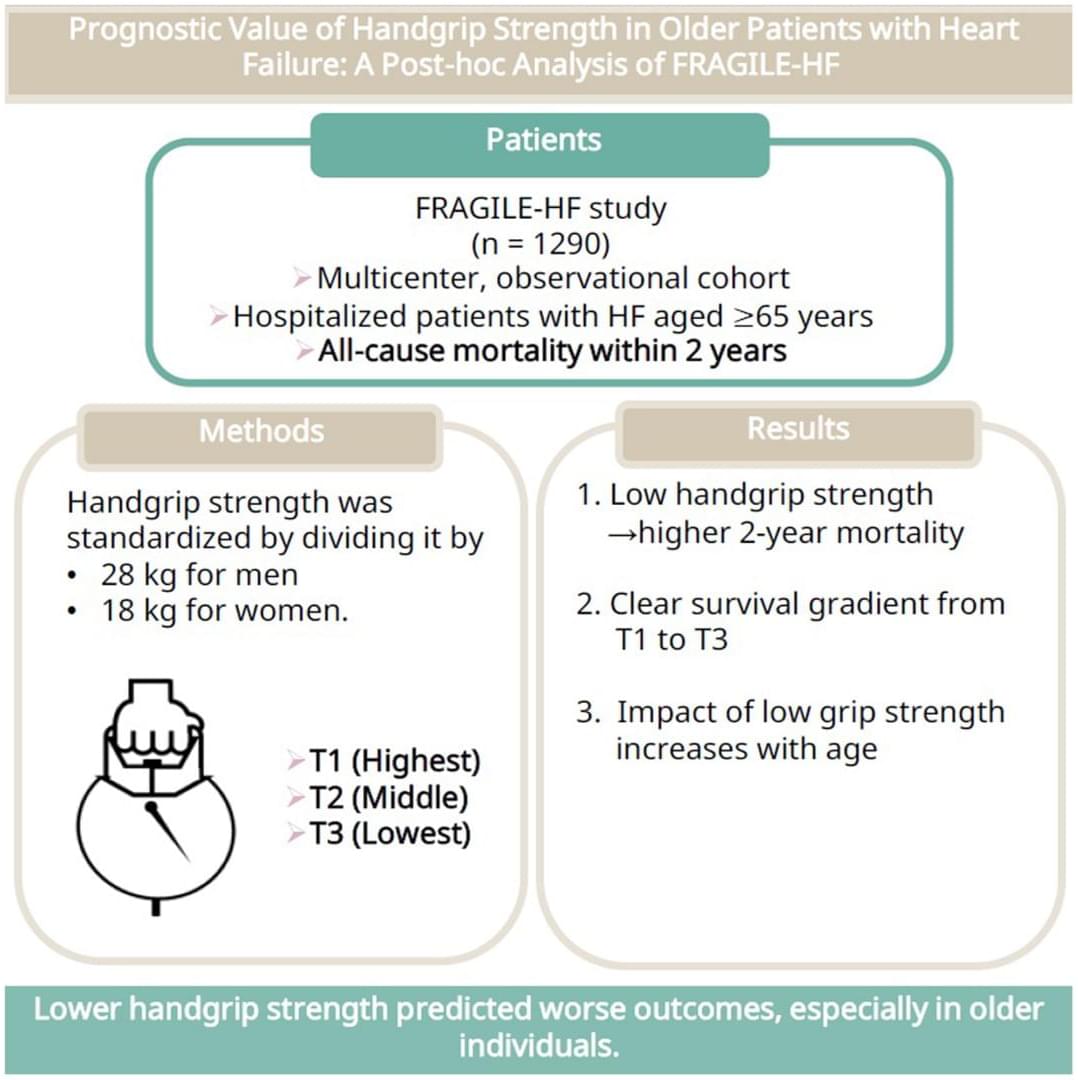
Lower handgrip strength is associated with higher 2-year death risk in older heart failure patients, with stronger impact at advanced ages. @NakadeTaisuke @yuya_matsue
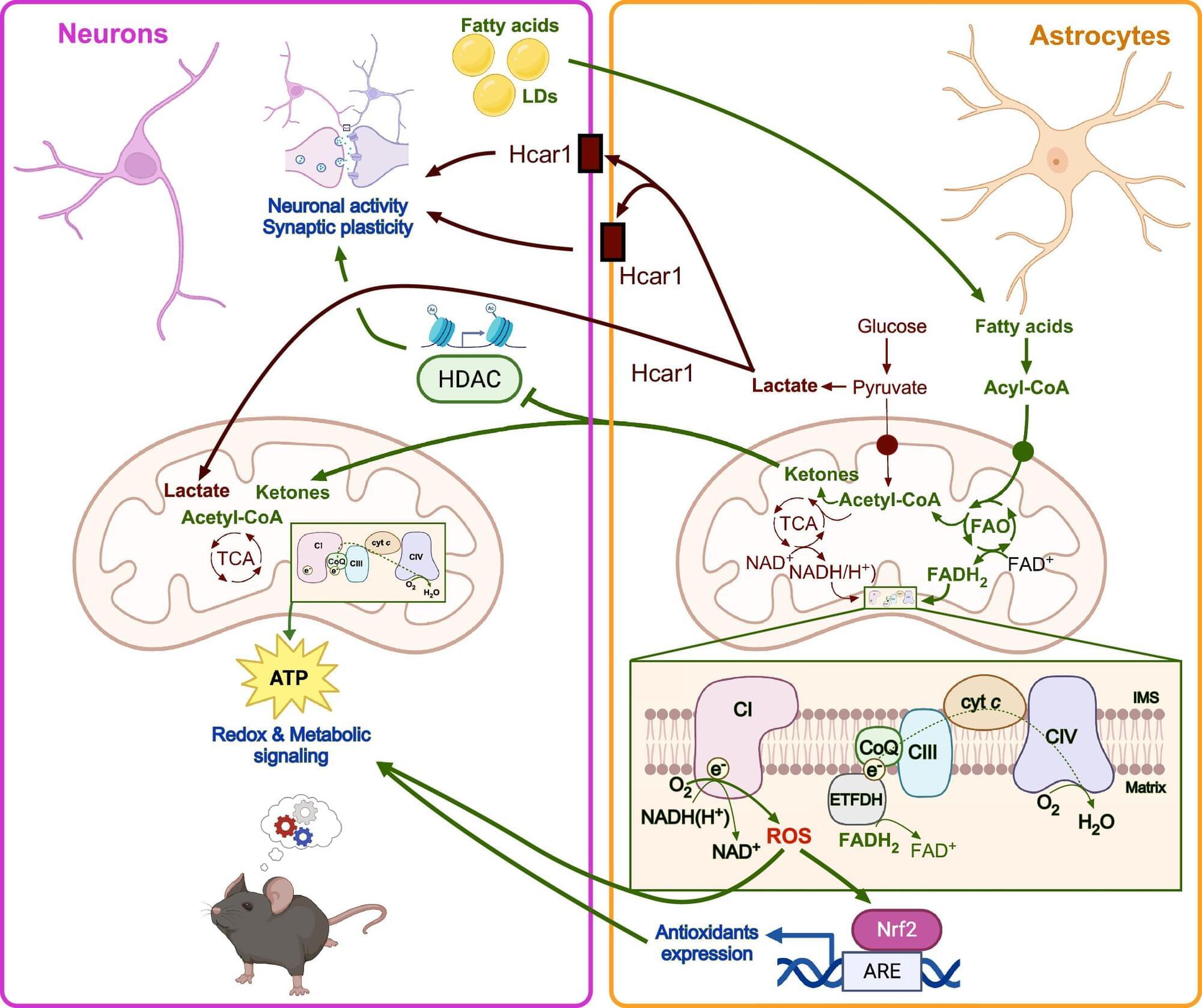
Astrocytic lipid metabolism in brain signaling.
Glia previously thought to be support cells of brain but recent evidence suggest that the astrocytes, the most abundant glial cell type in addition to supplying neurons with lactate via glycolysis also actively engage in lipid metabolism, especially mitochondrial fatty acid β-oxidation.
Researchers in this review integrate astrocytic fatty acid ß-oxidation and ketogenesis, alongside other metabolic pathways converging on reactive oxygen species dynamics, including cholesterol metabolism and peroxisomal β-oxidation.
Thus, convergence of energy metabolism to signaling may provide new insights to central nervous system function and dysfunction. https://sciencemission.com/astrocytic-lipid-metabolism
Astrocytes, the most abundant glial cell type in the central nervous system, have traditionally been viewed from the perspective of metabolic support, particularly supplying neurons with lactate via glycolysis. This view has focused heavily on glucose metabolism as the primary mode of sustaining neuronal function. However, recent research challenges this paradigm by positioning astrocytes as dynamic metabolic hubs that actively engage in lipid metabolism, especially mitochondrial fatty acid β-oxidation. Far from serving solely as an energy source, fatty acid ß-oxidation in astrocytes orchestrates reactive oxygen species-mediated signaling pathways that modulate neuron-glia communication and cognitive outcomes.
Live from CES in Las Vegas, NVIDIA CEO Jensen Huang shares how the next generation of accelerated computing and AI will transform every industry. The event kicks off with a one-hour NVIDIA pregame show where panelists discuss the future of AI infrastructure, open ecosystems, and physical AI.