Toggle light / dark theme

Get the latest international news and world events from around the world.

Log in for authorized contributors

Meta-Harness: End-to-End Optimization of Model Harnesses

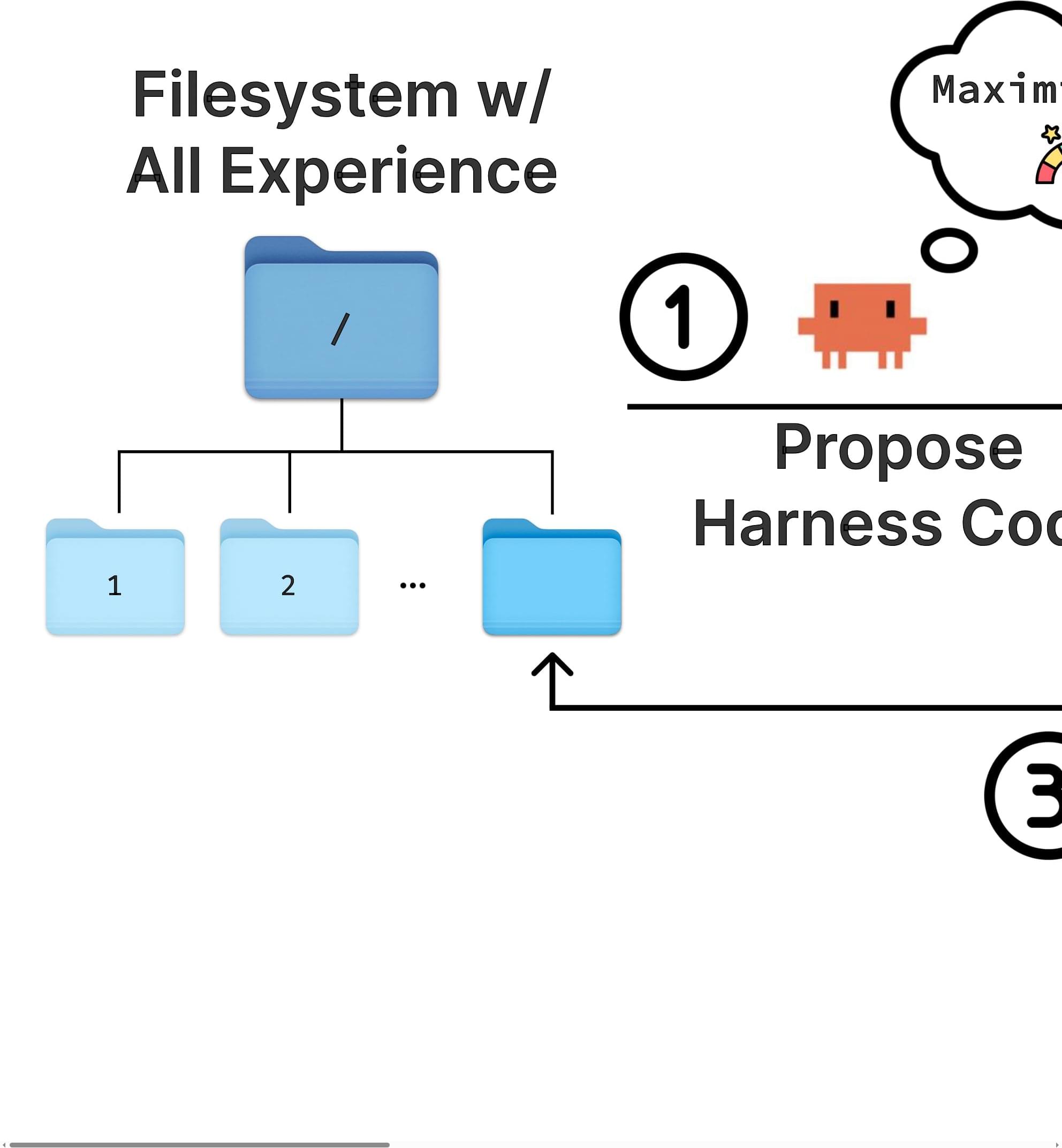
Think of a Large Language Model (LLM) like a brilliant scholar. To do their job well, they don’t just need their own brain; they need a good workspace—a desk with the right books, a filing cabinet that’s easy to navigate, and a clear set of instructions on how to process information. In the tech world, this “workspace” is called a harness.

Up until now, these harnesses have been built by human engineers through trial and error. While we have tools to automatically improve the AI’s “brain” (the model weights), the code that actually manages the AI’s information has remained stubbornly manual.


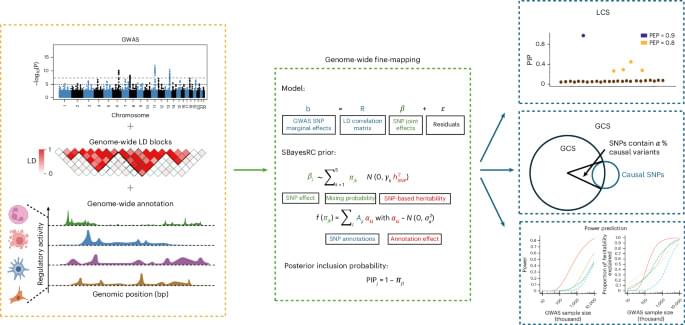
Meta-Harness automatically optimizes model harnesses — the code determining what to store, retrieve, and present to an LLM — surpassing hand-designed systems on text classification, math reasoning, and agentic coding.

THIS is the Biggest Thing Since CGI

Antigraivty A1 ► Get 20% off the Antigravity A1 360 Drone Here: https://www.antigravity.tech/drone/antigravity-a1/buy?utm_term=AGRTH6X get two free accessories using our link https://www.antigravity.tech/accessor

Learn all sbout Gaussian Splats in this video with Wren! Lets go on a journey learningwhat they are, how the work, and some cool stuff you can do with them!

Our videos are made possible by Members of CorridorDigital, our Exclusive Streaming Service! Try a membership yourself with a 14-Day Free Trial ► http://corridordigital.com/

See Wren’s Gaussian Splat scans here!!!
https://superspl.at/user?id=wrender.

The Show Room.
Studio Space and LED Wall ICVFX
www.showroomdtla.com/

4DV.ai.

Brain Disease Decades Later? Study Links Childhood Surgery to Amyloid Build-Up

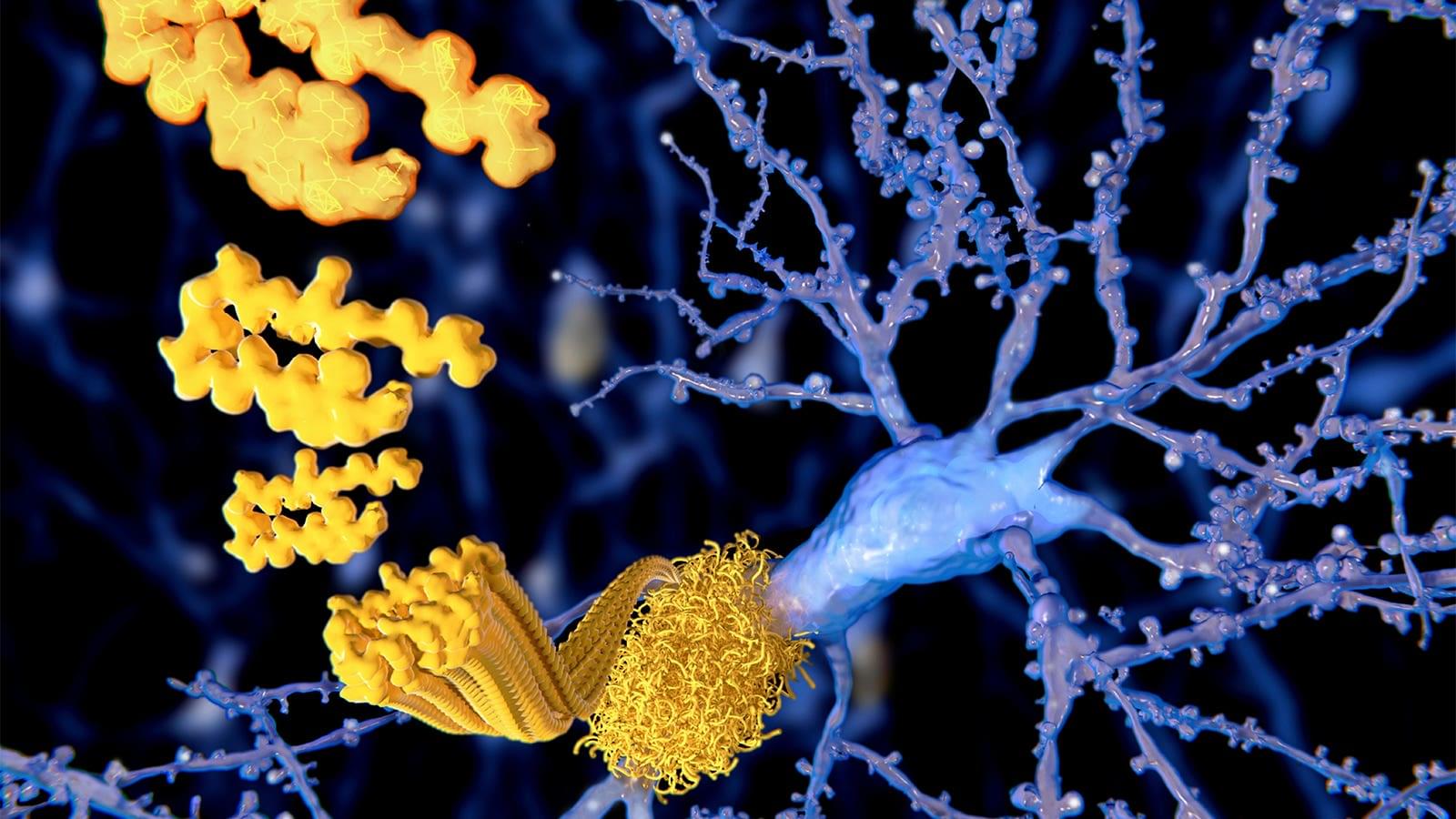
A new report describes two unusually young patients who developed cerebral amyloid angiopathy decades after childhood cardiac surgery. Researchers suspect amyloid-beta may have been inadvertently transmitted through cadaver-derived surgical material used at the time. The finding does not mean Alzheimer’s is contagious in everyday life, but it does add to evidence that rare past medical exposures may seed abnormal brain protein buildup years later.


Reference #18.45a42617.1774897640.756bc240

https://errors.edgesuite.net/18.45a42617.1774897640.756bc240

Aerosol jet printing creates durable, low-power transistors for next-generation tech

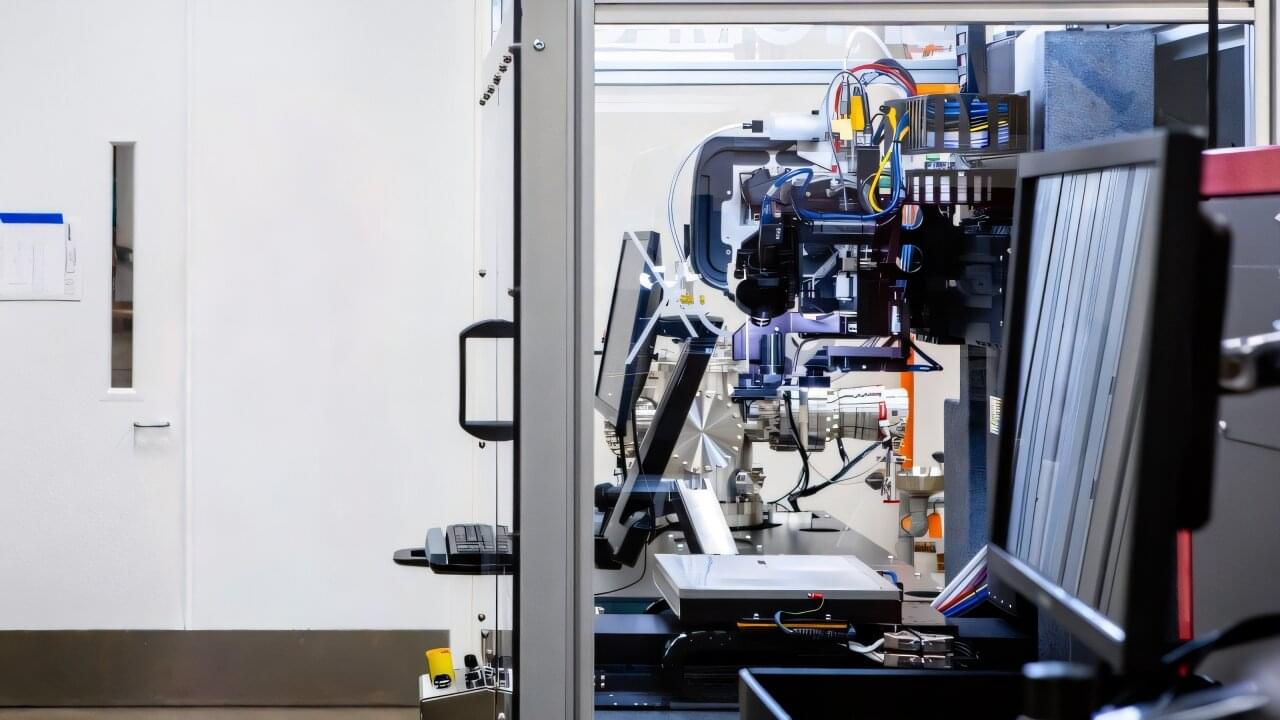
Tiny electronic devices, called microelectronics, may one day be printed as easily as words on a page, thanks to new research from scientists at the U.S. Department of Energy’s (DOE) Argonne National Laboratory. Building on years of progress in printed electronics, the team has shown how to create durable, low-power electronic switches, called transistors, by combining custom inks and a specialized printing process.

These switches, which control the flow of electrical current to turn circuits on and off, use very little power, are built to last and show new behaviors not seen in earlier printed devices. This research could help create flexible sensors, smart windows and other new technologies that need reliable, energy-saving electronics. The work is published in Advanced Materials Technologies.

How aerosol jet printing works The scientists used a method called aerosol jet printing, which works like an inkjet printer. But instead of regular ink, it uses specially formulated ink made from nanoparticles. The printer turns the ink into a fine mist and sprays it onto a surface, building up layers to form electronic parts.

Astrophysicists trace the origin of valuable metals in space, from colliding stars to merging galaxies

Billions of light years away in a remote part of the universe, two neutron stars—the ultradense remnants of dead stars—collided. The catastrophic cosmic event sent light and particles, including a sudden flash of gamma rays, streaming through the universe. These gamma rays traveled for 8.5 billion years before reaching Earth.

In a new study, our team of astrophysicists examined this gamma-ray signal. We learned that the stellar collision it came from was likely caused by an even more catastrophic encounter—a merger between two galaxies.

This is the first time astronomers associated this type of signal with such a large-scale galactic interaction. Our finding offers new insight into how stellar collisions spread metals across the universe.

Cooperation by non-kin during birth underpins sperm whale social complexity

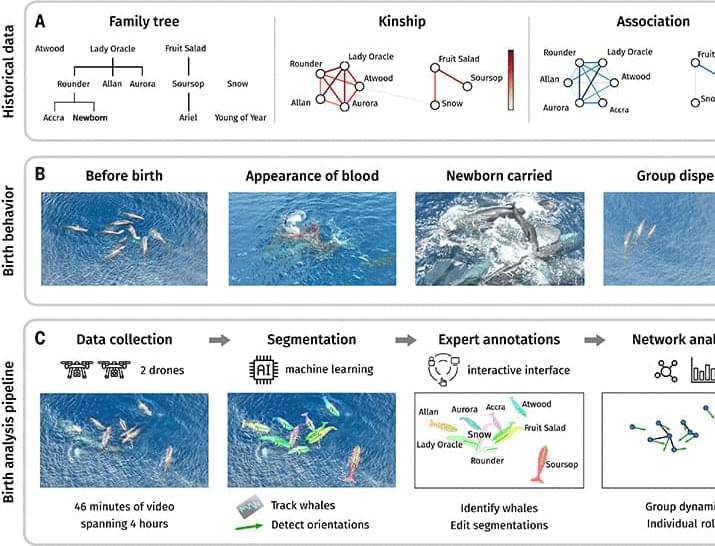
In an unprecedented observation, researchers in Science captured the birth of a sperm whale calf, documenting how 11 whales from two normally separate family groups coordinated closely to support the newborn for hours after its arrival.

These findings offer quantitative evidence of direct communal caregiving in cetaceans and suggest that short-term, highly coordinated cooperation during critical moments like birth may play a foundational role in maintaining the complex social structures seen in sperm whale societies.


Birth and neonatal care represent particularly revealing contexts for understanding the emergence of cooperation. Cetacean species produce a small number of offspring with long lifespans. Calves are born infrequently and represent a major maternal investment; calf survival depends heavily on immediate support after birth and early caregiving (9). Thus, births offer critical opportunities to study how individuals coordinate in high-stakes contexts. Direct quantitative observations of sperm whale births remain virtually absent (14), with only four sperm whale births being reported over the past 60 years, and all of them either anecdotal or whaling related (1518).

Within the matrilineal social units of sperm whales, individuals take turns socializing, foraging, and caring for calves across years (1924). Through decades of observational work (19, 21, 22, 2528), communal allocare for calves has been identified as the central mechanism driving selection for sociality in this species. Although it has been hypothesized that communal defense and shared parental care underpin the evolution of sperm whale sociality (19, 22, 23, 26), these hypotheses have lacked direct empirical grounding during the birth of a newborn. Newborns are assumed to be negatively buoyant (20, 29) and likely require immediate physical support to breathe, and this potentially shapes the evolutionary importance of cooperative allocare within units (26, 30). Under this framework, the survival of mothers and newborns around birth creates a potentially dangerous environment in which selection is strongly imposed.

Here, we present a high-resolution, multiscale analysis of a sperm whale birth event through the integration of drone-based videography, machine learning, and longitudinal association and kinship data. We quantified how individuals across two distinct matrilines coordinated around the mother and newborn by analyzing and tracking physical support, proximity, orientation, and role distribution over time. Our results suggest that kin and non-kin engaged in sustained, cooperative, postnatal care, taking turns to support the newborn and maintain group cohesion, in contrast to historical kin-segregated foraging patterns (21). These findings provide rare quantitative evidence of direct allocare in cetaceans and can lend support to the hypothesis that transient, structured cooperation during birth is a key mechanism sustaining complex sociality in sperm whales.
/* */