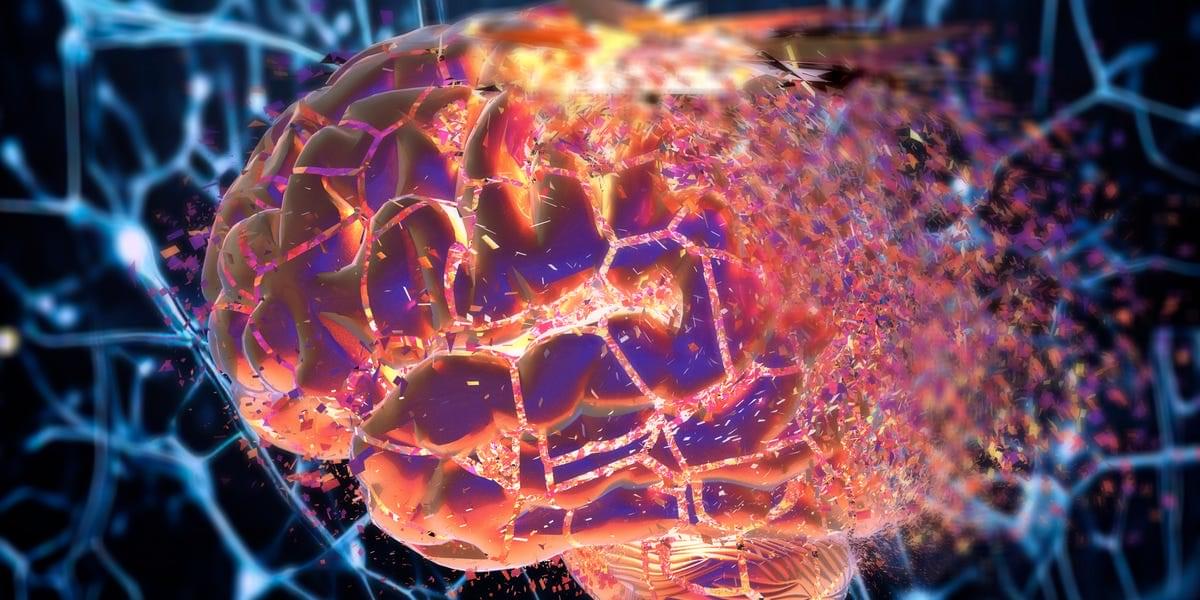
Are we finally on the right track to understand our consciousness?
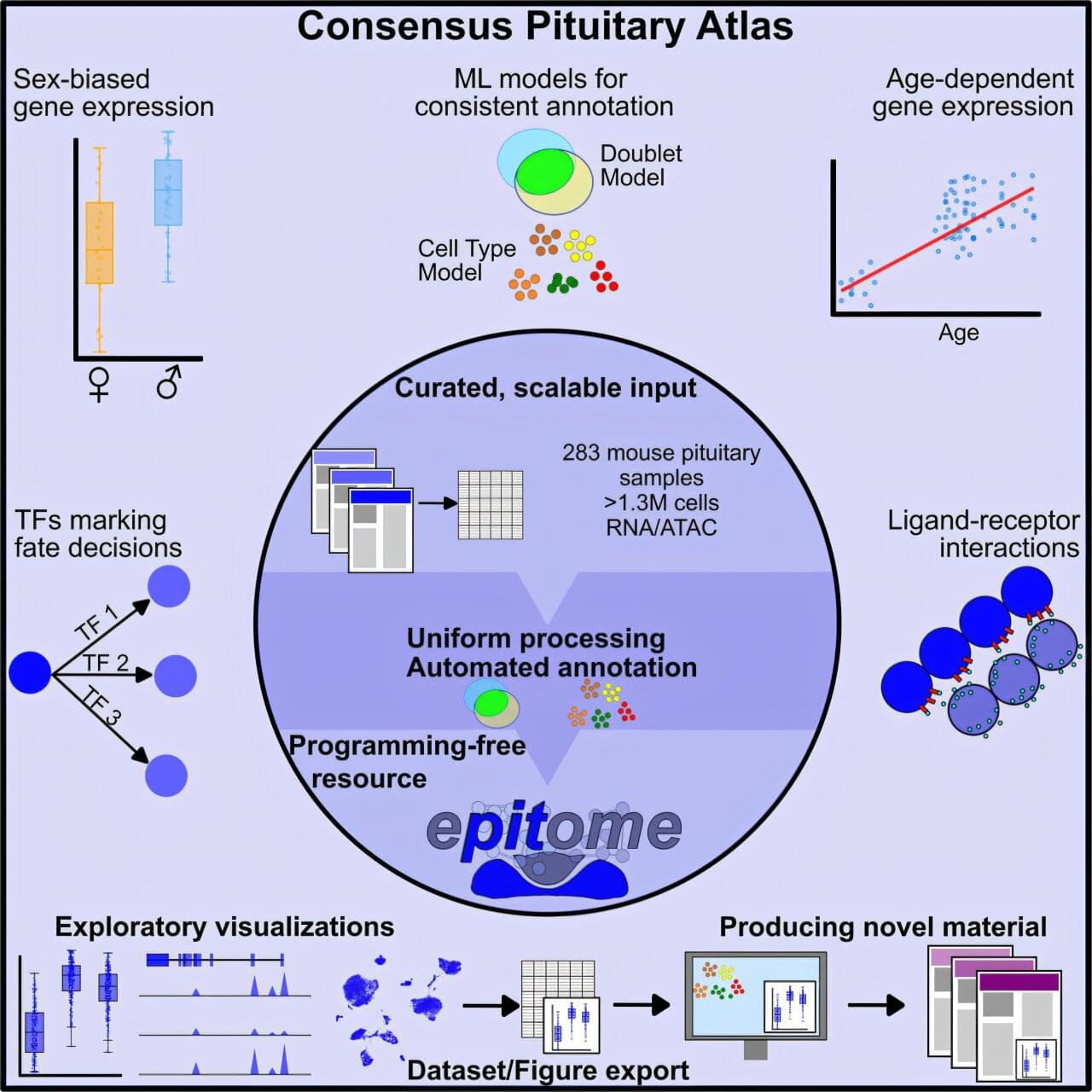
A new study has created a detailed map of the pituitary gland, often called the body’s “master gland” because it controls important functions such as growth, stress and reproduction. Researchers from the Center for Craniofacial & Regenerative Biology combined data from many studies to build a single, clearer picture of how this gland works. They created the Consensus Pituitary Atlas, along with an easy-to-use website where scientists can explore the data and analyze their own.
Over the past 10 years, scientists have used a method called single-cell RNA sequencing to measure how genes work in individual cells. This method has also been used to study the pituitary gland. Since 2018, researchers have collected data from 1.3 million pituitary cells across nearly 40 studies.
However, these studies were often small, used only a few animals, usually male, followed different analysis methods, and employed inconsistent naming conventions for cell types. This made results hard to compare and sometimes unreliable.
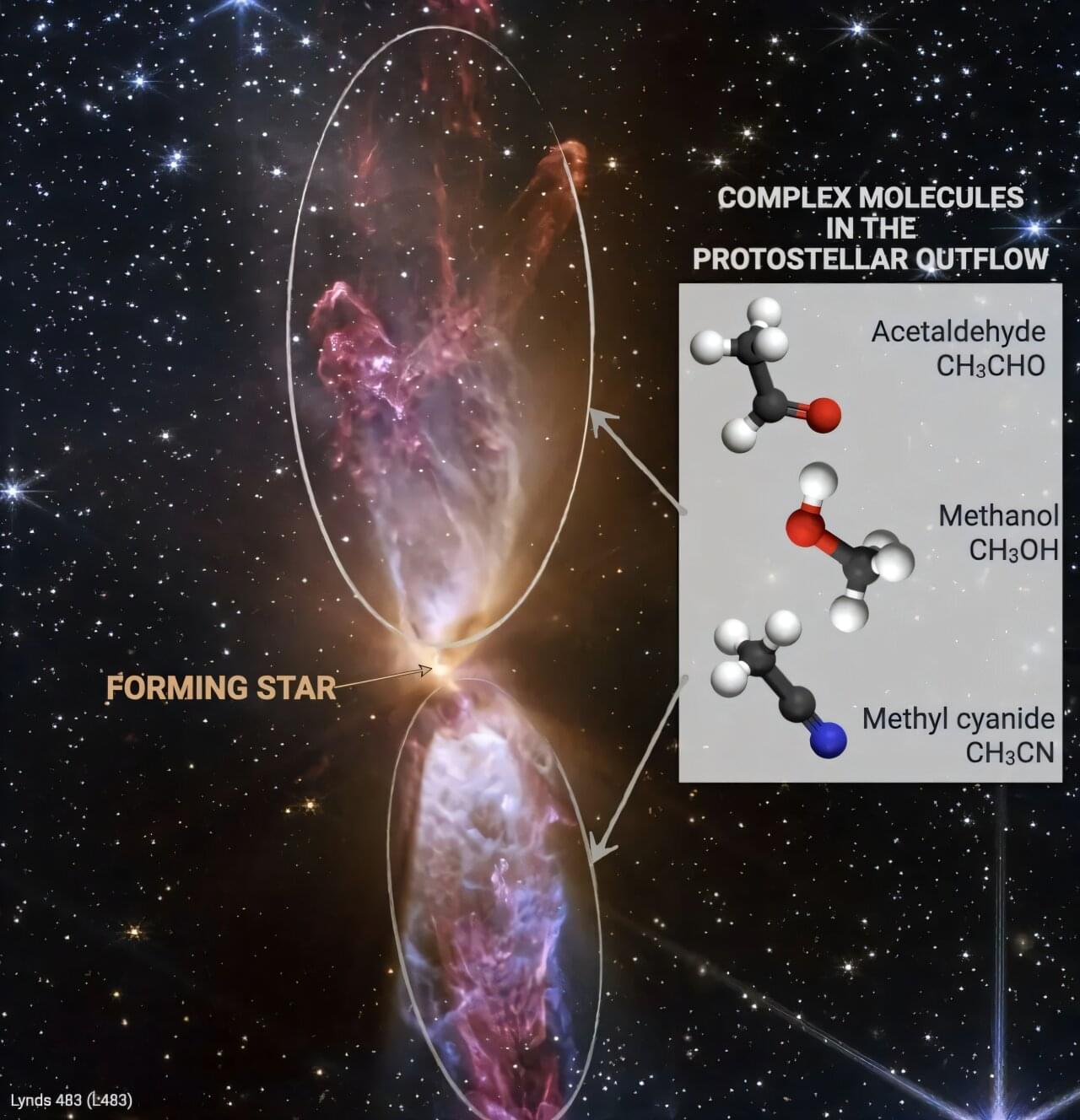
Life exists because elements combine to form complex organic molecules. Astrochemistry studies this process, trying to understand how nature creates carbon-based molecules critical for life. One source for these types of molecules is the outflows emitted by protostars.
Protostars grow by accreting gas, and while they do so, they also emit energy. Protostars haven’t begun fusing hydrogen yet, so their energy comes from shocks on its surface generated by in-falling gas. They can also emit high speed streams of gas as astrophysical jets. These jets carry away excess angular momentum, allowing the protostars to keep growing. These jets also create illuminated shocks in the interstellar medium (ISM).
Shock fronts like these are where energy and matter are concentrated, and that’s where Nature does its thing. They’re like a chaotic speed-dating event for chemicals. The heat and pressure splits some molecules apart and binds others together and it all happens quickly.
Two of my favorite people. Definitely worth a view if you are interested in either.
Few thinkers have shaped our understanding of the future as profoundly as Ray Kurzweil. An American inventor, computer scientist, futurist, entrepreneur, and bestselling author, Kurzweil is widely regarded as one of the most influential technological forecasters of our time. For decades, he has accurately predicted many of the innovations that now define modern life, from mobile computing and artificial intelligence to digital assistants and large language models often years before they entered the mainstream.
In this special conversation, Tony Robbins sits down with Ray Kurzweil in San Francisco to explore one of the most important questions facing humanity: What happens next?
Together, they examine the accelerating pace of artificial intelligence, the path toward Artificial General Intelligence (AGI), the rise of autonomous agents, the future of work and education, breakthroughs in healthcare and longevity, and how these technologies may transform society over the coming decade.
Kurzweil explains why his long-standing prediction of AGI by 2029 now appears increasingly conservative, why the next few years may bring more change than any period in human history, and how humanity may ultimately merge with the very technologies it creates.
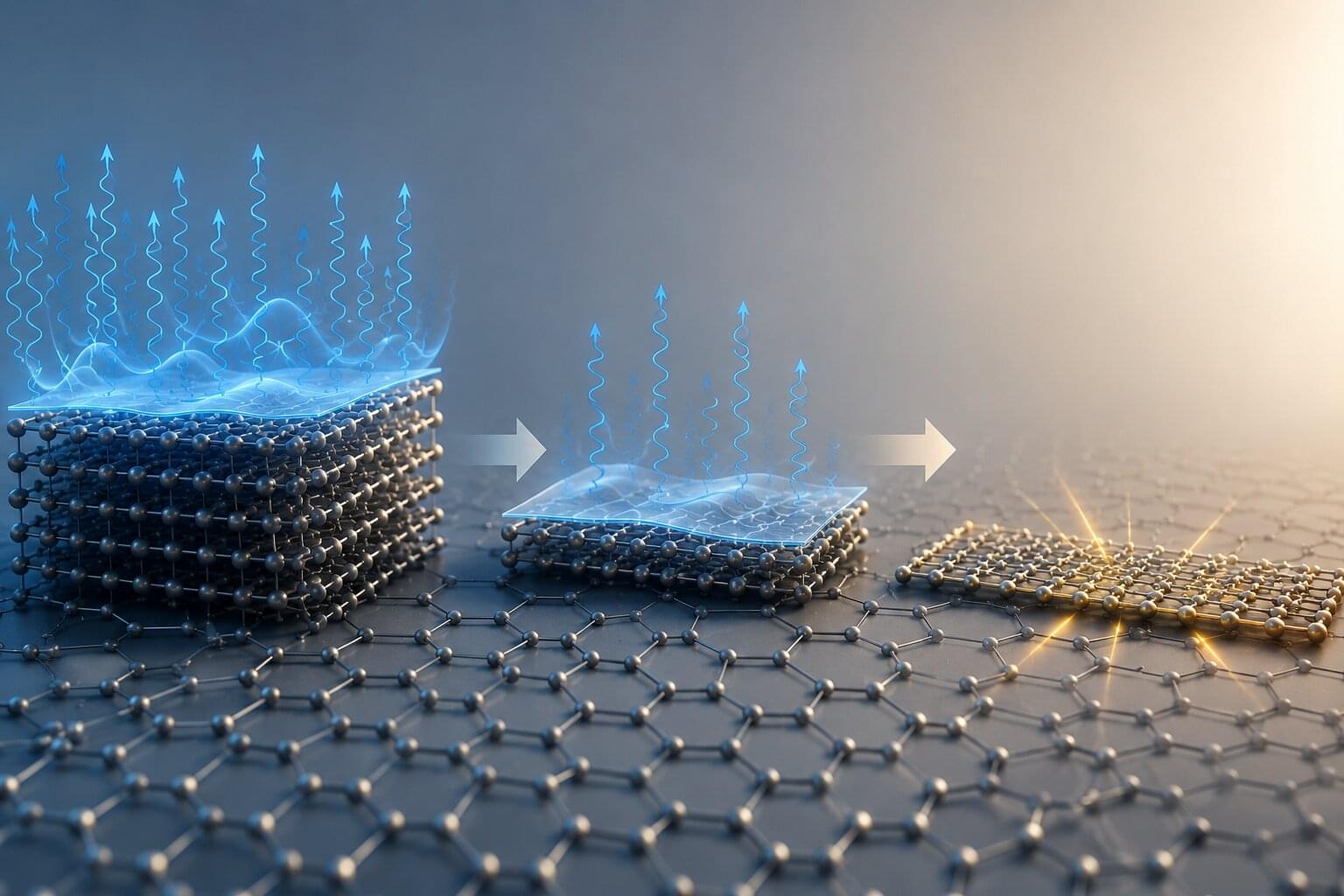
One of the most fascinating aspects of physics is that nature often behaves in ways that seem completely counterintuitive. A good example comes from ultrathin materials. If I take a sheet of material and make it thinner and thinner, most people would expect it to become weaker. After all, there is less material left to bear a load.
Yet over the last decade, experiments and simulations have repeatedly shown something surprising: when certain materials become extremely thin—only a few nanometers or even a few atomic layers thick—they can become dramatically more resistant under extreme mechanical loading.
This phenomenon has been observed in systems as different as graphene, graphene oxide, and ultrathin polymer films. The effect was clear, but the reason behind it remained unclear. Why should materials with completely different chemistry and structure all exhibit a similar trend?
Gives some intuition concerning how initially random recurrent neural networks can be trained to produce complex behaviors mimicking input/output relationships of recurrent neural networks in the brain. The important thing here is that these networks can produce complex temporal dynamics (even in the absence of input) unlike the static feedforward neural networks we discussed before.