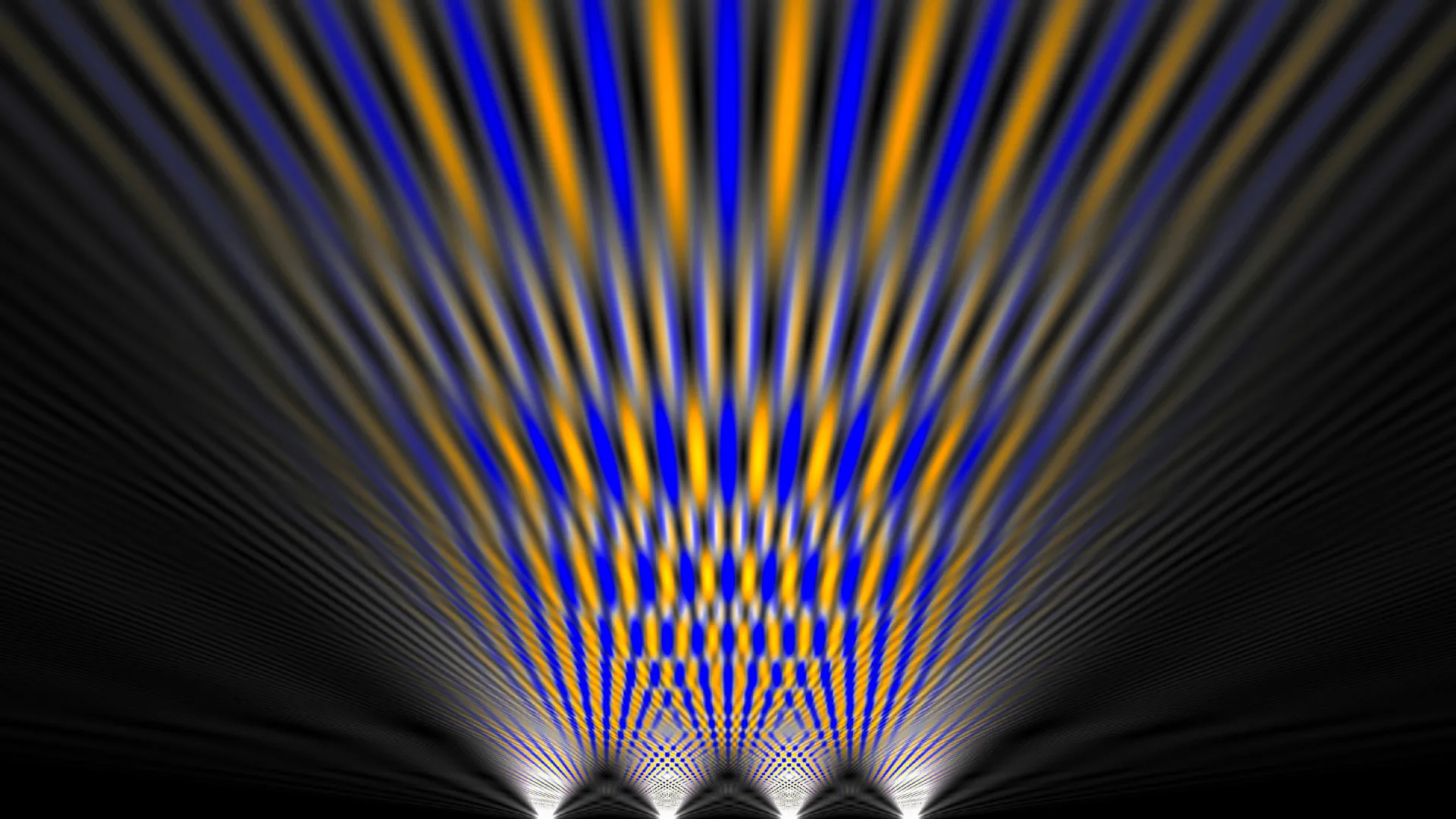
Scientists have unveiled a new approach to ultra-secure communication that could make quantum encryption simpler and more efficient than ever before. By harnessing a 19th-century optics phenomenon called the Talbot effect, researchers developed a system that sends information using multiple states of single photons instead of just two, dramatically boosting data capacity. Even more impressive, the setup works with standard components and requires only a single detector, reducing cost and complexity.
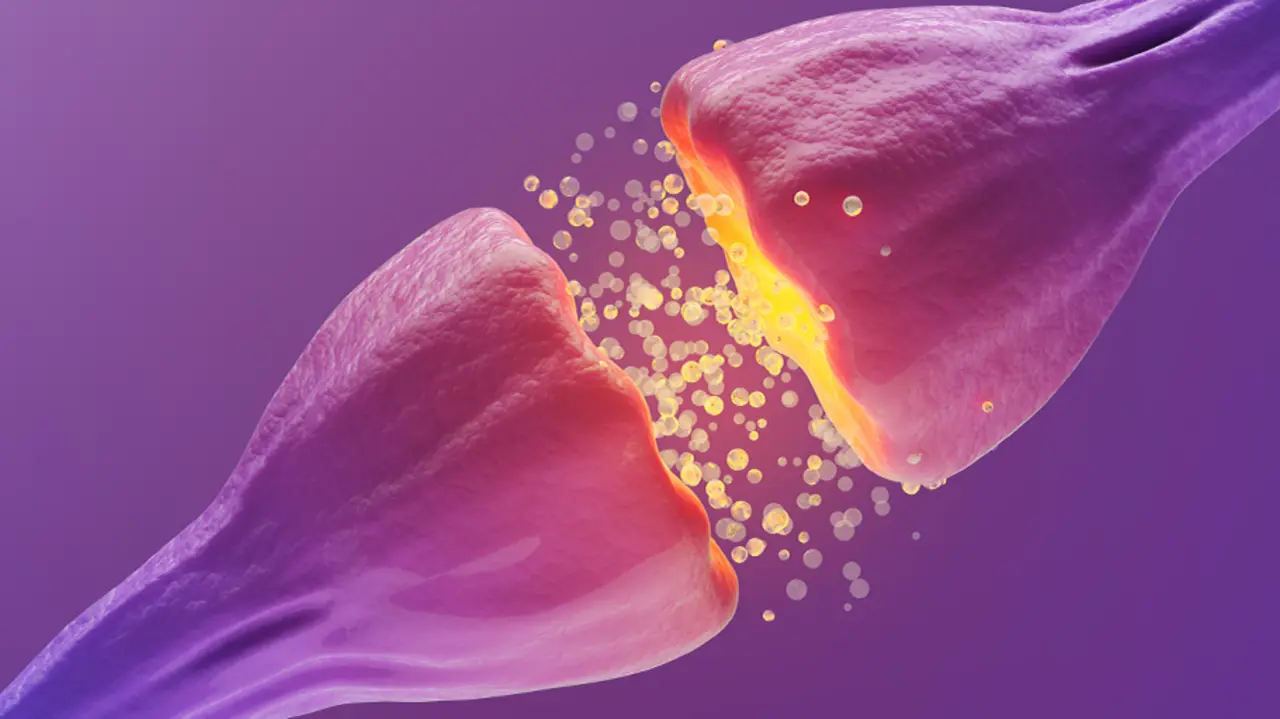
We’re often seduced by the idea that the mind is a computer, and that consciousness is just a matter of running the right code. But philosopher Peter Godfrey-Smith, renowned for his work on octopus minds, disagrees. Fresh research into animal minds—from bees to jellyfish—suggests that consciousness arises not from software but from electrical oscillations moving rhythmically across cell membranes in living brains. And those oscillations, Godfrey-Smith argues, are unlikely to be reproducible in artificial hardware. Perhaps, then, only living brains can truly be conscious.
Late in the previous century, there seemed to be good reasons to think that the physical make-up of a system could not matter much to whether that system had a mind. The organization of the system is what matters, people thought, and physically different systems can be organized the same way. As a result, artificial minds making use of ordinary computer hardware should be possible. This whole discussion was hypothetical, because there weren’t any convincing possible cases of artificial minds to worry about.
Since then, two things have happened. From around 2022, we’ve been confronted with candidates for artificial minds that are disturbingly impressive. These are the LLM systems, such as ChatGPT. But reasons have emerged to doubt that the physical make-up of a system is irrelevant and minds are “substrate independent.” A view sometimes called biological naturalism holds that the biological details of nervous systems might make a difference to whether a physical system has a mind. (The term was coined, with this sense at least, by John Searle.) But if nervous systems and brains are special, what is it that makes them special?
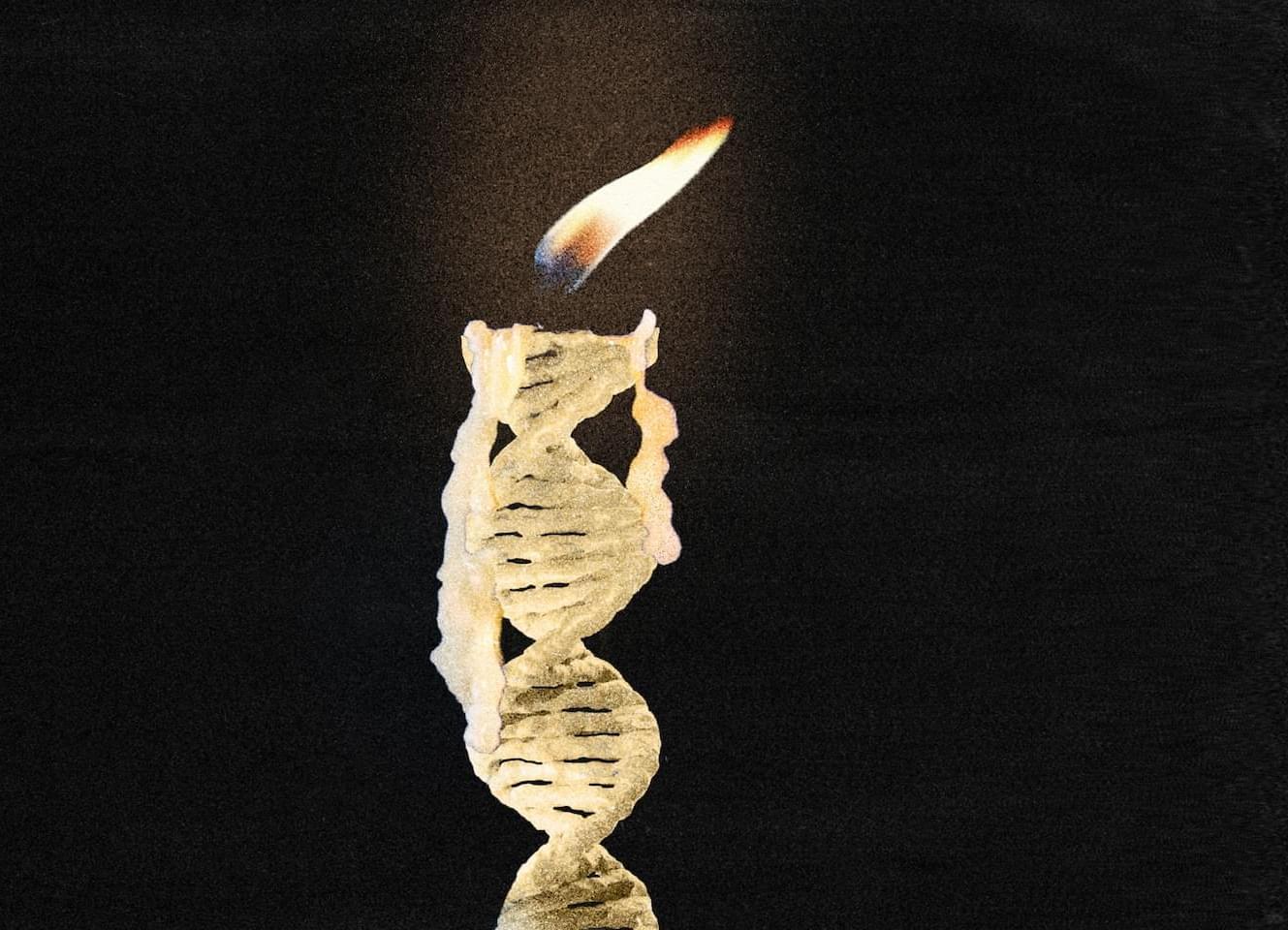
A study resets the longevity discussion, after previous research focused on those born between 1870 and 1900, and shows genetics and environment play roughly equal roles.
Background and ObjectivesNonstenotic (<50%) carotid plaques (NSCPs) are increasingly recognized as potential embolic sources in embolic stroke of undetermined source (ESUS), but their etiologic role remains uncertain because of limited data and the lack…
Be kind to yourself this year. Using Zocdoc is FREE — visit my sponsor https://zocdoc.com/quinnsideas to find and instantly book an appointment with a top-rated, in-network doctor today.
We’ve covered the Xeelee Sequence multiple times on this channel. In short, The Xeelee Sequence is a series of science fiction novels and short stories by Stephen Baxter that deal with humanity as they exist in a universe dominated by the powerful and enigmatic race of Aliens known as the Xeelee. The Xeelee were more akin to gods than lifeforms.
When humankind first entered into cosmic society, we were oppressed and enslaved by multiple alien races before we found our footing. The aquatic Squeem, the amorphous Qax. We overcame them, I go in depth into this in my Timelike Infinity video and also in my Ultimate Timeline of the Xeelee Sequence video. Over many thousand of years humankind grew to dominate the milkyway, none stood stronger than us aside from the Xeelee.
When that time came, humankind was contained, our colonies throughout the milky way removed, men had no knowledge of the war that had been raging for billions of years. The Photino Birds were beings of Dark Matter, they were born at the beginning of the universe and since the beginning they have raged against the Xeelee for the soul of the cosmos. The Photino birds were creatures that existed in a sector of reality we could barely perceive. While ordinary matter formed stars, planets, and life, dark matter formed something else entirely. Vast structures. Vast ecologies. And within that hidden universe, the Photino Birds were dominant.
Their war with the Xeelee was not fought with fleets or soldiers. It was fought with the fundamental laws of physics.
Dive into the terrifying world of planet-eating living worlds in fiction! Inspired by the legendary cosmic horror of Hellstar Remina, this video explores 10 of the most terrifying sentient planets, living worlds, and cosmic entities ever created in anime, manga, movies, comics, and sci-fi universes.
From monstrous celestial beings that consume entire civilizations to living planets with unimaginable power, we rank the most horrifying world-devourers in fiction. Which one is the most terrifying? Could any of them defeat Hellstar Remina?
If you love cosmic horror, giant monsters, anime lore, sci-fi rankings, and universe-scale fiction, this is the video for you.
Don’t forget to like, share, and subscribe for more deep dives into the biggest and most powerful beings in fiction.
Here in our channel, we cover Size comparison videos, Movie monsters, Kaiju, Dinosaur and dragon content as well as Kaiju, aliens, predators, godzilla titans and many other creature features. We also include movie theories, analysis, breakdowns, weird facts and size estimations amongst others. And this video is one of them.
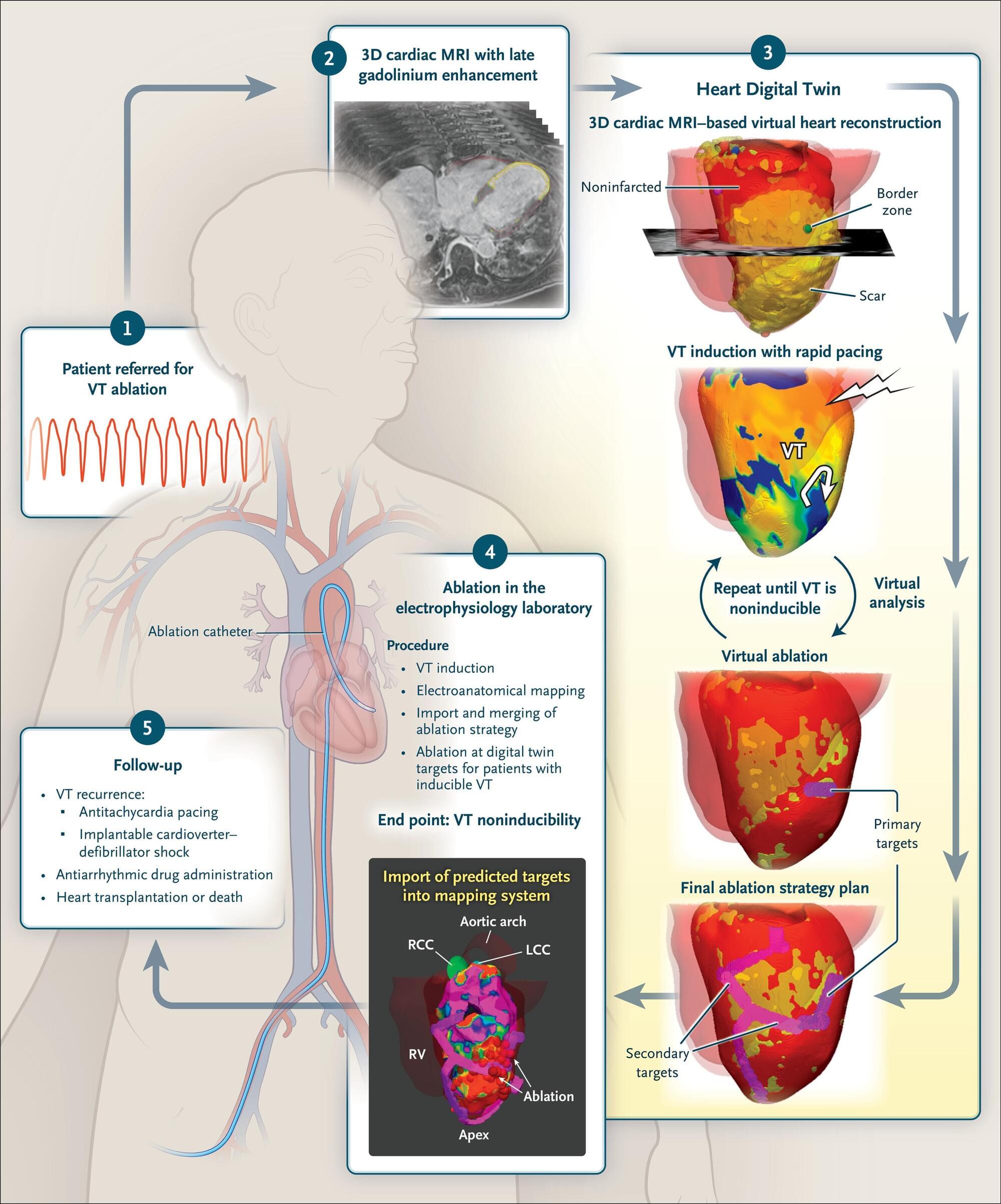
In a 10-patient feasibility study, heart digital twins were used to guide VT ablation. Afterward, VT was noninducible in all patients; at a mean follow-up of 13 months, 8 patients were free of recurrence, without drug therapy.
Electrons have three intrinsic properties: spin, charge and orbital angular momentum. Researchers have long studied how to use spin to more efficiently create an electrical current. But the field of orbitronics—which is based upon using an electron’s orbital angular momentum, rather than its spin, to create a current flow—remains relatively new.
“Traditionally, it has been technically challenging to generate orbital current,” says Dali Sun, a professor of physics and member of the Organic and Carbon Electronics Lab (ORaCEL) at NC State University.
In a recent study, however, Sun and an international team of researchers demonstrated a groundbreaking new method to generate orbital current.
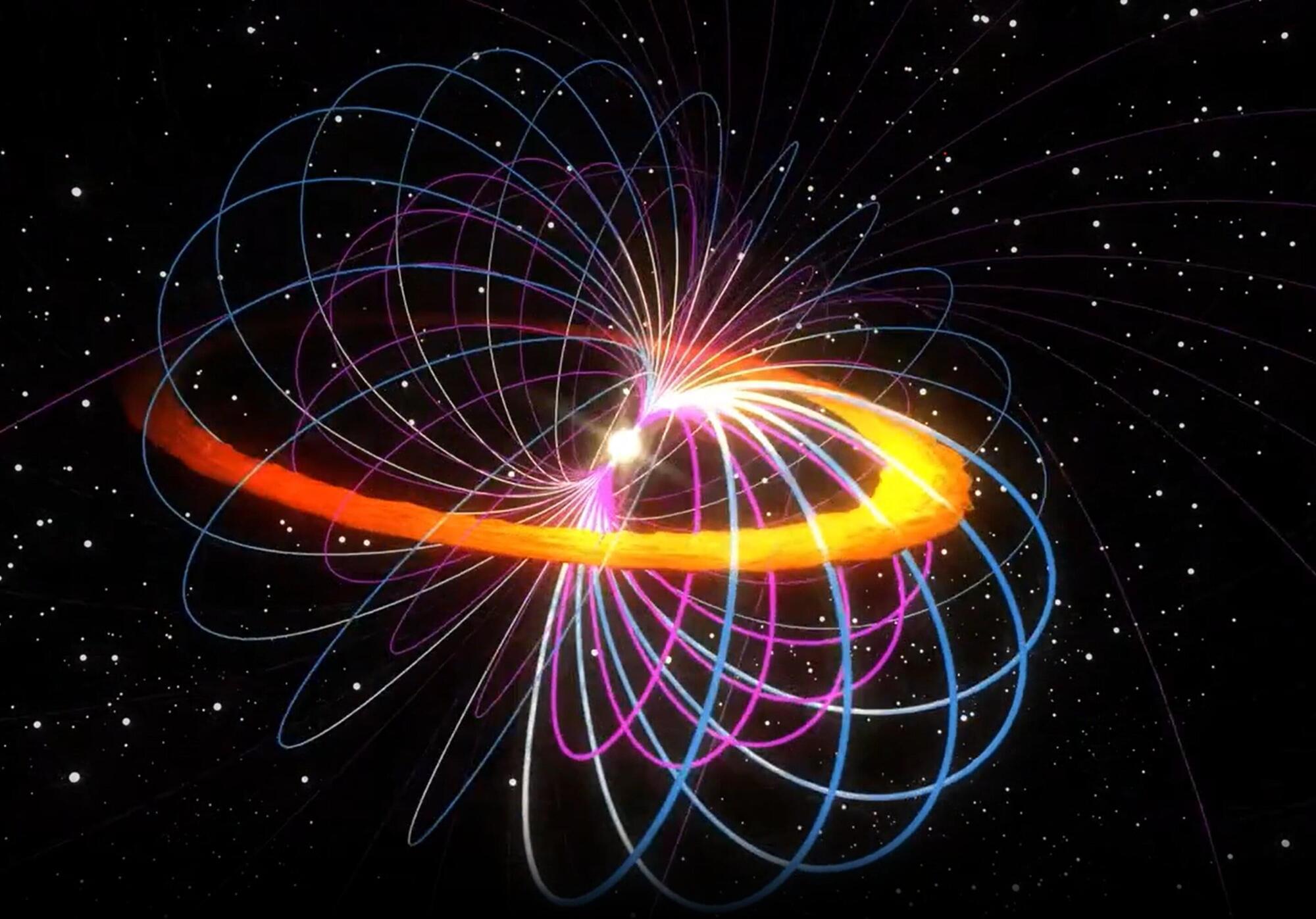
In about 5 to 8 billion years, our sun is expected to evolve into a white dwarf—an extremely dense, Earth-sized stellar remnant that has exhausted its fuel and shed its outer layer. But while our sun is a solitary star, research over the past 15 years has demonstrated that binary or multi-star systems are far more common than astronomers once thought. When a dense and compact remnant like a white dwarf is involved in a binary system, it often “snatches away” material from its companion star. This process, called accretion, usually emits X-rays in what is considered a “signature” signal.
Now, scientists from the group of Ilaria Caiazzo, assistant professor at the Institute of Science and Technology Austria (ISTA), confirm the detection of an X-ray signal in not just one, but two isolated objects called Gandalf and Moon-Sized. Highly magnetic and rapidly rotating, these two objects are called “merger remnants” as they each formed as a result of a violent cosmic collision. By emitting X-rays in the absence of a companion, they now form a new class of their own.