Toggle light / dark theme

Get the latest international news and world events from around the world.

Log in for authorized contributors

Pain-sensing neurons kick-start immune responses that drive allergies and asthma

Pain-sensing neurons in the gut kindle inflammatory immune responses that cause allergies and asthma, according to a new study by Weill Cornell Medicine. The findings, published in Nature, suggest that current drugs may not be as effective because they only address the immune component of these conditions, overlooking the contribution of neurons.

“Today’s blockbuster biologics are sometimes only 50% effective and when the treatments do work, they sometimes lose their efficacy over time,” said senior author Dr. David Artis, director of the Jill Roberts Institute for Research in Inflammatory Bowel Disease and the Michael Kors Professor in Immunology at Weill Cornell.

While the idea may be new to the field, Dr. Artis has been thinking about the role the nervous system may play in allergies and asthma for about two decades. For example, many of the symptoms that characterize these conditions, like itching and wheezing, are known to be neuronally controlled. “That was one of the clues that prompted us to look closer for a connection,” Dr. Artis said.

New BMI uses AI to reveal hidden metabolic disorders

Researchers at Leipzig University and the University of Gothenburg have developed a novel approach to assessing an individual’s risk of metabolic diseases such as diabetes or fatty liver disease more precisely. Instead of relying solely on the widely used body mass index (BMI), the team developed an AI-based computational model using metabolic measurements. This so-called metabolic BMI shows that people of normal weight with a high metabolic BMI have up to a fivefold higher risk of metabolic disease. The findings have been published in the journal Nature Medicine.

The conventional body mass index, calculated using height and weight, may indicate overweight but does not reflect how healthy or unhealthy body fat actually is. According to BMI classifications, up to 30% of people are considered to be of normal weight but already show dangerous metabolic changes. Conversely, there are individuals with an elevated BMI whose metabolism remains largely unremarkable. This discrepancy can lead to at-risk patients being identified and treated too late.

For the current scientific study, the international research team analyzed data from two large Swedish population studies involving a total of almost 2,000 participants. In addition to standard health and lifestyle parameters, extensive laboratory data from blood samples and analyses of the gut microbiome were collected. Based on this dataset, the researchers developed a computational model that predicts metabolic BMI.

US engineers are defying gravity by cutting through entire mountains in the Andes and creating giant roads attached to extreme cliffs, deep tunnels, and suspended pillars

US engineers are defying gravity by cutting through mountains in the Andes and creating giant roads with tunnels, suspended pillars, and colossal machines.

Distinct AI Models Seem To Converge On How They Encode Reality

“The endeavor of science is to find the universals,” Isola said. “We could study the ways in which models are different or disagree, but that somehow has less explanatory power than identifying the commonalities.”

Other researchers argue that it’s more productive to focus on where models’ representations differ. Among them is Alexei Efros, a researcher at the University of California, Berkeley, who has been an adviser to three of the four members of the MIT team.

“They’re all good friends and they’re all very, very smart people,” Efros said. “I think they’re wrong, but that’s what science is about.”

Researchers extract DNA from 25 Killer whales off the coast of Japan — and make “crucial” new discovery

Their in-depth DNA analysis also showed that resident killer whales shared the same haplotype (group of inherited genes) while the transients had eight different haplotypes making them more genetically diverse. This finding suggests that transient killer whales used Hokkaido as a refuge during the last Ice Age, the researchers say.

“Clarifying the ecological characteristics of killer whales is crucial for achieving coexistence with them,” says first author Momoka Suzuki, Kyoto University, in a statement.

Understanding the diet and behaviour of orcas in Japanese waters gives conservationists important information that can help protect the animals from threats. “They are deeply entwined with human activities such as tourism and fisheries in Hokkaido,” adds Suzuki.

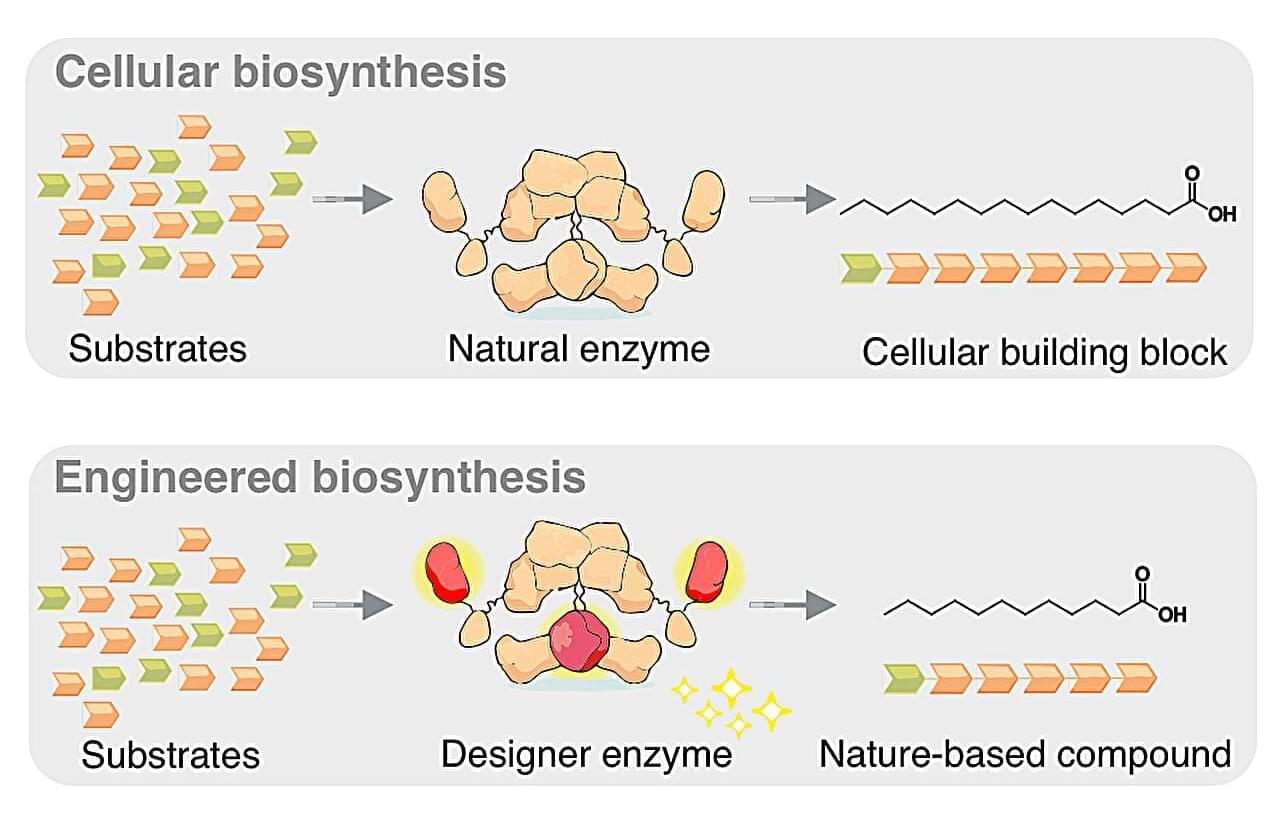
A trio of AI methods tackles enzyme design

Naturally occurring enzymes, while powerful, catalyze only a fraction of the reactions chemists care about.

That’s why scientists are eager to design new-to-nature versions that could manufacture drugs more efficiently, break down pollutants, capture carbon, or carry out entirely new forms of chemistry that biology never evolved.

Read more.

RFdiffusion2, RFdiffusion3, and Riff-Diff each solve different structural problems in computational enzyme design by .

Should AI be allowed to resurrect the dead?

Griefbots fundamentally change the process of mourning.


Xingye, the platform on which Roro created her late mother’s chatbot, is one of the key prompts for proposed new regulations from China’s Cyberspace Administration, the national internet content regulator and censor, which seek to reduce the potential emotional harm of “human-like interactive AI services”

What does digital resurrection do to grief?

Deathbots fundamentally change the process of mourning because, unlike seeing old letters or photos of the deceased, interacting with generative AI can introduce new and unexpected elements into the grieving process. For Roro, creating and interacting with an AI version of her mother felt surprisingly therapeutic, allowing her to articulate feelings she never voiced and achieve a sense of closure.

/* */