
Ransomware affiliates used human-approved AI workflows to exploit edge systems, steal data, and target an estimated 62 organizations.
Get the latest international news and world events from around the world.

Hackers Breach Enterprise Firewalls and VPNs, Exposing Over 70,000 Credentials
A campaign attributed to k0t exploits exposed network devices, establishes persistent access, and exfiltrates data using Rclone.

Nvidia will let eight DGX Spark computers pool 1TB of memory for local AI
Nvidia has announced support for connecting eight DGX Spark systems into a cluster with 1TB of combined unified memory. The larger configuration is intended to run AI models locally that would not fit on a smaller group of the desktop computers.
Research shows how the brain merges faces and voices to read emotions
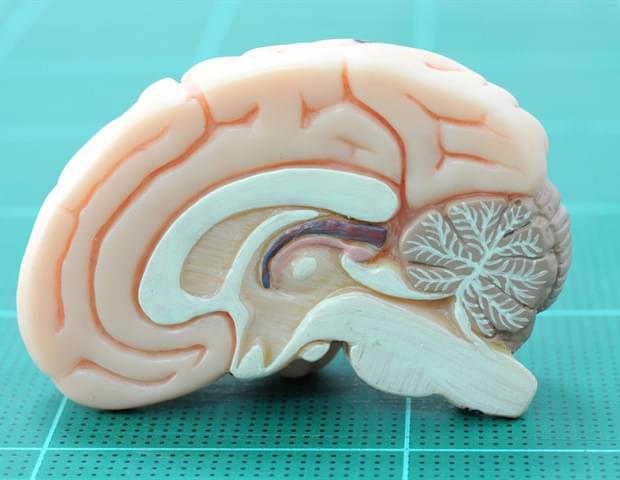
Communicating effectively with others involves recognizing emotions from faces and voices. How does the brain process and integrate emotional information from visuals and sounds that others display? New in JNeurosci, Olivier Collignon, from the Catholic University of Louvain, Stefania Mattioni, currently at Ghent University, and colleagues mapped responses in people’s brains to faces and voices expressing different emotions.
When participants perceived faces or voices separately, the emotions that were expressed triggered a wide range of brain activity in areas that respond to faces and voices. Mattioni elaborates, “Importantly, these areas were not limited to their preferred sense: Several face-selective regions also carried information about emotions heard in voices, while voice-selective regions carried information about emotions seen in faces. In some regions, the brain even represented the same emotion similarly whether it was seen or heard.” When study participants observed faces and voices together, this combination reshaped how the brain processed and evaluated emotions compared to faces or voices alone.
According to the researchers, this work suggests that the brain systems that process faces and voices interact and, in some areas, represent emotions in a similar way. This observation may help people quickly build an understanding of how a person is feeling by looking at their facial expressions and hearing the tone of their voice. The findings from this study could inform future research on whether these mechanisms are impaired in individuals who struggle to integrate social cues.
Pedal to the metal: NASA’s Psyche heads toward asteroid belt
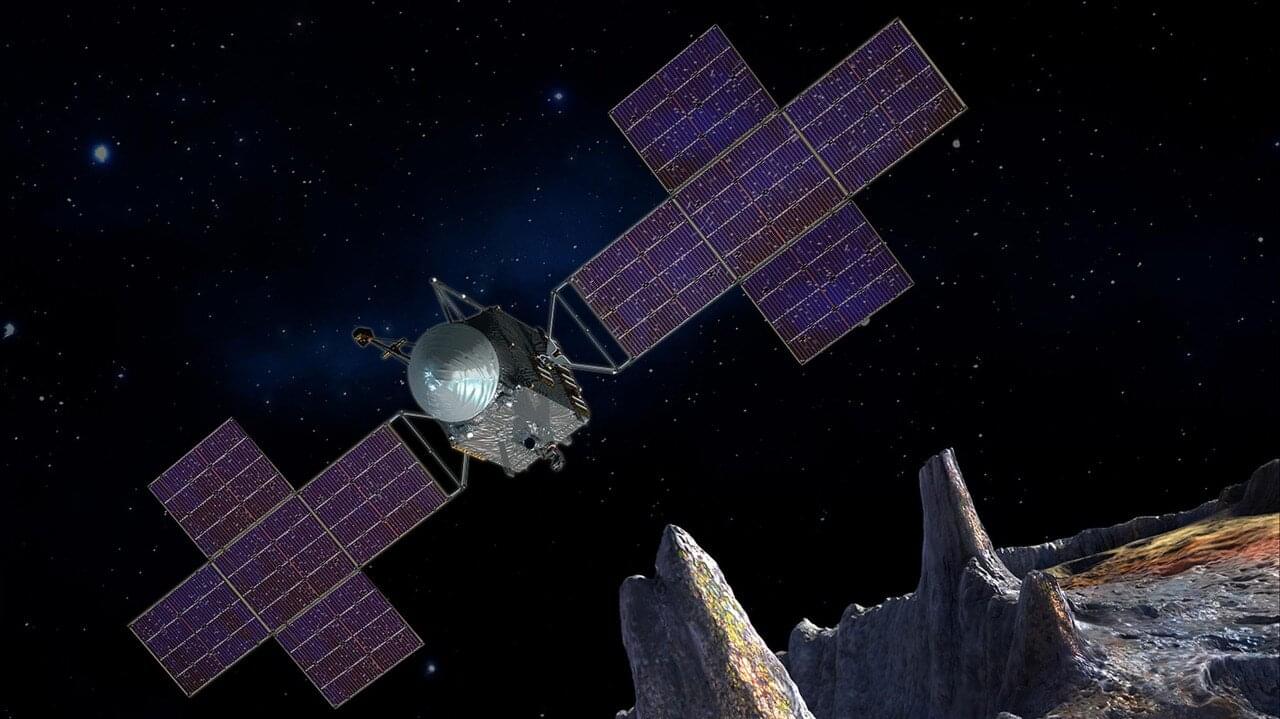
With a successful Mars gravity assist in its rearview mirror, NASA’s Psyche spacecraft has fired up its thrusters and is accelerating toward the metal-rich asteroid of the same name. During the first leg of its journey, following an October 2023 launch, the mission used its electric propulsion system intermittently to maneuver into the right position to harness Mars’ gravity for a propellant-saving speed boost and a slight trajectory change.
On Sept. 28, the spacecraft began to use its propulsion system nearly continuously, pausing just once each week to check in with mission controllers on Earth. This keeps the mission on track for its rendezvous with the asteroid Psyche in the main asteroid belt by the summer of 2029.
“It’s now ‘pedal to the metal’ to the asteroid Psyche,” said Don Han, the Psyche mission’s navigation lead at NASA’s Jet Propulsion Laboratory in Southern California, which is managed for the agency by Caltech. “We will be running our propulsion system at every available opportunity, pausing only for necessary engineering activities. The thrusters will be operating nearly 90% of the time from now until we reach the asteroid.”
Led Study Finds Amino Acid Extends Quantum Properties Above Room Temperature
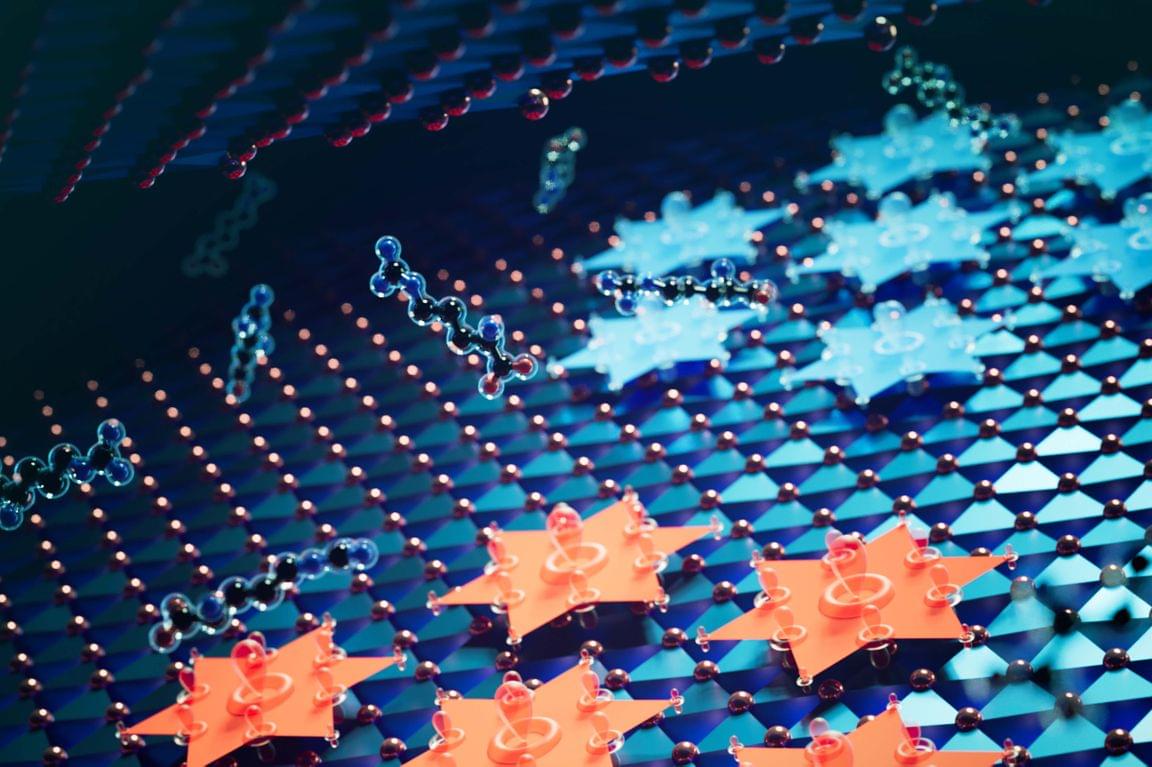
The investigators’ use of an amino acid is a rare example of inorganic materials chemists using molecular chemistry to modulate electronic behavior of inorganic crystals. The findings may open up the design space for advanced materials to include other molecules of life.
The researchers’ next steps will seek to advance understanding of both the material and the method.
With further development, the tantalum disulfide-arginine combo could provide the basis for new technologies such as energy-efficient computer memory. That would be an entirely new type of storage based in quantum properties, instead of the electrons that are the basis for traditional electronics.

AI Is Changing Everything About Hacking. No One Knows What Happens Next
‘Black October:’ The PHP vulnerabilities and a series of other hacks and bugs have cybersecurity experts freaking out and unsure what happens next.
Bacteria reinvent their weapons through selection, chance and gene swapping
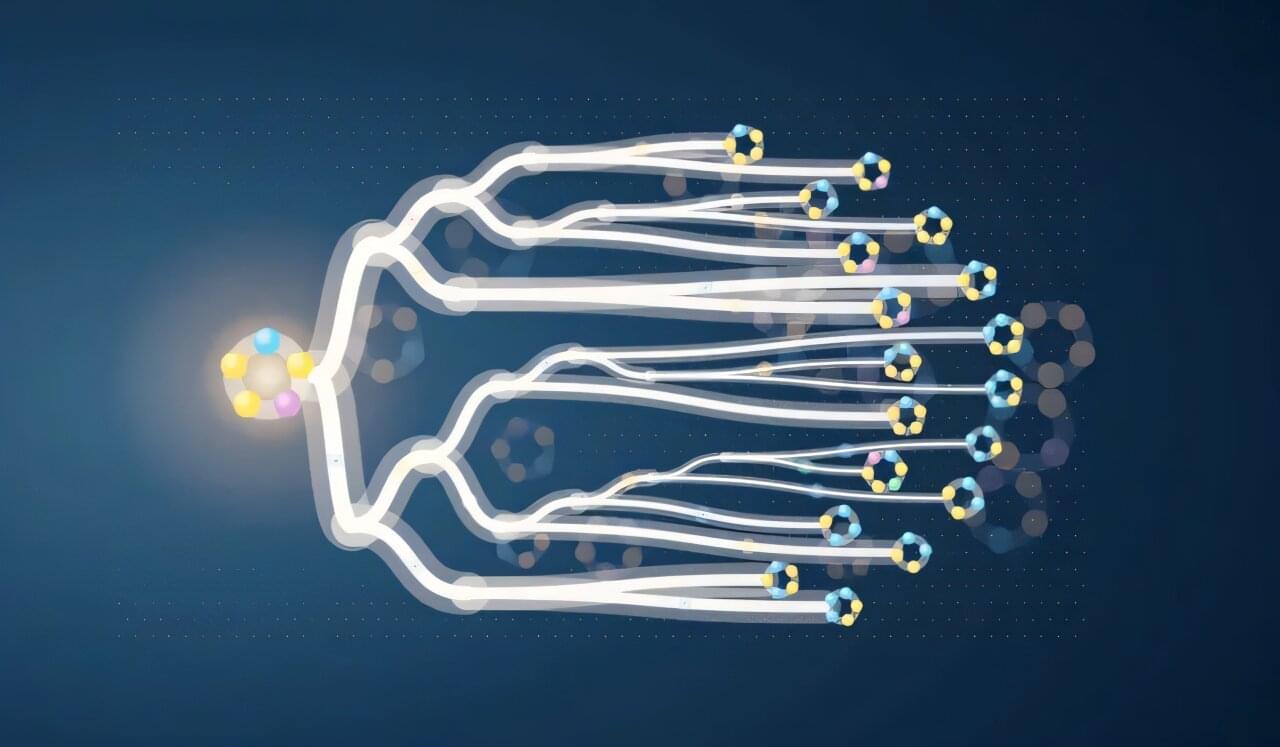
Many of the most potent antibiotics originate from bacteria. A large proportion belong to a class of compounds known as nonribosomal peptides (NRP). They are produced by large bacterial enzyme machineries—the nonribosomal peptide synthetases, or NRPS for short. These function like molecular assembly lines: Similar to the stations in a car factory, where new parts are added to the car at each step, several specialized modules string together amino acid by amino acid to build a peptide.
The finished product is used in nature as a weapon in microbial competition—and by us humans, chemically optimized, as an active ingredient in medicines. The research group of Helge Bode at the Max Planck Institute for Terrestrial Microbiology aims to engineer the NRPS machinery at the genetic level to create entirely new drug candidates. Their latest paper, “Drift, selection and recombination bias drive the evolution of a non-ribosomal peptide,” is published in Nature Ecology & Evolution.
Like ordinary proteins, NRPs are subject to evolution—but the way they change is unusual. While ordinary proteins evolve mainly through random mutations of individual DNA building blocks, NRPS exchange entire gene segments with one another. This process is called recombination. The result is new combinations of modules—and thus new peptides with altered chemical properties.
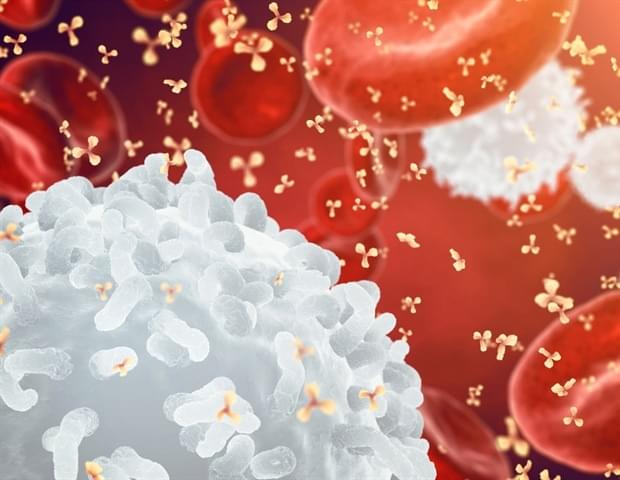
Southampton scientists explore immune cell reprogramming to fight common viruses
Scientists have started work on a new way to fight cold and flu viruses by reprogramming the cells in our immune system to respond faster to infections.
Experts at the University of Southampton are developing a type of white blood cell, called killer cells, with a pre-installed memory of how to fight off respiratory diseases.
It is a different approach to traditional jabs, which contain a weakened and harmless pathogen used to train the immune system to destroy future infections.
Drought shifts more plant root cells into newly discovered environmental response mode
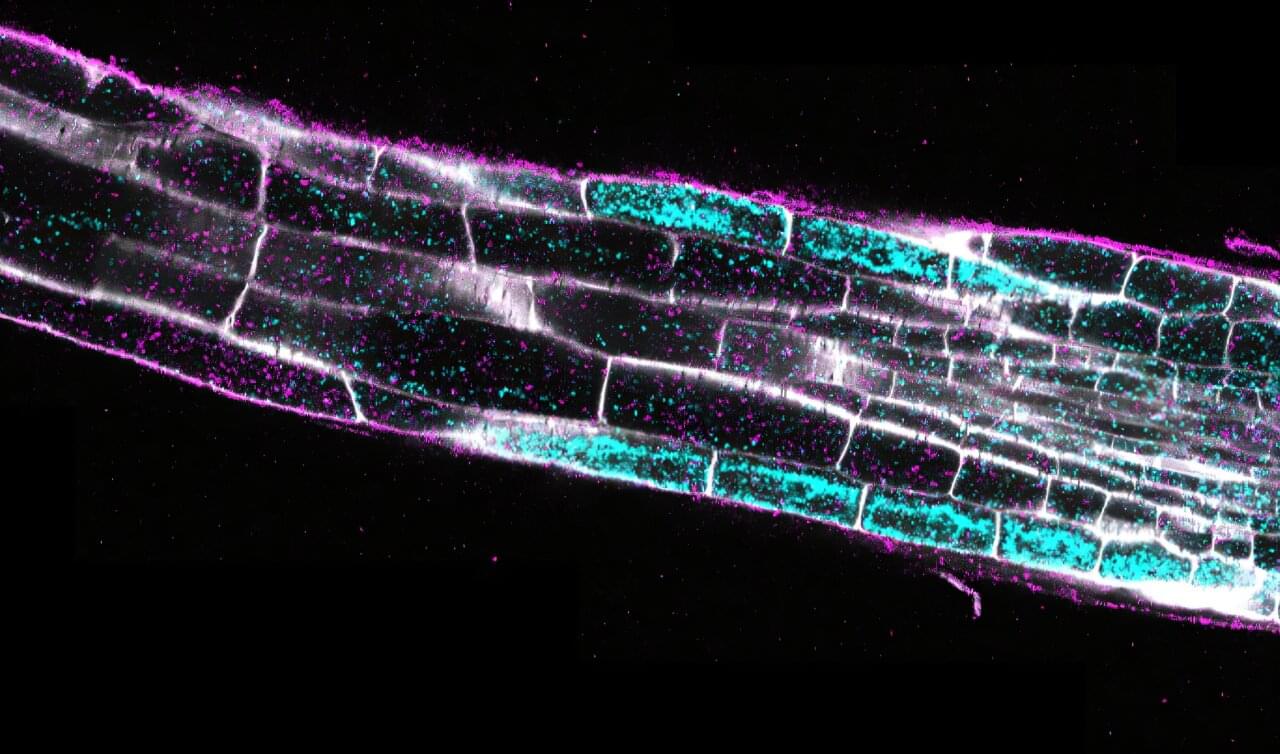
Scientists have discovered a hidden layer of identity in plant root cells: an “environmental mode” that switches on in some cells and becomes more common when water is scarce. The study, led by Dr. Marina Oliva and professor Ryan Lister, from the ARC Center of Excellence in Plants for Space and The University of Western Australia’s School of Molecular Sciences, examined how plant cells responded to drought conditions. The work is published in Nature
“Roots have long been described as a set of well-defined, distinct cell types, each following a single path from young cell to mature cell,” Oliva said.
Researchers read the gene activity of hundreds of thousands of individual cells from the root tip of the model plant Arabidopsis. They found that almost every cell type splits into two groups: cells that switch on a shared set of hundreds of genes involved in responding to environmental conditions and cells that do not switch these on.