More great news with the book Mark O’Connell’s “To Be a Machine”, whose closing chapter is on The Immortality Bus journey and my presidential run. It was nominated on the longlist of UK’s Baillie Gifford award for nonfiction. This is one of the most prestigious nonfiction prizes in the UK: http://www.foyles.co.uk/news/2017-Baillie-Gifford-Longlist%20Announced #transhumanism
A new article recently out discussing issues of #transhumanism:
Hello reader, are you trans? Transhuman, that is.
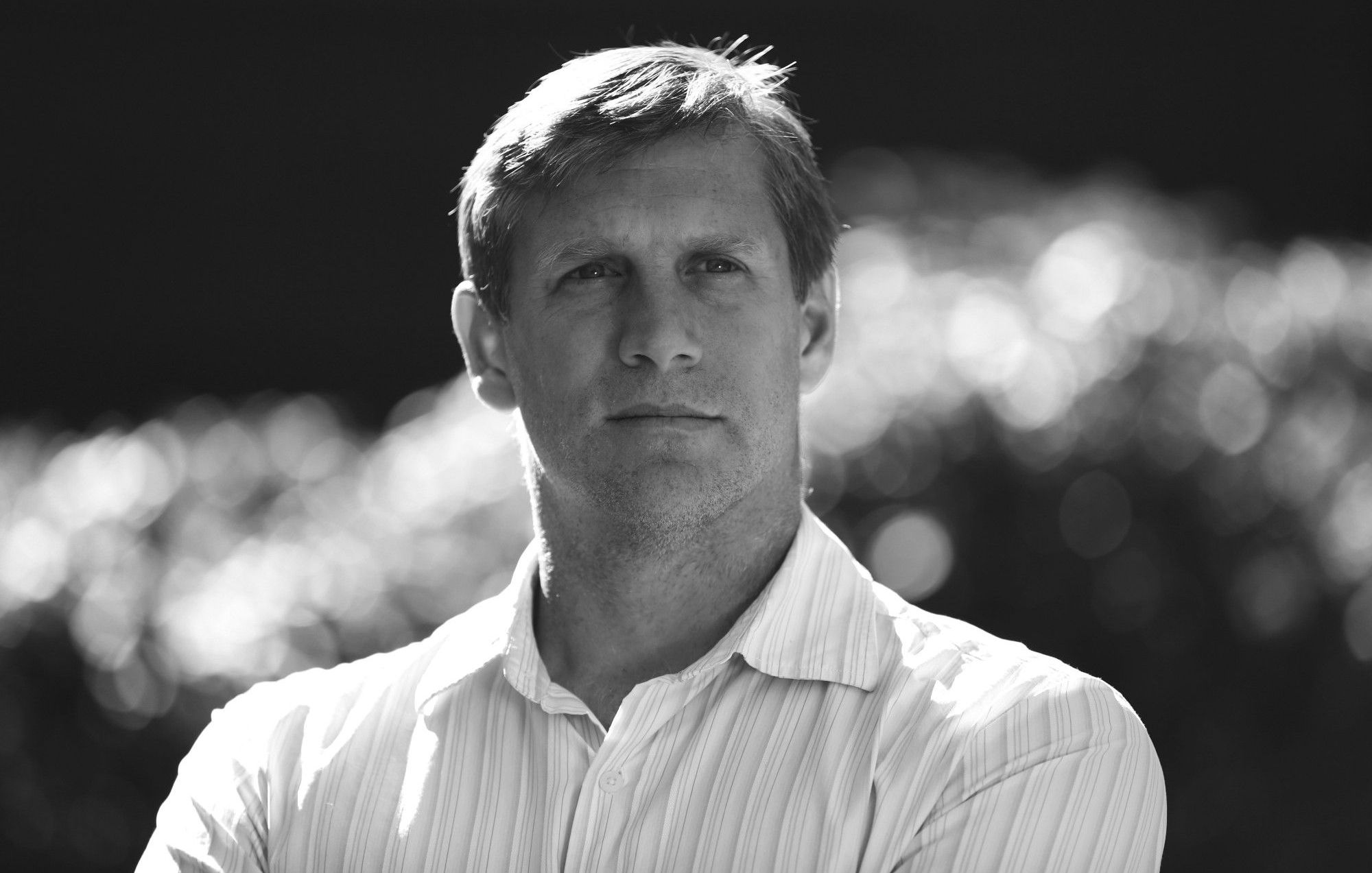
Probably not, but one day you might be – or, failing that, your kids or grandkids. In what is very much a ‘guest’ piece for the American Conservative, Zoltan Istvan – the Libertarian candidate for Governor of California – explains his transhumanist vision:
“…transhumanism is the international movement of using science and technology to radically change the human being and experience. Its primary goal is to deliver and embrace a utopian techno-optimistic world—a world that consists of biohackers, cyborgists, roboticists, life extension advocates, cryonicists, Singularitarians, and other science-devoted people.”
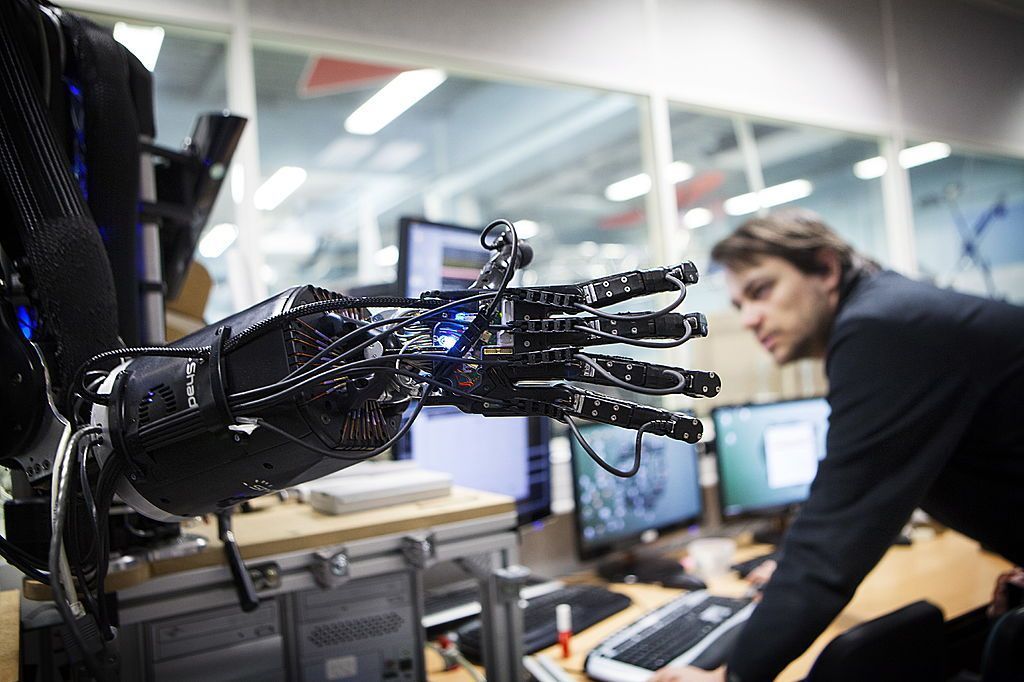
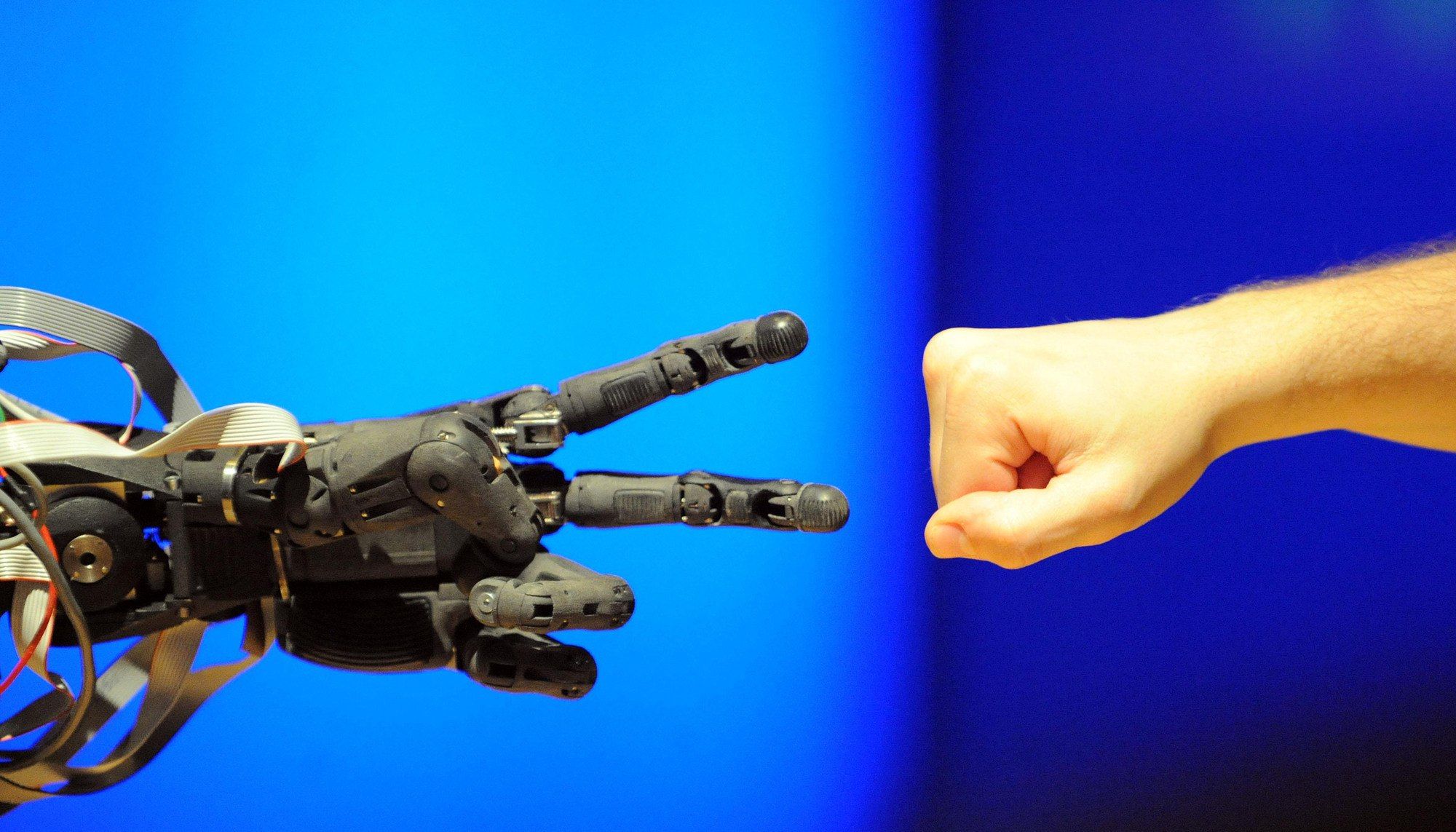
There’s no need to fear a robot taking your job – not if you become one yourself!
I was honored to be interviewed by Nick Gillespie (editor in chief of Reason.com and Reason TV) in a 40 minute podcast about transhumanism and my run for California Governor as a libertarian. Give it a listen—or read the text of the conversation in the link below: http://reason.com/blog/2017/09/07/transhumanism-libertarianism-zoltan
The “California Dream of Transhumanism” on why he’s pro-robot, running for governor of California, and still angry about getting busted at 18 for selling pot.
How will our relationship to technology evolve in the future? Will we regard it as something apart from ourselves, part of ourselves, or as a new area of evolution? In this new video from the Galactic Public Archives, Futurist Gray Scott explains that we are a part of a technological cosmos. Do you agree with Scott that technology is built into the universe, waiting to be discovered?
Facts of life, even for passionate seperation of church and state advocates like me: Religious #transhumanism is growing.
WASHINGTON – A Christian pastor from Florida is promoting acceptance of some forms of transhumanism, saying believers should be open to finding an “ethical alternative” to the complete rejection of the scientific, technical and philosophical transhumanist movement that has already begun.
Rev. Christopher Benek, associate pastor of family ministries and mission at First Presbyterian Church in Fort Lauderdale, writes in the Christian Post that it’s time for the development of “Christian transhumanism.”
“If you have read the The American Conservative’s recent postings about the evolving transhumanist movement, you have likely developed reasonable concerns,” Benek wrote. “People should be dismayed at Zoltan Istvan’s misguided article in TAC from two weeks ago entitled: ‘The Growing World of Libertarian Transhumanism.’ And, if one believes that Istvan’s transhumanism represents all transhumanists, then Kai Weiss’ follow-up piece “Transhumanism is Not Libertarian, It’s an Abomination,” is correct and appropriately titled. But these two depictions do not represent the majority of transhumanist thought. As such I would request: Please folks do not throw the transhumanist-baby out with Zoltan Istvan’s bathwater. There is an ethical transhumanist alternative: Christian Transhumanism.”
Benek says “Christians can make a positive moral impact” on the debate over transhumanism rather than throw the baby out with the bathwater.
Kurzweil is one of the world’s leading minds on artificial intelligence, technology and futurism. He is the author of five national best-selling books, including “The Singularity is Near” and “How to Create a Mind.”
Raymond “Ray” Kurzweil is an American author, computer scientist, inventor and futurist. Aside from futurology, he is involved in fields such as optical character recognition (OCR), text-to-speech synthesis, speech recognition technology, and electronic keyboard instruments. He has written books on health, artificial intelligence (AI), transhumanism, the technological singularity, and futurism. Kurzweil is a public advocate for the futurist and transhumanist movements, and gives public talks to share his optimistic outlook on life extension technologies and the future of nanotechnology, robotics, and biotechnology.
Kurzweil admits that he cared little for his health until age 35, when he was found to suffer from a glucose intolerance, an early form of type II diabetes (a major risk factor for heart disease). Kurzweil then found a doctor (Terry Grossman, M.D.) who shares his non-conventional beliefs to develop an extreme regimen involving hundreds of pills, chemical intravenous treatments, red wine, and various other methods to attempt to live longer. Kurzweil was ingesting “250 supplements, eight to 10 glasses of alkaline water and 10 cups of green tea” every day and drinking several glasses of red wine a week in an effort to “reprogram” his biochemistry. Lately, he has cut down the number of supplement pills to 90.