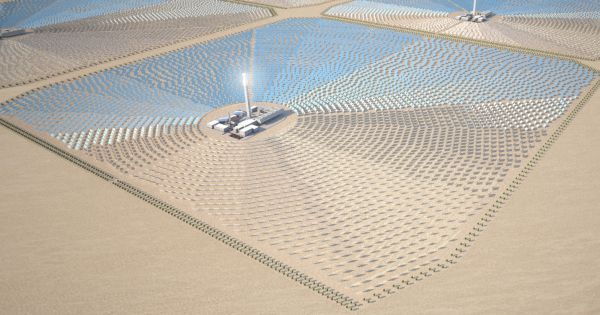
The company TuNur aims to produce solar energy cheaply in the Sahara desert and distribute it to Europe. However, there are lingering questions about whether the company behind the project can actually pull it off.
Energy company TuNur is seeking approval from the Tunisian government for a 4.5GW solar park situated in the Sahara desert. If it’s given the green light, the project would distribute electricity to Malta, Italy, and France via submarine cables.
Are these huge solar flares causing massive hurricanes or Man made Climate Change? Interview with Harvard-Smithsonian Solar Physicist Wei-Hock “Willie” Soon about how solar cycle accounts for climate change.
In this exclusive interview, Infowars reporters Millie Weaver and David Knight talk with Harvard-Smithsonian Solar Physicist Wei-Hock “Willie” Soon about how solar cycle account for climate change. Soon uses science to dispel the false notion that C02 emissions are to blame for ‘global warming’ and that it is nothing more than the politicization of pseudoscience for policy makers.
Help us spread the word about the liberty movement, we’re reaching millions help us reach millions more. Share the free live video feed link with your friends & family: http://www.infowars.com/show
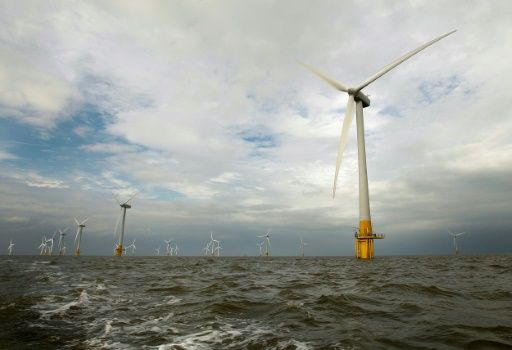
The price of electricity from offshore wind in Britain has dipped below the level guaranteed to Hinkley Point, raising questions about the construction of the vast nuclear power station.
The Department for Business, Energy and Industrial Strategy disclosed Monday the results of auctions for state subsidies for three new wind offshore farms.
Denmark’s DONG Energy won the auction to build Hornsea Two, which will become the world’s biggest offshore wind farm off the coast of Yorkshire in northern England.
More films about China: https://rtd.rt.com/tags/china/ - Technology and innovation hub, Shenzhen is known as China’s “silicon valley” and “the city of the future”. - Once a fishing village, in just 50 years it grew into a megacity packed with skyscrapers. - It hosts international technology exhibitions and forums and attracts creators and investors from around the world, contributing to its population boom. - Inventors and engineers working here, create helpful robots, hybrid cars and smart car parks.
China has a saying; to see the past, visit Beijing, to see the present, go to Shanghai but for the future, it’s Shenzhen. Shenzhen has transformed itself from a tiny fishing village to a megacity in just 50 years, its population tripling since the 1990s. The city is a magnet for tech-savvy and inventive dreamers from all across China and the world, because of them Shenzhen has become the “silicon valley” of China, a true technology and innovation hub.
The sprawling metropolis is famed for its skyscrapers, hybrid cars, solar energy and for being home to a great many hi-tech companies. UBTECH is one of them; its focus is on making robots an indispensable part of everyday life. Its key product is the android – a human-like robot that can help out in the workplace and around the home as well as becoming both teacher and playmate for kids.
Shenzhen municipal government encourages citizens to switch to eco-friendly, hybrid cars that use both fuel and solar energy. The vehicles are made by a local manufacturer, BYD. Public transport here is hybrid too helping maintain the city’s ecological reputation, which is among the best in China. The city’s rapid growth demands new solutions for optimising space. Shenzhen is one of the top 10 cities in the world for having the most skyscrapers. Today, its engineers are working on a solution to the ever present problem of parking by developing smart car parks that can automatically place cars in tight spaces while the driver simply walks away.
The technological achievements of the city’s many companies are regularly showcased at popular international exhibitions and forums.
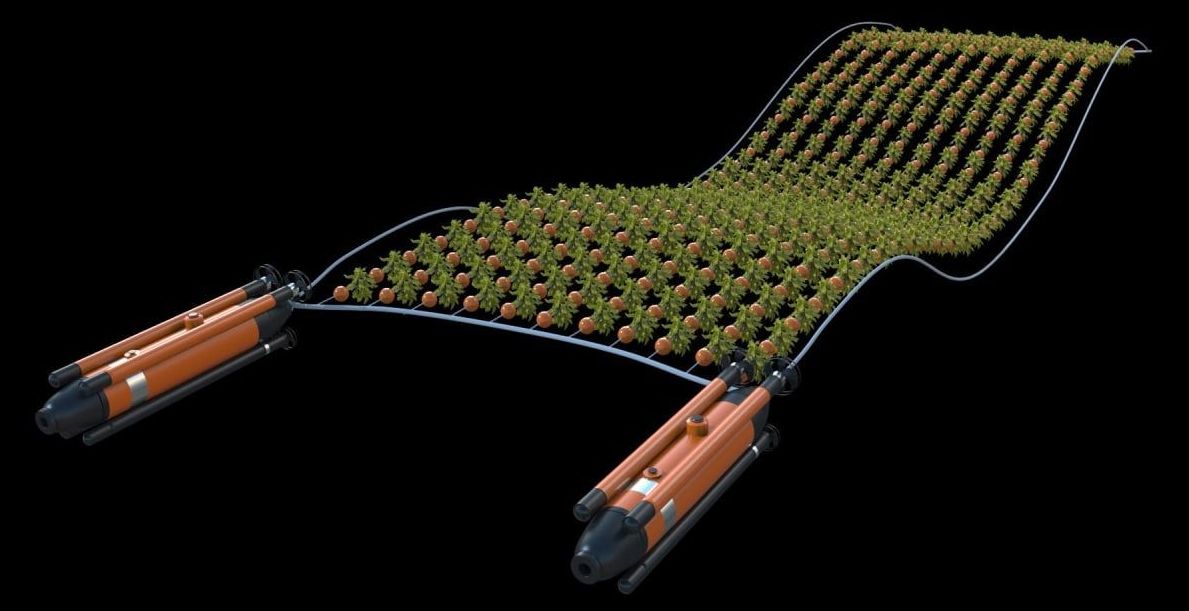
What will 3D printers ultimately evolve into? No one has a functioning crystal ball in front of them I assume, but a good guess would be a machine which can practically build anything its user desire, all on the molecular, and eventually atomic levels. Sure we are likely multiple decades away from widespread molecular manufacturing, but a group of chemists led by medical doctor Martin D. Burke at the University of Illinois may have already taken a major step in that direction.
Burke, who joined the Department of Chemistry at the university in 2005, heads up Burke Laboratories where he studies and synthesizes small molecules with protein-like structures. For those of you who are not chemists, small molecules are organic compounds with very low molecular weight of less than 900 daltons. They usually help regulate biological processes and make up most of the drugs we put into our bodies, along with pesticides used by farmers and electronic components like LEDs and solar cells.
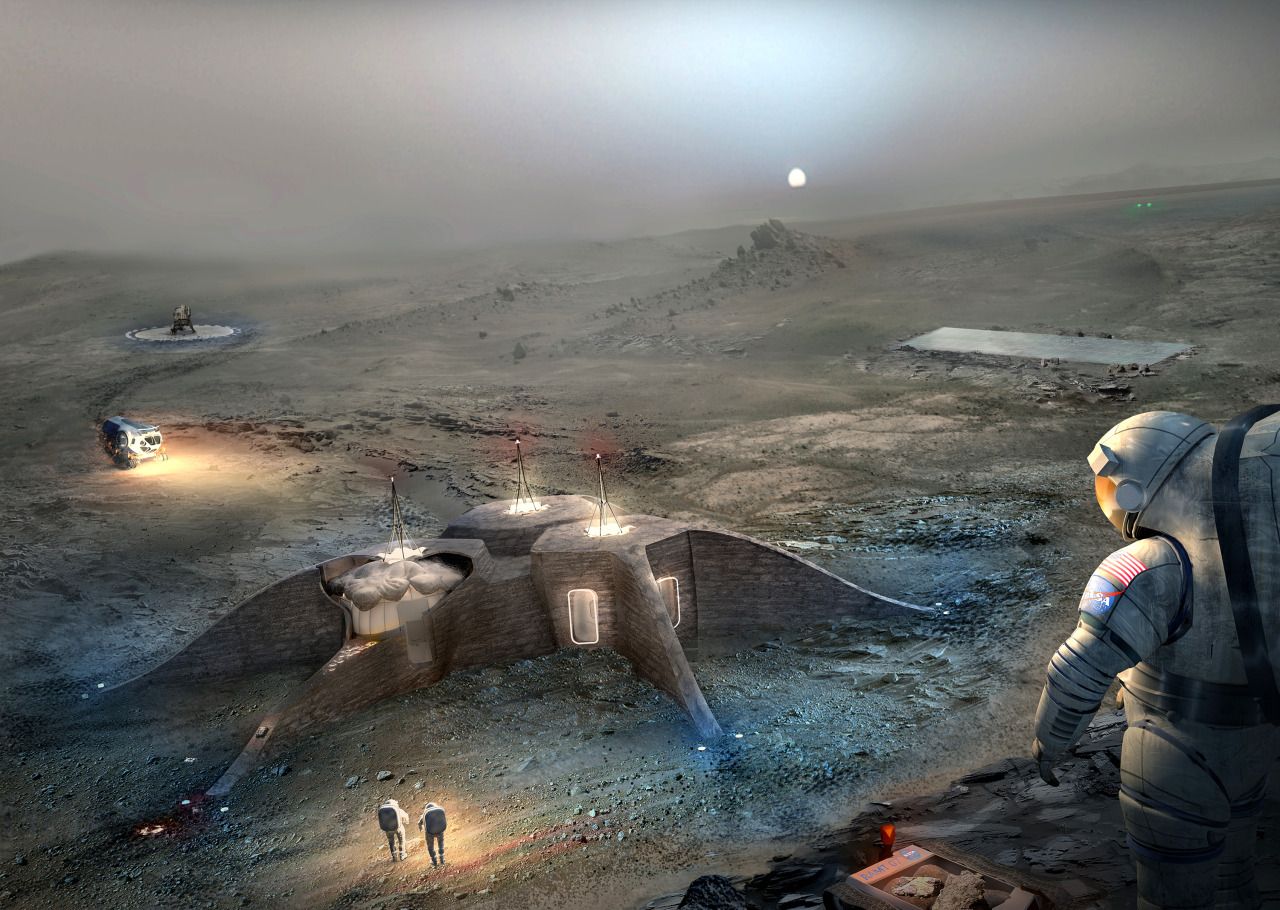
As part of its support for the application 3D printing technology to deep space exploration, NASA has awarded a $250,000 prize to a joint team consisting of members from Foster+Partners California and Branch Technology (based in Chattanooga, Tennessee).
NASA’s competition, which has now reached level three of its second phase, aims to “advance construction technology needed to create sustainable housing solutions for Earth and beyond”, most notably with the aim of accommodating astronauts on Mars and building human colonies in outer space.
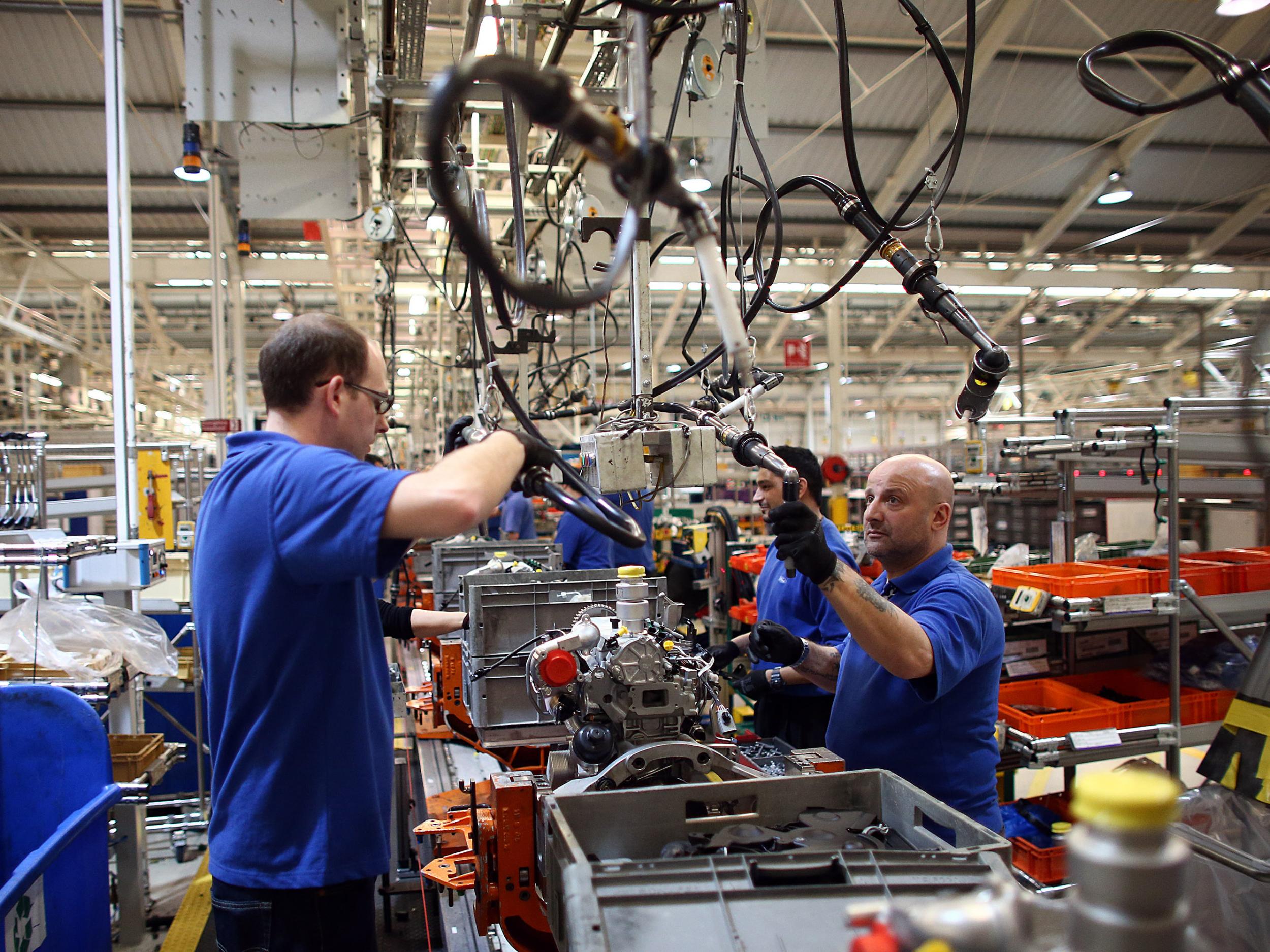
The sustainability and quality of jobs in our economy is also decreasing – 7.1 million workers now face precarious working conditions, meaning that uncertainty (and for many, anxiety) itself is now built into our employment system. According to some estimates, 30 per cent of UK jobs could potentially be automated away by the early 2030s. Depending on the sector, this will mean a remarkable reduction of required hours of human labour. With less work to go around, we will find ourselves in heightened competition with machines and each other, ever more desperate for stability.
Is this our only future? No. But in order to change it and move beyond this crisis, we first need to confront our very conception of work. For a long time we have thought of work as a matter of individual choice – a free, private agreement between a single person and an employer. You, the thinking goes, are free to pick whatever job you like as long as the employer is happy to have you on board and there are a sufficient number of jobs created by the free market.