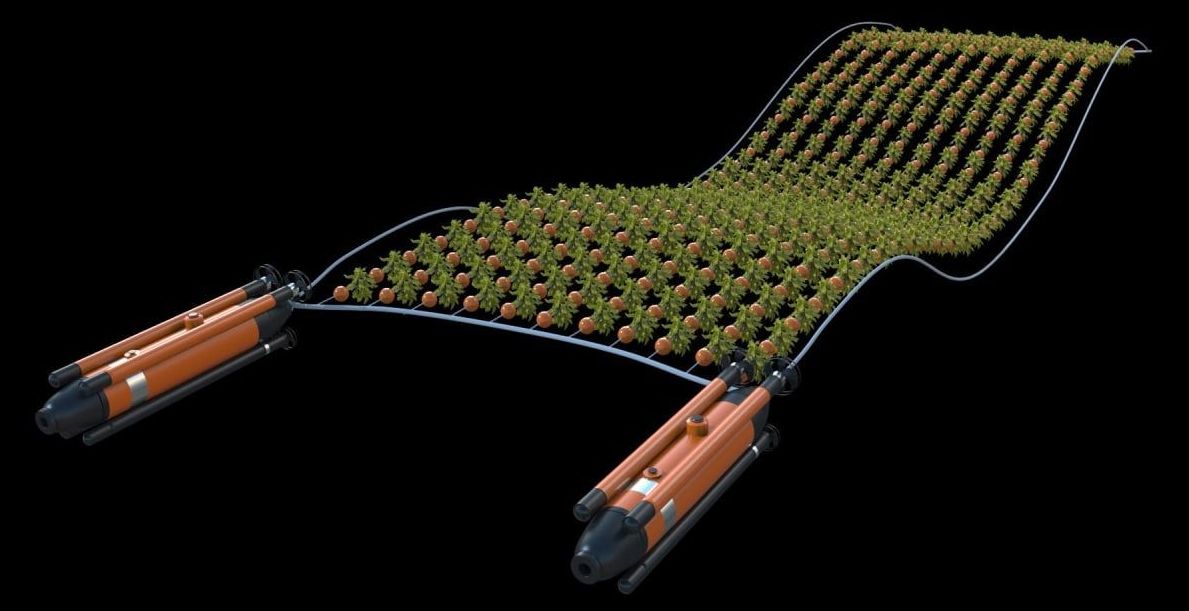
By using elevators to grow kelp farther out in ocean waters, Marine BioEnergy thinks it can grow enough seaweed to make a dent in the fuel market.
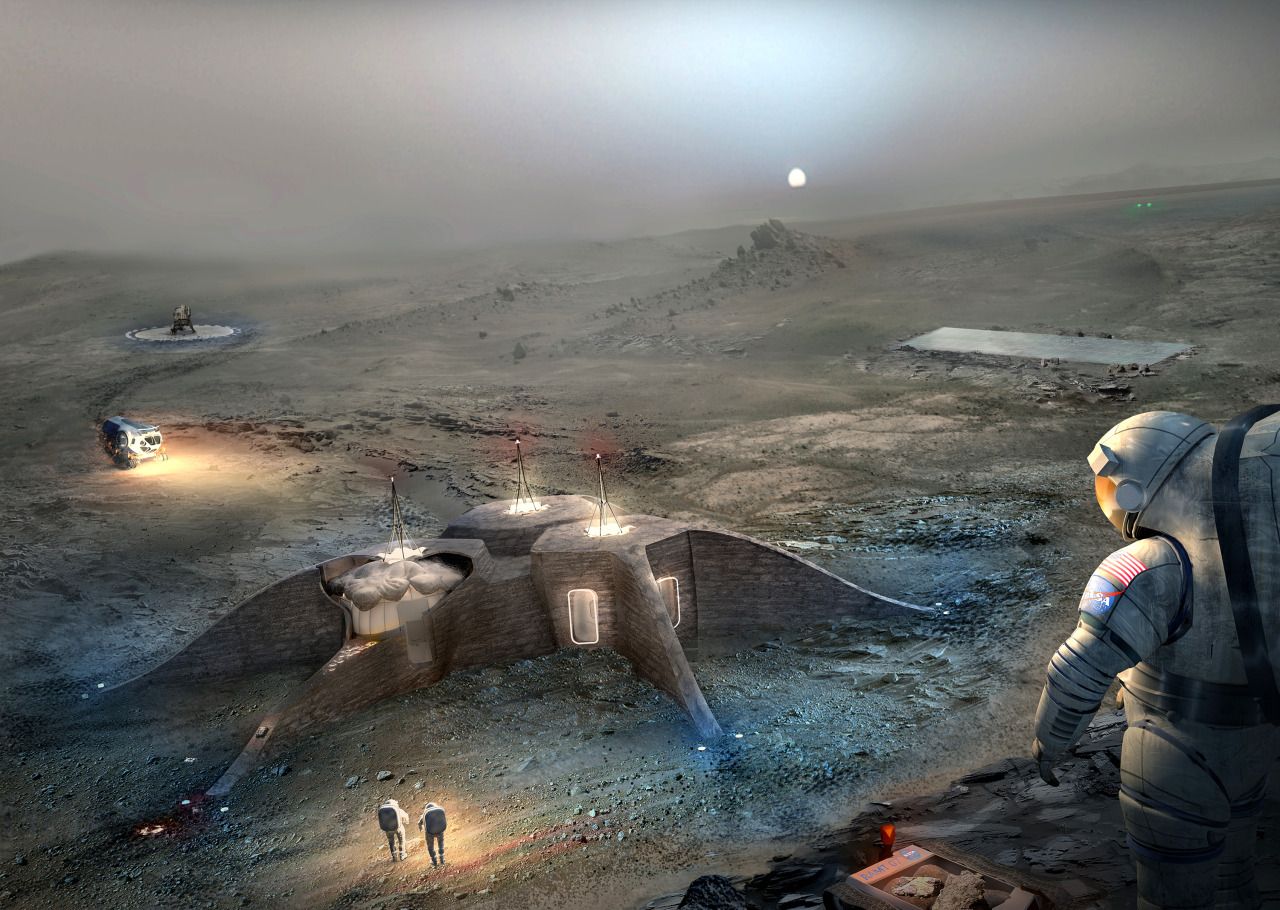
As part of its support for the application 3D printing technology to deep space exploration, NASA has awarded a $250,000 prize to a joint team consisting of members from Foster+Partners California and Branch Technology (based in Chattanooga, Tennessee).
NASA’s competition, which has now reached level three of its second phase, aims to “advance construction technology needed to create sustainable housing solutions for Earth and beyond”, most notably with the aim of accommodating astronauts on Mars and building human colonies in outer space.
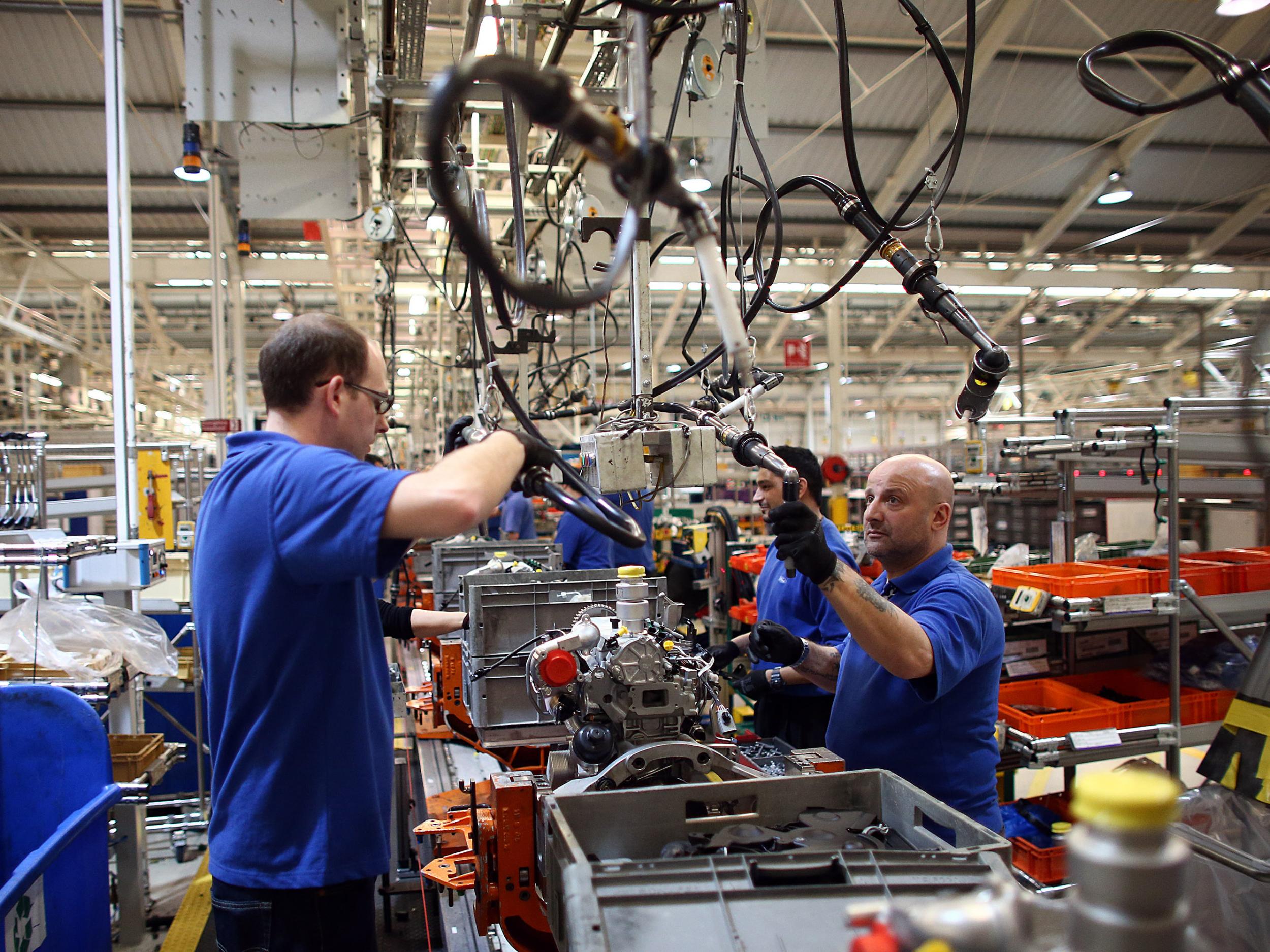
Work isn’t working anymore. Labour productivity has fallen in the UK since the financial crisis; 13.5 million people are living in low-income households; real wages are falling and the Gini coefficient, which measures inequality, is rising.
The sustainability and quality of jobs in our economy is also decreasing – 7.1 million workers now face precarious working conditions, meaning that uncertainty (and for many, anxiety) itself is now built into our employment system. According to some estimates, 30 per cent of UK jobs could potentially be automated away by the early 2030s. Depending on the sector, this will mean a remarkable reduction of required hours of human labour. With less work to go around, we will find ourselves in heightened competition with machines and each other, ever more desperate for stability.
Is this our only future? No. But in order to change it and move beyond this crisis, we first need to confront our very conception of work. For a long time we have thought of work as a matter of individual choice – a free, private agreement between a single person and an employer. You, the thinking goes, are free to pick whatever job you like as long as the employer is happy to have you on board and there are a sufficient number of jobs created by the free market.
Amat farms (antimatter farms) consist of large banks of solar power collectors which power multicolliders optimally designed to produce antiparticles. The vast showers of collision products which result are sorted magnetically; antimatter particles and other useful species are collected, cooled and held in electric/magnetic traps.
The first amat farms were established in 332 orbiting Sol just outside the orbit of Mercury, known collectively as the Circumsol ring. Several power corporations were involved in this effort, including the Look Outwards Combine, Jerusalem Macrotech and General Dynamics Corporation. In 524 the Jerusalem Macrotech station B4 was destroyed during an unsuccessful raid by Space Cowboys.
Amat fields designed to produce anti-protons are typically 100km or more in diameter; fields which produce positrons are considerably smaller. The antiprotons and positrons are usually combined into anti-hydrogen and frozen for easier storage.
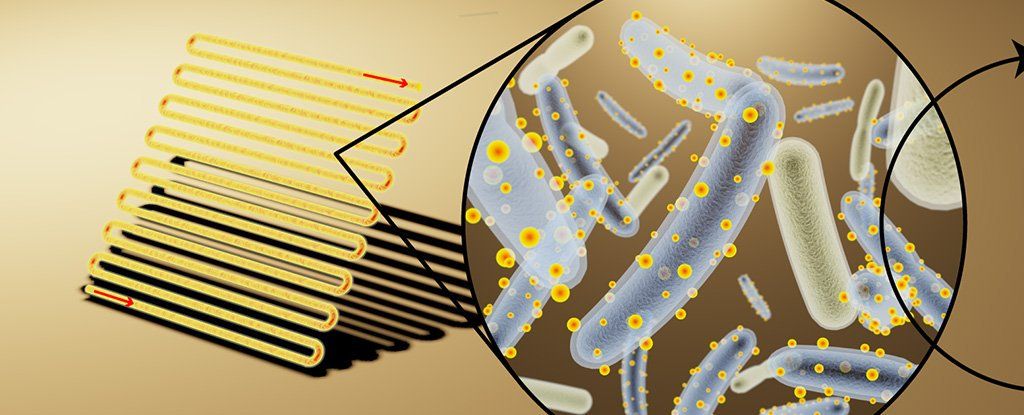
In an effort to improve the efficiency of natural photosynthesis, a researcher at the University of California, Berkeley, has created cyborg bacteria.
These bacteria were trained to grow and cover their bodies with tiny semiconductor nanocrystals that act as efficient solar panels for harvesting sunlight.
Although most life on Earth relies upon photosynthesis as its source of energy, the process has a weak link: chlorophyll. Plants and other organisms use the green pigment to harvest sunlight during photosynthesis, but it is rather inefficient.
Figured this deserved its own post:
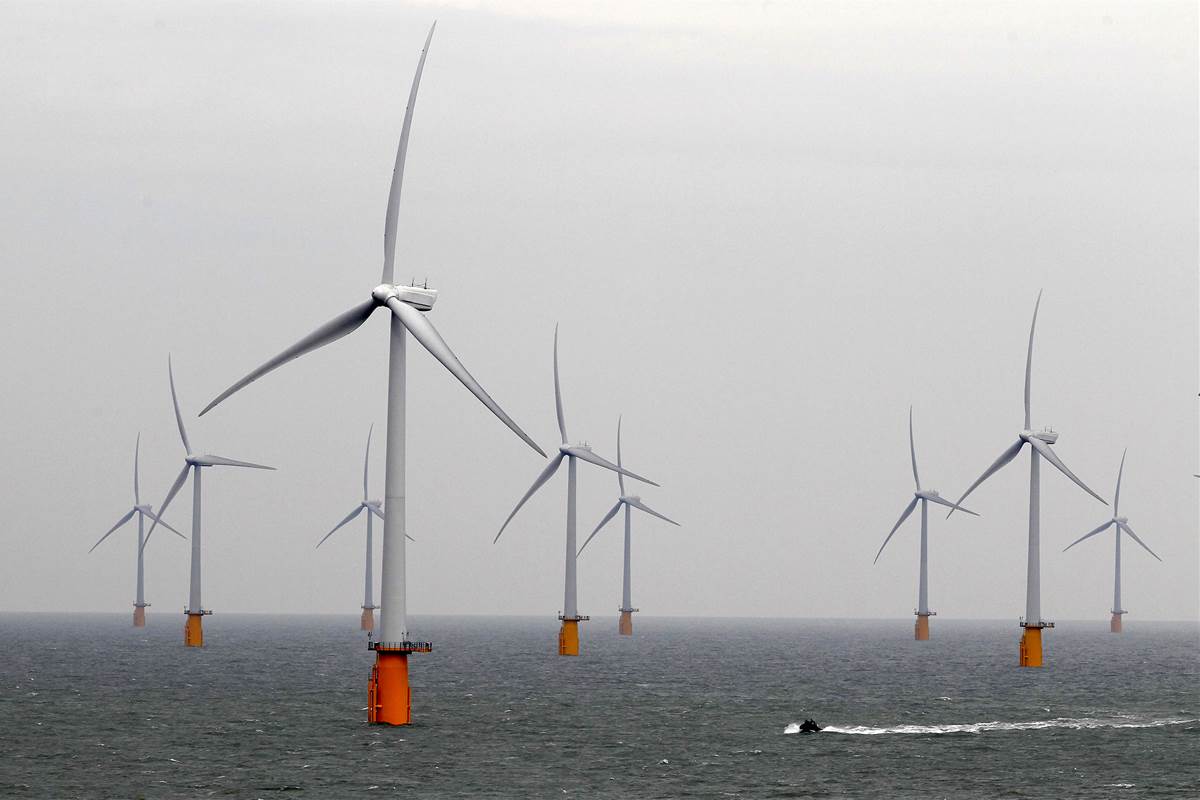
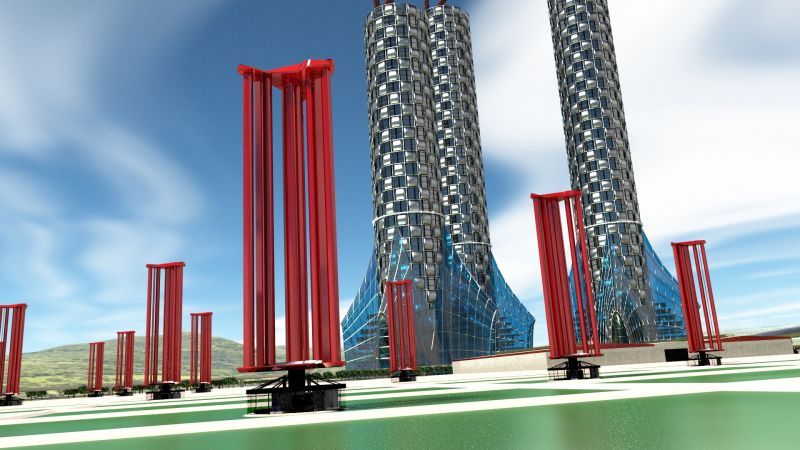
The other day i had this idea for wind farms on the far Northern end of Canada, where it is basically a treeless desert, and have those running along the whole coast up there. I remember Japan was working on some wind power system where if it got hit by a typhoon it would supposedly produce 50 years worth of power. The main issues would be the cost of the wind systems, i don’t even know if they are commercially available yet, secondly hooking them up to the power grid and trying to run it into the greater North American power grid, i don’t know if the power grid stretches from up there down to the main grid. The plus to this as opposed to solar is this could be running up there 24÷7÷365. Cost to do something like this, to start, probably in the neighborhood of 5 to 10 million dollars US, and would require a ton of connections.
Typhoons are generally associated with mass destruction, but a Japanese engineer has developed a wind turbine that can harness the tremendous power of these storms and turn it into useful energy. If he’s right, a single typhoon could power Japan for 50 years.
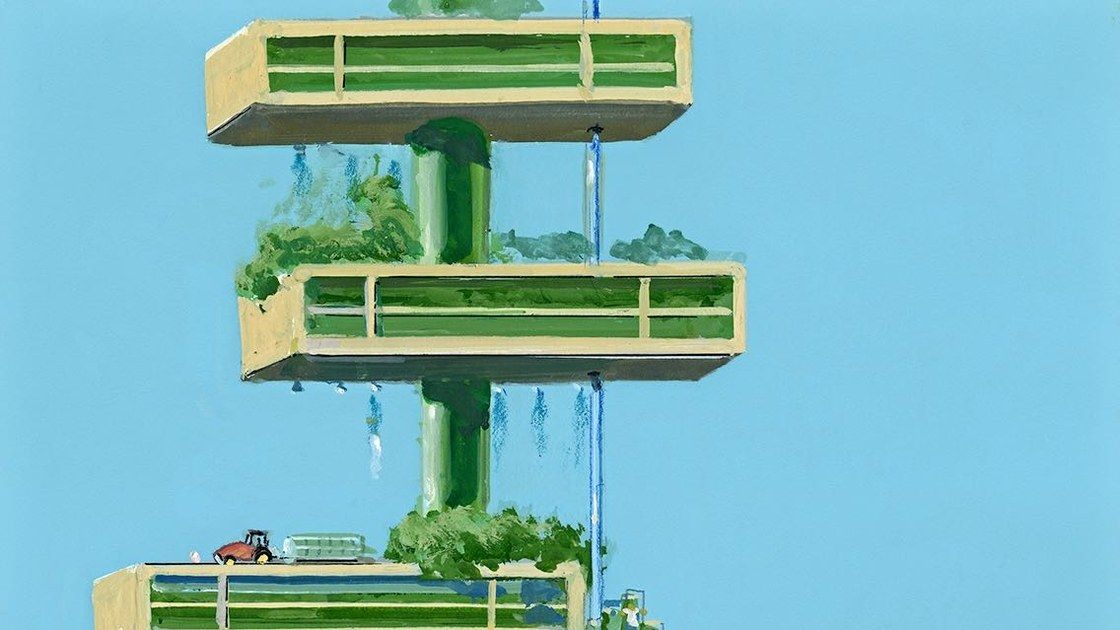
The term “vertical farming” has not been around long. It refers to a method of growing crops, usually without soil or natural light, in beds stacked vertically inside a controlled-environment building. The credit for coining the term seems to belong to Dickson D. Despommier, Ph.D., a professor (now emeritus) of parasitology and environmental science at Columbia University Medical School and the author of “The Vertical Farm: Feeding the World in the 21st Century.”
Hearing that Despommier would be addressing an audience of high-school science teachers at Columbia on a recent morning, I arranged to sit in. During the question period, one of the teachers asked a basic question that had also been puzzling me: What are the plants in a soil-free farm made of? Aren’t plants mostly the soil that they grew in? Despommier explained that plants consist of water, mineral nutrients like potassium and magnesium taken from the soil (or, in the case of a vertical farm, from the nutrients added to the water their roots are sprayed with), and carbon, an element plants get from the CO2 in the air and then convert by photosynthesis into sucrose, which feeds the plant, and cellulose, which provides its structure.
In other words, plants create themselves partly out of thin air. Salad greens are about ninety per cent water. About half of the remaining ten per cent is carbon. If AeroFarms’ vertical farm grows a thousand tons of greens a year, about fifty tons of that will be carbon taken from the air.