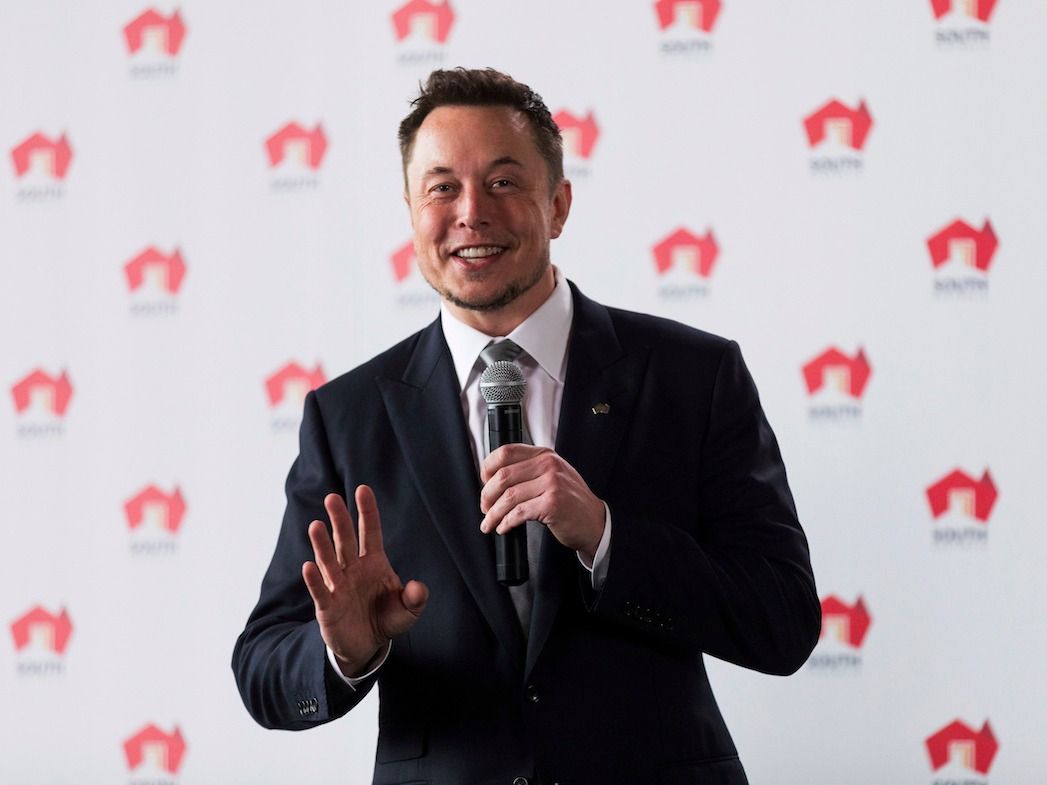
On Friday, Tesla and SpaceX CEO Elon Musk said that the company was halfway done building the battery bank that will become the world’s biggest battery once it’s complete. Musk made the announcement at a party overlooking the project’s construction, ABC News Australia reported.
Tesla is building the 129-MWh battery with French energy company Neoen. The battery will be draw energy from Neoen’s Hornsdale wind farm that’s 142 miles north of Adelaide. The electricity will be delivered to South Australians during peak grid times to reduce the number of blackouts in the area, which are frequent in summer months.
“The system is a big battery, a battery big enough to power 50,000 houses — the biggest in the world,” Neoen global COO Romain Desrousseaux previously told Business Insider.
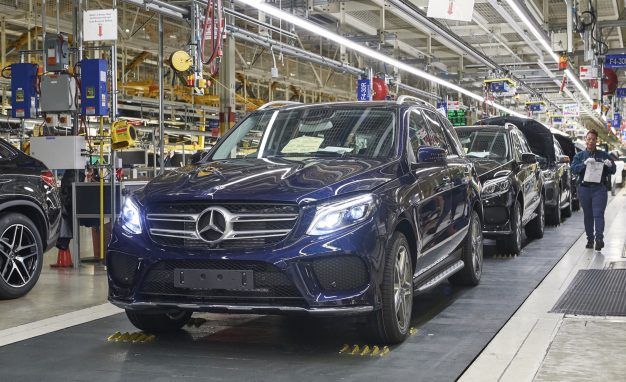
As with any new EV investment from a legacy automaker, the media painted it as an “attack on Tesla”, but Elon Musk, Tesla’s CEO and largest shareholder, doesn’t seem too worried about it.
Gogoro, which wants to redefine urban transportation to make it more sustainable, announced today that it has raised a whopping $300 million to further its mission. New investors Temasek, Al Gore’s Generation Investment Management, Sumitomo Corporation, and ENGIE joined existing investors Dr. Samuel Yin, founder of the Tang Prize and chairman of Ruentex Group; Panasonic; and others.
Based in Taipei, Taiwan, Gogoro developed a cloud-powered battery-swapping network called the Gogoro Energy Network. The aim, according to cofounder and CEO Horace Luke, is to build an infrastructure model to power electric mobility.
“The smart connected infrastructure focuses on optimizing the Gogoro Energy Network to make sure that customers always have access to charged batteries,” Luke said in an interview with VentureBeat.
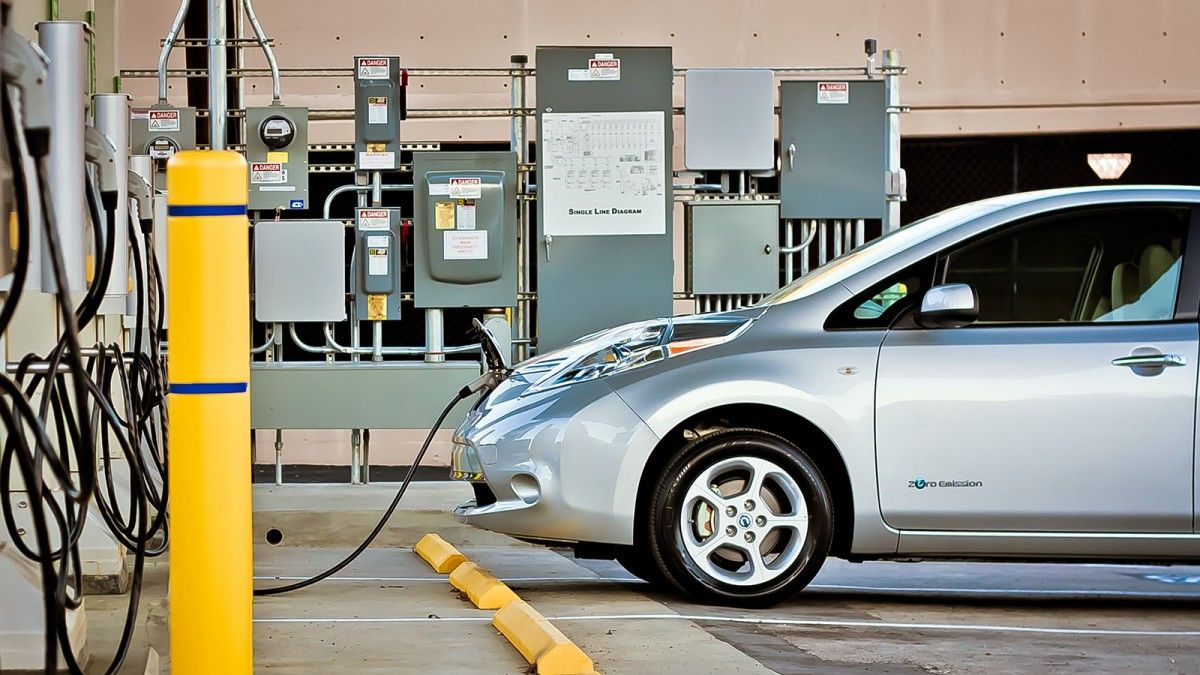
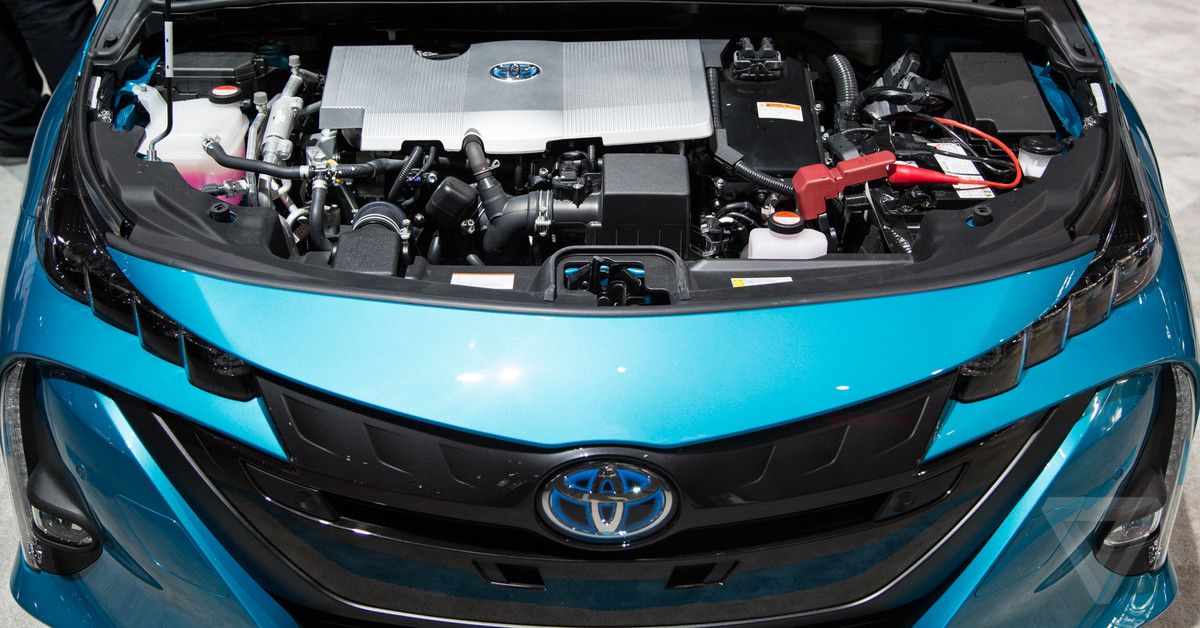
This is how you really get an industry to change its ways. Bloomberg reports that China’s government has announced that any automaker producing or importing more than 30,000 cars in China must ensure 10 percent of them are all-electric, plug-in hybrid, or hydrogen-powered by 2019. That number will rise to 12 percent in 2020.
In fact, the new regulations are actually more lenient than drafts of the rules had suggested: they scrap a 2018 introduction to give manufacturers more time to prepare, and will also excuse failure to meet the quota in the first year. So, really, the 12 percent target in 2020 is the first enforceable number.
That still doesn’t make it very easy, as the Wall Street Journal notes (paywall). Domestic automakers already make plenty of electric cars (largely at the government’s behest), which means that they should be able to meet the numbers, but Western firms will find it harder. In preparation, some have actually set up partnerships with Chinese companies to help them build electric vehicles in time.
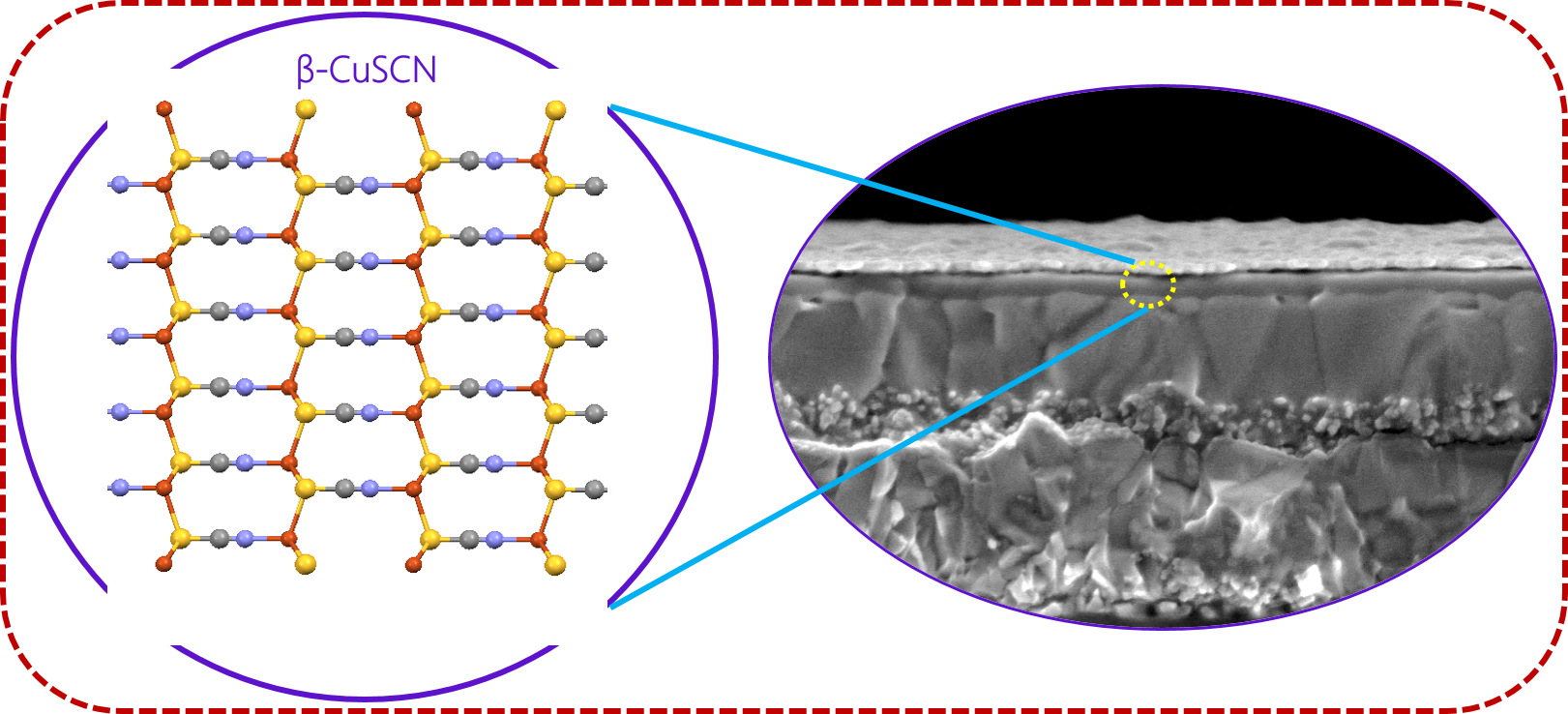
Perovskite solar cells (PSCs) can offer high light-conversion efficiency with low manufacturing costs. But to be commercially viable, perovskite films must also be durable and not degrade under solar light over time. EPFL scientists have now greatly improved the operational stability of PSCs, retaining more than 95% of their initial efficiencies of over 20 % under full sunlight illumination at 60oC for more than 1000 hours. The breakthrough, which marks the highest stability for perovskite solar cells, is published in Science.
Challenges of stability
Conventional silicon solar cells have reached a point of maturation, with efficiencies plateauing around 25% and problems of high-cost manufacturing, heavyweight, and rigidity has remained largely unresolved. On the contrary, a relatively new photovoltaic technology based on perovskite solar cells has already achieved more than 22% efficiency.