You are invited to presentations by “The Immortality Thief: How Toxins Shorten Life — and How to Fight Back with Glutathione, TPE & Beyond.” Bill Faloon will also give an update on Age Reversal presentation. — March 26, 2026” Our doors open at 6:00 PM with the main event at 7:00 PM Live in Person AND in Zoom and YouTube Livestream Afterwards, enjoy a 5 star banquet and conversations with members on Health and Super Longevity.
Category: life extension – Page 49
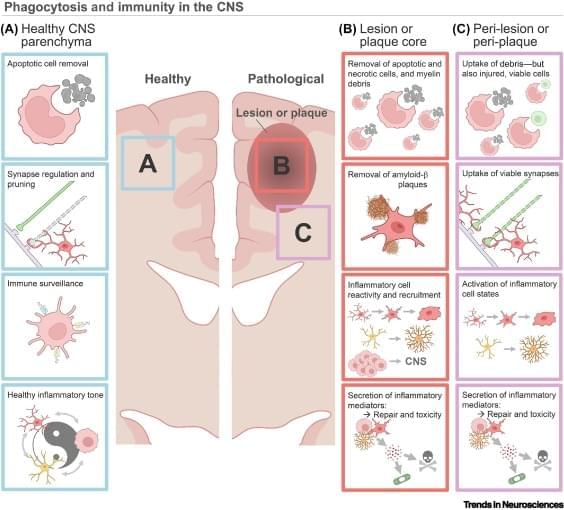
Phagocytosis and neuroinflammation: orchestrating central nervous system homeostasis, repair, and the resolution of inflammation
Brain phagocytosis and neuroinflammation.
Phagocytes in the central nervous system (CNS), including astrocytes, microglia, and macrophages, shape development and homeostasis by pruning synapses and removing apoptotic debris.
Phagocytosis is mediated by various ligand–receptor dyads and signaling pathways, enabling CNS phagocytes to respond to neuroimmune shifts across the lifespan and during pathology.
Phagocytosis pathways regulate recovery in various models of CNS pathology, including multiple sclerosis, CNS injury, ischemic stroke, and age-associated neurodegeneration.
Phagocytosis pathways are intimately integrated with the inflammatory cell state and remove viable cells in pathology-adjacent tissue, highlighting the complexity of targeting these systems.
To maximize benefit and minimize off target damage, new phagocytic-based approaches should optimize drug delivery timing and location, tailored to each CNS pathology. sciencenewshighlights ScienceMission https://sciencemission.com/resolution-of-inflammation
DNA Damage Can Be Stopped
Being alive inherently damages our DNA through sunlight and cellular processes. But what if we could make this damage optional? Nature offers clues: animals with superior DNA repair and cell elimination mechanisms could hold the key to longer life.
Functional recovery of the adult murine hippocampus after cryopreservation by vitrification
Year 2025
Cryopreserving the adult brain is challenging due to damage from ice formation, and traditional freezing methods fail to maintain neural architecture and function. Vitrification offers a promising alternative but has not been surveyed in the brain. Here, we demonstrate near-physiological recovery of the adult murine hippocampus after vitrification of brain slices and of the whole brain in situ. Key features of the hippocampus are preserved, including structural integrity, metabolic responsiveness, neuronal excitability, and synaptic transmission and plasticity. Notably, hippocampal long-term potentiation was well preserved, indicating that the cellular machinery of learning and memory remains operational. These findings extend known biophysical limits for cerebral hypothermic shutdown by demonstrating recovery after complete cessation of molecular mobility in the vitreous state. This suggests that the brain can be arrested in time and then reactivated, opening avenues for potential clinical applications.
Significance Statement While the brain is considered exceptionally sensitive, we show that the hippocampus can resume normal electrophysiological activity after being rendered completely immobile in a cryogenic glass. The work extends known biophysical tolerance limits for the brain from the hypothermic to the cryogenic range and establishes a protocol for its long-term storage in a viable state.
The authors have declared no competing interest.

Cortically-mediated muscle responses to balance perturbations increase with perturbation magnitude in older adults with and without Parkinson’s disease
New in eNeuro from Boebinger et al: Compared to young adults, older people with and without Parkinson’s disease have larger brain responses and muscle signals that hinder their balance recovery ability.
▶️
We lack a mechanistic understanding of how cortical contributions to balance control change in aging and Parkinson’s disease (PD). Balance is governed by brainstem circuits, with higher-order centers like the cortex or basal ganglia becoming engaged as challenge increases or balance health declines. We previously showed that parallel sensorimotor feedback loops engaging brainstem and cortical circuitry contribute to muscle activity for balance control in young adults (YAs). Here, we analyze data from male and female older adults (OAs) with and without PD, decomposing perturbation-evoked tibialis anterior and medial gastrocnemius muscle activity into hierarchical components based on latencies of feedback control loops. We found that balance-correcting muscle activity followed a stereotypical waveform of long-latency responses (LLRs): LLR1 began ∼120ms and LLR2 occurred ∼210ms, respectively, consistent with subcortical and cortical feedback latencies. Both LLRs increased with balance challenge and could be explained by center of mass kinematics. Perturbation-evoked antagonist muscle activity consisted of destabilizing and stabilizing components categorized based on whether they resist the kinematic errors that drive their activation. The destabilizing component occurred at ∼180ms and was negatively correlated with clinical measures of balance ability in the OA but not PD group. Exploratory comparisons showed OA and PD groups had larger LLR2s at lower challenge levels than YAs, consistent with greater cortical engagement during balance with aging. These findings demonstrate that a neuromechanical model can decompose perturbation-evoked muscle activity into hierarchical components related to clinical balance ability and identify mechanistic changes in the neural control of balance without direct brain measurements.
Significance Statement We show that reactive balance recovery in older adults with and without Parkinson’s disease can be decomposed into distinct components that reflect hierarchical brainstem, cortical, and basal ganglia feedback loops. Using a neuromechanical model of delayed task-level feedback control, we link these components to perturbation difficulty and clinical balance ability in older adults. This framework connects specific features of agonist and antagonist muscle activity to underlying neural control processes without requiring direct brain recordings. Our findings provide a mechanistic basis for age-and disease-related changes in balance control that can inform individualized assessment and future rehabilitation strategies.
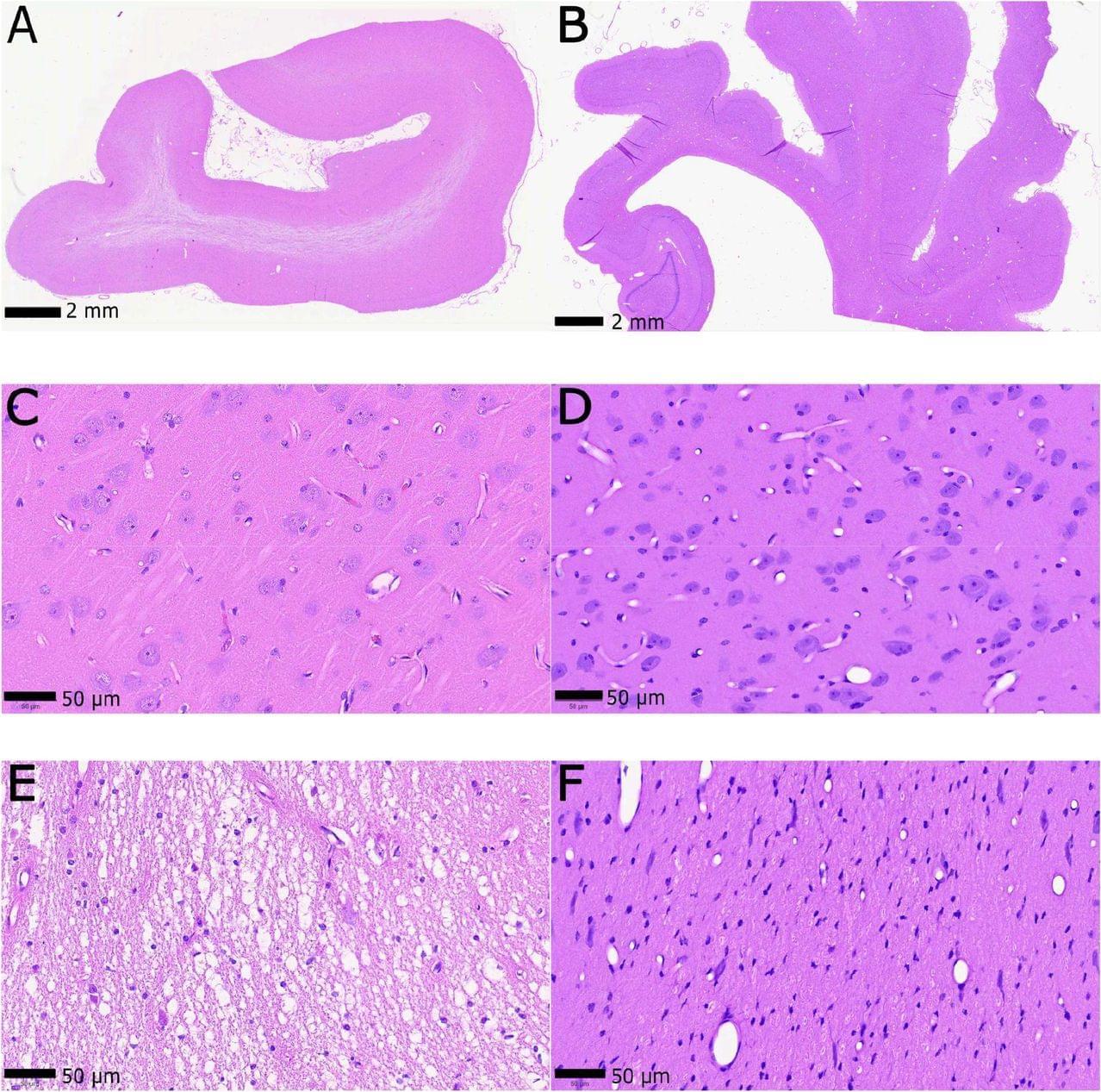
Ultrastructural preservation of a whole large mammal brain with a protocol compatible with human physician-assisted death
Ultrastructural Preservation of a Whole Large Mammal Brain (bioRxiv, 2026) ⚠️ Preprint – not yet peer-reviewed.
A 2026 preprint builds on over a decade of brain preservation research, demonstrating that whole mammalian brains (pigs) can be preserved with remarkable structural fidelity under near–real-world, end-of-life conditions.
The study refines aldehyde-stabilized cryopreservation (ASC)—a technique previously recognized by the Brain Preservation Foundation. This method combines chemical fixation (aldehydes), cryoprotectants, and controlled cooling to prevent ice damage and preserve neural structure at the nanoscale. — What the study shows.
Whole pig brains preserved with intact cellular and synaptic architecture.
Preservation remains viable even with delayed postmortem intervals (~10 minutes)
Tissue remains perfusable and structurally stable after fixation.
Protocol moves toward clinically realistic implementation, not just lab conditions.
Building Longevity Through Immune Health with Beta Glucan | Jill Carnahan, MD
In this episode of the Innovations and Clinical Implementation podcast, hosts Jessica Carter and Dr. Chris D’Adamo interview Dr. Jill Carnahan, a functional…
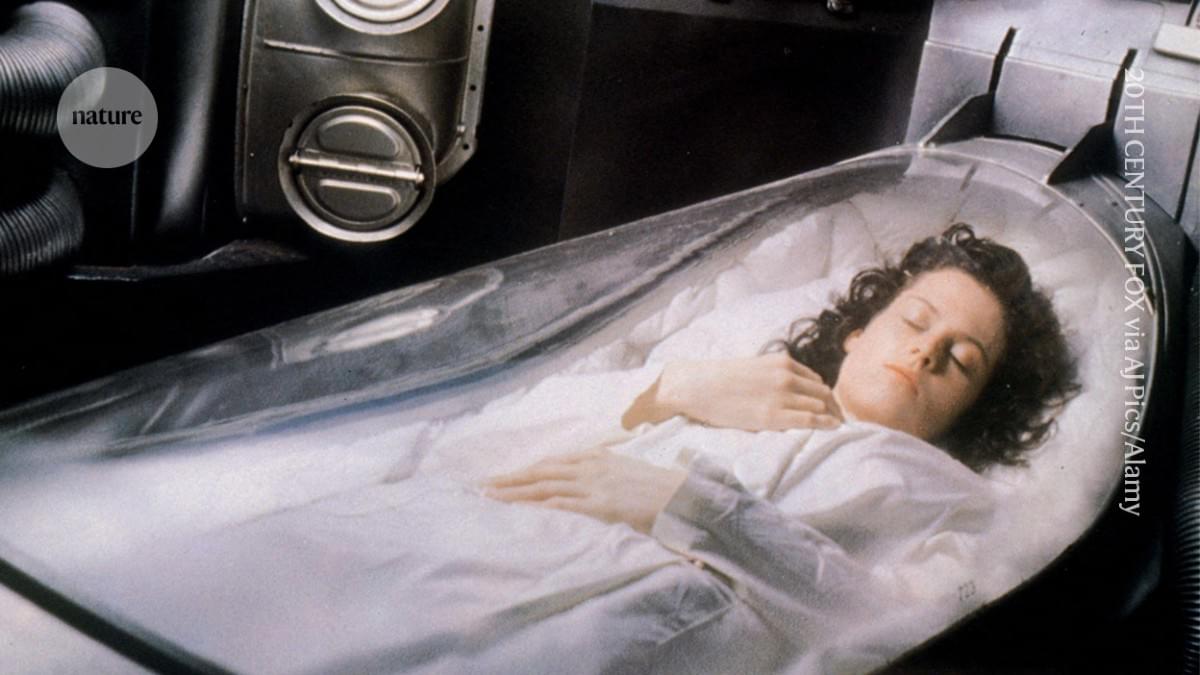
Scientists revive activity in frozen mouse brains for the first time
A familiar trope in science fiction is the cryopreserved time traveller, their body deep-frozen in suspended animation, then thawed and reawakened in another decade or century with all of their mental and physical capabilities intact.
Researchers attempting the cryogenic freezing and thawing of brain tissue from humans and other animals — mostly young vertebrates — have already shown that neuronal tissue can survive freezing on a cellular level and, after thawing, a functional one to some extent. But it has not been possible to fully restore the processes necessary for proper brain functioning — neuronal firing, cell metabolism and brain plasticity.
A team in Germany has now demonstrated a method for cryopreserving and thawing mouse brains that leaves some of this functionality intact. The study, published on 3 March in Proceedings of the National Academy of Sciences 3, details the authors’ use of a method called vitrification, which preserves tissue in a glass-like state, along with a thawing process that preserves living tissue.
“If brain function is an emergent property of its physical structure, how can we recover it from complete shutdown?” asks Alexander German, a neurologist at the University of Erlangen–Nuremberg in Germany and lead author of the study. The findings, he says, hint at the potential to one day protect the brain during disease or in the wake of severe injury, set up organ banks and even achieve whole-body cryopreservation of mammals.
Mrityunjay Kothari, who studies mechanical engineering at the University of New Hampshire in Durham, agrees that the study advances the state of the art in cryopreservation of brain tissue. “This kind of progress is what gradually turns science fiction into scientific possibility,” he says. However, he adds that applications such as the long-term banking of large organs or mammals remain far beyond the capabilities of the study.
Article Featured in Nature.
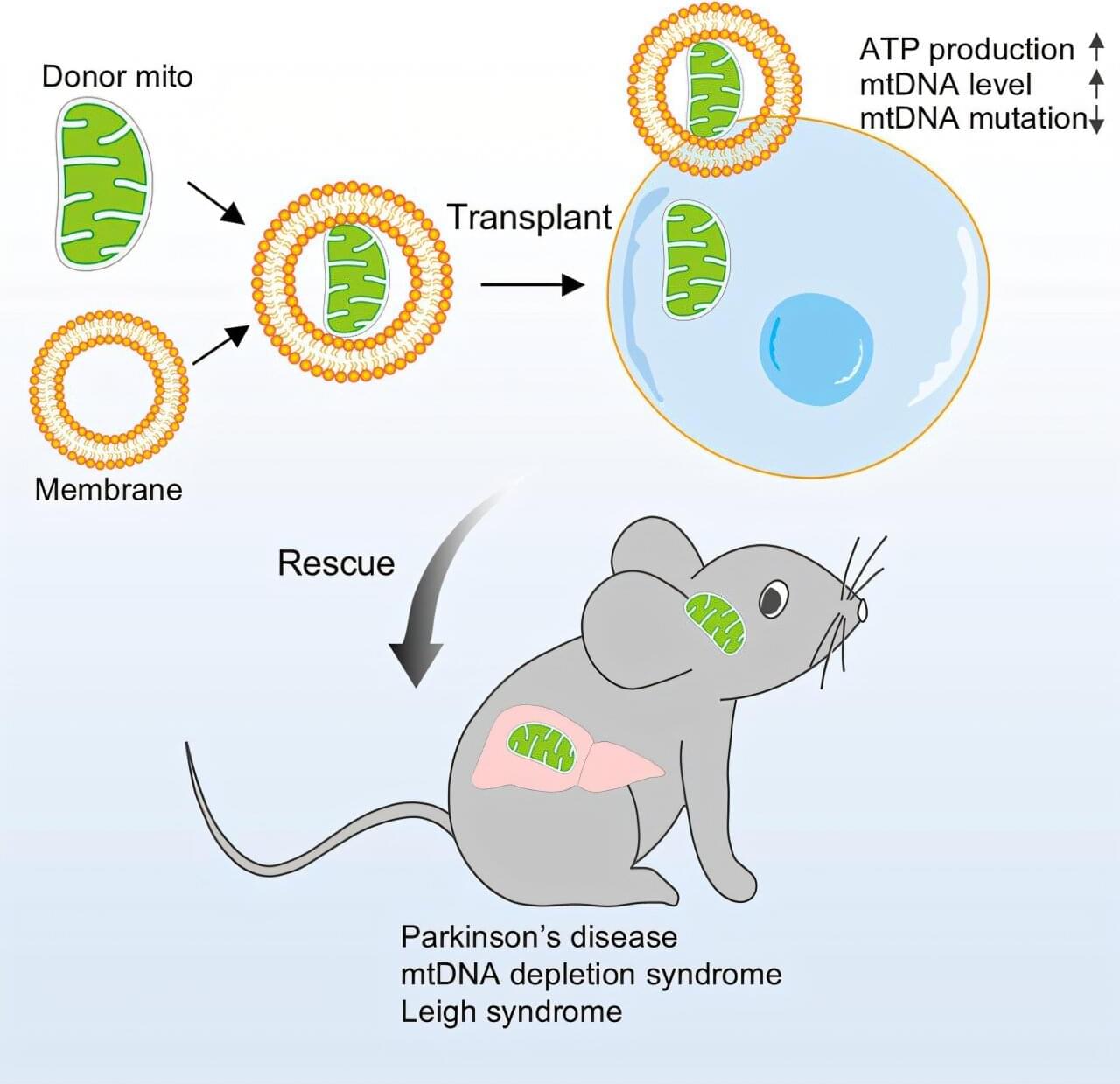
Mitochondrial capsule transplantation therapy shows potential for major diseases
Chinese researchers have developed a novel and highly efficient mitochondrial capsule transplantation therapy, achieving the safe and efficient transplantation of healthy mitochondria into cells and tissues for the first time. This new therapy can significantly alleviate symptoms of severe diseases such as Parkinson’s disease.
According to the study, published in the journal Cell, the therapy proposes a brand-new strategy in the field of regenerative medicine, shedding fresh light on intervention in refractory diseases caused by mitochondrial dysfunction, such as mitochondrial genetic diseases and neuron degenerative disorders.
Mitochondria are organelles that refer to specialized subunits with specific functions in cells. Mitochondria function like power plants in cells, continuously converting nutrients into energy for life activities. They are also the only organelles in human cells that possess their own genome.
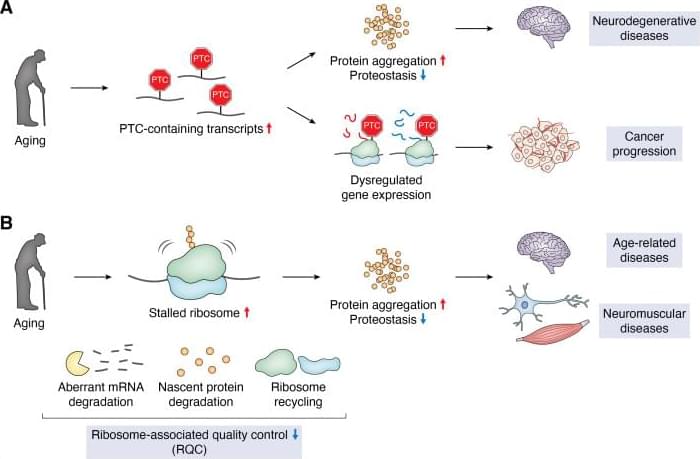
The function of mRNA quality control in aging and age-related diseases
Aging is a complex biological process characterized by the gradual decline of physiological and molecular functions and increased susceptibility to age-associated diseases. Emerging evidence indicates the role of mRNA quality control mechanisms in the regulation of aging and longevity. This review focuses on the function of mRNA surveillance mechanisms, including nonsense-mediated mRNA decay (NMD), nonstop decay (NSD), and no-go decay (NGD), in aging and age-related diseases. We discuss the critical roles of these pathways in maintaining mRNA quality and preventing the accumulation of aberrant transcripts, which can contribute to aging and age-related disorders.