Going beyond the rejuvenation of the eye and into whole body trials.
The next step in the youth quest is a technology called chemical reprogramming.
Going beyond the rejuvenation of the eye and into whole body trials.
The next step in the youth quest is a technology called chemical reprogramming.
Science-first longevity retreat in Colorado.
Hey friends, we’re running a longevity retreat in the CO mountains this August!
Peak Protocol is a 4-day science-first retreat at SageStone Adventure Lodge in Granite, CO (August 6–9).
The idea is to bring together people who want to get serious about their health, put them in a gorgeous venue with longevity doctors and scientists, and give everyone a personalized longevity plan to leave with.
What’s included:
✅ Custom biomarker panel before you arrive.
Joe Betts-LaCroix and Retro Biosciences recently raised funding at a $1.8 billion valuation. In his first podcast appearance since the announcement, Joe shares his vision for extending healthy human lifespan and the breakthroughs driving the longevity industry forward.
Joe Betts-LaCroix explains why aging is becoming a legitimate scientific target. He shares how new discoveries are turning longevity from speculation into measurable biology.
The conversation explores how AI is accelerating research, while highlighting why biology remains one of the hardest problems to solve. Even with smarter models, real-world testing and clinical trials still take time.
Joe also discusses Alzheimer’s, partial cellular reprogramming, and the future of longevity medicine. He shares why exercise remains the best longevity tool available today and what the next decade could look like for human health.
Joe is the CEO of Retro Biosciences and a longtime entrepreneur focused on science and technology. His mission is to extend healthy human lifespan and accelerate breakthroughs in aging research.
This episode is brought to you by NADclinic, the go-to destination for longevity and human performance. Check them out at https://nadclinic.com.
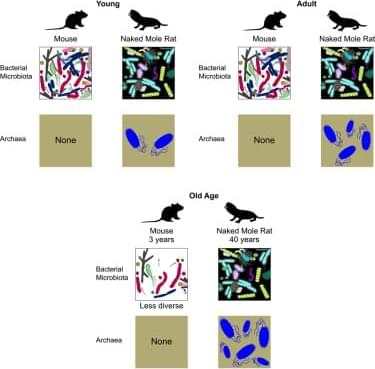
The naked mole-rat (NMR), Heterocephalus glaber, is an unusual mammal that lives underground in eusocial colonies. NMRs show remarkable longevity and are resistant to cancer, neurodegeneration, and cardiovascular disease. The gut microbiome is known to modulate human health and disease; here, we investigate the microbiome of NMRs, comparing fecal samples from individuals over different social ranks and over a span of more than three decades. In contrast to a cohort of C57BL6/J mice, which showed extensive age-related changes, we found little difference in the microbiota of NMRs from different age cohorts. Only the archaea Methanomassiliicoccus intestinalis, which was present in the NMR gut but not the murine gut, showed an increased proportion with older age. Pregnant queens were found to have higher microbial diversity, potentially a consequence of their aggressive coprophagia. Overall, these findings provide a rich and dynamic picture of the NMR microbiome and starting points for future investigation.
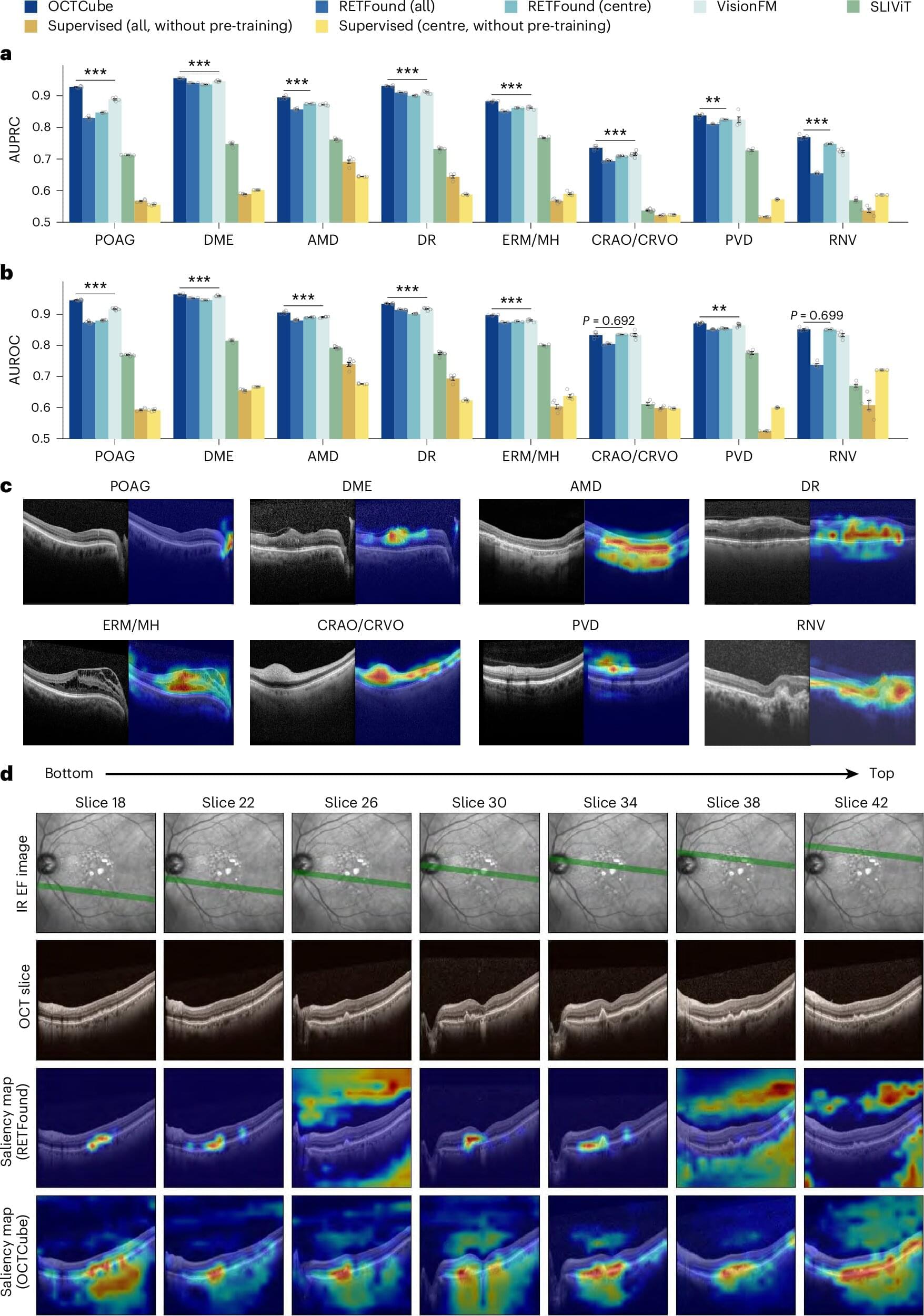
Non-invasive eye scans allow doctors a zoomed-in, three-dimensional look beneath the eye’s surface without causing discomfort or pain to the patient. Used routinely in clinics worldwide, the scans produce detailed views of individual layers of the eye’s interior to help diagnose conditions that threaten vision. But with that level of precision comes a flood of data—hundreds of images per scan that physicians have to review manually, a time-consuming process that is vulnerable to human error.
Now, researchers at Washington University School of Medicine in St. Louis, in collaboration with colleagues at the University of Washington in Seattle and Genentech, Inc., have developed an experimental artificial intelligence (AI) system that can speed the scan review process and help doctors spot subtle signs of eye disease sooner. The technology, called OCTCube-M, includes a family of three AI models that are designed to read and interpret 3D images of the eye’s retina as well as other types of eye scans.
In a new study, the researchers found that, compared with older models, the new AI system more accurately identified eight different retinal diseases, including age-related macular degeneration, a common disease that damages the retina and is the leading cause of blindness in people over 50. It also was more accurate in its predictions of how fast a severe form of this condition, called geographic atrophy, would progress.

The experimental drug combo dasatinib and quercetin (known for short as D+Q) is one of the most promising anti-aging therapies being developed right now.
It is not yet approved for human use, but some scientists think it has the potential to fight disease by improving how our systems clear out worn-down cells.
According to a new study, however, there might be a big problem with D+Q.
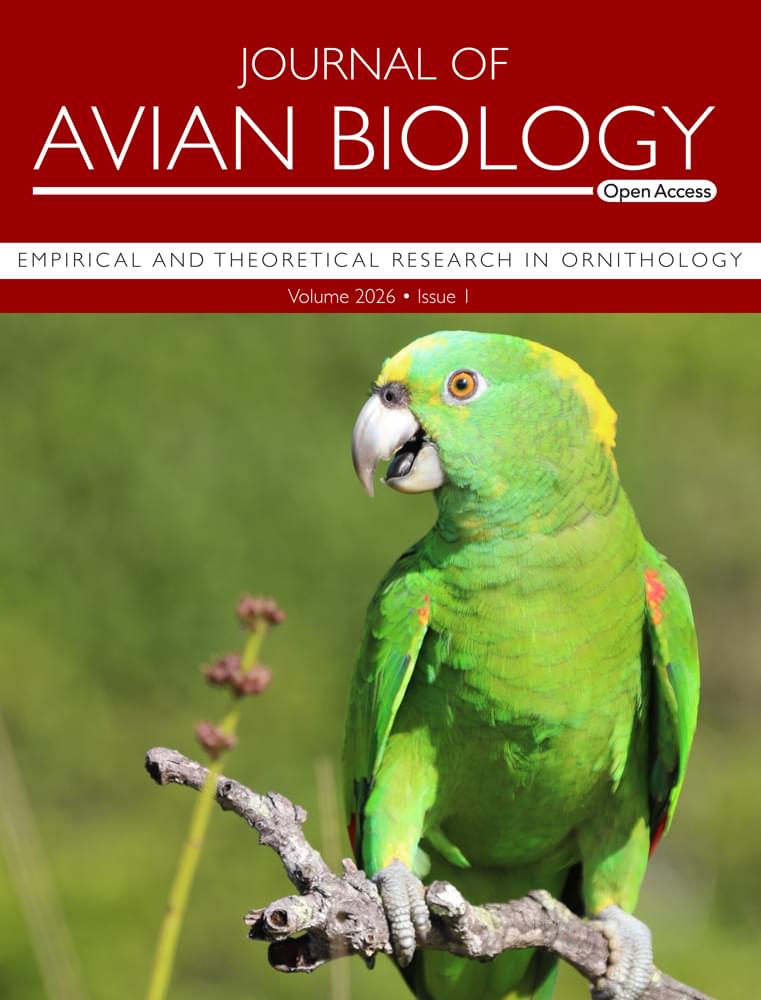
Telomeres are regarded as key markers of cellular ageing and physiological state. Oxidative stress, which can accelerate telomere shortening, is thought to increase during energetically demanding processes such as bird migration. However, their study in the context of migratory behaviour is limited. Here we compared telomere length (TL) and mitochondrial DNA copy number (mitoDNAcn) between migratory and resident Eurasian blackbirds on the island of Helgoland, a migratory stopover site. Contrary to expectations, we found migrants had longer TLs despite similar mitochondrial densities. These findings reinforce the idea that migratory individuals may possess specific physiological adaptations, such as enhanced antioxidant defences, that help preserve telomere integrity.
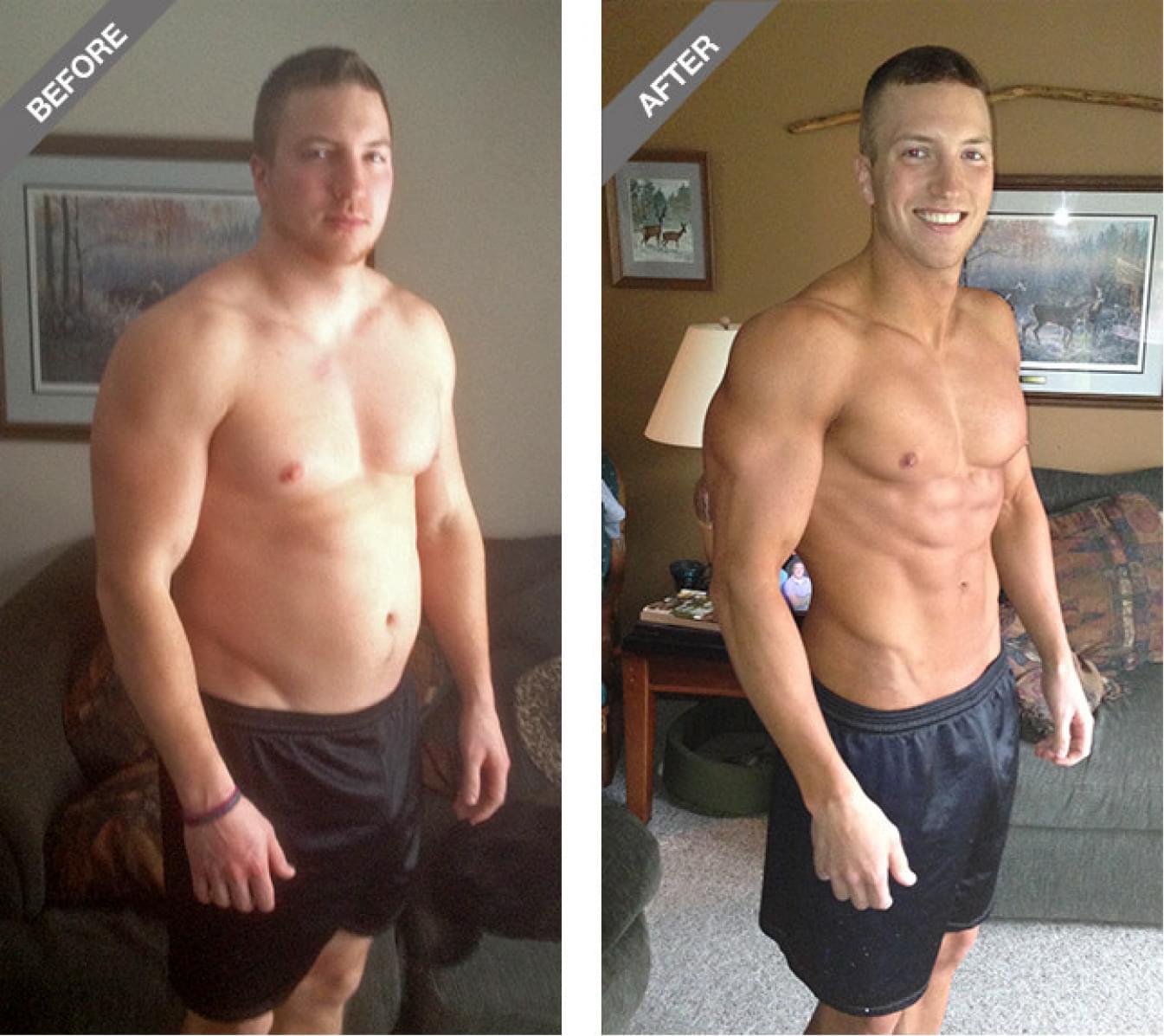
Where fat is distributed across the body—not merely the total amount—significantly and independently influences brain structure, brain function, and cognitive performance in middle-aged and older adults. This new study was published in Nature Mental Health.