Toggle light / dark theme

Get the latest international news and world events from around the world.

Log in for authorized contributors

Phage therapy in oncology: opportunities for cancer prevention and treatment

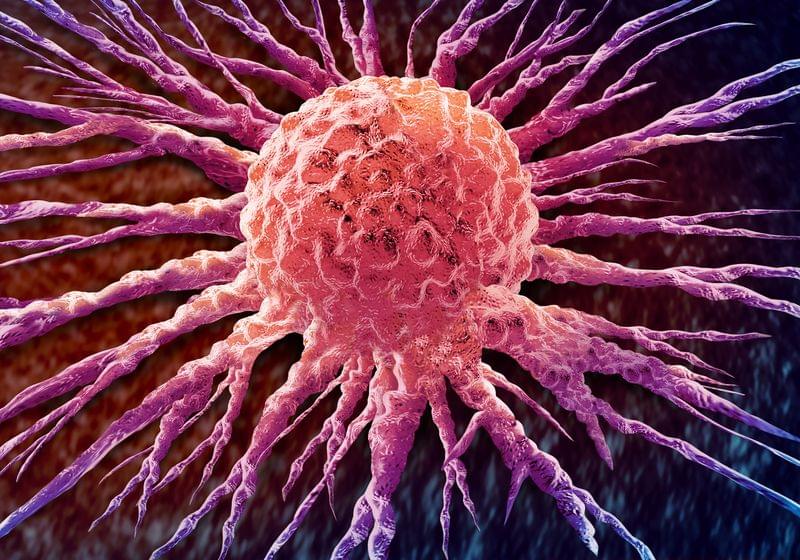
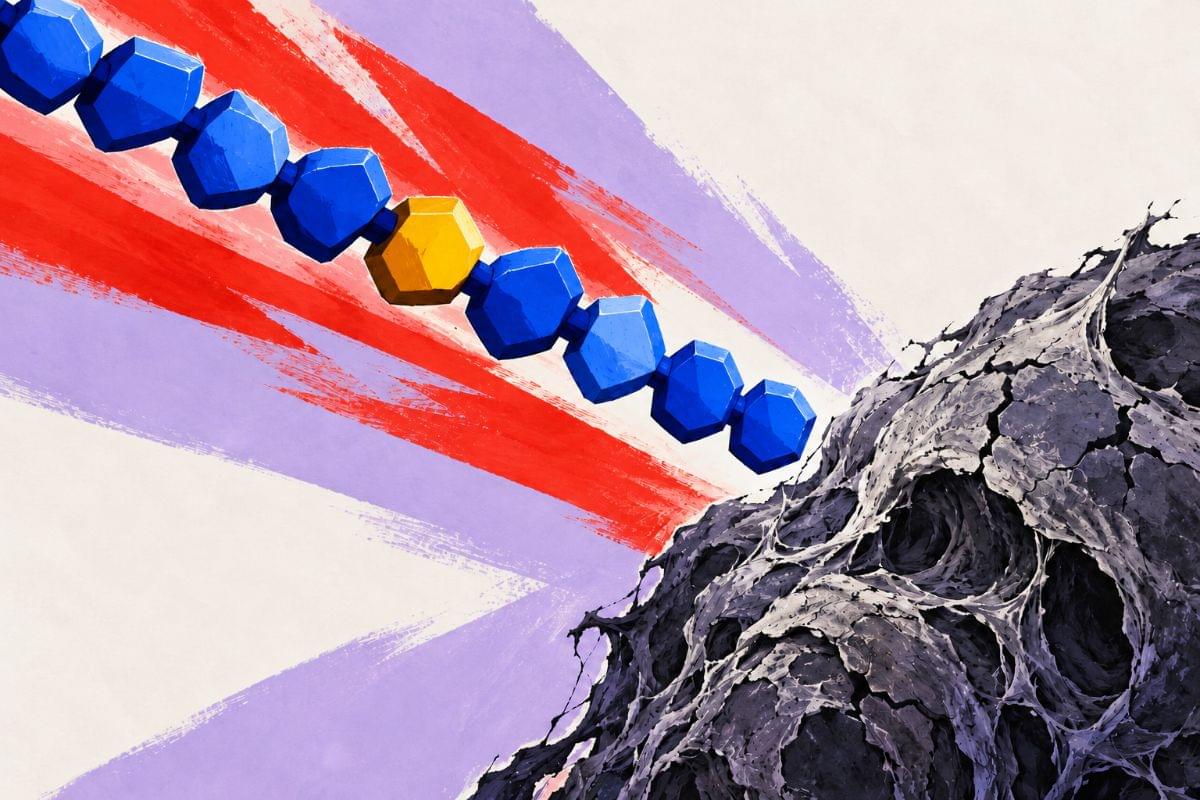
Phage therapy in cancer prevention and treatment.

Beyond antibacterial functions, bacteriophages (or phages) can modulate tumor-associated microbiota, alter immune responses, and influence cancer progression.

Advances in synthetic biology enable programmable phages to target tumor cells, deliver therapeutic cargos, and enhance antitumor immunity with high specificity and minimal toxicity.

Phage-mediated modulation of the microbiome offers a novel strategy to disrupt cancer-promoting bacterial networks and improve responses to immunotherapy or chemotherapy.

Despite promising preclinical evidence, challenges including immune clearance, host specificity, pharmacokinetics, and regulatory frameworks must be addressed before clinical implementation.

Combining phage-based interventions with conventional and immune-based therapies could open a new frontier in precision cancer prevention and treatment. sciencenewshighlights ScienceMission https://sciencemission.com/Phage-therapy-in-oncology


Where Does Mass Come From? Scientists Find Evidence of a New Exotic Nuclear State

New experiments reveal possible η′-mesic nuclei, offering evidence that particle masses shift inside nuclear matter and shedding light on how mass originates from vacuum structure. Almost everything around us has mass, but its origin is still a fundamental question in physics. Current theory sugg

Revolutionary Imaging Technique Unlocks Secrets of Matter at Extreme Speeds

A novel imaging method captures ultrafast events with unprecedented detail by combining laser encoding and AI reconstruction. Researchers have introduced a new imaging method that reveals far more detail about ultrafast events in the microscopic world than earlier approaches. The technique allows

How nanomedicine gets inside your cells and treats you from the inside out

Canadians swallow millions of pills every day to treat common health issues like high blood pressure, high cholesterol and Type II diabetes, but scientists are working at the molecular level to turn patients’ cells into pharmacies.

Nanotechnology, where atoms and molecules are manipulated on a tiny scale—a billion times smaller than a meter—is already incorporated into everyday products like sunscreen, waterproof clothing and smartphones.

In nanomedicine, it’s being used to prompt RNA to make protein-based drugs to treat diseases. Now we can fine-tune protein production by dialing it up or down, creating personalized medicine on an invisible scale.

Nanobody repairs misfolded CFTR inside cells, boosting function in cystic fibrosis

A tiny antibody component could fundamentally transform the treatment of cystic fibrosis: For the first time, researchers have succeeded in developing a so-called nanobody that penetrates directly into human cells and can repair the chloride channel most commonly affected in cystic fibrosis. The innovative therapeutic approach was developed in collaboration between teams from Charité—Universitätsmedizin Berlin and the Leibniz-Forschungsinstitut für Molekulare Pharmakologie (FMP). The results have now been published in the journal Nature Chemical Biology.

The clinical picture of cystic fibrosis—also known as CF—is caused by genetic defects in the so-called CFTR channel. This channel regulates water and salt transport in the lung mucosa and ensures the production of sufficiently fluid mucus. In about 90% of cystic fibrosis patients, a mutation known as F508del is present in the CFTR channel, meaning that a single amino acid is missing at position 508 in its protein chain. This change causes CFTR to fold incorrectly and break down prematurely inside the cell, rather than functioning as a channel in the cell membrane of the airways.

As a result, patients have thick mucus in their lungs, and pathogens can no longer be effectively cleared. The consequence is chronic infection and inflammation of the airways, leading to a progressive loss of lung function—in the worst-case scenario, this necessitates a lung transplant.

People who consume ultra-processed foods have worse muscle health, study suggests

Researchers found that a diet high in ultra-processed foods is associated with higher amounts of fat stored inside thigh muscles, regardless of calorie or fat intake, physical activity or sociodemographic factors in a population at risk for knee osteoarthritis. Results of the study were published in Radiology. Higher amounts of intramuscular fat in the thigh could potentially increase the risk for knee osteoarthritis.

Ultra-processed foods usually have longer shelf lives and can be highly appealing and convenient. They contain a combination of sugar, fat, salt and carbohydrates which affect the brain’s reward system, making it hard to stop eating.

These foods include breakfast cereals, margarines/spreads, packaged snacks, hot dogs, soft drinks and energy drinks, candies and desserts, frozen pizzas, ready-to-eat meals, mass-produced packaged breads and buns, which all include synthesized ingredients.

Long-Term Cognitive Ability and Academic Achievement After Childhood Severe Malaria

Among children with a history of CerebralMalaria or severe malarial anemia, long-term follow-up demonstrated lower overall cognitive ability and lower math achievement compared with unaffected children when assessed 4 to 15 years after the index episode of Malaria.

Attention and reading scores did not differ, and outcomes among children with other forms of severe malaria were similar to unaffected children.

These findings indicate that specific severe malaria phenotypes are associated with persistent cognitive and academic effects into later childhood and adolescence, with implications for long-term follow-up and supportive services.

ESCMIDGlobal2026.


This descriptive analysis uses a subset of data from the Malarial Impact on Neurobehavioral Development (MIND) cohort study to assess whether severe malaria in Ugandan children is associated with long-term cognitive impairment or decreased academic achievement.

The longevity effects of reduced IGF-1 signaling depend on the stability of the mitochondrial genome

This insight has major implications for the development of antiaging therapies. First, they suggest that mtDNA integrity is not simply one of the many hallmarks of aging, but rather the foundation upon which others are built. And when that platform is broken, downstream hallmarks such as proteostasis or DNA repair cannot be engaged by typical means. Second, it suggests that interventions that target nutrient-sensing pathways may fail, or even backfire, when applied to organisms or tissues with high levels of mitochondrial damage. Hence, the next generation of geroprotective treatments must be tested in diverse models of aging, including those that combine multiple hallmarks, to better understand the scope and boundaries of their efficacy. Last, the efficacy of those treatments could be amplified by measures that improve the stability of the mitochondrial genome. While a reduction in IGF-1 signaling did not alter the frequency of mutations in WT or PolgD257A mice, it did slow the pace with which they reached homoplasmy. Thus, although it may not be possible today to reduce mitochondrial mutagenesis in human cells, our data show that it may already be possible to curtail the impact of mtDNA mutations on mammalian health span by slowing their clonal expansion in nondividing cells, the cells that are most sensitive to metabolic dysfunction.

While the precise mechanism by which Pappa influences clonal expansion of mtDNA mutations remains uncertain, several plausible explanations can be proposed. In the absence of cell division (the major driver for homoplasmy in dividing cells), the progression of mtDNA mutations toward homoplasmy is primarily driven by random genetic drift, the rate of mtDNA replication, and mitochondrial quality control. Thus, it is likely that loss of Pappa influences one of these three processes. Loss of Pappa may either reduce the rate of random genetic drift (potentially by changing mitochondrial fusion and fission or the spatial segregation of semi-isolated pockets of mtDNA), reduce the rate of mtDNA replication (less replication lowers the chance that a mutant mtDNA molecule expands enough to reach homoplasmy), or improve mitochondrial quality control by degrading mitochondria with mutant mtDNA molecules. It will be important to distinguish between these possibilities in future work to clear the way for novel interventions aimed at curbing the impact of mtDNA mutations on human health.

Regardless of the mechanism, these findings provide a compelling example of how the interplay between distinct hallmarks of the aging process can fundamentally alter the outcome of otherwise beneficial interventions. They reveal that the efficacy of antiaging strategies such as IGF-1 suppression is not absolute but context dependent. They are contingent on the integrity of underlying systems, including proteostasis and DNA repair. Without an intact mitochondrial genome, these pathways cannot be engaged, indicating that mtDNA integrity is required for these critical antiaging pathways. More broadly, our results underscore the need for a more integrated model of aging, one that considers not only individual pathways but also their interactions, hierarchies, and points of failure. By mapping these interactions, we can better anticipate the limitations of existing interventions and design next-generation therapies that are robust to the complex biology of aged tissues. In this light, strategies that target the expansion of mtDNA mutations, rather than their origin, may offer a powerful new axis for preserving tissue function and extending health span, even when the underlying genomic damage cannot be undone.

/* */