Mitochondria serve as an essential component in the maintenance of cardiac function, and targeting them may represent a promising approach to handling heart failure (HF).

Samsung is expanding its 3D gaming ecosystem and HDR10+ pipeline through partnerships with major games like Cyberpunk 2077 and Crimson Desert, alongside new Odyssey monitor technology.
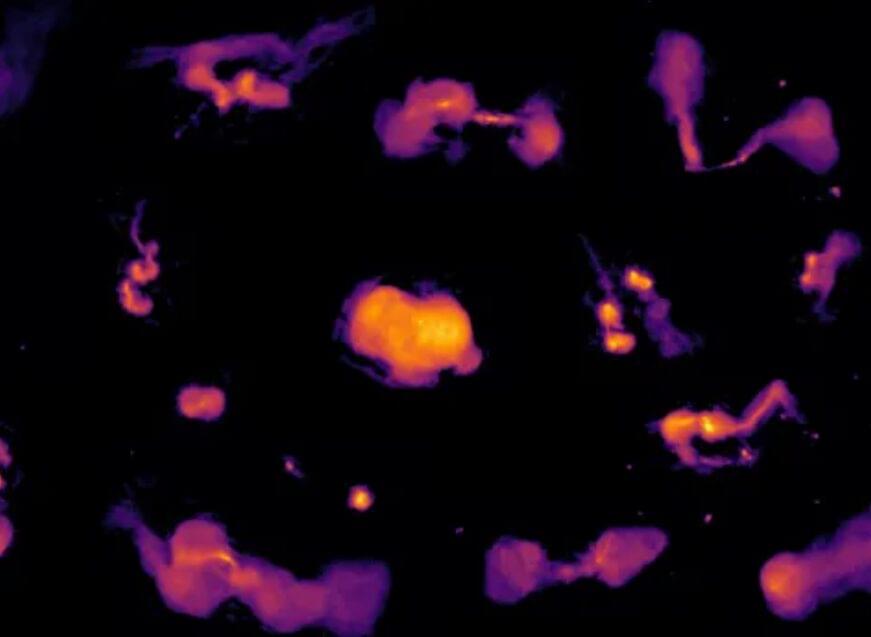
An international collaboration using the Low Frequency Array (LOFAR) has published an exceptionally detailed radio sky map, revealing 13.7 million cosmic sources and delivering the most complete census yet of actively growing supermassive black holes. It showcases an extraordinary variety of systems powered by these black holes, whose radio emission can extend for millions of light-years.
The newly released LOFAR Two-meter Sky Survey (LoTSS-DR3) marks a major milestone in radio astronomy and international scientific collaboration. The results will be published in Astronomy & Astrophysics.
By observing the sky at low radio frequencies, the survey reveals a dramatically different view of the universe than that seen at optical wavelengths. Much of the detected emission arises from relativistic particles moving through magnetic fields, allowing astronomers to trace energetic phenomena such as powerful jets from supermassive black holes and galaxies undergoing extreme star formation across cosmic time.
In the realm of medical advancements, a universal vaccine that can protect against any pathogen has long been a Holy Grail—and about as elusive as a mythological vessel. But Stanford Medicine researchers and collaborators have taken an astonishing step forward in that quest, surprising even themselves.
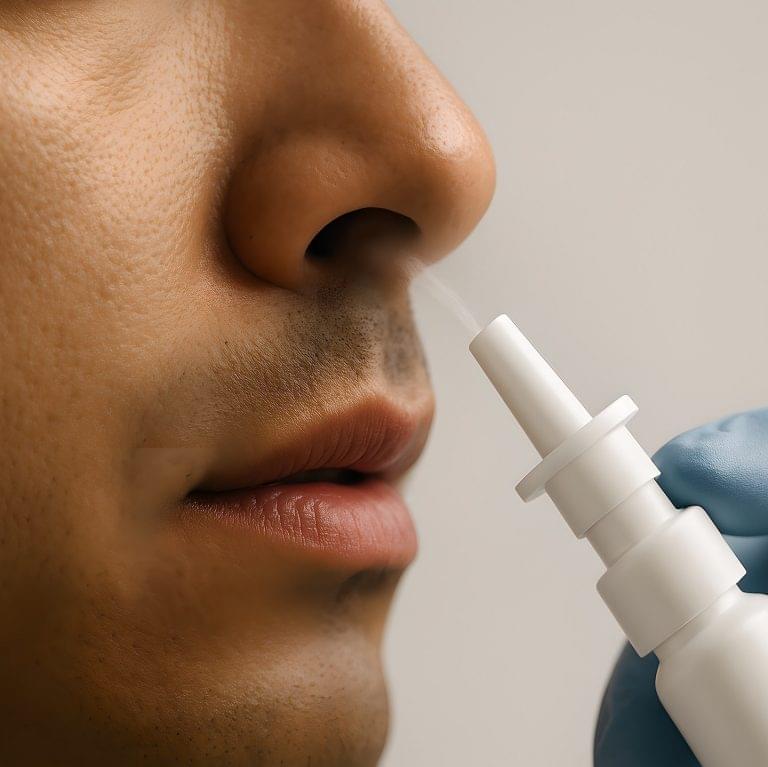
In a new study in mice, they have developed a universal vaccine formula that protects against a wide range of respiratory viruses, bacteria and even allergens. The vaccine is delivered intranasally—such as through a nasal spray—and provides broad protection in the lungs for several months.
In the study, published in Science, researchers show that vaccinated mice were protected against SARS-CoV-2 and other coronaviruses, Staphylococcus aureus and Acinetobacter baumannii (common hospital-acquired infections), and house dust mites (a common allergen).

New research points to the shingles vaccine meaningfully reducing the number of people who develop either dementia or mild cognitive decline later in life https://econ.st/4s73gdz.
Illustration: Cristina Spanò
The evidence is surprisingly strong.
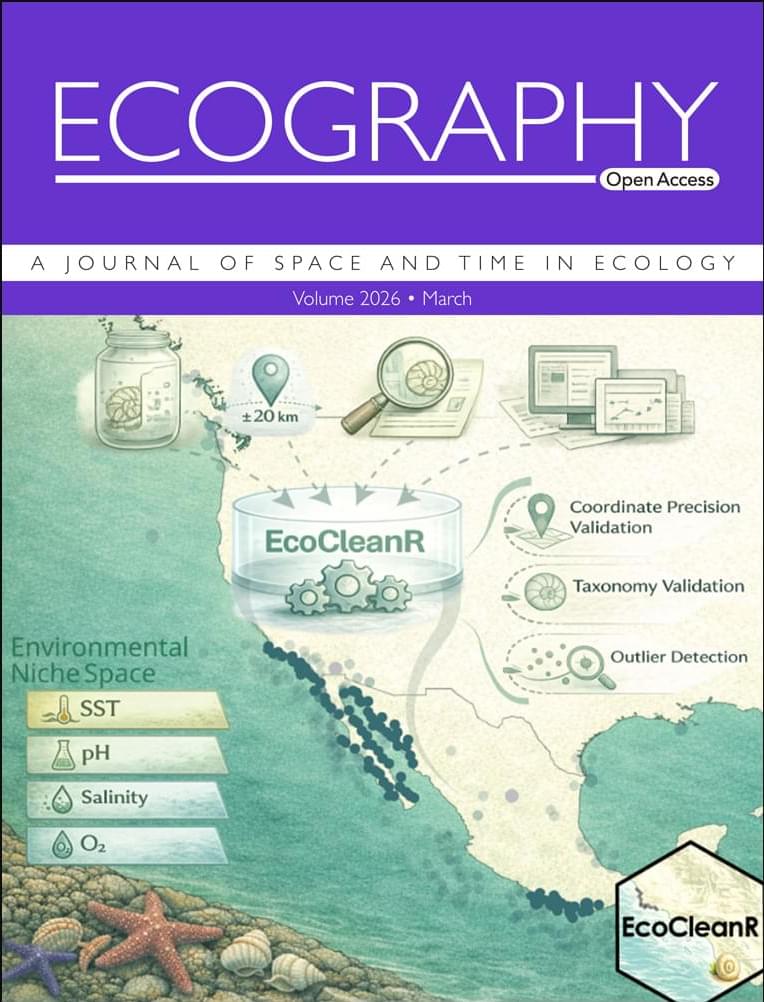
https://vist.ly/4u8bp Macroecology Odonates Parasites
The immune system is the primary defense against parasites. With the ever-increasing rate of disease, epidemiologic models considering geographic variation in immune responses could prove useful. Despite increasing interest in the macroecology of parasitism and infectious diseases, we know little about the macroecology of immune responses (i.e. macroimmunology). Host characteristics, parasite exposure, and environmental factors can all affect immunity, but how these factors shape spatial variation in the strength of immune responses remains underexplored. We captured odonates (dragonflies and damselflies) and their conspicuous ectoparasitic mites from 42 sites spread across a geographic area spanning the temperate and boreal forest biomes in eastern Canada. We then conducted immune response bioassays on 1237 individuals from 63 odonate species. We used generalized additive models and structural equation models to relate immune responses to host body size, parasite load, pH, temperature and precipitation while accounting for spatial autocorrelation in immune ability and evolutionary relationships among host species. We found significant differences in the strength of immune response among host individuals, and this variation was best explained by climatic conditions, specifically strongly decreasing with precipitation. While host species significantly differed in immune response strength, we found no effect of host body size, evolutionary relationships among hosts, or parasitism on immune response. Our study investigating the drivers of immune response across dozens of species spread across two biomes is the most comprehensive to date. Climatic conditions have a strong influence on host immune response, regardless of host characteristics or parasitism rates. Strong immune responses were associated with low levels of annual precipitation, which could relate to the role of cuticular melanin content in desiccation resistance, and the melanin-based encapsulation response being a byproduct of this adaptation. A spatially explicit understanding of the biological processes affecting immunity could improve epidemiological models of disease risk that inform disease management globally.
Predicting parasite and pathogen spread is increasingly relevant and challenging in a highly connected world (Tsiotas and Tselios 2022), and an animal’s immune system is the first line of defense against attack by parasites and pathogens. Yet, the factors driving variation in immunity among individuals, populations, and species are poorly studied and rarely factored into epidemiologic models (Becker et al. 2019). Characteristics of the host, exposure to parasites or pathogens, and the abiotic environment can interact in complex ways to affect immunity (Sweeny and Albery 2022), but their interactions are challenging to elucidate (Johnson et al. 2019).
As the immune system is the primary line of defense against infection by parasites, pathogens, and disease, it is assumed to be costly in terms of fitness and should therefore lead to tradeoffs with life-history traits (e.g. fecundity, fertility, Albery et al. 2021). Although a plethora of studies have provided key evidence of immune variation due to such tradeoffs, most studies emphasize the role of biotic factors such as predation (Duong and McCauley 2016) and resource availability (Hasik et al. 2025a) without considering that of abiotic factors (Lazzaro and Little 2008). A relationship between immune response and temperature is expected in both invertebrate ectotherms (Mastore et al. 2019) and vertebrate endotherms (Butler et al. 2013), due to the thermal sensitivity of the enzymes involved in immune responses (Catalán et al. 2012). When one scales this temperature-dependent immunity to explore the effect of climate (specifically, temperature and humidity), then climate is expected to be a clear driver of geographic variation in immunity (Li et al. 2024).
Parasites are a leading cause of disease and death around the world and thus are drivers of life-history evolution via their effects on host fitness (Hasik and Siepielski 2022a) that have the potential to affect host macroevolutionary dynamics (Hasik et al. 2025b). The majority of organisms on earth are infected by at least one parasite (Price 1980), and yet, we have a very limited understanding of the multifarious factors governing the intensity of infection and, therefore, the health cost. Immune responses are necessary to defend organisms from the deleterious and fitness-reducing effects of parasites (and disease in general, Hasik and Siepielski 2022a). Although there is increasing interest in the macroecology of parasites and infectious diseases (Stephens et al. 2016), we know very little about macroimmunology (Becker et al. 2020). Both among-individual and interspecific variation in immune response surely plays a central role, but the factors regulating immunity in natural settings are poorly understood, which can interfere with the accuracy of predictive epidemiologic models. Environmental factors and local parasite pressure can independently drive differences in immunity across space, but they could also act in concert (Becker et al. 2020). Parasitism varies among host populations distributed across large-scale environmental gradients (LoScerbo et al. 2020, Hasik and Siepielski 2022b) and at fine spatial scales, within populations (Albery et al. 2019, Hasik et al. 2025a). To date, however, the focus on a limited set of taxa, specifically vertebrates (Becker et al. 2020), limits our ability to identify generalities regarding the relative influence of environmental conditions and parasitism on immune defenses that would apply across host–parasite systems (Rolff and Siva-Jothy 2003).
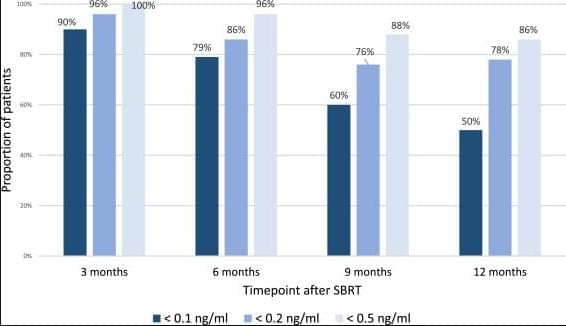
PSA and PSMA kinetics after PSMA-guided prostate SBRT with focal boost. Can the marker and uptake kinetics inform us of the good, the bad and the ugly? Read about it in the RedJournal @vedangmurthy @drmaneesh_singh @docpriyamvada @RadOncTMC
To evaluate PSA and PSMA kinetics following PSMA-PET and MR guided stereotactic body radiotherapy (SBRT) and short-term androgen deprivation therapy (ADT) with dominant intraprostatic lesion (DIL) boost in localised prostate cancer.
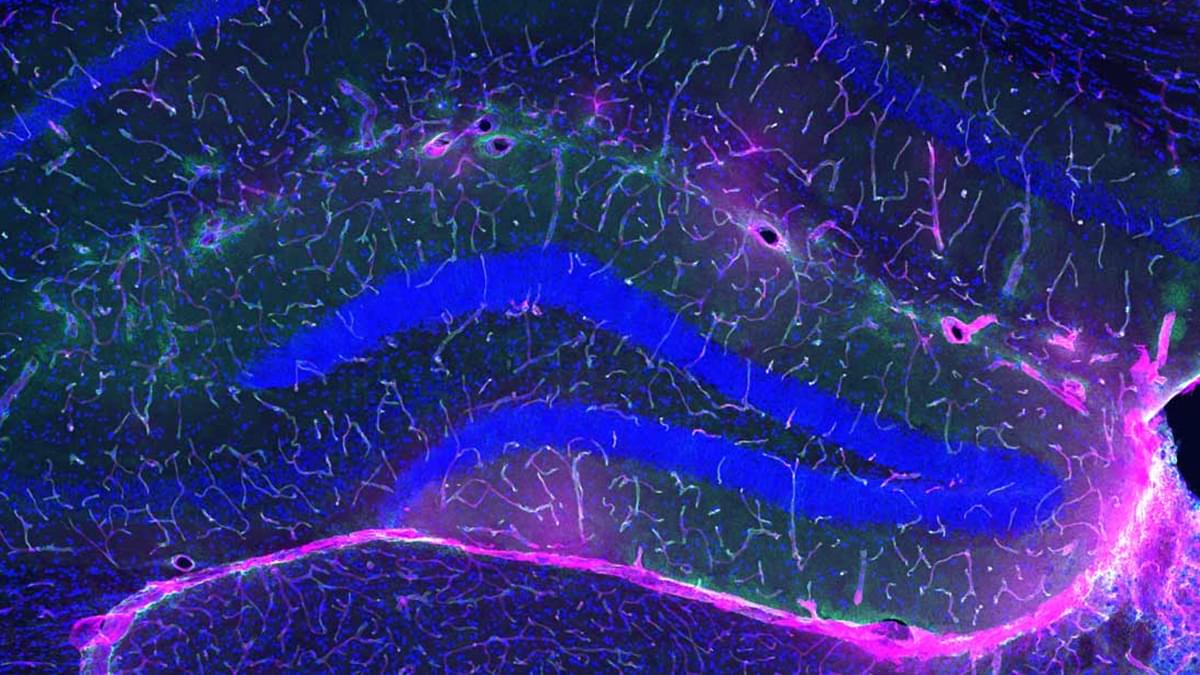
Among its numerous health benefits, physical activity reduces the risk of developing Alzheimer’s disease. A new study on mice now dives into the specific mechanisms and proteins that allow exercise to protect our brains.
Scientists had previously determined that physical activity increases a protein called glycosylphosphatidylinositol-specific phospholipase D1 in the blood of mice, and that this protein is associated with good brain health.
That protein – more succinctly referred to as GPLD1 – strengthens the barrier that guards the brain against all sorts of unwelcome visitors within our blood, protecting against inflammation and subsequent cognitive decline.