Among its numerous health benefits, physical activity reduces the risk of developing Alzheimer’s disease. A new study on mice now dives into the specific mechanisms and proteins that allow exercise to protect our brains.
Scientists had previously determined that physical activity increases a protein called glycosylphosphatidylinositol-specific phospholipase D1 in the blood of mice, and that this protein is associated with good brain health.
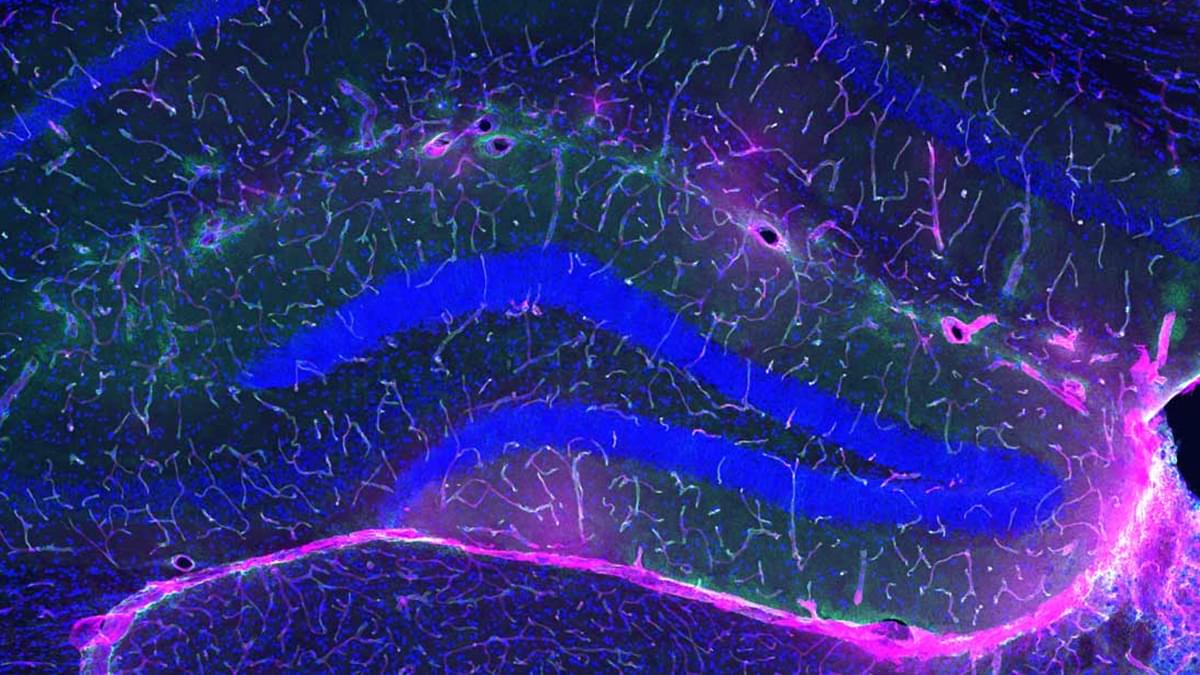
That protein – more succinctly referred to as GPLD1 – strengthens the barrier that guards the brain against all sorts of unwelcome visitors within our blood, protecting against inflammation and subsequent cognitive decline.