
Hackers infected 953 online stores with JavaScript loaders hidden in Magento CMS blocks, using bot filtering to evade security scanners.
Get the latest international news and world events from around the world.

UCreator Android Spyware Can Steal Telegram 2FA Passwords and Clone WeChat Accounts
A rentable Android spyware kit called uCreator takes over Telegram and WeChat accounts by hiding its code inside working copies of the two apps, researcher Ovi found. It only reaches people who install one of these tampered copies, spread outside the official app stores, or who run WeChat inside the kit makers’ own container app.
The kit’s Telegram part matches Baohuo, a backdoor that Doctor Web reported in October 2025. Doctor Web found Baohuo in tampered copies of Telegram X, an Android app from Telegram. At the time, the company estimated that more than 58,000 devices were infected.
The Hacker News compared the two reports. Doctor Web’s technical description of Baohuo lists the same code namespace, com.ucreator.tgjar, the same command-and-control (C2) server, and matching command names as Ovi’s analysis.

‘Gheist’ Weaponizes GitHub Tokens to Steal Cloud Secrets
An ongoing attack is abusing compromised GitHub tokens to harvest cloud secrets and credentials from thousands of developer repositories, bringing into focus how compromised developer accounts can provide a gateway into enterprise cloud environments.
Dubbed “Gheist,” the campaign has left more than 13,500 malicious branches — or versions of a project’s code — across more than 850 compromised GitHub accounts, according to a report published over the weekend by Wiz Research.
The campaign affects everything from personal projects to private enterprise repositories, although public repositories are protected by safeguards GitHub introduced in July, according to the report.
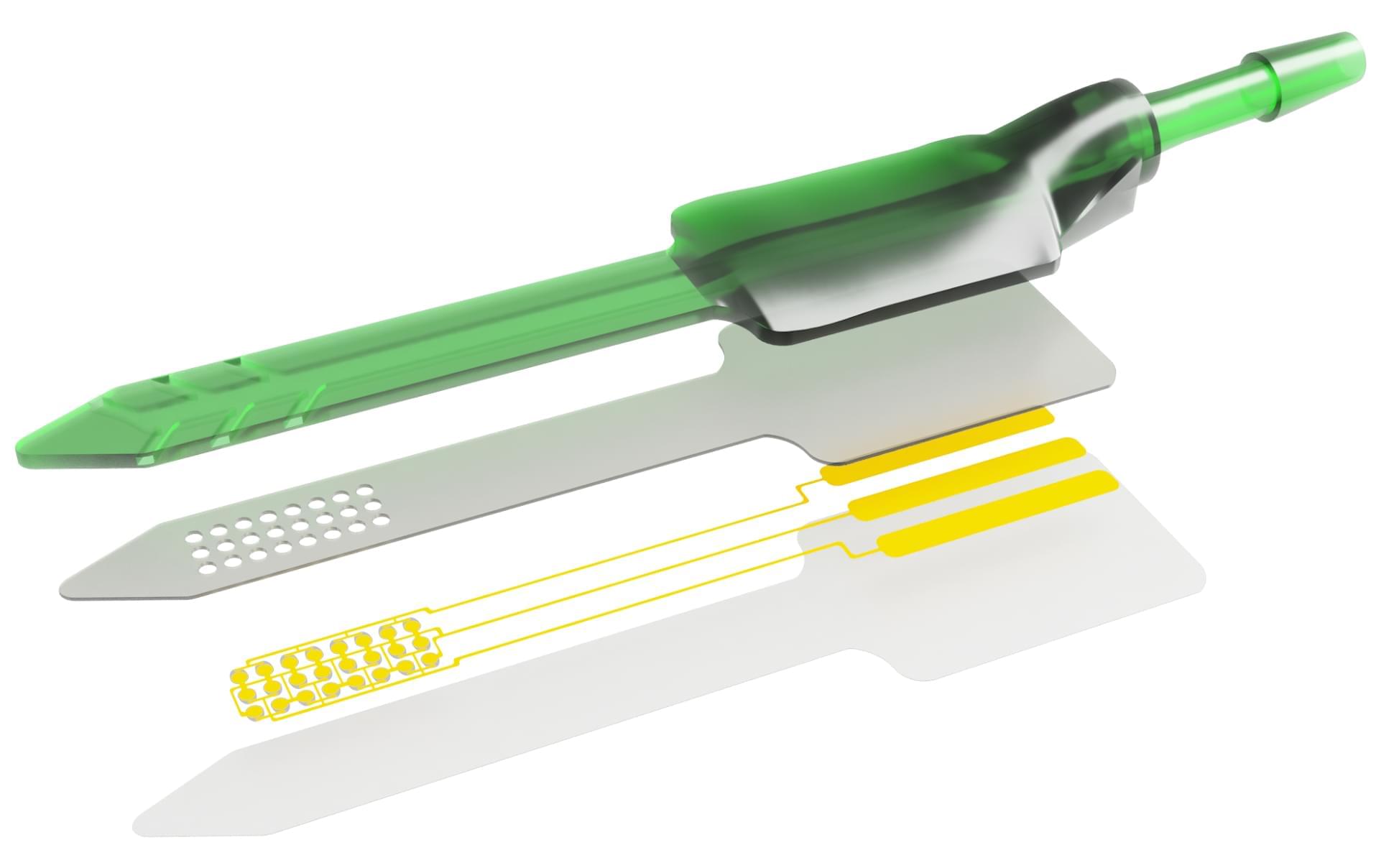
Implantable device uses ultrasound to improve drug delivery to the brain
Patients with glioblastoma, an aggressive type of brain tumor, usually undergo surgery to remove the tumor. However, it’s difficult for surgeons to remove all of the cancer cells, and the tumor often recurs.
MIT researchers have now designed an implantable drug-delivery device that they hope could help prevent recurrence of glioblastoma. Their device contains a reservoir that can release drugs over an extended period, along with ultrasound transducers that use sound waves to help drugs spread farther through the brain and bypass the blood-brain barrier.
Such a device could be implanted in the brain during surgery, then gradually release drugs that would help kill the remaining tumor cells. After implantation, a wireless controller can be used to program the exact ultrasound dosages to be delivered, enhancing the reach of the delivered therapy.
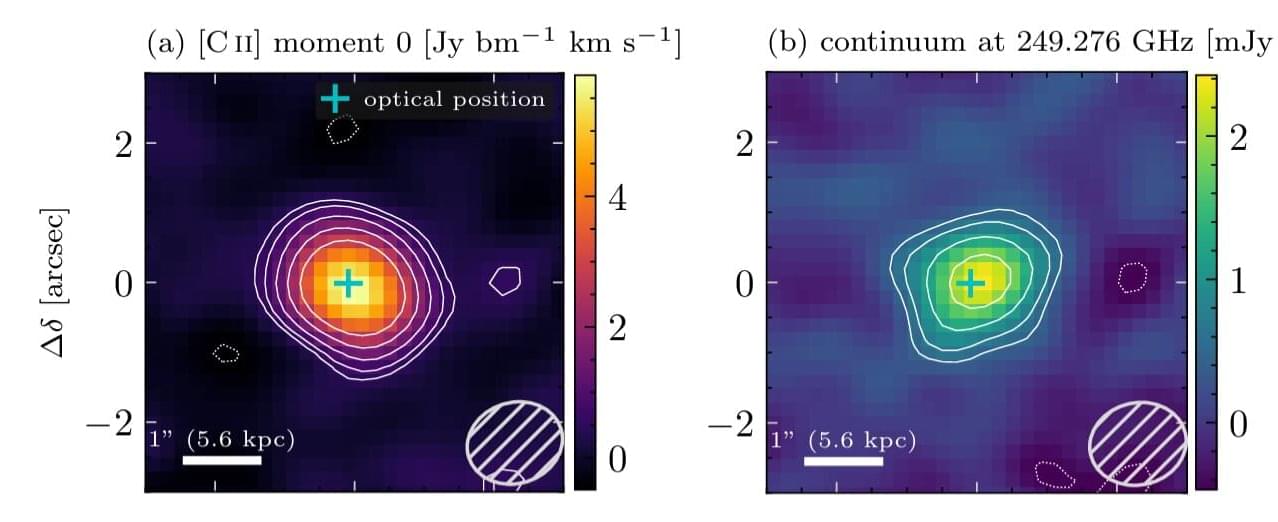
JWST and ALMA reveal a dusty, rapidly growing black hole in the early universe
A new study reveals a dust-reddened quasar from a time when the universe was less than a billion years old. Located at a redshift of 6.5488, the object J1440+0019 contains a rapidly accreting supermassive black hole with a mass of about 1.1 billion suns. The paper was posted to the arXiv preprint server on Oct. 9.
Cosmic reionization is estimated to have happened roughly between 600 million and a billion years (redshifts 6 to 8) after the Big Bang. This epoch is when ionizing UV radiation from early stars and galaxies converted the universe’s neutral hydrogen gas into the ionized state seen today. Studying quasars and galaxies from this era can put a limit on the redshift at which it occurred.
Most quasars from this period are identified by their bright rest-frame ultraviolet light. This method may fail for quasars with even modest dust reddening—their UV emission may be heavily blocked by the surrounding dust envelope. Previous studies suggest that a large fraction of early active galactic nuclei (AGN) are obscured. Only a handful of reddened quasars are known at redshifts around and beyond 6, and they were found by different methods.
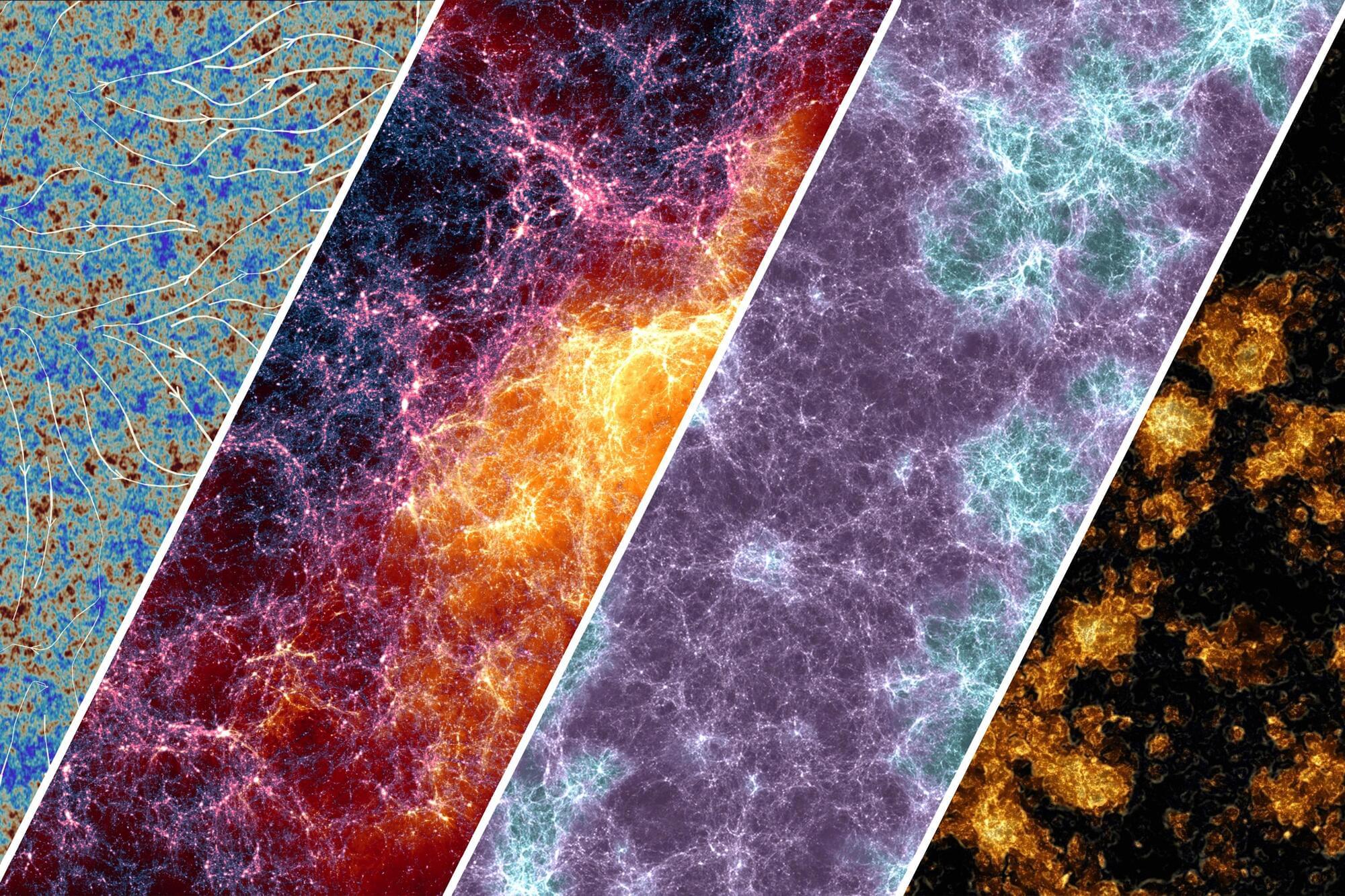
Watch the universe emerge from the dark ages, with Lumina
The computer simulation Lumina is giving scientists a detailed view of how the universe’s earliest galaxies, stars, and other structures could have developed during the first 2 billion years after the Big Bang.
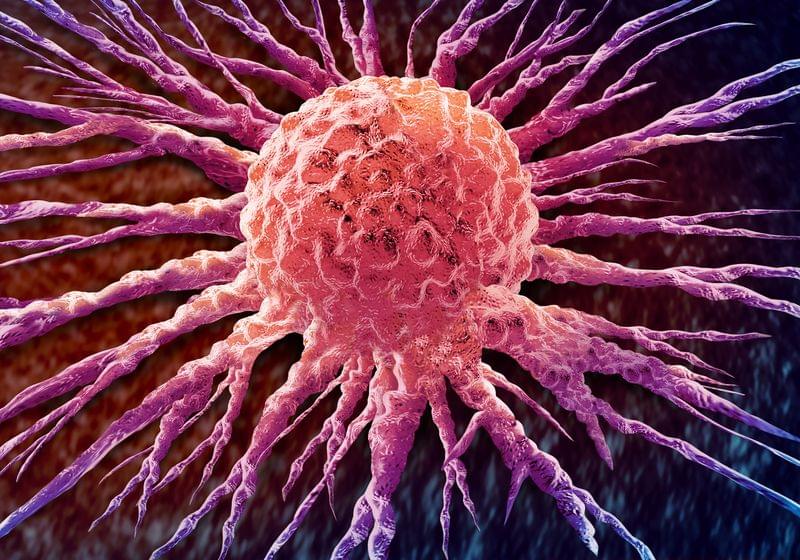
Cancer Drugs’ Serious Side Effects Explained by Missed Discovery
Drugs targeting the protein Wee1 looked promising, but an incomplete understanding of their mechanism likely led to the serious side effects seen in clinical trials.
Immorta Bio’s nine-amino-acid peptide aims at zombie cells
Immorta Bio says its AI-designed SenoMune-0257 prompts T cells to clear senescent cells, and plans first human evaluation before year-end.
CSF DNA testing when brain tumor diagnosis is uncertain
A Mayo Clinic study examines whether DNA in cerebrospinal fluid can provide clues when MRI is unclear or brain tumor biopsy is difficult or unsafe.
Rejuvenation breakthrough: Scientists reverse 60 years of aging in human cells
“We also know that this epigenetic rejuvenation ensures that the cells actually behave like young cells,” says the scientist.
A Slower Rejuvenation Process Reveals New Clues
Scientists have previously observed that reprogramming cells can reset their biological age. However, earlier demonstrations of this effect involved a more complicated process requiring two distinct stages.