Saturn’s aurora acts as a localized energy source that drives winds and currents in a stable feedback system, producing the illusion of changing rotation.



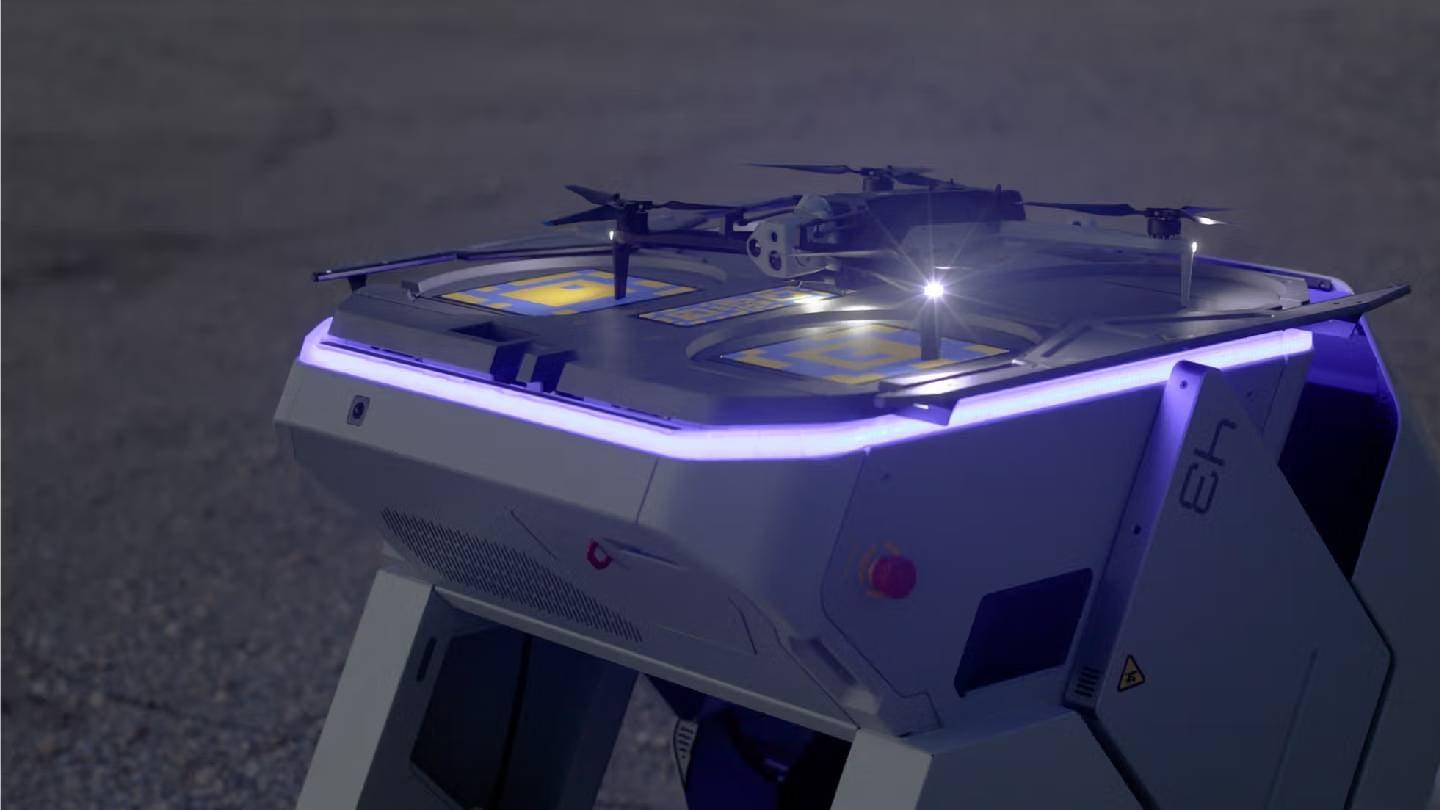
The US Air Forces Central (USAFCENT), a component of US Central Command (CENTCOM), has placed an order worth over $9m with US-based drone manufacturer Skydio for the supply of Skydio Dock and X10 systems.
The drones and infrastructure will be used to secure US airbases in the Middle East as part of one of the largest deployments of autonomous drone security systems by the US Air Force (USAF) for international base protection.




The attack surface targeted by Iranian-linked hackers in cyberattacks against U.S. critical infrastructure networks includes thousands of Internet-exposed programmable logic controllers (PLCs) manufactured by Rockwell Automation.
According to a joint advisory issued by multiple U.S. federal agencies on Tuesday, Iranian state-backed hacking groups have been targeting Rockwell Automation/Allen-Bradley PLC devices since March 2026, causing operational disruptions and financial losses.
“Iranian-affiliated APT targeting campaigns against U.S. organizations have recently escalated, likely in response to hostilities between Iran, and the United States and Israel,” the authoring agencies warned.

Hackers gained access to an API for the CPUID project and changed the download links on the official website to serve malicious executables for the popular CPU-Z and HWMonitor tools.
The two utilities have millions of users who rely on them for tracking the physical health of internal computer hardware and for comprehensive specifications of a system.
Users who downloaded either tool reported on Reddit recently that the official download portal points to the Cloudflare R2 storage service and fetches a trojanized version of HWiNFO, another diagnostic and monitoring tool from a different developer.

A financially motivated threat actor tracked as Storm-2755 is stealing Canadian employees’ salary payments after hijacking their accounts in payroll pirate attacks.
The attackers used malicious Microsoft 365 sign-in pages to steal victims’ authentication tokens and session cookies by redirecting them to domains (e.g., bluegraintours[.]com) hosting malicious web pages (pushed to the top of search engine results through malvertising or SEO poisoning) that masqueraded as Microsoft 365 sign-in forms.
This allowed Storm-2755 to bypass multifactor authentication (MFA) in adversary‑in‑the‑middle (AiTM) attacks by replaying stolen session tokens rather than re-authenticating.