Toggle light / dark theme

Get the latest international news and world events from around the world.

Log in for authorized contributors

Dark energy survey scientists release analysis of all six years of survey data

The Dark Energy Survey Collaboration collected information on hundreds of millions of galaxies across the universe using the U.S. Department of Energy-fabricated Dark Energy Camera, mounted on the U.S. National Science Foundation Víctor M. Blanco 4-meter Telescope at CTIO, a program of NSF NOIRLab. Their completed analysis combines all six years of data for the first time and yields constraints on the universe’s expansion history that are twice as tight as past analyses.

The Dark Energy Survey (DES) is an international, collaborative effort to map hundreds of millions of galaxies, detect thousands of supernovae, and find patterns of cosmic structure that will help reveal the nature of the mysterious dark energy that is accelerating the expansion of our universe.

From 2013 to 2019, the DES Collaboration carried out a deep, wide-area survey of the sky using the 570-megapixel DOE-fabricated Dark Energy Camera (DECam), mounted on the NSF Víctor M. Blanco 4-meter Telescope at NSF Cerro Tololo Inter-American Observatory (CTIO) in Chile. For 758 nights over six years, the DES Collaboration recorded information from 669 million galaxies that are billions of light-years from Earth, covering an eighth of the sky.

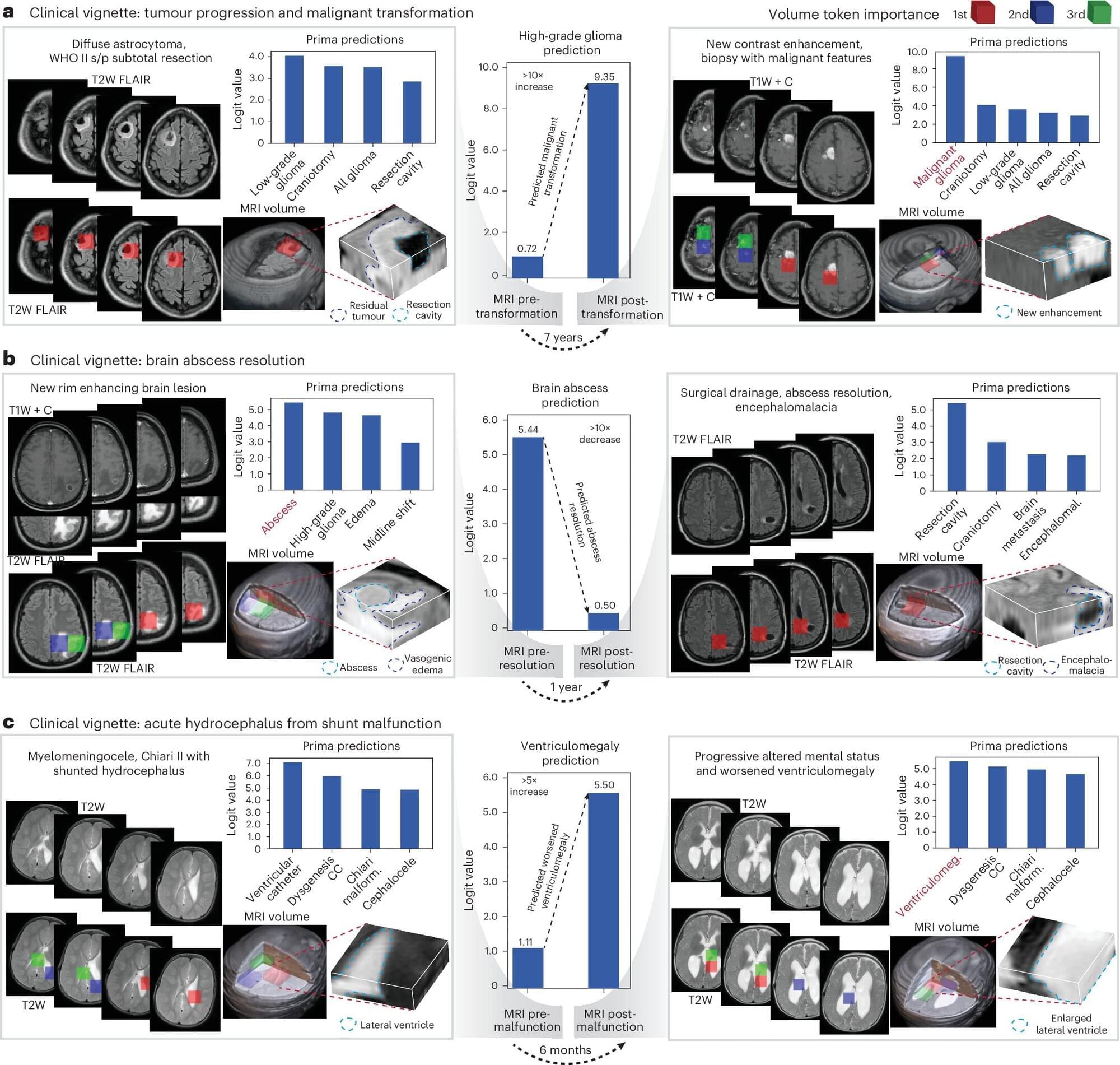
Clinically Suspected Neurodegeneration in Histiocytic Neoplasms as Causes of Neurologic DeclineA Retrospective Study

Clinically suspected neurodegeneration in histiocytic neoplasms as causes of neurologic decline: a retrospective study.


ObjectivesThe aim of this study was to evaluate the causes of suspected neurodegeneration in adults with histiocytic neoplasms. MethodsPatients with histiocytic neoplasms were identified. Inclusion criteria were diagnosis of histiocytic neoplasm; the treating hematologist suspected neurodegeneration; and patients age 18 years or older. Active CNS histiocytic neoplasm was defined as new or enlarging T2 lesions, or gadolinium enhancing lesions on MRI.

Red light therapy shows promise for protecting football players’ brains

Punch-drunk syndrome, boxer’s madness, chronic traumatic encephalopathy (CTE). The name has changed over the years, but the cause is clear: repeated impacts can affect long-term brain health, with symptoms ranging from confusion to memory loss and potentially dementia. More than 100 former NFL football players have been posthumously diagnosed with CTE.

What’s less clear is how to fix the problem. Even impacts that don’t directly affect the head may cause microscopic damage or initiate toxic processes that unfold over time, and current therapies for concussion and head impacts tend to address symptoms, like headache and balance issues, that can arise well after the initial injury.

But an unorthodox treatment called red light therapy, which shines powerful near-infrared light at the brain through the skull, may be able to prevent or reduce subtle damage to the brain before symptoms start, by reducing brain inflammation caused by repetitive impacts.

Afg3l2 couples mitochondrial vitamin B12 trafficking to amino acid metabolism to safeguard hematopoietic stem cell homeostasis

To identify the critical mitochondrial protease regulating HSPC homeostasis, we performed real-time PCR to examine the expression levels of various mitochondrial proteases in EPCR+SLAM-HSCs from mouse bone marrow (BM). Among them, the m-AAA protease Afg3l2 was the most highly expressed (Figure S1 A),18 suggesting its potential significance in HSC regulation. Furthermore, we conducted a comprehensive analysis of Afg3l2 expression across the hematopoietic hierarchy by examining EPCR+ SLAM-HSCs, SLAM-LT-HSCs, SLAM-ST-HSCs, SLAM-MPPs (multipotent progenitors), LSK (Lin-Sca-1+c-Kit+) cells, Lin cells, and mature blood cells (B cells, T cells, and myeloid cells). Our results demonstrate that Afg3l2 expression is highest in the most primitive EPCR+SLAM-HSC population and gradually decreases with differentiation, supporting its crucial role in hematopoietic stem cells (HSCs) (Figure S1 B). Afg3l2 dysfunction has been linked to neurodegenerative disorders such as spinocerebellar ataxia19,20,21; however, its role in hematopoietic cells and its broader metabolic implications remain unexplored. To systemically investigate the function of Afg3l2 in HSPCs, we generated a conditional knockout (KO) allele of the Afg3l2 gene (Afg3l2f/+), in which exons 4 and 5 were flanked by loxP sites (Figure S1 C). Afg3l2f/+ mice were then crossed with Mx1-Cre transgenic mice to obtain Afg3l2f/f;Mx1-Cre+ animals. Deletion of Afg3l2 in hematopoietic cells was induced by administering polyinosinic-polycytidylic acid (pIpC) to 6-to 8-week-old mice, and KO efficiency was confirmed by real-time PCR and western blot analysis (Figures S1 D–S1G). On day 14 after the final pIpC administration, complete blood count analysis revealed a significant reduction in white blood cell, lymphoid cell, and platelet counts in Afg3l2f/f mice (wild-type [WT]) compared to Afg3l2f/f;Mx1-Cre+ mice (KO) (Figures S1 H–S1J). Interestingly, red blood cell counts and hemoglobin levels remained comparable between WT and KO groups (Figures S1 K and S1L). Flow cytometry analysis of BM revealed a significant reduction in multiple hematopoietic populations in Afg3l2-KO mice, including LT-HSCs, ST-HSCs, MPPs, common myeloid progenitors, granulocytic/monocytic progenitors, and megakaryocyte/erythroid progenitors (Figures S1 M–S1P). Notably, the EPCR+SLAM-HSC population, a highly purified HSC subset, was also remarkably diminished (Figure S1 Q).

Consistently, functional colony-forming unit (CFU) assays showed that CFU-granulocyte, erythrocyte, macrophage, megakaryocyte (CFU-GEMM); CFU-granulocyte and macrophage (CFU-GM); and burst-forming unit-erythroid (BFU-E) were markedly decreased in Afg3l2-KO BM cells (Figures S1 R and S1S). These findings indicate that Afg3l2 deficiency causes leukopenia and impairs steady-state hematopoiesis.

To assess the in vivo function of Afg3l2 in HSPCs, we performed competitive BM transplantation. Lethally irradiated recipient mice (CD45.1) were transplanted with a 1:1 mixture of total BM cells from WT or Afg3l2-KO donor mice (CD45.2) and competitor BM cells (CD45.1/CD45.2) (Figure 1A). CD45 chimerism in peripheral blood (PB) was monitored every four weeks, and BM composition was analyzed 16 weeks post-transplantation. The percentage of donor-derived CD45.2+ cells in PB was significantly lower in recipients receiving Afg3l2-KO BM compared to those transplanted with WT BM (Figures 1B and 1C). The percentage of donor BM cells-derived CD45.2+ cells, HPCs, LinSca-1+c-Kit+ (LSK) cells, HSCs, myeloid cells, B cells, and T cells was dramatically decreased in the BM of the Afg3l2-KO cell transplanted group 16 weeks after transplantation (Figures 1D and 1E).

Disease tolerance and infection pathogenesis age-related tradeoffs in mice

Disease course and pathology an infection may cause can change owing to the structural and functional physiological changes that accumulate with age, but therapy can be tailored accordingly; disease tolerance genes show antagonistic pleiotropy.

Anthem subreddit gets a new lease on life as modder shows the game running without EA’s servers: ‘We didn’t realize how much demand there’d still be for this forum to keep discussions going’

Footage showing two players in a locally-hosted game is “really hacky,” but it works.

Engineers invent wireless transceiver that rivals fiber-optic speed

A new transceiver invented by electrical engineers at the University of California, Irvine boosts radio frequencies into 140-gigahertz territory, unlocking data speeds that rival those of physical fiber-optic cables and laying the groundwork for a transition to 6G and FutureG data transmission protocols.

To create the transceiver, researchers in UC Irvine’s Samueli School of Engineering devised a unique architecture that blends digital and analog processing. The result is a silicon chip system, comprising both a transmitter and a receiver, that’s capable of processing digital signals significantly faster and with much greater energy efficiency than previously available technologies.

The team from UC Irvine’s Nanoscale Communication Integrated Circuits Labs outline its work in two papers published this month in the IEEE Journal of Solid-State Circuits. In one, the engineers discuss the technology they call a “bits-to-antenna” transmitter, and in the second, they cover their “antenna-to-bits” receiver.

AI models mirror human ‘us vs. them’ social biases, study shows

Large language models (LLMs), the computational models underpinning the functioning of ChatGPT, Gemini and other widely used artificial intelligence (AI) platforms, can rapidly source information and generate texts tailored for specific purposes. As these models are trained on large amounts of texts written by humans, they could exhibit some human-like biases, which are inclinations to prefer specific stimuli, ideas or groups that deviate from objectivity.

One of these biases, known as the “us vs. them” bias, is the tendency of people to prefer groups they belong to, viewing other groups less favorably. This effect is well-documented in humans, but it has so far remained largely unexplored in LLMs.

Researchers at University of Vermont’s Computational Story Lab and Computational Ethics Lab recently carried out a study investigating the possibility that LLMs “absorb” the “us vs. them” bias from the texts that they are trained on, exhibiting a similar tendency to prefer some groups over others. Their paper, posted to the arXiv preprint server, suggests that many widely used models tend to express a preference for groups that are referred to favorably in training texts, including GPT-4.1, DeepSeek-3.1, Gemma-2.0, Grok-3.0 and LLaMA-3.1.

A new atlas could help guide researchers studying neurological disease

Functioning brain cells need a functioning system for picking up the trash and sorting the recycling. But when the cellular sanitation machines responsible for those tasks, called lysosomes, break down or get overwhelmed, it can increase the risk of Alzheimer’s, Parkinson’s, and other neurological disorders.

“Lysosomal function is essential for brain health, and mutations in lysosomal genes are risk factors for neurodegenerative diseases,” said Monther Abu-Remaileh, a Wu Tsai Neuro affiliate and an assistant professor of chemical engineering in the Stanford School of Engineering and an assistant professor of genetics in the Stanford School of Medicine.

The trouble is, scientists aren’t sure exactly how lysosomes do their work, what’s going wrong with lysosomes that leads to neurodegeneration—or even in which cell types neurodegenerative disease begins. There might even be other lysosomal disorders yet to be discovered.

/* */