By altering levels of molecules called transcription factors in mice, researchers were able to reverse some of the effects of aging.
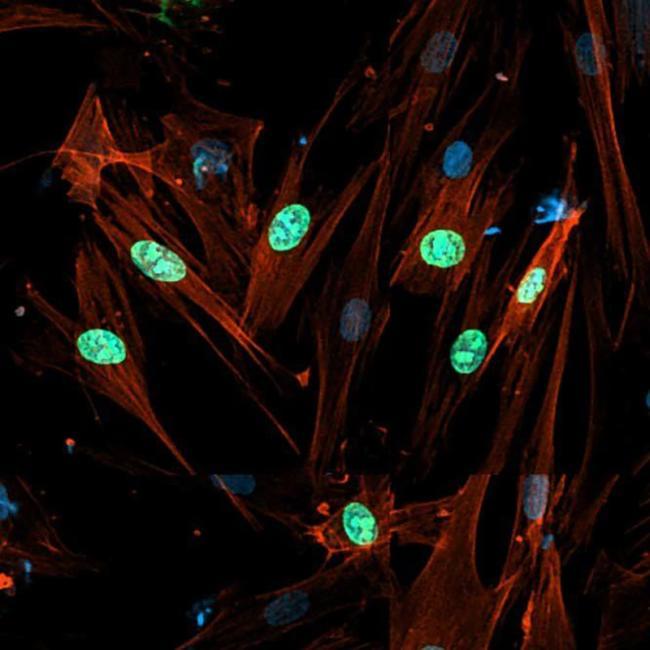
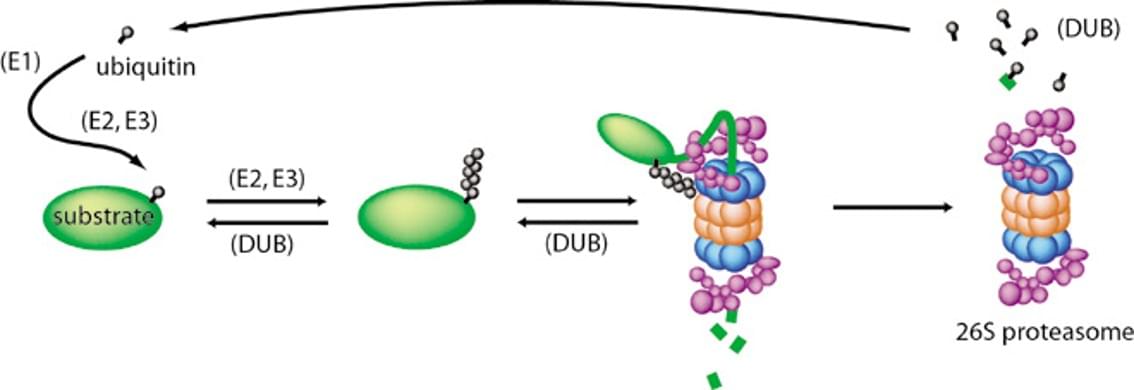
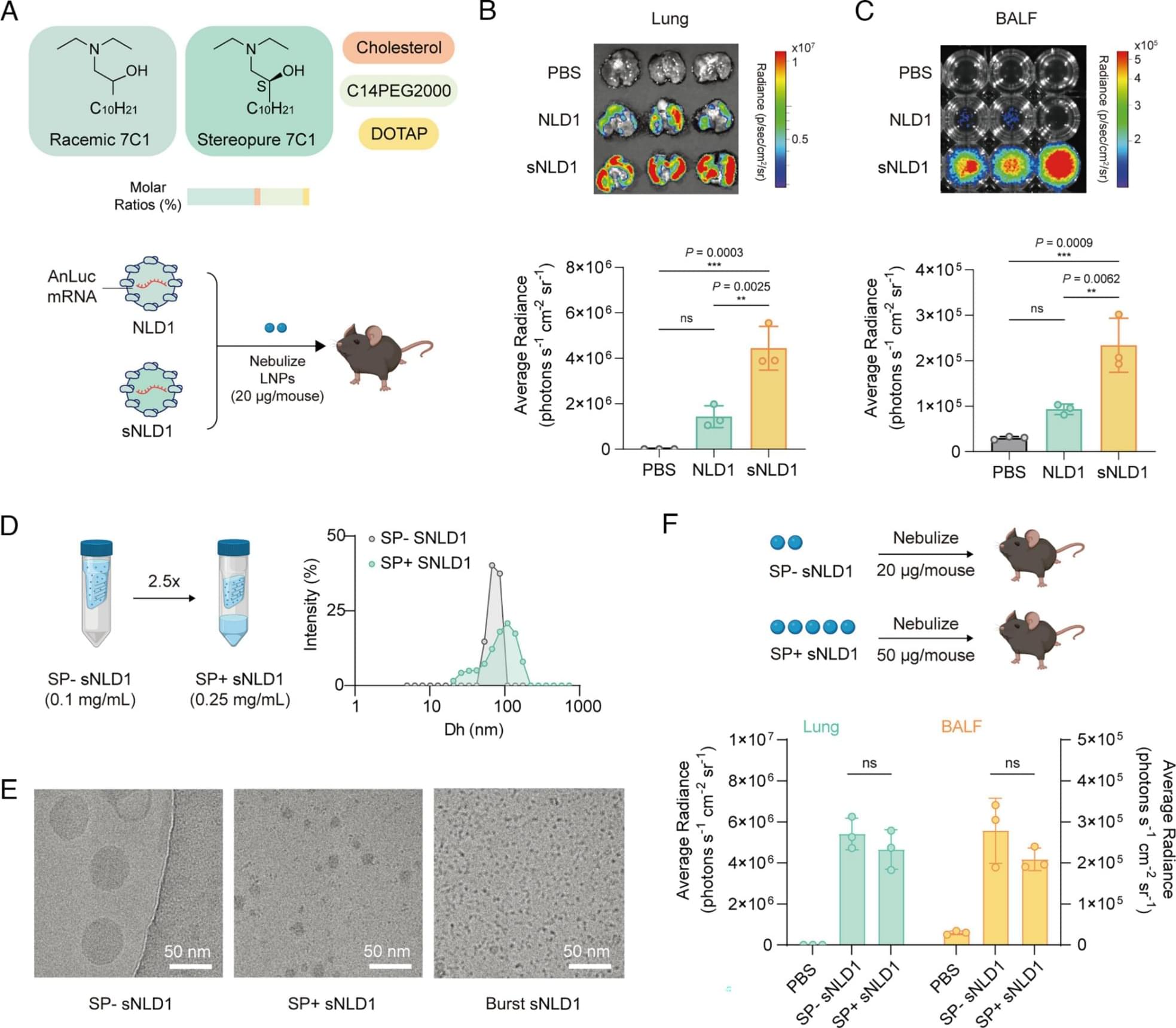
One of the most-viewed PNAS articles in the last week is “Lipid nanoparticle GM-CSF replacement for autoimmune pulmonary alveolar proteinosis.” Explore the article here: https://ow.ly/QMWH50Yl87H
For more trending articles, visit https://ow.ly/pmKX50Yl87I.
Granulocyte–macrophage colony-stimulating factor (GM-CSF) deficiency drives autoimmune pulmonary alveolar proteinosis (aPAP), a disease characterized by impaired macrophage-mediated clearance of pulmonary surfactants. Clinical data suggest that inhaled recombinant GM-CSF reduces symptoms in aPAP patients, providing a rationale for mRNA-based GM-CSF replacement therapies. However, these require effective mRNA delivery after nebulization. Here, we report the iterative in vivo design of a lipid nanoparticle, named nebulized lung delivery 2 (NLD2), that efficiently delivers mRNA after nebulization. NLD2 carrying GM-CSF mRNA transfected alveolar macrophages in vivo, leading to interleukin-10 pathway activation and subsequent surfactant lipoprotein clearance. In a preclinical disease model of aPAP, GM-CSF mRNA delivery reduced surfactant protein thickness more than recombinant GM-CSF. These data support continued exploration of nebulized lipid nanoparticle therapies for aPAP.
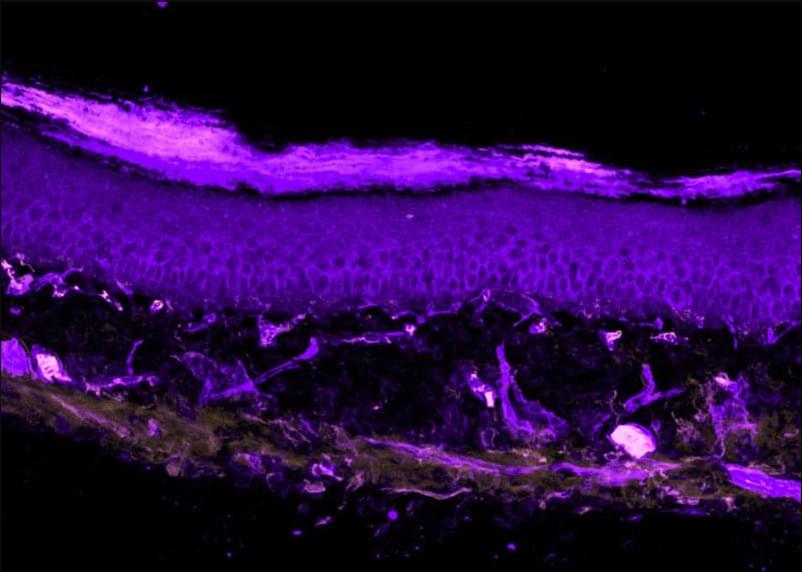
A new Science Immunology study suggests that IL-10-producing monocytes help resolve pain faster in male mice and humans when compared with females, which could inform therapeutics for sex-specific pain conditions.
Peripheral monocytes and IL-10 are associated with shorter pain duration in males in both mice and humans.
Cervical spondylotic myelopathy (CSM) refers to spinal cord compression from arthritis in the neck and is the leading cause of spinal cord dysfunction in older adults. CSM is a chronic, progressive condition that can cause neck pain, muscle weakness, difficulty walking and other debilitating symptoms. While the diagnosis is sometimes clear, often the diagnosis can take years because symptoms aren’t recognized until the later stages, and by then, treatment options are limited.
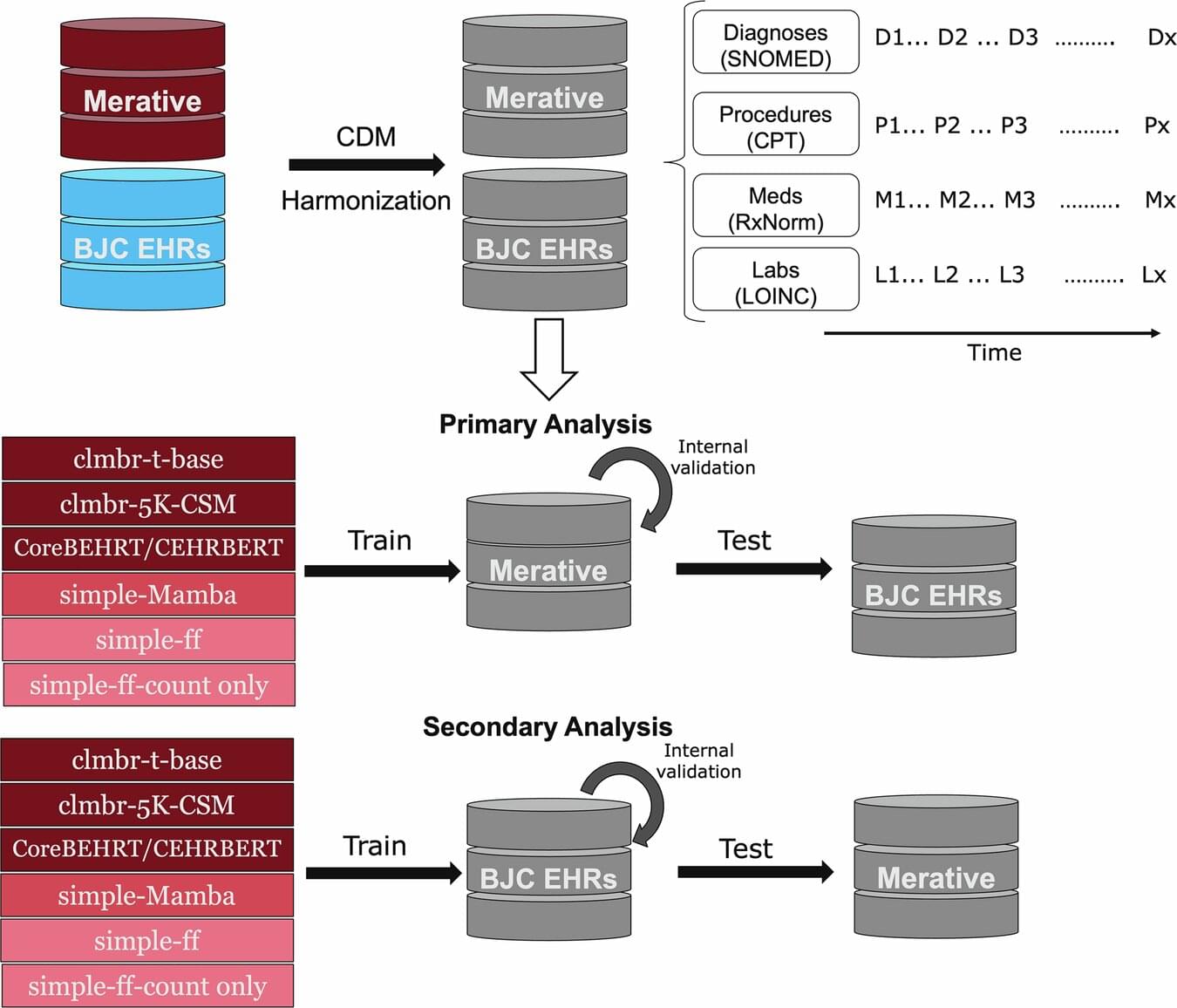
A multidisciplinary team of surgeon-scientists, computer scientists and researchers at WashU developed an artificial intelligence (AI)-based approach that could help clinicians screen for and diagnose CSM up to 30 months earlier, opening new opportunities for earlier treatment. The findings are published in npj Digital Medicine.
Salim Yakdan, MD, a postdoctoral research fellow in the Taylor Family Department of Neurosurgery at WashU Medicine, and Ben Warner, a doctoral student in computer science and engineering at the McKelvey School of Engineering, co-first authors on the research, used seven different AI models to analyze large datasets containing electronic health record data of more than 2 million people with and without CSM. The models examined patterns of health-care interactions, such as tests and diagnoses, recorded in electronic health records to spot patients whose medical histories resemble those already diagnosed with CSM, helping to flag individuals who may be at higher risk.
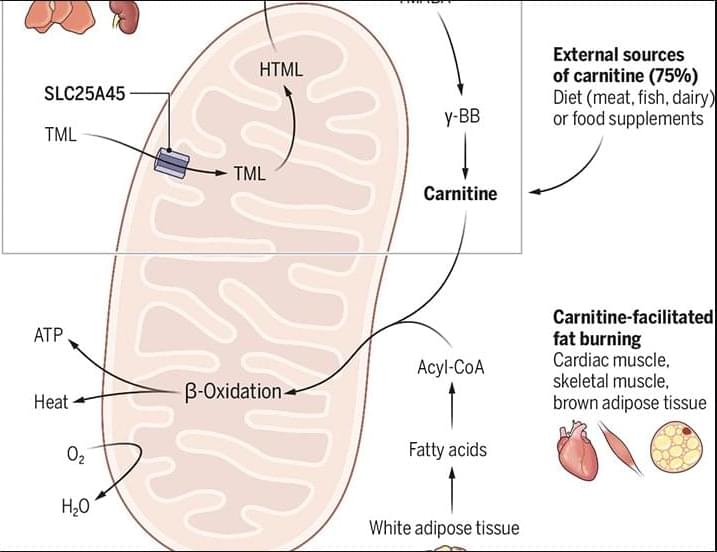
A mitochondrial transport protein promotes carnitine synthesis in mice when fat consumption is needed.
Learn more in a new SciencePerspective.
Angela M. Ramos-Lobo and Pierre Maechler Authors Info & Affiliations
Science.
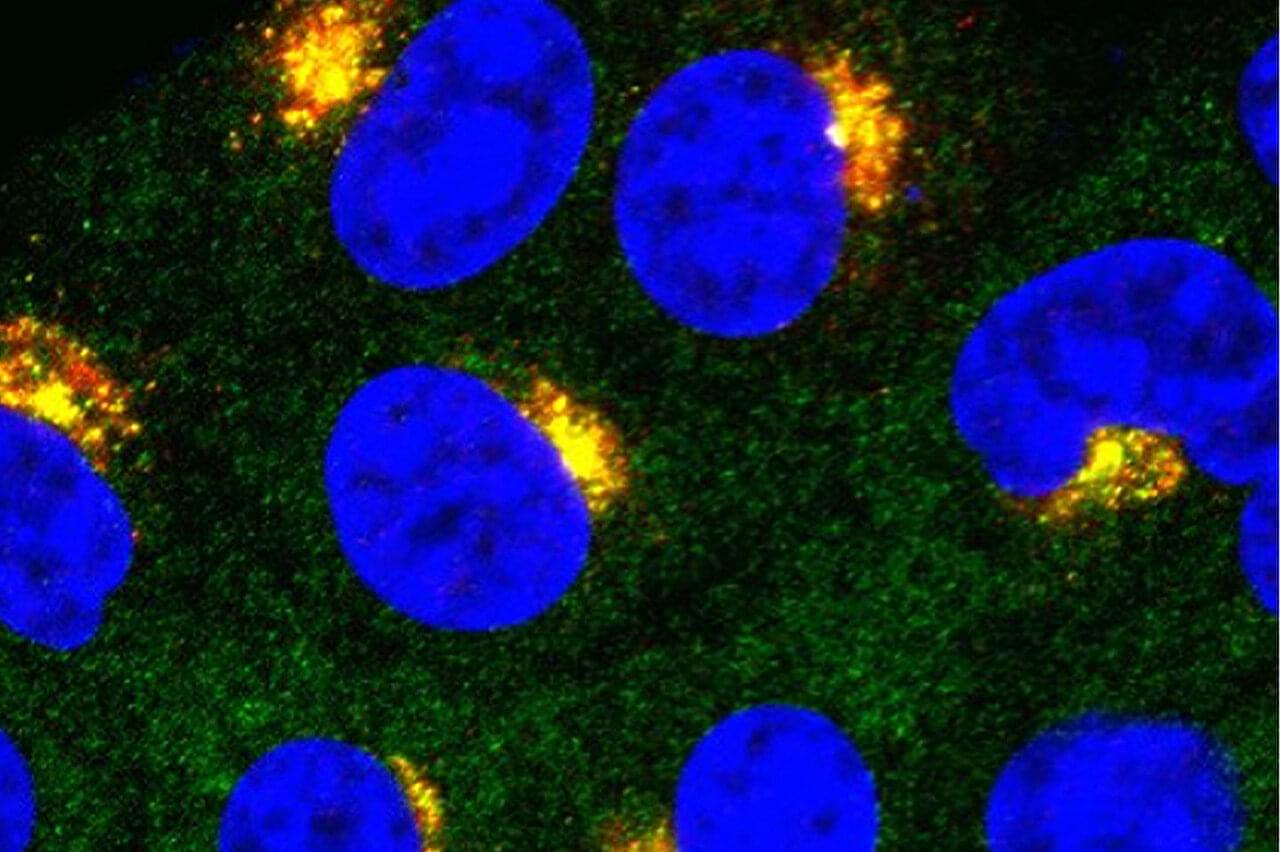
UT Southwestern Medical Center researchers have identified two lipids that work together with a quintessential protein known as stimulator of interferon genes (STING) to launch an immune response in the human body. Their findings, detailed in two papers published concurrently in Nature, could lead to new ways to manipulate the immune system to fight infections, cancer, autoimmune disorders, and neurodegenerative diseases.
“These studies reveal additional levels of regulation of the cGAS-STING pathway, underscoring the importance of controlling the activity of this pathway so the body can mount an effective immune response against infections while avoiding autoimmune reactions to self-tissues. Dysregulation of this pathway has been shown to cause a variety of autoimmune and inflammatory diseases,” said Zhijian “James” Chen, Ph.D., Professor of Molecular Biology and Director of the Center for Inflammation Research at UT Southwestern.
Dr. Chen, one of the world’s leading researchers on innate immunity, is a co-author on one study and senior author on the other. His discovery of cGAS, an enzyme that produces a molecule called cGAMP to activate STING, has been recognized with numerous top honors including the 2026 Japan Prize in Life Sciences, the 2024 Albert Lasker Basic Medical Research Award, and the 2019 Breakthrough Prize in Life Sciences.


The ubiquitous existence of microplastics and nanoplastics raises concerns about their potential impact on the human reproductive system. Limited data exists on microplastics within the human reproductive system and their potential consequences on sperm quality. Our objectives were to quantify and characterize the prevalence and composition of microplastics within both canine and human testes and investigate potential associations with the sperm count, and weights of testis and epididymis. Using advanced sensitive pyrolysis-gas chromatography/mass spectrometry, we quantified 12 types of microplastics within 47 canine and 23 human testes. Data on reproductive organ weights, and sperm count in dogs were collected.