Toggle light / dark theme

Get the latest international news and world events from around the world.

Log in for authorized contributors

From deer to chickadees: How fewer social encounters could raise extinction risk

Imagine an asteroid striking Earth and wiping out most of the human population. Even if some lucky people survived the impact, Homo sapiens might still face extinction, because the social networks humans rely on would collapse.

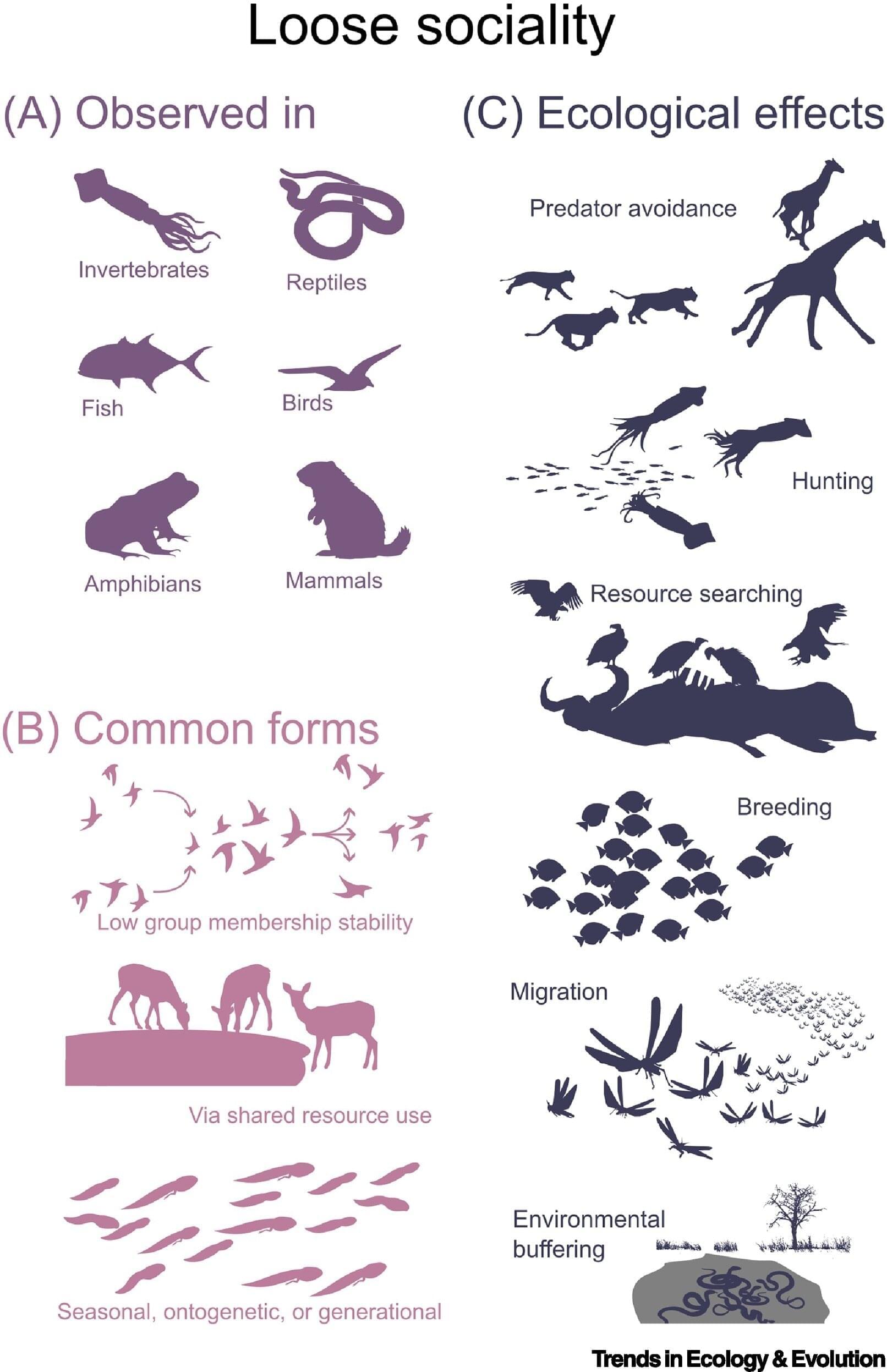
This dynamic also plays out in the wild.

Social interactions are essential for many animals, helping them to locate food, spot predators and raise offspring. Without such connections, individuals can struggle to survive.

Listening to polymers collapse: ‘Water bridges’ pull the strings

It is not easy to follow the interactions of large molecules with water in real time. But this can be easier to hear than to see. This is how an international team deciphered the role of water in the collapse of PNIPAM.

Some polymers react to their environment with conformational changes: one of these is the polymer PNIPAM, short for poly(N-isopropylacrylamide). It is water-soluble below around 32 degrees Celsius, but above this temperature it precipitates and becomes hydrophobic. This qualifies it for smart sensor applications. But what actually happens between PNIPAM and the solvent water?

Researchers at Ruhr University Bochum, Germany, and the University of Illinois Urbana Champaign collaborated with sound production specialists from Symbolic Sound Corporation to investigate this question. Using sound representation, they were able to decipher the interaction of water molecules with PNIPAM for the first time. They reported their findings in the journal Proceedings of the National Academy of Sciences on February 4, 2026.

Faster enzyme screening could cut biocatalysis bottlenecks in drug development

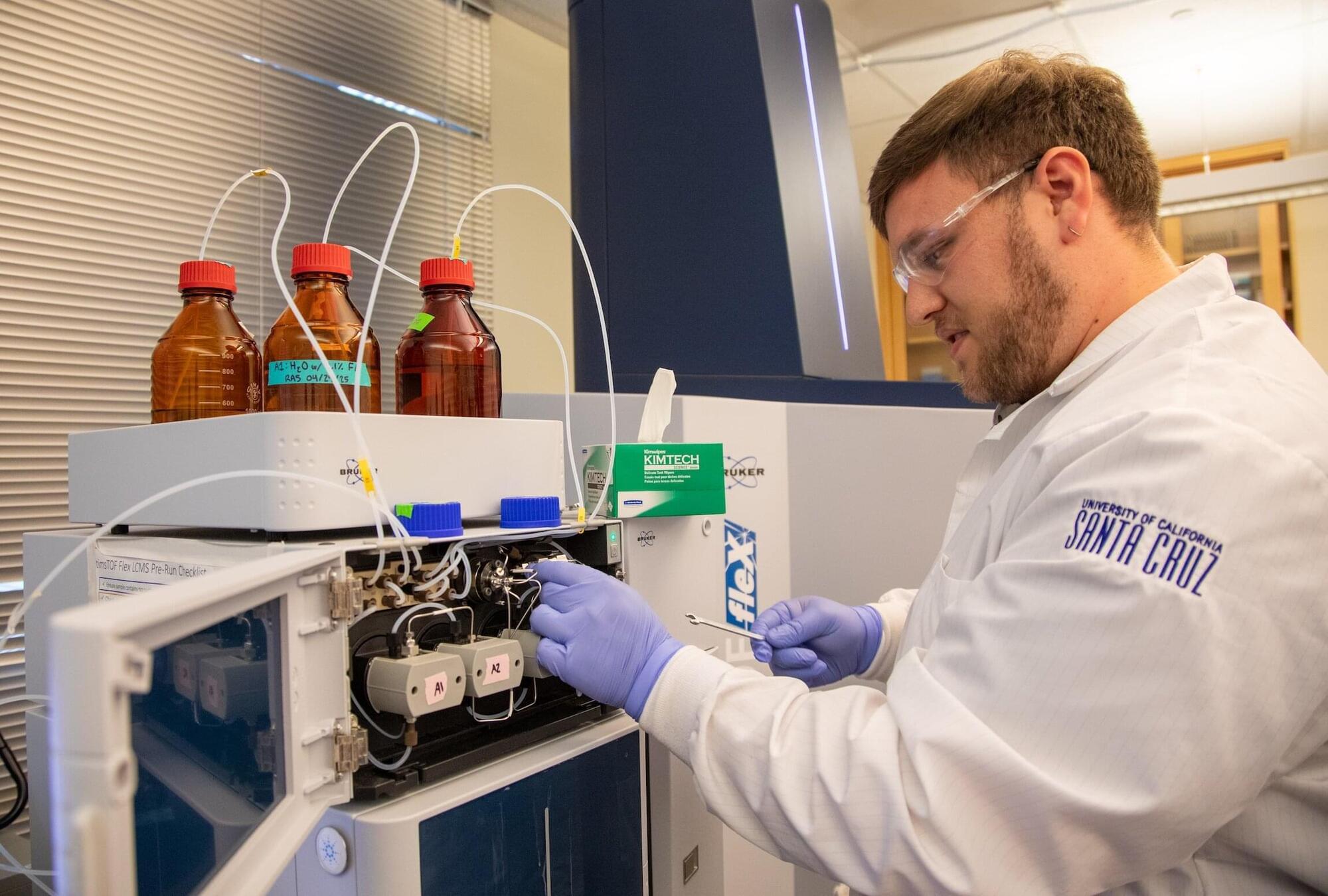
A team of biochemists at the University of California, Santa Cruz, has developed a faster way to identify molecules in the lab that could lead to more effective pharmaceuticals. The discovery advances the rapidly growing field of biocatalysis, which depends on generating large, genetically diverse libraries of enzymes, and then screening those variants to find ones that perform a desired chemical task best.

This strategy has attracted major investment, particularly from drugmakers, because it promises quicker routes to complex, high-value molecules. However, traditional approaches to finding new biologically beneficial molecules often require “lots of shots on goal,” where researchers test enormous numbers of candidates through slow and inefficient workflows.

The method developed by the UC Santa Cruz team aims to significantly shorten that process by introducing smarter and faster decision-making tools that help researchers identify promising enzyme variants much earlier. The researchers detail their new approach in the journal Cell Reports Physical Science.
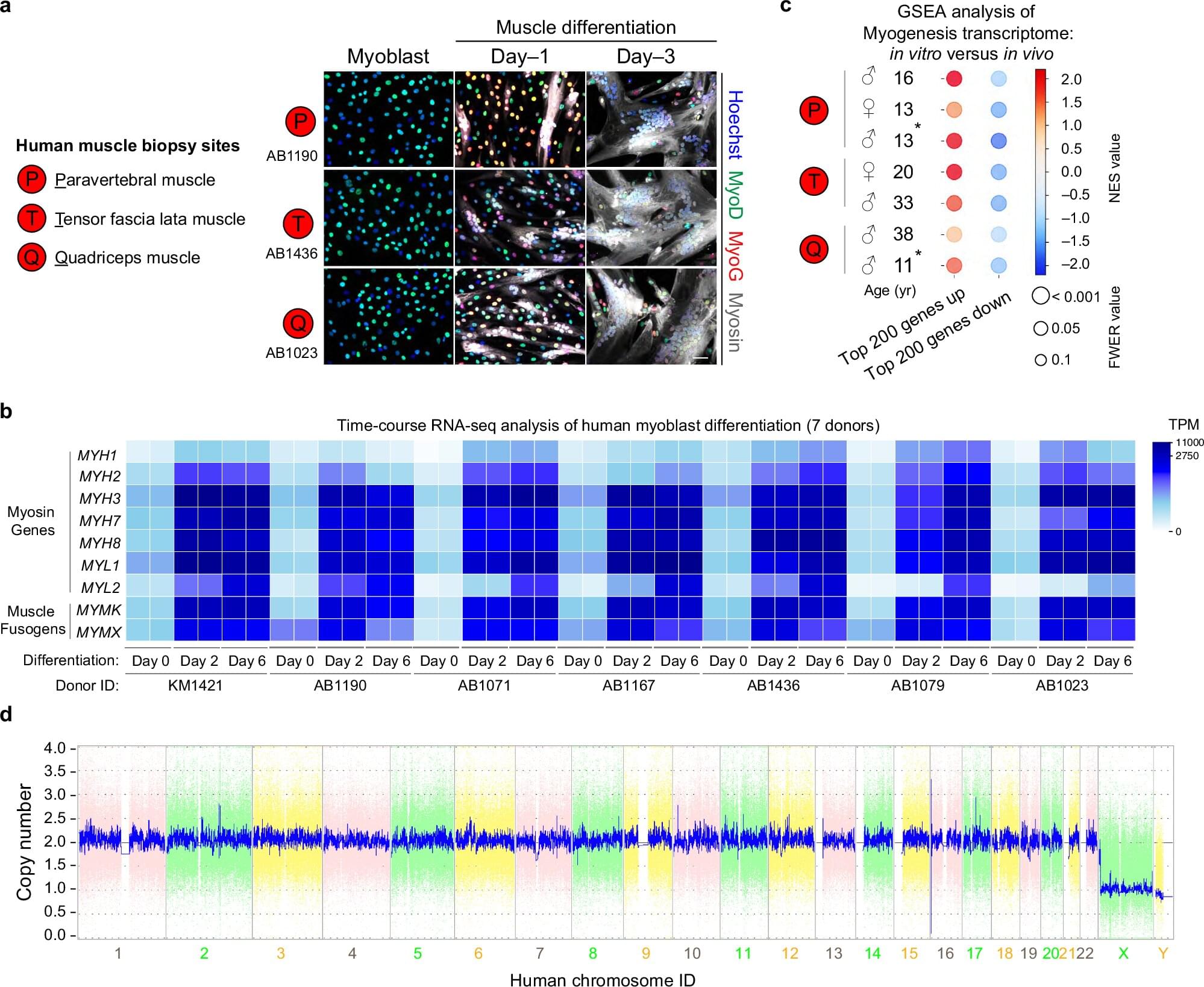
CRISPR screen maps 250 genes essential for human muscle fiber formation

Muscles make up nearly 40% of the human body and power every move we make, from a child’s first steps to recovery after injury. For some, however, muscle development goes awry, leading to weakness, delayed motor milestones or lifelong disabilities. New research from the University of Georgia is shedding light on why.

UGA researchers have created a first-of-its-kind CRISPR screening platform for human muscle cells, identifying hundreds of genes critical to skeletal muscle formation and uncovering the potential cause of a rare genetic disorder. The findings come from two companion papers published in Nature Communications, one describing the large-scale screen and a second digging into a particular gene’s role in muscle development.

Together, the studies provide a comprehensive genetic map of how human muscle fibers are built and lend insights into the effects of genetic mutations on developmental muscle defects. By linking specific genes to the muscle-building process, this genetic roadmap gives clinicians a practical shortlist to more quickly pinpoint the likely genetic causes of a patient’s muscle-development disorder. It also provides researchers with clear targets to prioritize future drug or gene therapy approaches.

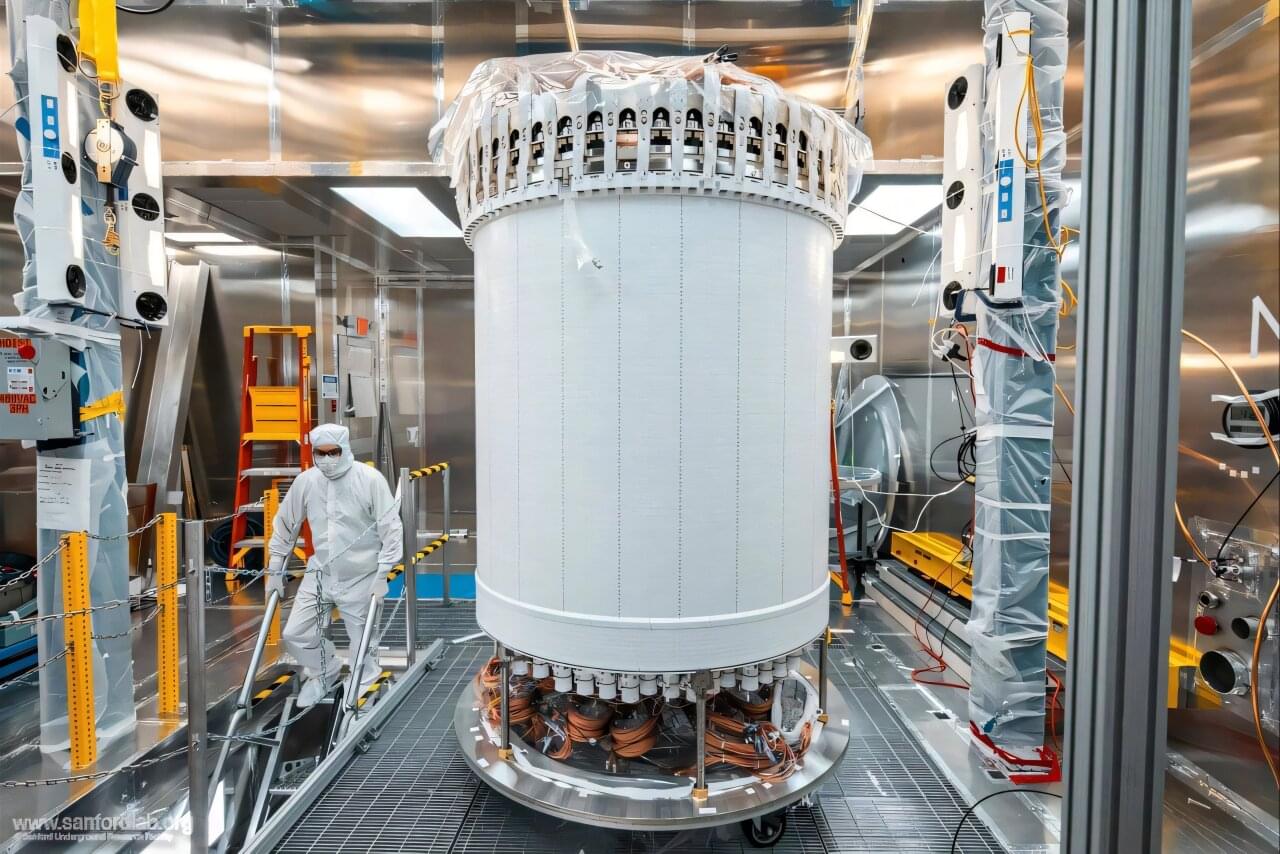
Into the neutrino fog: The ghosts haunting our search for dark matter

Ciaran O’Hare scribbles symbols using colored markers across his whiteboard like he’s trying to solve a crime—or perhaps planning one. He bounces around the edges of the board, slowly filling it with sharp angles and curling letters. I watch on, and when he senses I’m losing track, he pauses intermittently, allowing my brain to catch up. Ciaran speaks with an easy to understand British inflection, but the language on the whiteboard might as well be hieroglyphics.

Ciaran’s whiteboard doesn’t lay out a crime, but a mystery in the language of physics. In plain language, the mystery goes like this: everything we can see—with our eyes or elaborate telescopes—makes up only around 5% of the matter in our universe. There’s an invisible something out there that seems to bind the fabric of spacetime together. We don’t know what it is, but we know it’s there because of the force it exerts on the things we can see such as gigantic galaxies. The “something” is a phantom presence that touches our reality.

Scientists call it dark matter.

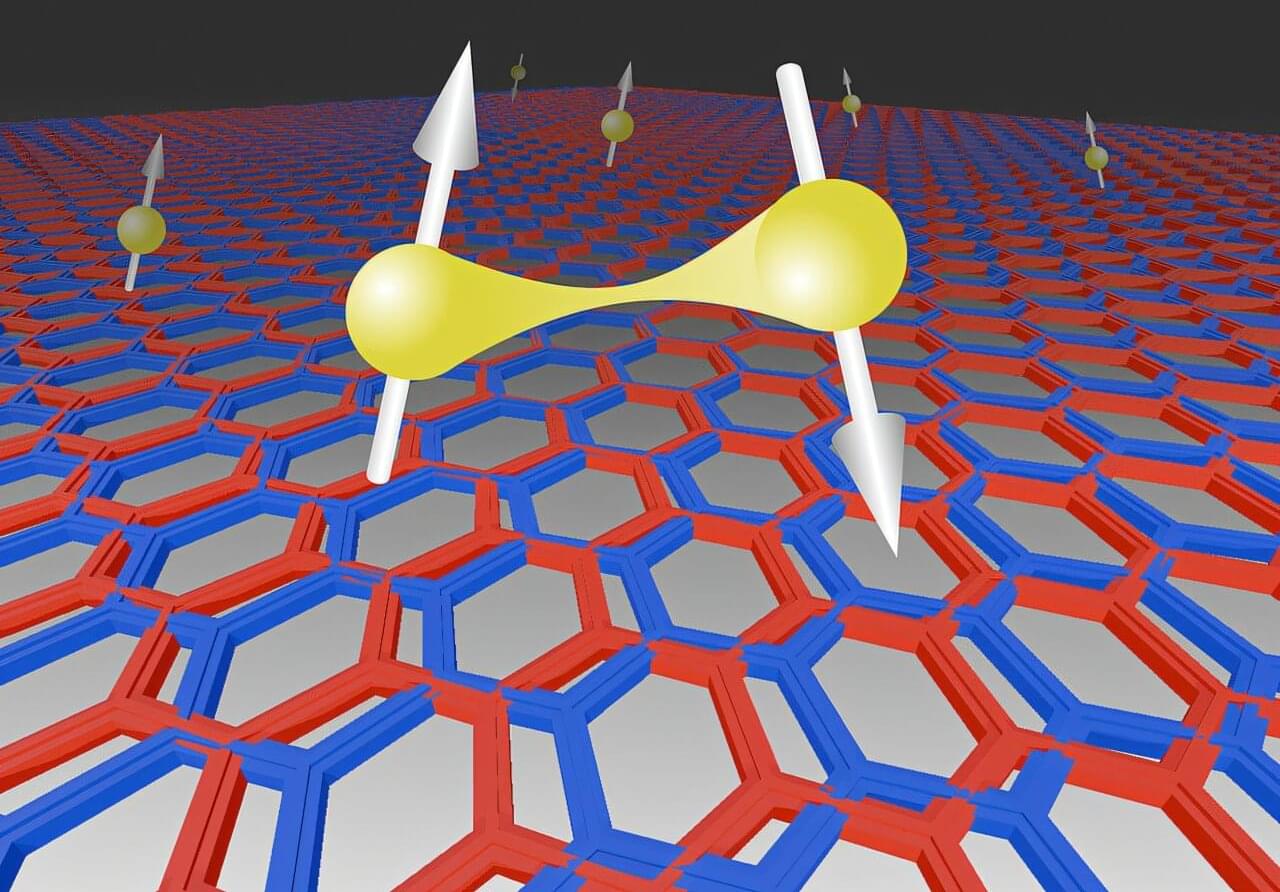
How superconductivity arises: New insights from moiré materials

How exactly unconventional superconductivity arises is one of the central questions of modern solid-state physics. A new study published in the journal Nature provides crucial insights into this question. For the first time, an international research team was able to demonstrate a direct microscopic connection between a strongly correlated normal state and superconductivity in so-called moiré materials. In the long term, these findings could contribute to the development of new quantum materials and superconductors for future quantum technologies.

Professor Giorgio Sangiovanni from the Institute of Theoretical Physics and Astrophysics at Julius-Maximilians-Universität Würzburg (JMU) was involved in the study. His research is part of the Cluster of Excellence ctd.qmat—Complexity, Topology and Dynamics in Quantum Matter—at JMU and the Technical University of Dresden.

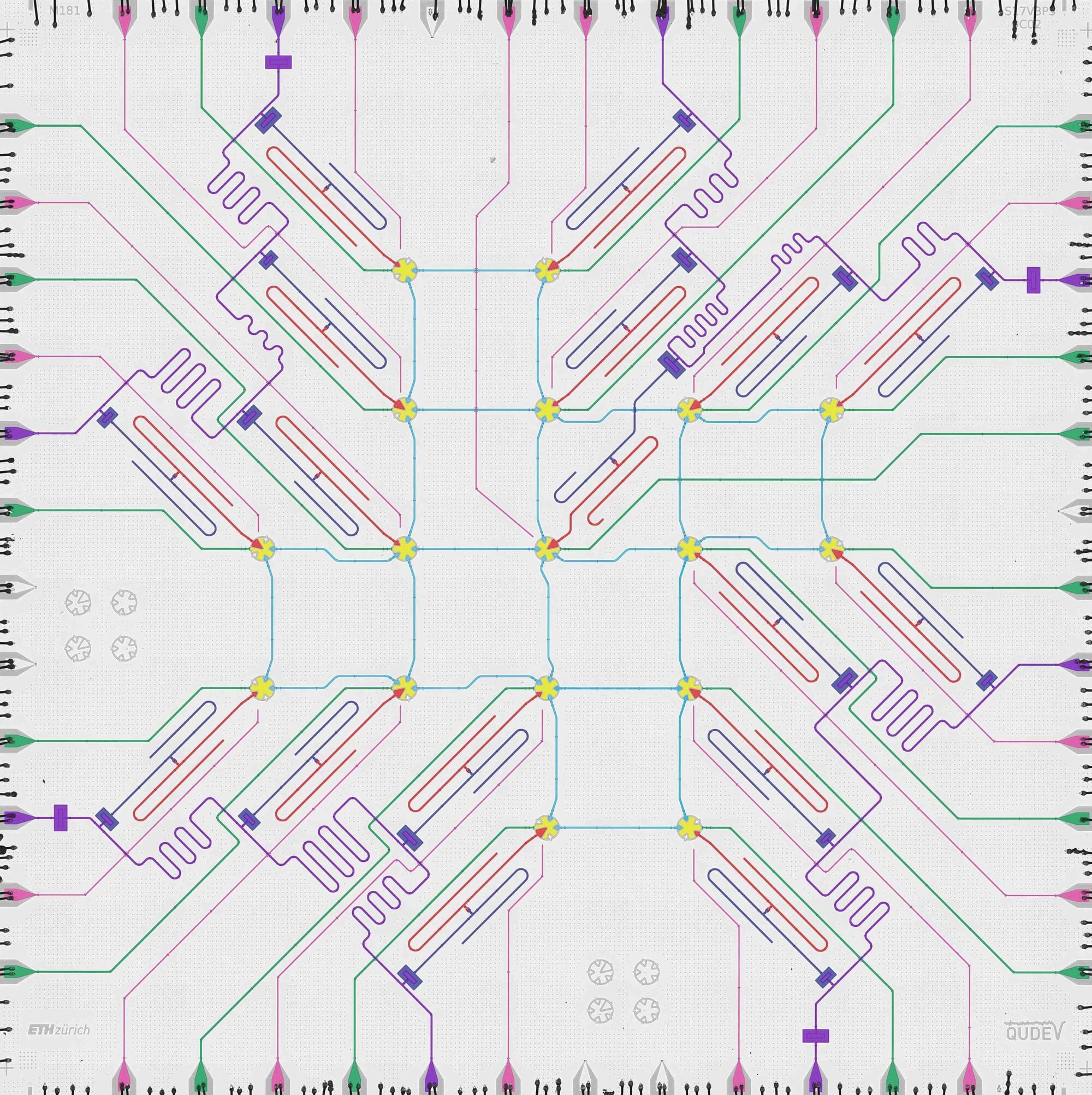
Surgery for quantum bits: Bit-flip errors corrected during superconducting qubit operations

Quantum computers hold great promise for exciting applications in the future, but for now they keep presenting physicists and engineers with a series of challenges and conundrums. One of them relates to decoherence and the errors that result from it: bit flips and phase flips. Such errors mean that the logical unit of a quantum computer, the qubit, can suddenly and unpredictably change its state from “0” to “1,” or that the relative phase of a superposition state can jump from positive to negative.

These errors can be held at bay by building a logical qubit out of many physical qubits and constantly applying error correction protocols. This approach takes care of storing the quantum information relatively safely over time. However, at some point it becomes necessary to exit storage mode and do something useful with the qubit—like applying a quantum gate, which is the building block of quantum algorithms.

The research group led by D-PHYS Professor Andreas Wallraff, in collaboration with the Paul Scherrer Institute (PSI) and the theory team of Professor Markus Müller at RWTH Aachen University and Forschungszentrum Jülich, has now demonstrated a technique that makes it possible to perform a quantum operation between superconducting logical qubits while correcting for potential errors occurring during the operation. The researchers have just published their results in Nature Physics.

AI-powered compressed imaging system developed for high-speed scenes

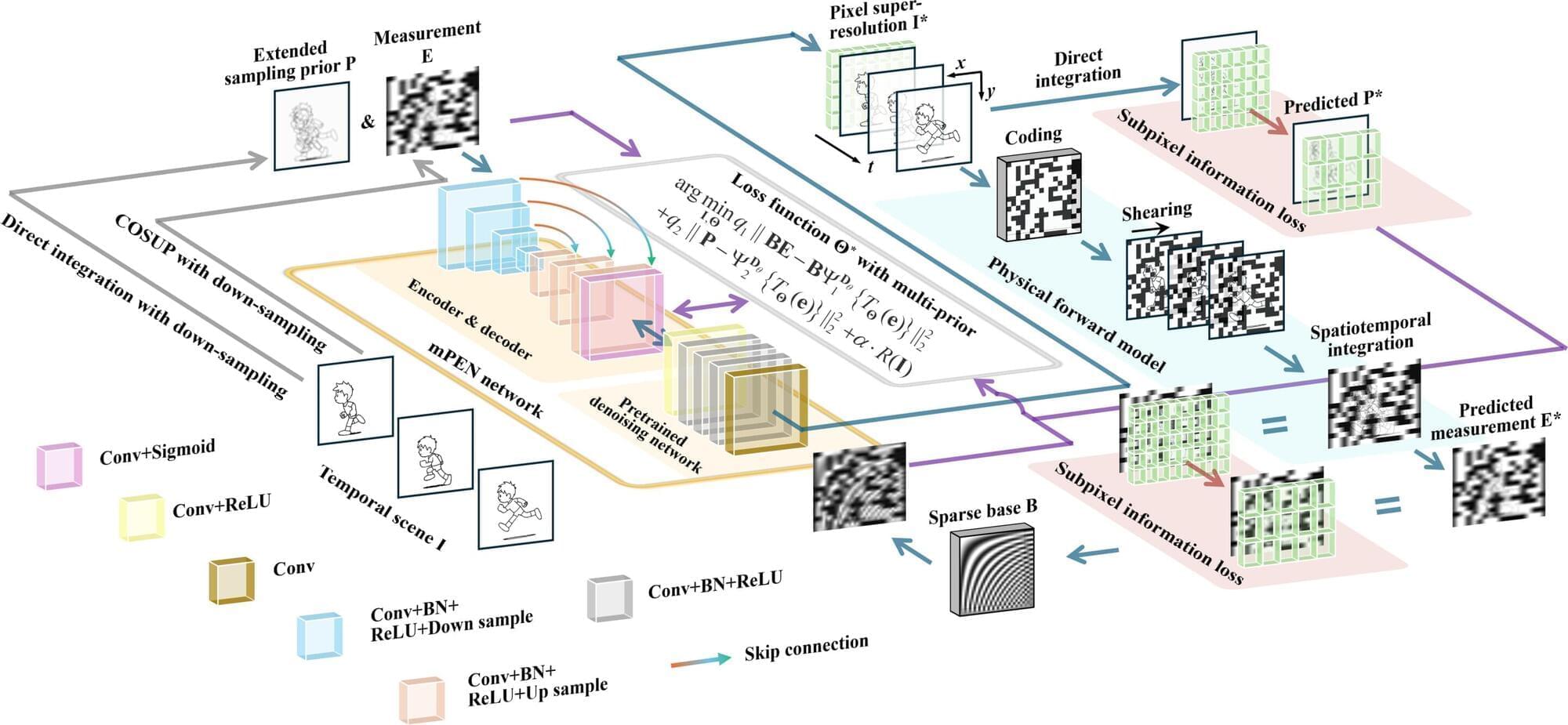
A research team from the Xi’an Institute of Optics and Precision Mechanics (XIOPM) of the Chinese Academy of Sciences, along with collaborators from the Institute National de la Recherche Scientifique, Canada, and Northwest University, has developed a single-shot compressed upconversion photoluminescence lifetime imaging (sCUPLI) system for high-speed imaging.

High-fidelity recovery from complex inverse problems remains a key challenge in compressed high-speed imaging. Deep learning has revolutionized the reconstruction, but pure end-to-end “black-box” networks often suffer from structural artifacts and high costs. To address these issues, the team from XIOPM propose a multi-prior physics-enhanced neural network (mPEN) in an article published in Ultrafast Science.

By integrating mPEN with compressed optical streak ultra-high-speed photography (COSUP), the researchers developed the sCUPLI system. This system utilized an encoding path for temporal shearing and a prior path to record unencoded integral images. It effectively suppressed artifacts and corrected spatial distortion by synergistically correcting multiple complementary priors including physical models, sparsity constraints, and deep image priors.

High-entropy garnet crystal enables enhanced 2.8 μm mid-infrared laser performance

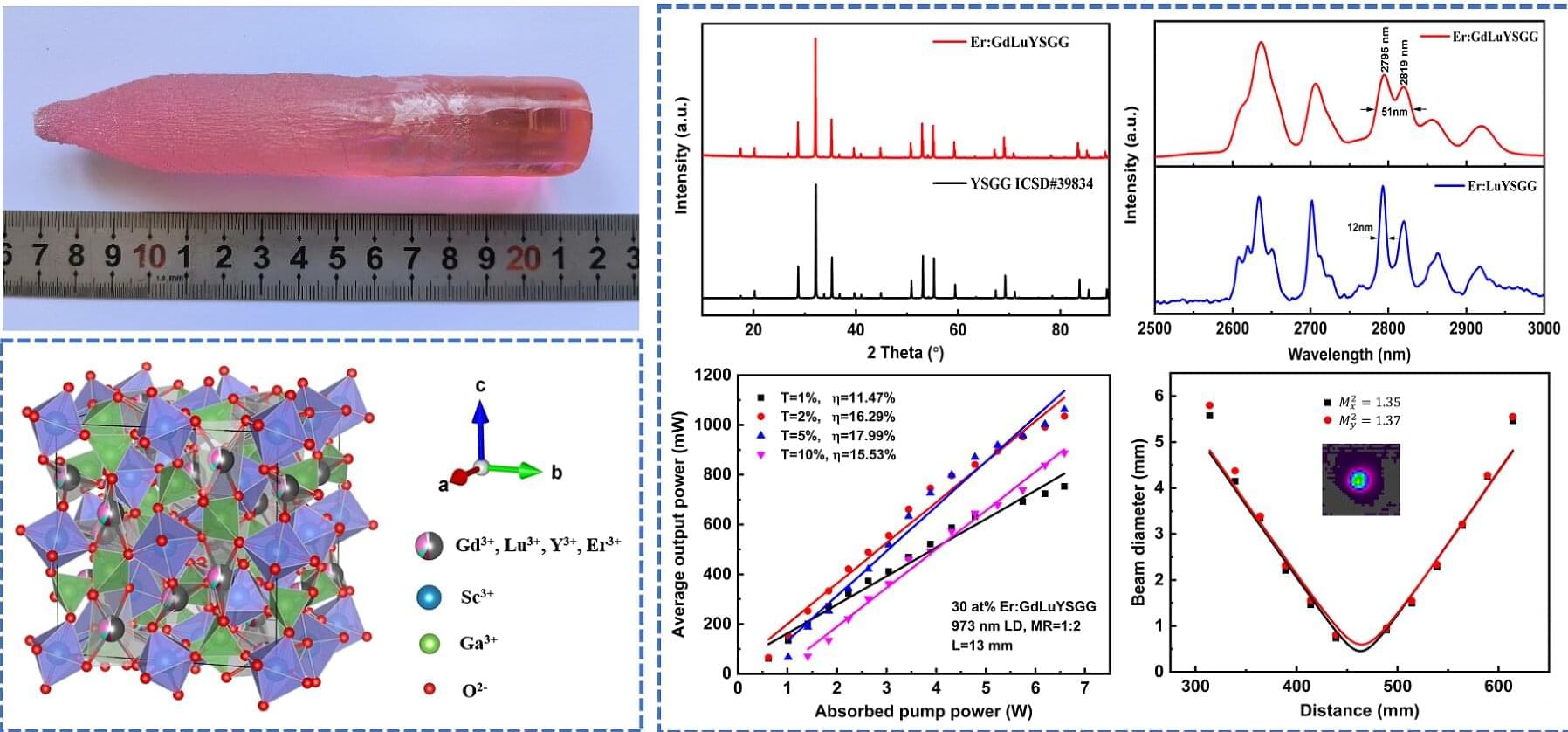
Recently, a research team from the Hefei Institutes of Physical Science of the Chinese Academy of Sciences successfully grew a high-entropy garnet-structured oxide crystal and achieved enhanced laser performance at the 2.8 μm wavelength band. By introducing a high-entropy design into a garnet crystal system, the team obtained a wide emission band near 2.8 μm and continuous-wave laser output with improved average power and beam quality, demonstrating the material’s strong potential as a high-performance gain medium for mid-infrared ultrashort-pulse lasers.

The results are published in Crystal Growth & Design.

Mid-infrared ultrashort-pulse lasers around 2.8 μm are of great interest for applications such as space communication and planetary exploration. However, existing laser crystals operating in this wavelength range often suffer from narrow emission bandwidths, low efficiency, or insufficient radiation resistance, making it difficult to meet the demands of efficient and stable laser operation in harsh space radiation environments.

Dark matter, not a black hole, could power Milky Way’s heart

Our Milky Way galaxy may not have a supermassive black hole at its center but rather an enormous clump of mysterious dark matter exerting the same gravitational influence, astronomers say. They believe this invisible substance—which makes up most of the universe’s mass—can explain both the violent dance of stars just light-hours (often used to measure distances within our own solar system) away from the galactic center and the gentle, large-scale rotation of the entire matter in the outskirts of the Milky Way.

The new study has been published today in Monthly Notices of the Royal Astronomical Society.

/* */