Please see my LinkedIn article: “Securing the Neural Frontier.”
We are poised to witness one of the most significant technological advancements in human history: the direct interaction between human brains and machines. Brain-computer interfaces (BCIs), neurotechnology, and brain-inspired computing have already arrived and need to be secure.
FOX Business Network (FBN) is a financial news channel delivering real-time information across all platforms that impact both Main Street and Wall Street. Headquartered in New York — the business capital of the world — FBN launched in October 2007 and is one of the leading business networks on television. In 2025 it opened the year posting double-digit advantages across business day, market hours and total day viewers in January. Additionally, the network continued to lead business news programming, with each business day program placing among the top 15 shows, while FBN delivered its highest-rated month since April 2023 with market hours.
Follow Fox Business on Facebook: / foxbusiness. Follow Fox Business on Twitter: / foxbusiness. Follow Fox Business on Instagram: / foxbusiness.
When Feng Zhang was in his early 30s, he used a set of genes found in bacteria called CRISPR to pioneer a new kind of gene editing tool in human cells. Today, the MIT biochemist is studying a different set of microbial genes called TIGR. And they may be the key to developing CRISPR’s successor. For this SciShow Field Trips video, we traveled to Zhang’s lab to learn about what may be the next generation of gene editing.
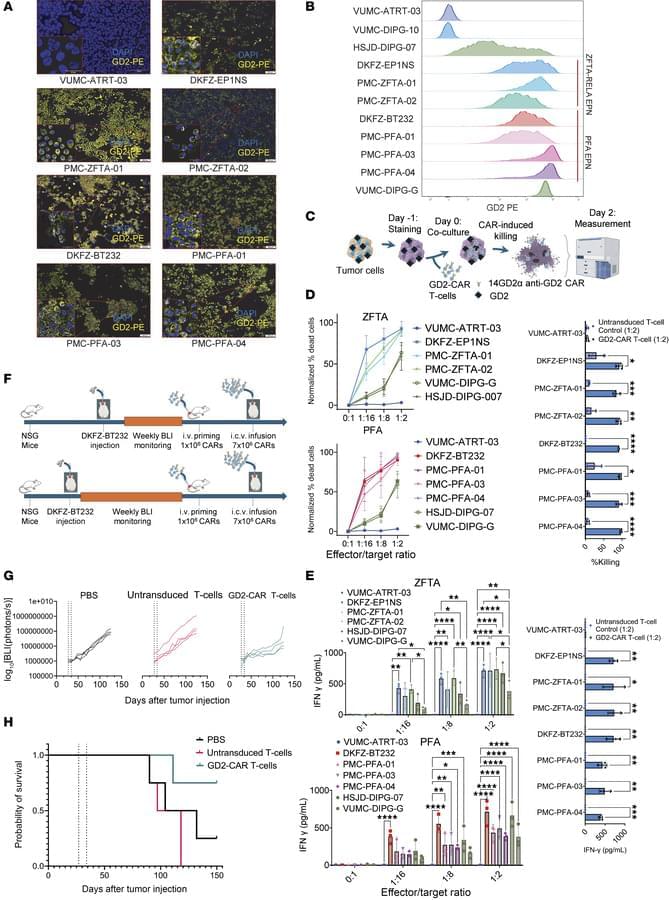
Research Letter: CAR T cells targeting the glycoprotein GD2 show potent antitumor efficacy in high-risk ependymoma models.
Antonio Carlos Tallon-Cobos & team establish a new ependymoma model for preclinical research and demonstrate a promising immunotherapeutic approach for this largely aggressive pediatric brain cancer.
1Princess Máxima Center for pediatric oncology, Utrecht, Netherlands.
2Hopp Children’s Cancer Center Heidelberg (KiTZ), Heidelberg, Germany.
3Division of Pediatric Neurooncology, German Cancer Research Center (DKFZ) and German Consortium (DKTK), Heidelberg, Germany.
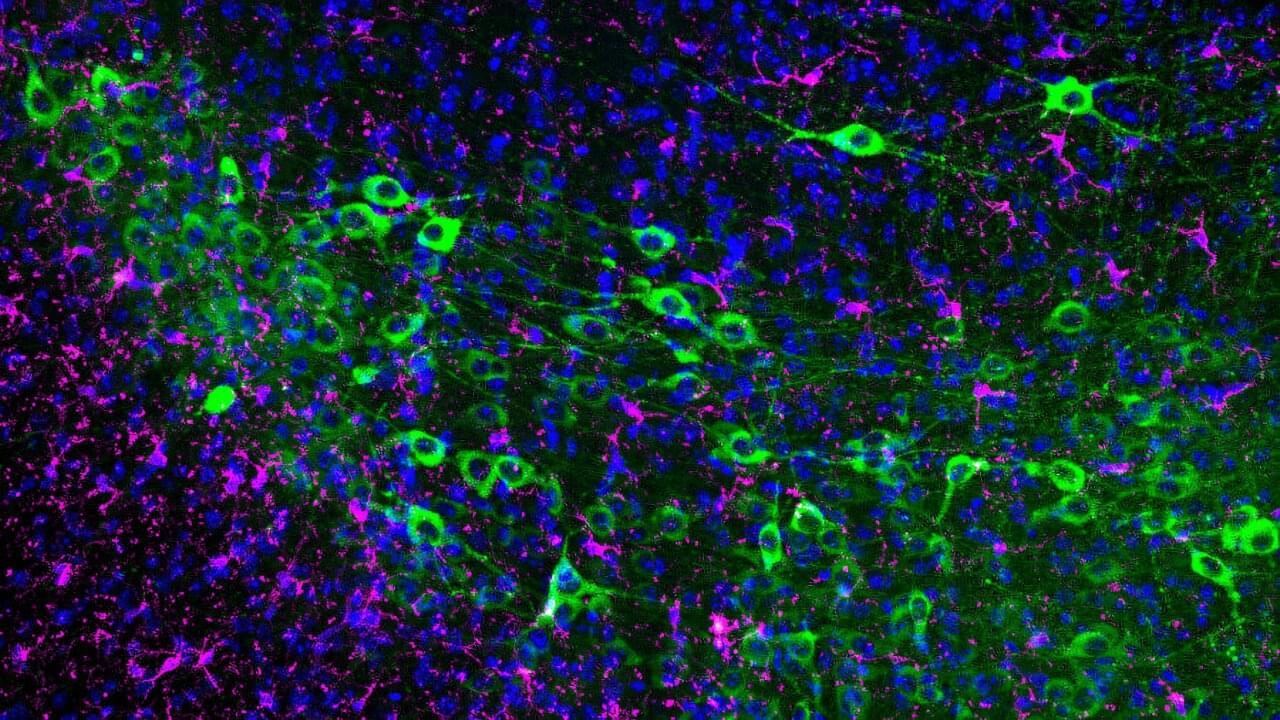
Parkinson’s disease is characterized by the progressive loss of dopaminergic neurons in a specific brain region known as the substantia nigra. This neuronal degeneration is closely linked to inflammatory processes mediated by microglia, the immune cells of the central nervous system. However, the precise mechanisms that trigger this destructive process are still not fully understood.
Now, in an article published in npj Parkinson’s Disease, researchers from the Institut de Neurociències of the Universitat Autònoma de Barcelona (INc-UAB) and the UAB Department of Biochemistry and Molecular Biology report that brain tissue from Parkinson’s disease patients contains a higher proportion of reactive microglia, meaning cells that are primed to respond. But most importantly, these reactive microglial cells also show an increased density of receptors known as Fc gamma on their membranes.
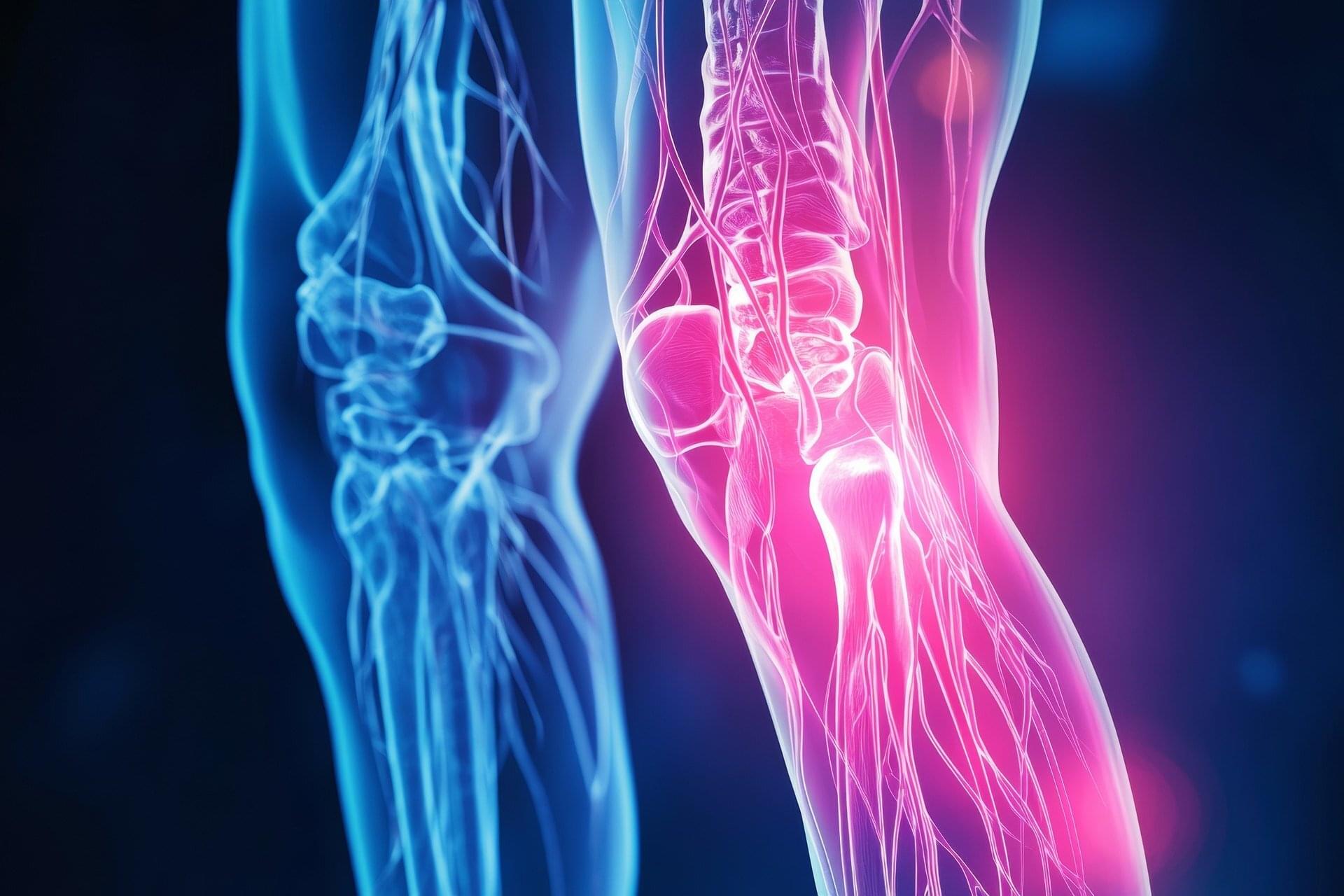
Rheumatoid arthritis (RA) is a common autoimmune disease where the body’s immune system mistakenly attacks the lining of its own joints, causing chronic pain, swelling, and stiffness. While there have been remarkable advancements in the treatment of RA with an array of therapies that target inflammation, a large subset of patients (approximately 6–28%) continue to experience difficult-to-manage symptoms of disease even after receiving multiple lines of treatment.
There is a critical need to identify new therapeutic approaches for patients who are refractory to existing treatment options.
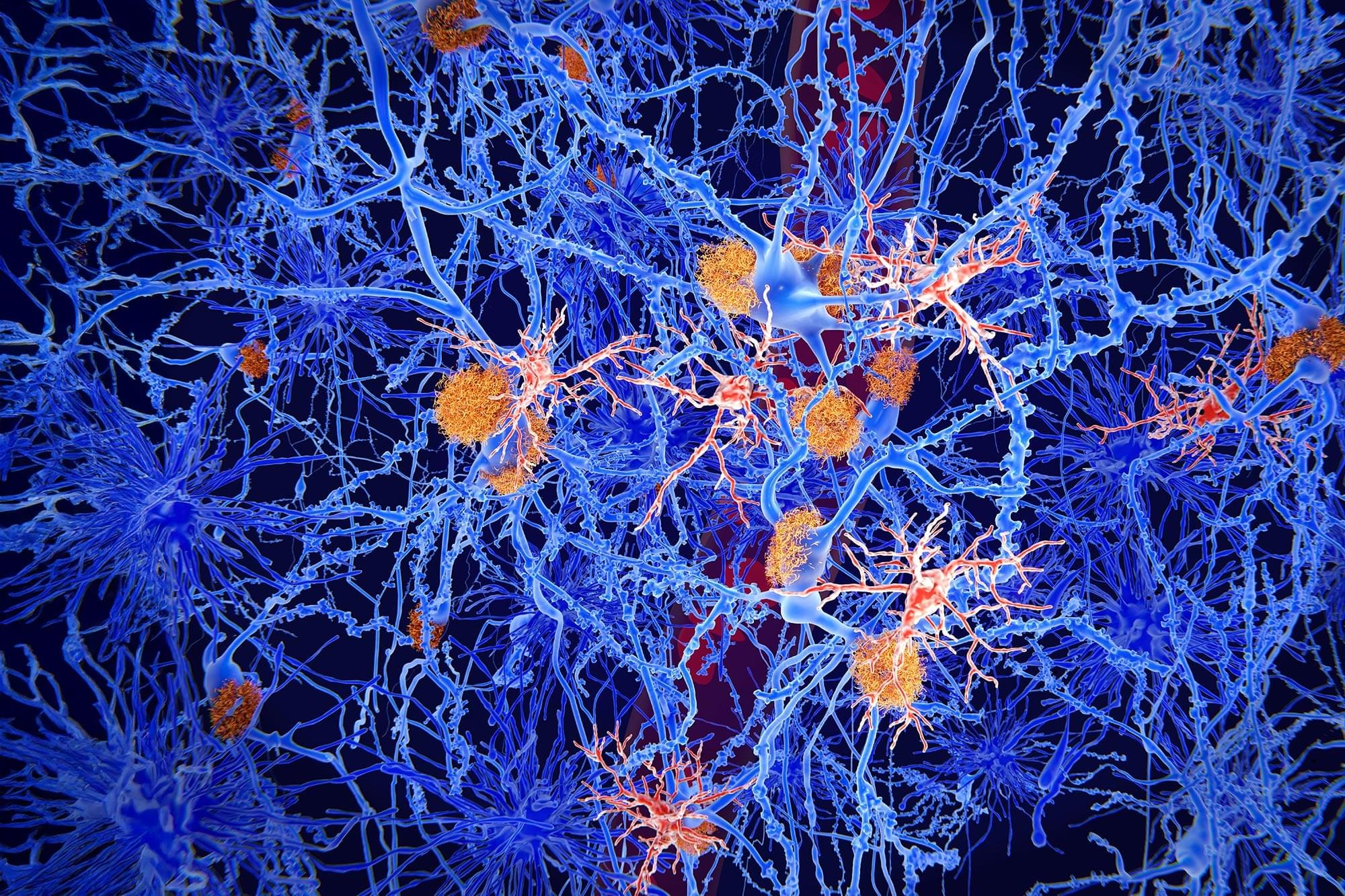
The researchers suggested that higher concentrations of charged ions weaken the interaction between tau proteins and heparin, making cluster formation more difficult. This occurs because charged molecules such as tau and heparin become less able to interact due to electrostatic “screening,” which effectively masks their charges from one another.
A New Direction for Treating Neurodegenerative Disease
These results point toward a different strategy for developing therapies. Rather than attempting to break apart fully formed tau fibrils, future treatments could focus on blocking the reversible precursor stage before irreversible damage takes place. This approach could have implications beyond Alzheimer’s disease, potentially influencing research into other neurodegenerative disorders, including Parkinson’s disease.
Ferroptosis: a promising therapeutic strategy in glioblastoma👇
✅Glioblastoma multiforme (GBM) is an aggressive brain tumor characterized by rapid growth and resistance to conventional therapies. Recent research highlights ferroptosis, a regulated form of cell death driven by iron-dependent lipid peroxidation, as a novel and promising approach for GBM treatment.
✅One key mechanism underlying ferroptosis in GBM is glutathione depletion. Inhibition of the cystine/glutamate antiporter system (xCT) limits cystine uptake, leading to reduced glutathione synthesis. As a consequence, the antioxidant enzyme GPX4 becomes inactivated, impairing the cell’s ability to detoxify lipid peroxides.
✅Lipid peroxidation is a central event in ferroptosis. Polyunsaturated fatty acids (PUFAs) incorporated into membrane phospholipids are highly susceptible to oxidative damage. Their conversion into peroxidized phospholipids (PL-PUFA-PE) disrupts membrane integrity and drives lethal oxidative stress.
✅Iron metabolism further amplifies ferroptotic signaling in GBM cells. Elevated intracellular iron, particularly the Fe²⁺ pool, catalyzes redox reactions that generate reactive oxygen species (ROS). This iron-driven ROS production accelerates lipid peroxidation and pushes tumor cells toward ferroptotic death.
✅Collectively, glutathione depletion, GPX4 inactivation, uncontrolled lipid peroxidation, and dysregulated iron metabolism converge to induce ferroptosis. Targeting these interconnected pathways offers a potential strategy to overcome therapy resistance and selectively eliminate GBM cells.