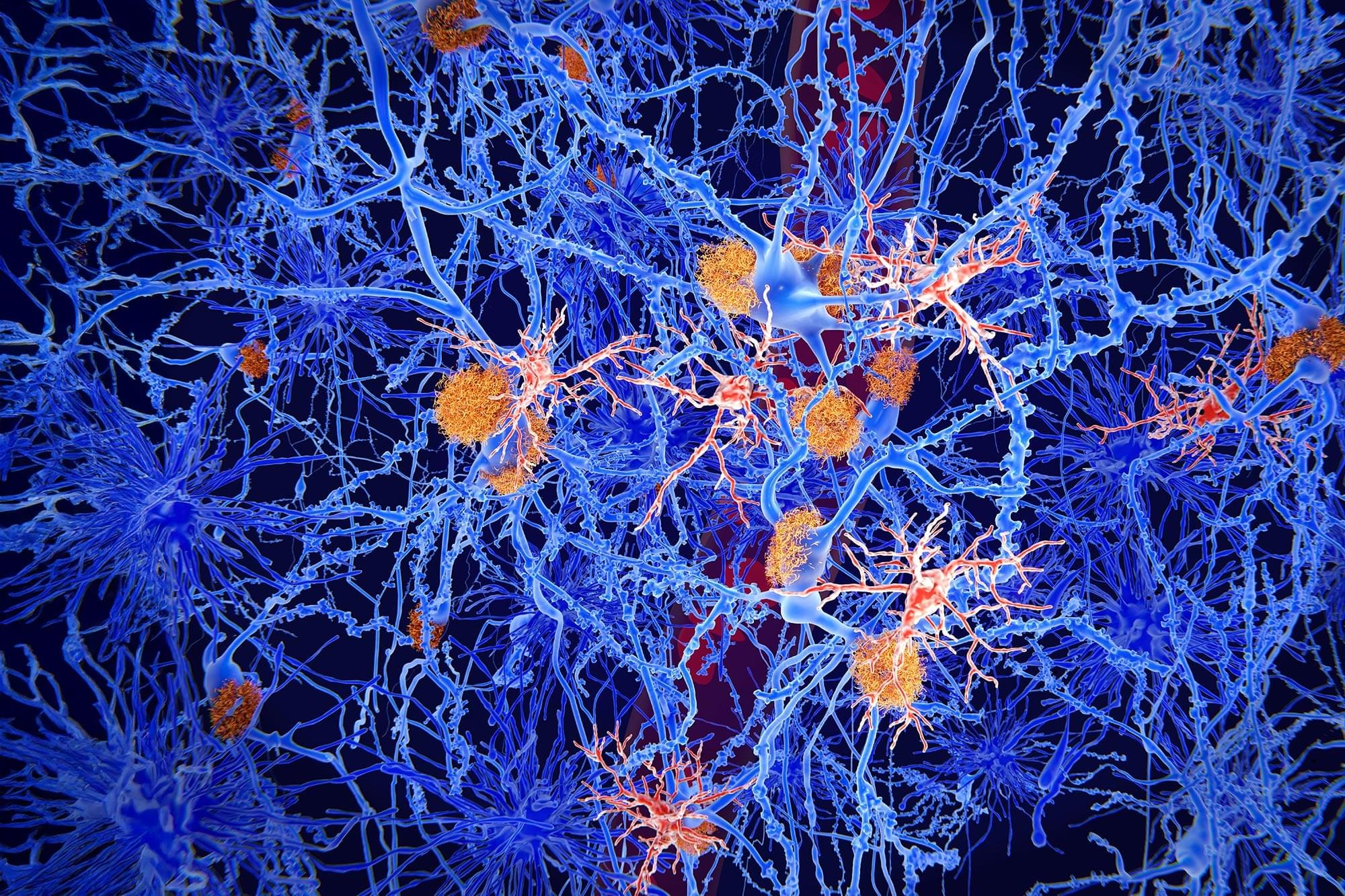
The researchers suggested that higher concentrations of charged ions weaken the interaction between tau proteins and heparin, making cluster formation more difficult. This occurs because charged molecules such as tau and heparin become less able to interact due to electrostatic “screening,” which effectively masks their charges from one another.
A New Direction for Treating Neurodegenerative Disease
These results point toward a different strategy for developing therapies. Rather than attempting to break apart fully formed tau fibrils, future treatments could focus on blocking the reversible precursor stage before irreversible damage takes place. This approach could have implications beyond Alzheimer’s disease, potentially influencing research into other neurodegenerative disorders, including Parkinson’s disease.