Toggle light / dark theme

Get the latest international news and world events from around the world.

Log in for authorized contributors

Parenting styles play a key role in shaping teen mental health

Mental health is a global crisis, with more than 1 billion people affected by mental health conditions, according to the World Health Organization (WHO). Young people are particularly affected, with suicide as the third leading cause of death among those aged 15 to 29. A new study of the mental health of Nepali adolescents published in the journal PLOS One found that more than 40% of teens suffer from anxiety and that parenting style is a major factor influencing mental well-being.

A research team led by Rabina Khadka, a public health lecturer at the Manmohan Memorial Institute of Health Sciences in Kathmandu, surveyed 583 school-going adolescents in Bheemdatt Municipality, Nepal. The aim was to fill in gaps in the existing data, specifically the lack of research on how different parenting styles (authoritative, authoritarian and permissive) relate to a range of mental health outcomes.

Participants were asked to fill out a four-part survey with questions covering their mental health status (levels of depression, anxiety, stress and self-esteem), perceived parenting style and personal information such as age, gender and family situation. The researchers then measured these factors using recognized psychological scales and analyzed the data to find statistical links between the type of parenting teens received and their mental health.

Ozempic can reduce metabolic risks in schizophrenia patients, multicenter study finds

Semaglutide medications like Ozempic and Wegovy can help lower the risk of heart and metabolic diseases in people with schizophrenia spectrum disorders, according to a study published in JAMA Psychiatry.

Glucagon-like peptide–1 receptor agonist (GLP-1RAs) drugs, such as semaglutide, mimic the natural gut hormone GLP-1 that regulates hunger and food intake. By activating GLP-1 receptors in the brain, the drug reduces hunger and slows gastric emptying, helping one feel full longer. It also enhances glucose-dependent insulin secretion, thereby improving blood sugar control.

Researchers in Denmark recruited 73 adults taking antipsychotic medications who were showing early signs of diabetes and had an average BMI of 36, which falls in the category of obesity. The participants, aged 18 to 65 years, were randomly assigned to receive either weekly semaglutide injections or a placebo for 6.5 months.

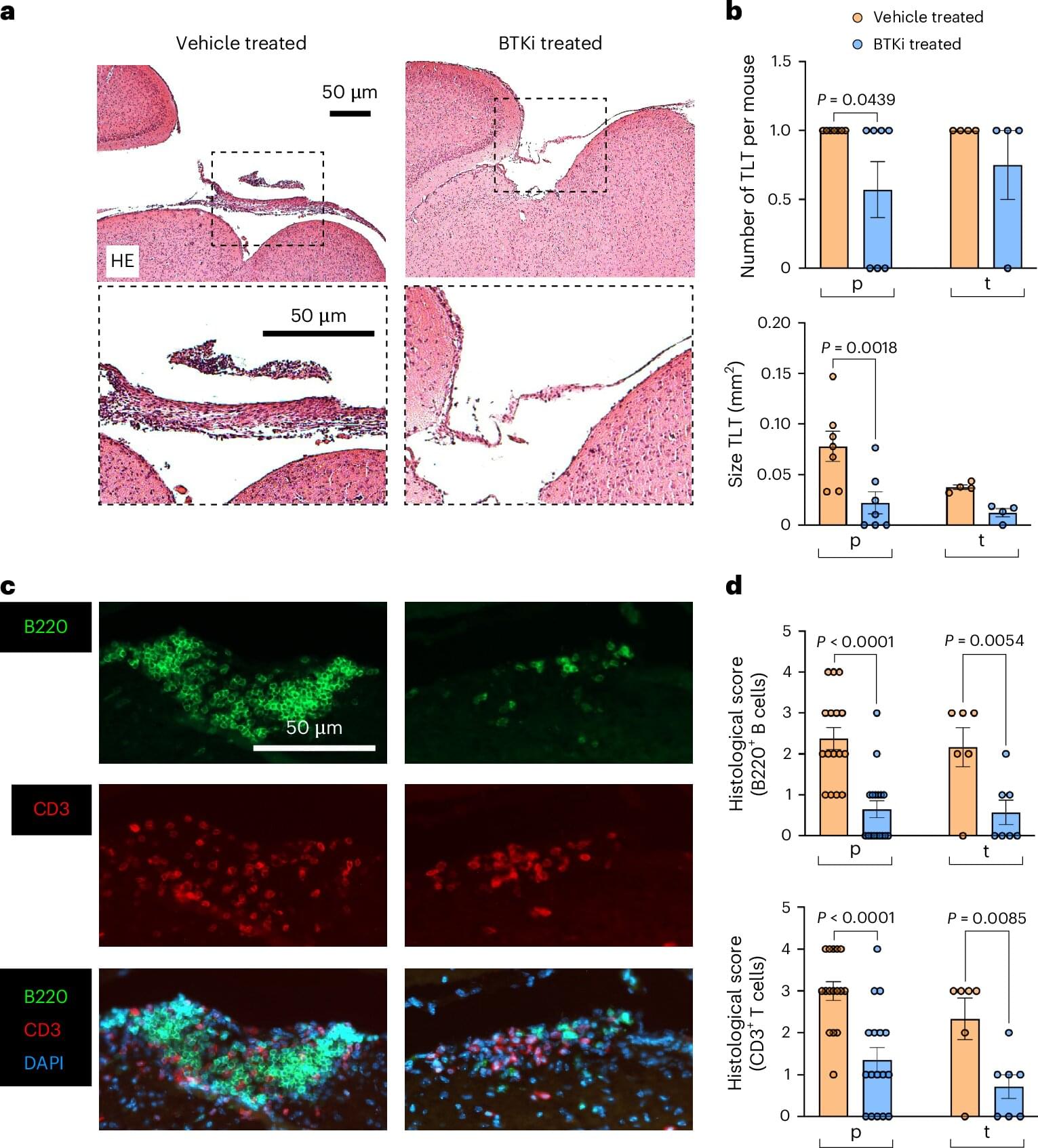
Astrocyte diversity across space and time charted in new atlas

When it comes to brain function, neurons get a lot of the glory. But healthy brains depend on the cooperation of many kinds of cells. The most abundant of the brain’s non-neuronal cells are astrocytes, star-shaped cells with a lot of responsibilities. Astrocytes help shape neural circuits, participate in information processing, and provide nutrient and metabolic support to neurons. Individual cells can take on new roles throughout their lifetimes, and at any given time, the astrocytes in one part of the brain will look and behave differently than the astrocytes somewhere else.

After an extensive analysis by researchers at MIT, neuroscientists now have an atlas detailing astrocytes’ dynamic diversity. Its maps depict the regional specialization of astrocytes across the brains of both mice and marmosets—two powerful models for neuroscience research—and show how their populations shift as brains develop, mature, and age.

The open-access study, reported in the Nov. 20 issue of the journal Neuron, was led by Guoping Feng, the James W. (1963) and Patricia T. Poitras Professor of Brain and Cognitive Sciences at MIT.

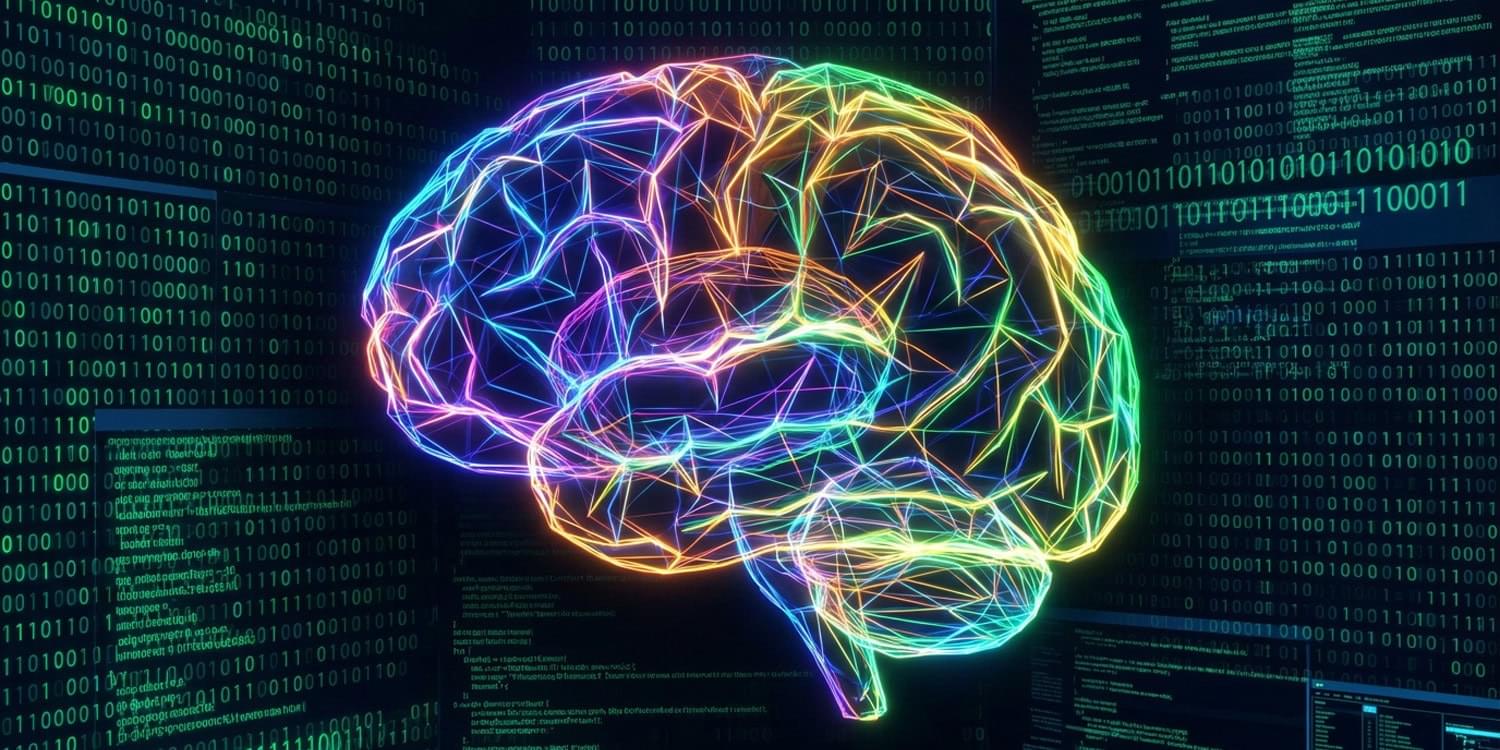
Unified EEG imaging improves mapping for epilepsy surgery

A new advance from Carnegie Mellon University researchers could reshape how clinicians identify the brain regions responsible for drug-resistant epilepsy. Surgery can be a life-changing option for millions of epilepsy patients worldwide, but only if physicians can accurately locate the epileptogenic zone, the area where seizures originate.

Bin He, professor of biomedical engineering, and his team have developed a unified, machine learning-based approach called spatial-temporal-spectral imaging (STSI) to assist. It is the first technology capable of analyzing every major type of epileptic brain signal within a single computational framework.

Their work, published in PNAS, presents a technical breakthrough and promising new direction for noninvasive presurgical planning.

Blue jean dye could make batteries greener

Sustainability is often described in shades of green, but the future of clean energy may also carry a hint of deep blue. Electric vehicles and energy storage systems could soon draw power from a familiar pigment found in denim.

Concordia researchers have found that indigo, the natural dye used to color fabrics for centuries, can help shape the future of safe and sustainable batteries. In a study published in Nature Communications, the team revealed that the common substance supports two essential reactions inside a solid-state battery at the same time. This behavior helps the battery hold more energy, cycle reliably and perform well even in cold conditions.

“We were excited to see that a natural molecule could guide the battery chemistry instead of disrupting it,” says Xia Li, the study’s lead author and associate professor in the Department of Chemical and Materials Engineering. “Indigo helps the battery work in a very steady and predictable way. That is important if we want greener materials to play a role in future energy systems.”

Global shift to sustainable pest management expected to yield long-term benefits

What would happen if farmers around the globe were to switch over to sustainable pest management? An international study headed by the University of Bonn and ETH Zurich focused on precisely this question. The study is based on assessments provided by more than 500 leading experts from around the world who work in various disciplines from ecology to economics.

Sum-frequency microscope can image an invisible 2D material

Researchers from the Physical Chemistry and Theory departments at the Fritz Haber Institute have found a new way to image layers of boron nitride that are only a single atom thick. This material is usually nearly invisible in optical microscopes because it has no optical resonances.

Reconfigurable platform slows lights for on-chip photonic engineering

Integrated circuits are the brains behind modern electronic devices like computers or smart phones. Traditionally, these circuits—also known as chips—rely on electricity to process data. In recent years, scientists have turned their attention to photonic chips, which perform similar tasks using light instead of electricity to improve speed and energy efficiency.

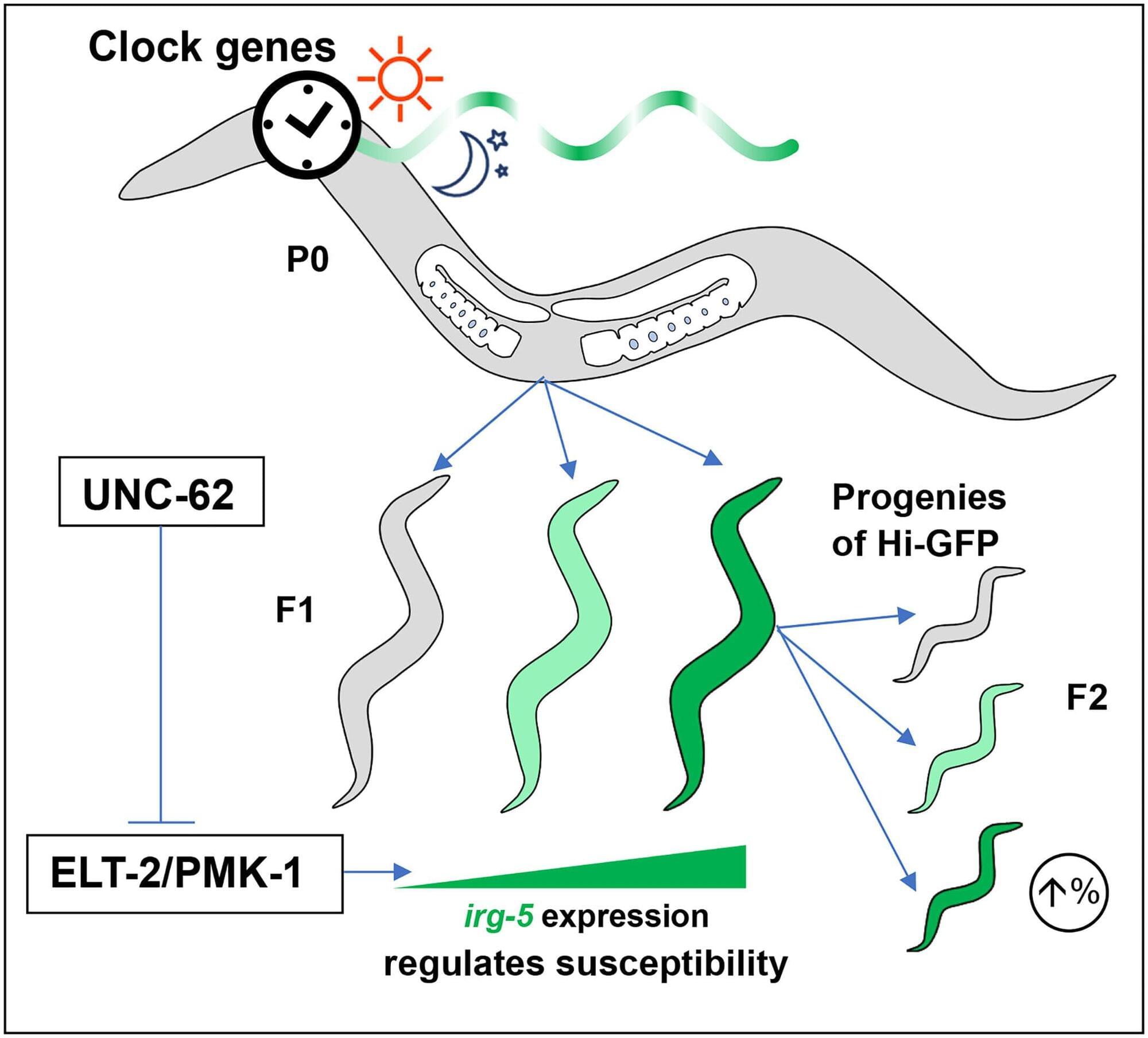
Icy hot plasmas: Fluffy, electrically charged ice grains reveal new plasma dynamics

When a gas is highly energized, its electrons get torn from the parent atoms, resulting in a plasma—the oft-forgotten fourth state of matter (along with solid, liquid, and gas). When we think of plasmas, we normally think of extremely hot phenomena such as the sun, lightning, or maybe arc welding, but there are situations in which icy cold particles are associated with plasmas. Images of distant molecular clouds from the James Webb Space Telescope feature such hot–cold interactions, with frozen dust illuminated by pockets of shocked gas and newborn stars.

Now a team of Caltech researchers has managed to recreate such an icy plasma system in the lab. They created a plasma in which electrons and positively charged ions exist between ultracold electrodes within a mostly neutral gas environment, injected water vapor, and then watched as tiny ice grains spontaneously formed.

They studied the behavior of the grains using a camera with a long-distance microscope lens. The team was surprised to find that extremely “fluffy” grains developed under these conditions and grew into fractal shapes—branching, irregular structures that are self-similar at various scales. And that structure leads to some unexpected physics.

/* */