Toggle light / dark theme

Get the latest international news and world events from around the world.

Log in for authorized contributors

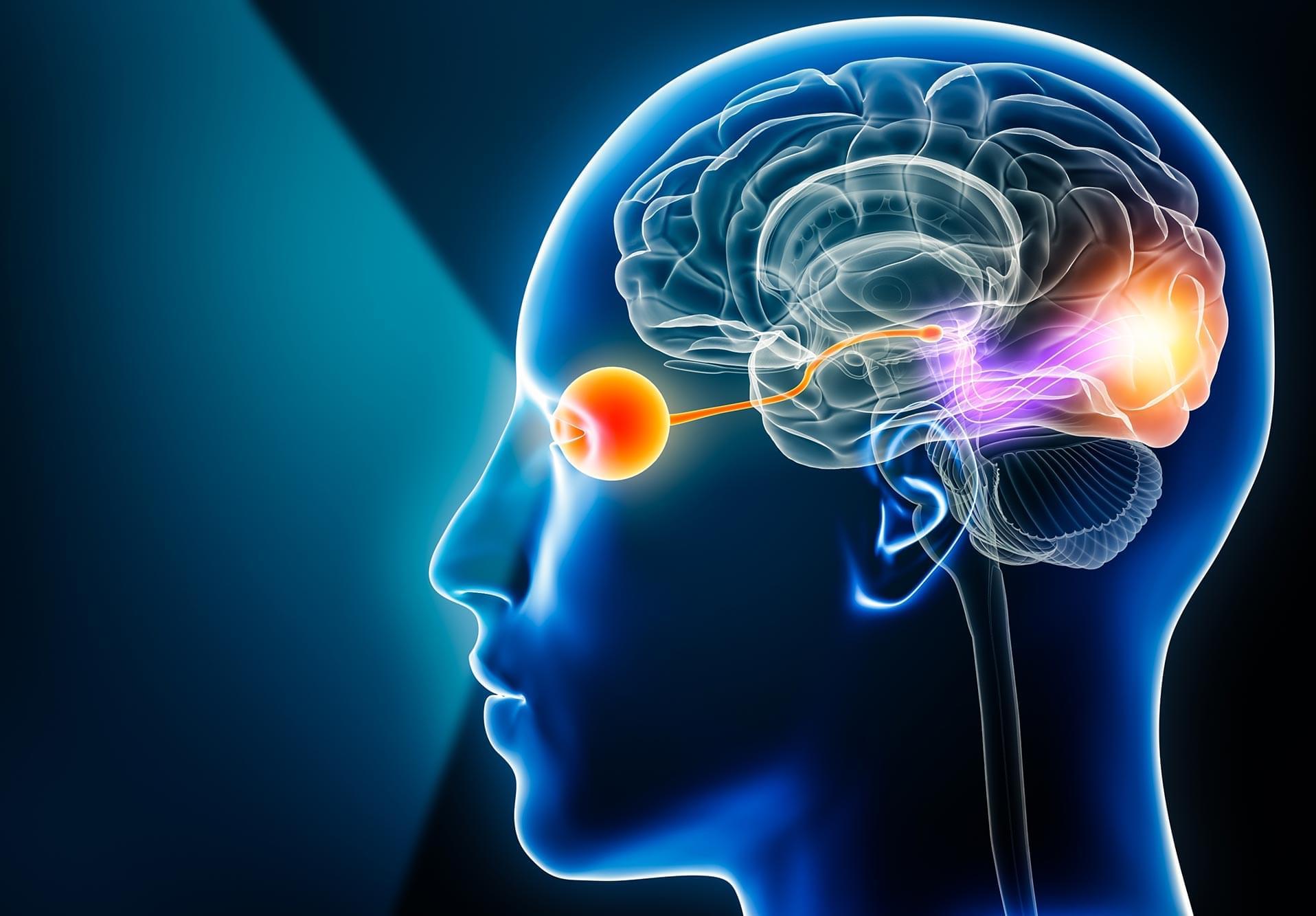
Forecasting Spoken Language Development in Children With Cochlear Implants Using Preimplant Magnetic Resonance Imaging

Deep transfer learning using presurgical brain MRI features predicted post–cochlear implant language improvement in children with 92% accuracy, outperforming traditional ML.


Importance Cochlear implants substantially improve spoken language in children with severe to profound sensorineural hearing loss, yet outcomes remain more variable than in children with healthy hearing. This variability cannot be reliably predicted for individual children using age at implant or residual hearing. Development of an artificial intelligence clinical tool to predict which patients will exhibit poorer improvements in language skills may enable an individualized approach to improve language outcomes.

Objective To compare the accuracy of traditional machine learning (ML) with deep transfer learning (DTL) algorithms to predict post–cochlear implant spoken language development in children with bilateral sensorineural hearing loss using a binary classification model of high vs low language improvers.

Design, Setting, and Participants This multicenter diagnostic study enrolled children from English-, Spanish-, and Cantonese-speaking families across 3 independent clinical centers in the US, Australia, and Hong Kong. A total of 278 children with cochlear implants were enrolled from July 2009 to March 2022 with 1 to 3 years of post–cochlear implant outcomes data. All children underwent pre–cochlear implant 3-dimensional volumetric brain magnetic resonance imaging (MRI). ML and DTL algorithms were trained to predict high vs low language improvers in children with cochlear implants using neuroanatomical features from presurgical brain MRI. Data were analyzed from August 2023 to April 2025.

6 Discoveries From Top Labs Proving Age Reversal Works


In this video, we break down six major scientific breakthroughs from July to September that are pushing us closer to true age reversal — from AI-designed drugs and senolytics to epigenetic reset and real human results.
You’ll see how AI, wet-lab automation, and new biomarkers are accelerating longevity research faster than ever before — and what this means for your future healthspan.

0:51 — Breakthrough #1: AI Becomes the Scientist.
1:30 — Breakthrough #2: Reprogramming at 50× Speed.
2:24 — Breakthrough #3: Human Results Are Finally Here.
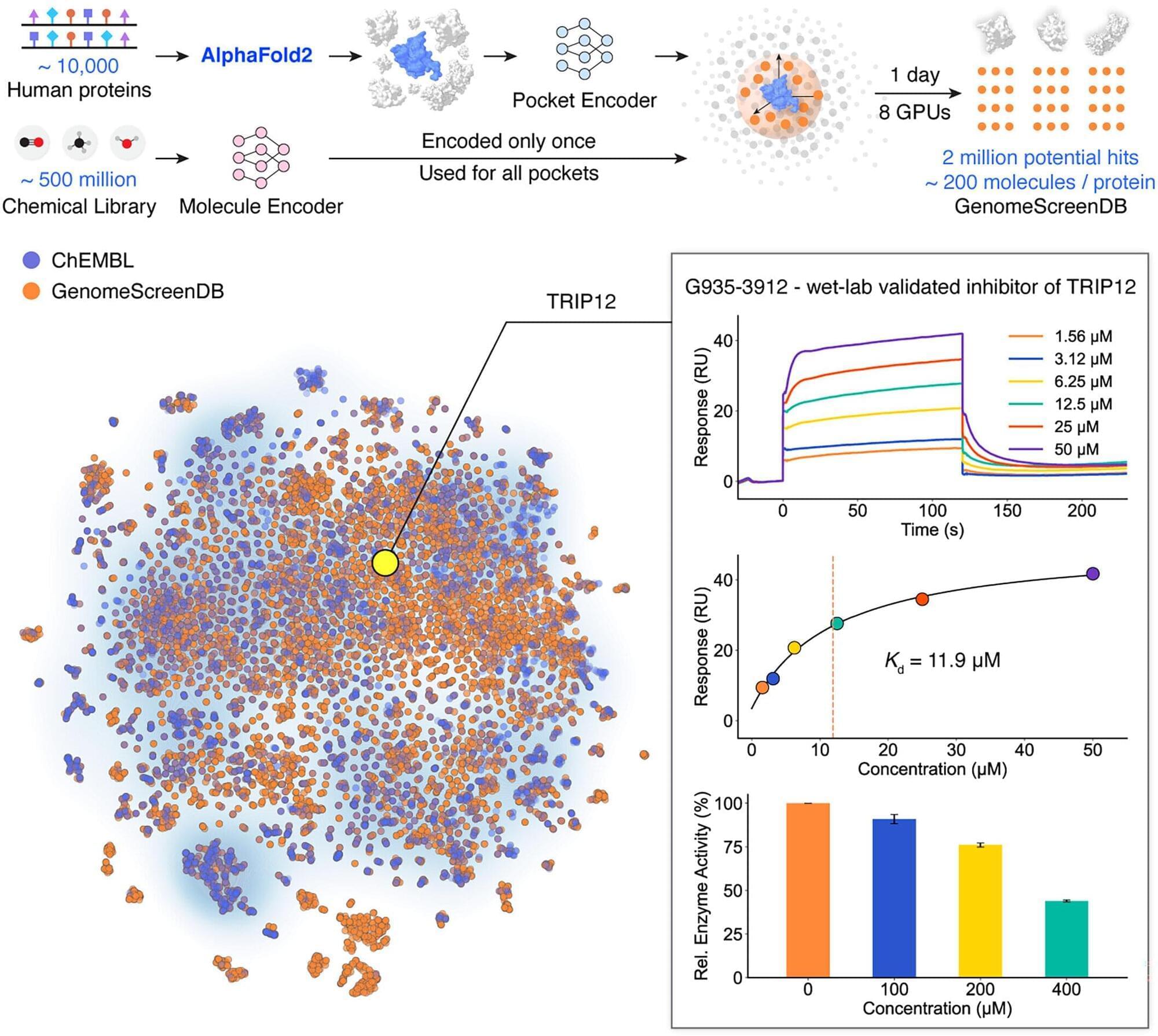
2:52 — Breakthrough #4: AI Discovers Drugs From Scratch.
3:38 — Breakthrough #5: Aging Now Has a Dashboard.
4:12 — Breakthrough #6: The Telomere Puzzle (TEN1)
4:38 — The Double-Edged Sword of Rejuvenation.
5:04 — The LEV Cycle.

📌 ABOUT THIS CHANNEL
Easy Insight simplifies the science of longevity — from AI-driven age reversal and gene editing to breakthroughs that could let us outpace aging itself.
No hype. No speculation. Just easy, factual insight into how technology may redefine human healthspan.

🔍 KEY TOPICS
longevity, AI longevity, artificial intelligence, anti-aging, rejuvenation, CRISPR, epigenetic reprogramming, healthspan extension, age reversal, LongevityEscapeVelocity, biotechnology, Easy Insight, biomarkers, senolytics, telomeres.

💬 JOIN THE CONVERSATION
What would you do with 100 healthy years?
Share your thoughts in the comments 👇
👍 Like if this video made you think deeper.
🔔 Subscribe to follow the science of living longer, better:
https://youtube.com/@EasyInsight-4everyone.

🎧 AUDIO + VISUAL PRODUCTION

Endothelial insulin resistance induced by adrenomedullin mediates obesity-associated diabetes

The hormone adrenomedullin disrupts insulin signaling in blood vessel cells, contributing to systemic insulin resistance in obesity-associated type 2 diabetes, according to a Science study from earlier this year in mice.

The results suggest a potential new target for treating obesity-related metabolic disease.


Insulin resistance is a hallmark of obesity-associated type 2 diabetes. Insulin’s actions go beyond metabolic cells and also involve blood vessels, where insulin increases capillary blood flow and delivery of insulin and nutrients. We show that adrenomedullin, whose plasma levels are increased in obese humans and mice, inhibited insulin signaling in human endothelial cells through protein-tyrosine phosphatase 1B–mediated dephosphorylation of the insulin receptor. In obese mice lacking the endothelial adrenomedullin receptor, insulin-induced endothelial nitric oxide–synthase activation and skeletal muscle perfusion were increased. Treating mice with adrenomedullin mimicked the effect of obesity and induced endothelial and systemic insulin resistance. Endothelial loss or blockade of the adrenomedullin receptor improved obesity-induced insulin resistance.

ID1 boosts antiviral immunity by countering PRMT5-mediated STING methylation

Li et al. report that ID1 sustains STING activation and innate immunity by blocking PRMT5-STING binding, thereby preventing PRMT5-mediated methylation at Arg281 of STING. The PRMT5 inhibitor EPZ015666 enhances STING activation by suppressing PRMT5, providing a therapeutic candidate for antiviral treatment.

To unify relativity and quantum mechanics we must abandon materialism

Physicists have so far failed to unify general relativity and quantum mechanics. As attempts to unite them into a quantum theory of gravity mount up, philosopher of physics Dean Rickles argues that the assumption of materialism is the problem. We need to look beyond the physical—beyond space, time and matter—to something primordial out of which minds can construct physical reality, and which explains both general relativity and quantum mechanics. Pioneers like John Wheeler and David Bohm have already begun to chart what such a realm of “pre-physics” might look like—it’s high time physics took their ideas more seriously.

A pair of recent physics Nobel prizes (2020 and 2022) were awarded for basic research in general relativity (Einstein’s theory of gravitation that explains gravity as the curvature of spacetime by matter and energy) and quantum mechanics (our best bet for a theory of matter and energy). The experimental successes of these theories keep piling up. There is clearly much truth in them. They both aim to describe the same world: this world. They should surely overlap, since the matter and energy described by quantum mechanics should curve spacetime as well as good old-fashioned non-quantum mechanical matter and energy. Why then can we not construct a theory in which they both appear? Why is it so difficult to build what would be a Quantum Theory of Gravity?

Tenascin-C from the tissue microenvironment promotes muscle stem cell maintenance and function through Annexin A2

Tenascin-C (TnC) produced by the fibro-adipogenic progenitors (FAPs) is required for MuSC maintenance and function. FAP-secreted TnC signals through Annexin-A2 on the MuSC surface to promote self-renewal and regeneration potential.

/* */