Toggle light / dark theme

Get the latest international news and world events from around the world.

Log in for authorized contributors

Hidden magma oceans could shield rocky exoplanets from harmful radiation

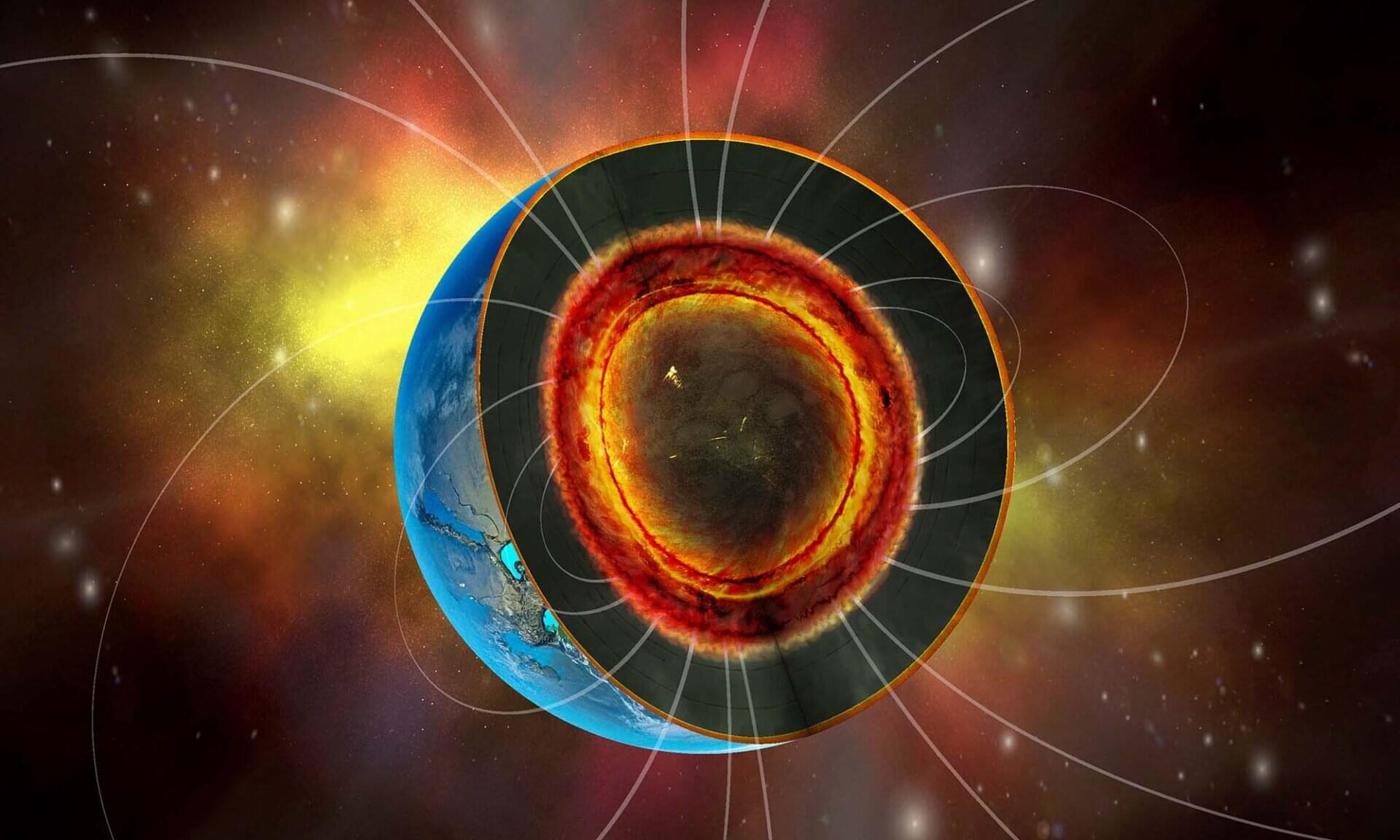
Deep beneath the surface of distant exoplanets known as super-Earths, oceans of molten rock may be doing something extraordinary: powering magnetic fields strong enough to shield entire planets from dangerous cosmic radiation and other harmful high-energy particles.

Earth’s magnetic field is generated by movement in its liquid iron outer core—a process known as a dynamo—but larger rocky worlds like super-Earths might have solid or fully liquid cores that cannot produce magnetic fields in the same way.

In a paper published in Nature Astronomy, University of Rochester researchers, including Miki Nakajima, an associate professor in the Department of Earth and Environmental Sciences, report an alternative source: a deep layer of molten rock called a basal magma ocean (BMO). The findings could reshape how scientists think about planetary interiors and have implications for the habitability of planets beyond our solar system.
Do-it-yourself ammonia production: Renewable-powered system uses calcium to reduce emissions and scale for farmers

The last time you scrubbed a streaky window or polished a porcelain appliance, you probably used a chemical called ammonia.

Also known as ammonium hydroxide when mixed with water, ammonia is more than a common household cleaner. More than 170 million metric tons of it are produced globally every year, with most of it ending up as fertilizer for corn, cotton and soybeans.

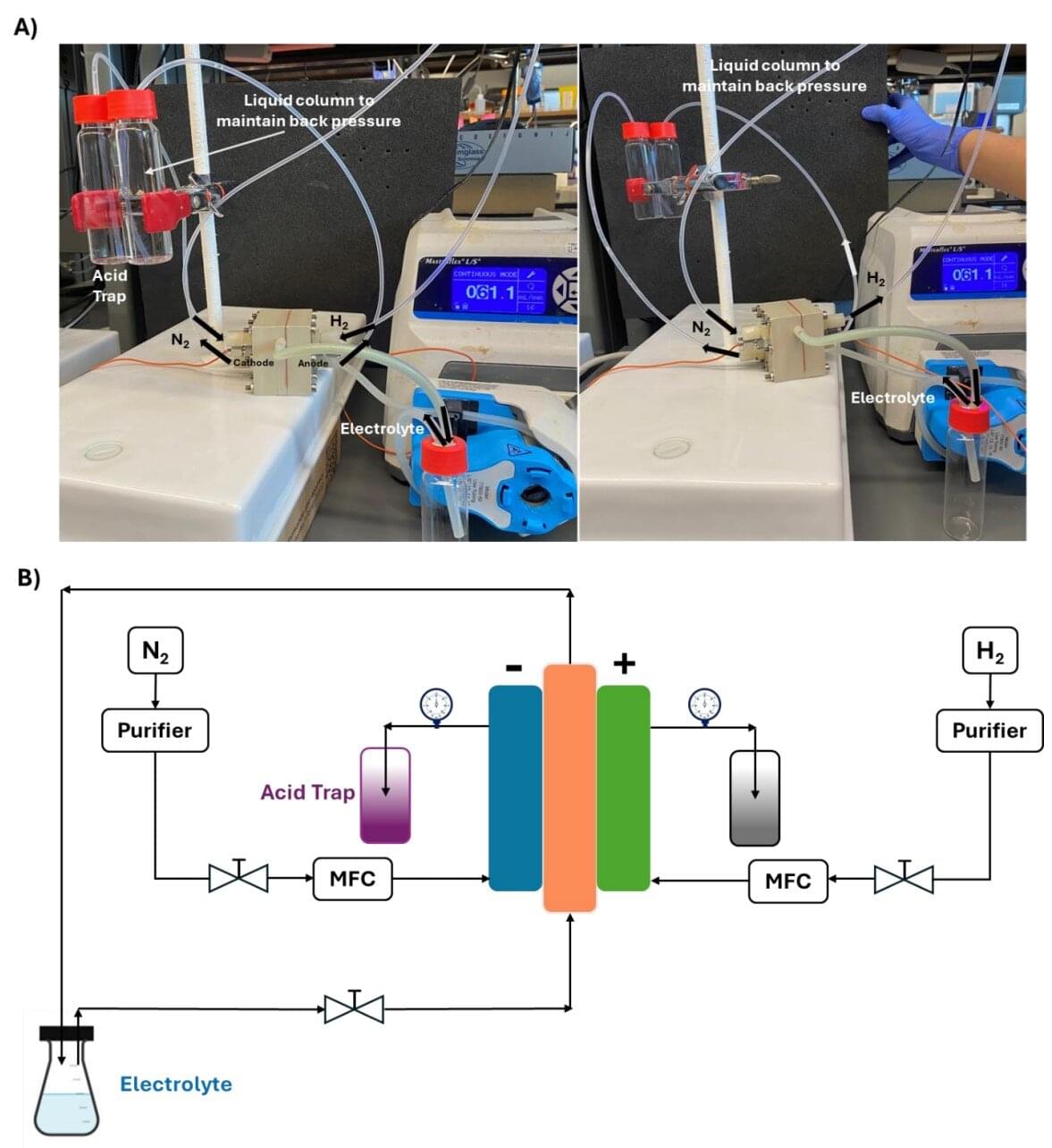
UIC researchers are scaling up a system for farmers to produce ammonia in their own backyards. The method, which uses renewable electricity and Earth’s natural resources, appears in the journal Proceedings of the National Academy of Sciences.

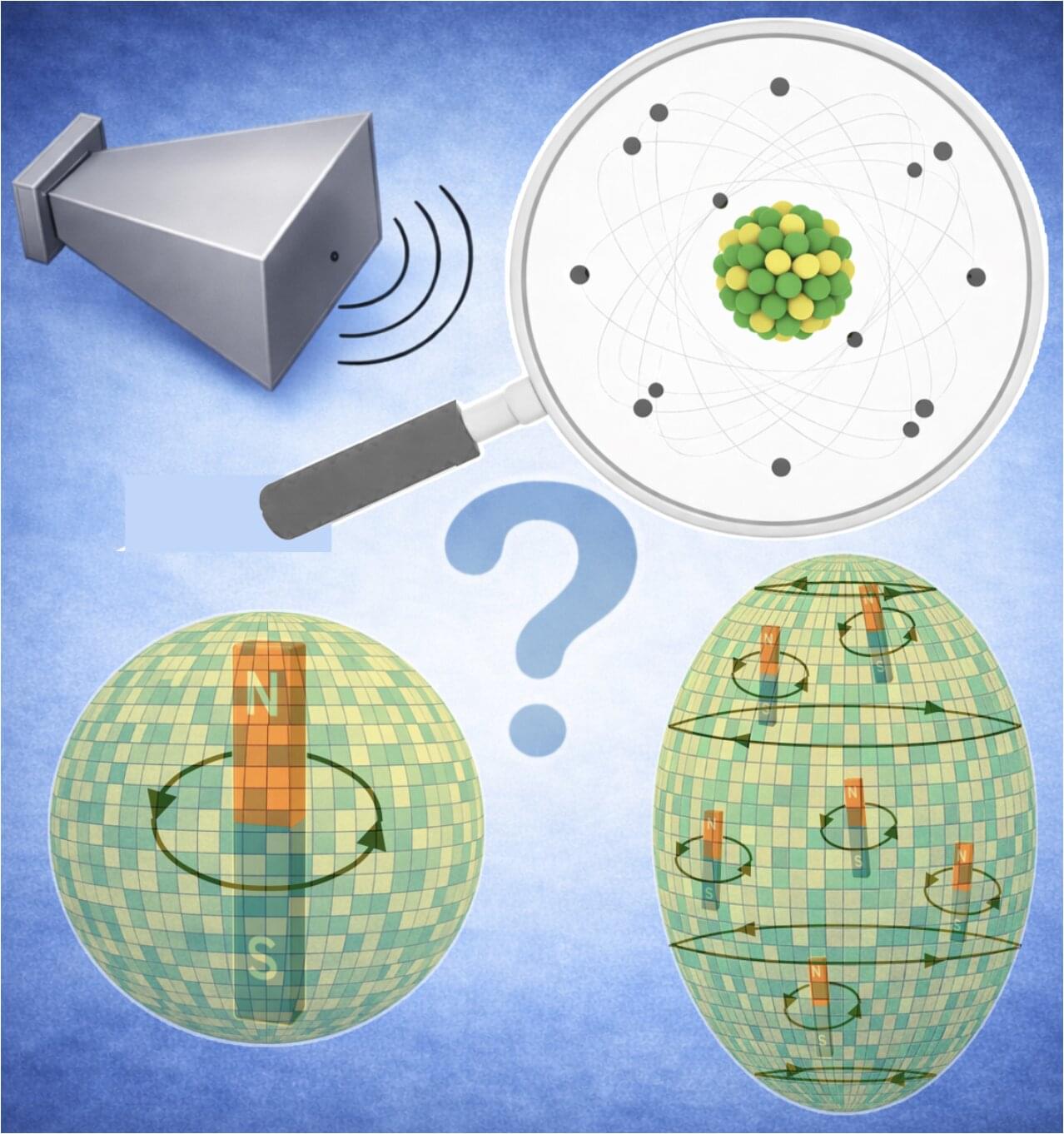
New spectroscopic method reveals ion’s complex nuclear structure

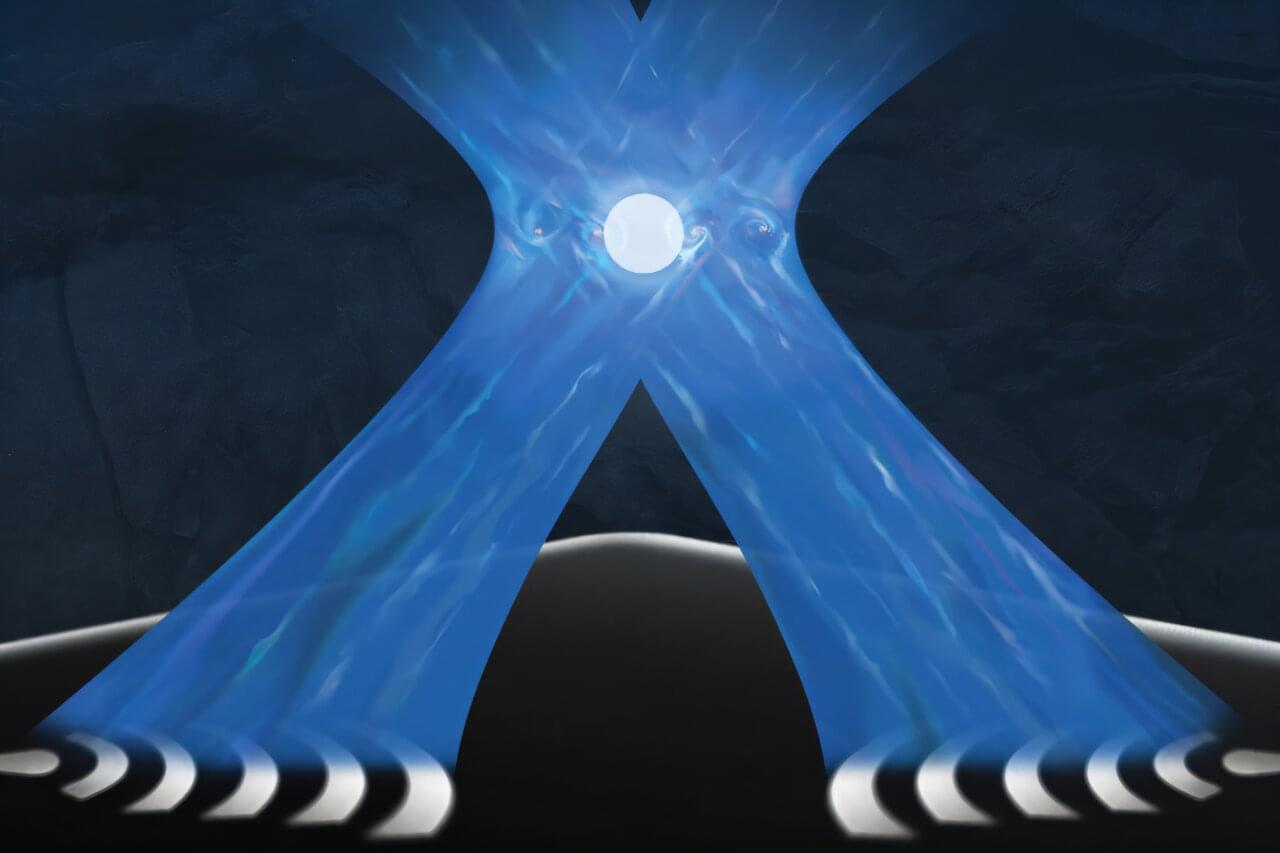
Different atoms and ions possess characteristic energy levels. Like a fingerprint, they are unique for each species. Among them, the atomic ion 173 Yb+ has attracted growing interest because of its particularly rich energy structure, which is promising for applications in quantum technologies and searches for so-called new physics. On the flip side, the complex structure that makes 173 Yb+ interesting has long prevented detailed investigations of this ion.

Now, researchers from PTB, TU Braunschweig, and the University of Delaware have taken a closer look at the ion’s energy structure. To achieve this, they trapped a single 173 Yb+ ion and developed methods for preparing and detecting its energy state despite the complicated energy structure. This enabled high-resolution laser and microwave spectroscopy. The research is published in the journal Physical Review Letters.

In particular, the researchers investigated energy shifts arising from interactions between the nucleus and its surrounding electrons, also called hyperfine structure. Combined with first-principle theory calculations, the precise measurement results yielded new information about the ion’s nucleus.

When lightning strikes: Models of multi-ignition wildfires could predict catastrophic events

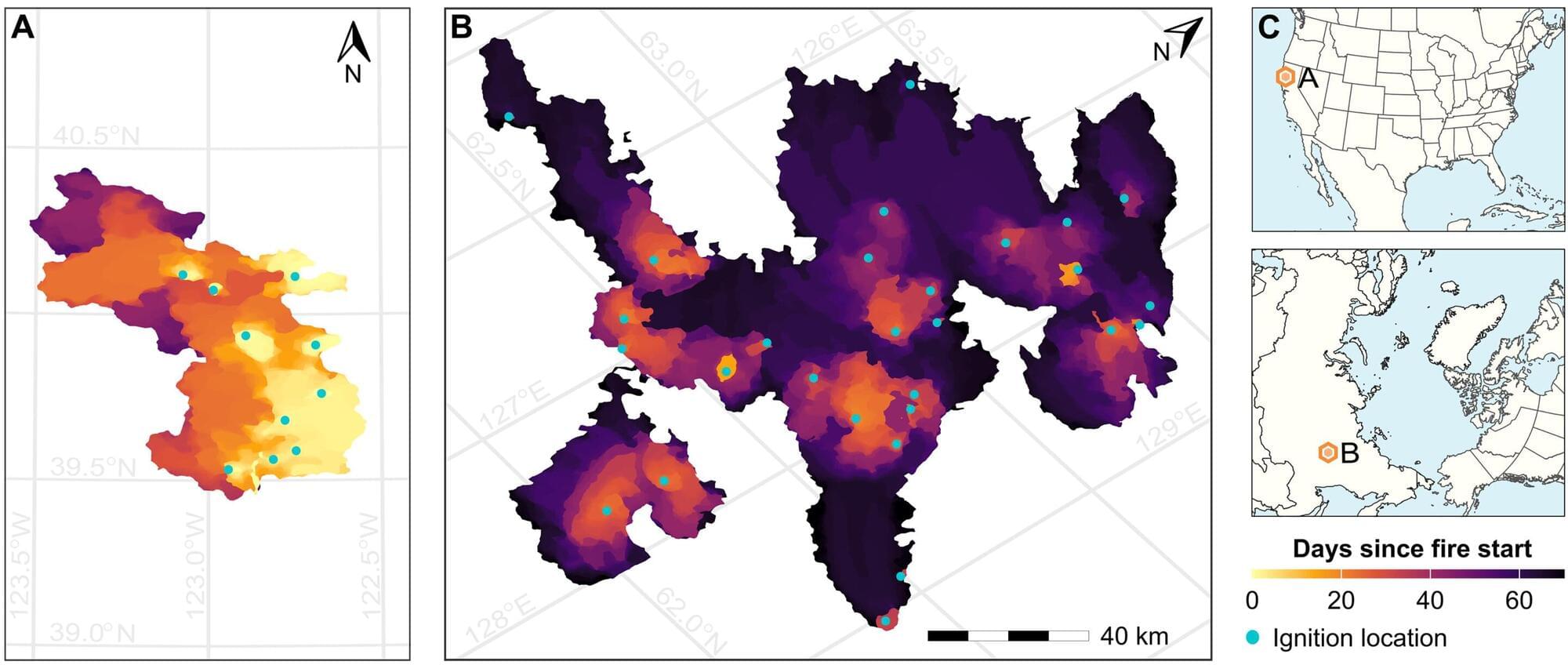
Multi-ignition wildfires are not overly common. But when individual fires do converge, the consequences can be catastrophic. The largest fire on record in California, the 2020 August Complex fire, grew from the coalescence of 10 separate ignitions.

In a new study, published in Science Advances, researchers at Lawrence Livermore National Laboratory (LLNL), the University of California (UC), Irvine and collaborators examine multi-ignition fires, calculating their impact and modeling the mechanisms behind them by leveraging the Department of Energy’s flagship Energy Exascale Earth System Model (E3SM). The work shows that when flames combine, they are disproportionately destructive: They spread faster, last longer, generate stronger atmospheric events and strain firefighting resources.

In California, the study found that multi-ignition fires make up only 7% of the total number of fires, but they contribute to 31% of the burned area in the state.

Soft, 3D transistors could host living cells for bioelectronics

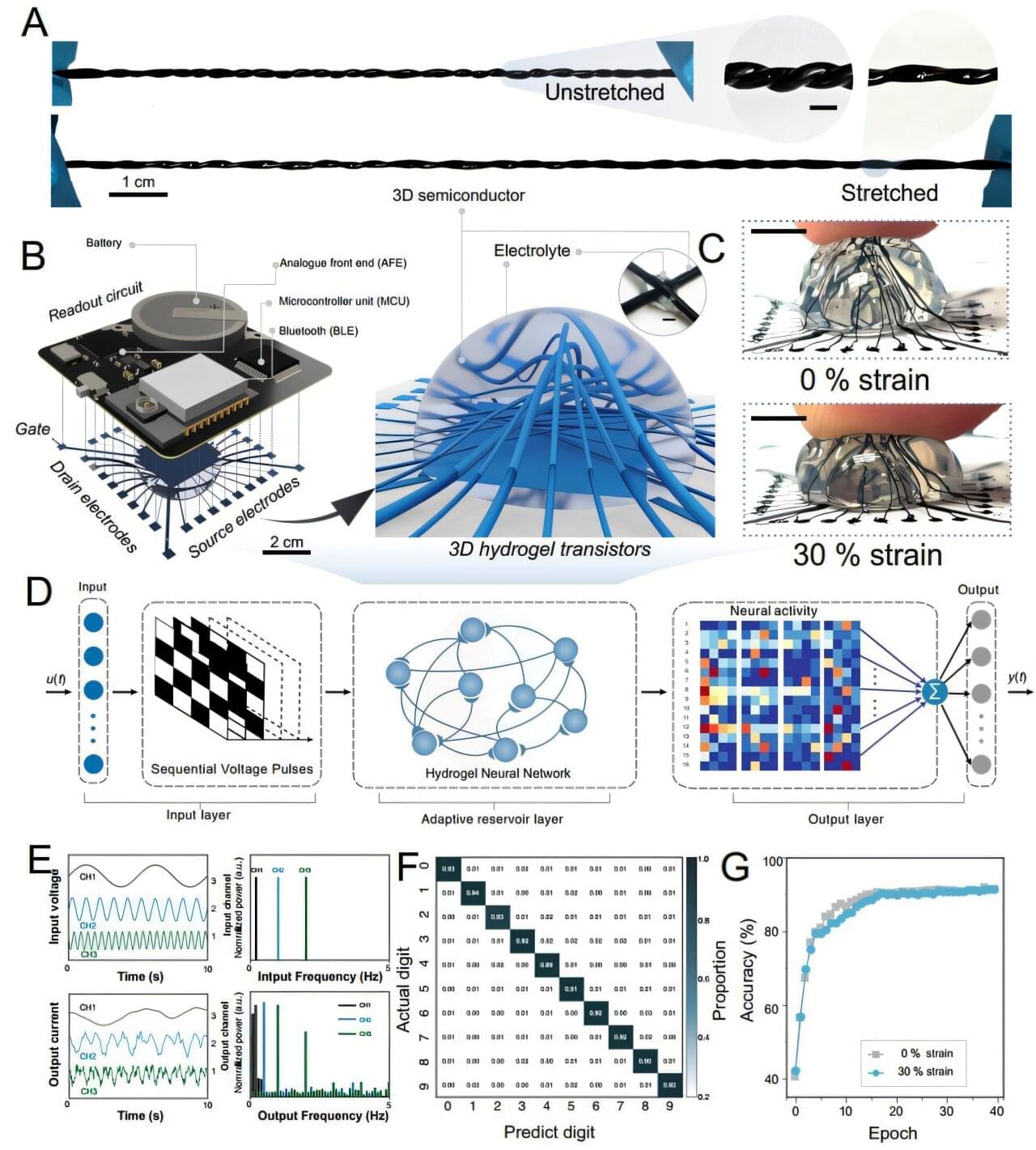
New research from the WISE group (Wearable, Intelligent, Soft Electronics) at The University of Hong Kong (HKU-WISE) has addressed a long-standing bioelectronic challenge: the development of soft, 3D transistors.

This work introduces a new approach to semiconductor device design with transformative potential for bioelectronics. It is published in Science.

Led by Professor Shiming Zhang from the Department of Electrical and Electronic Engineering, Faculty of Engineering, the research team included senior researchers who joined HKU-WISE from the University of Cambridge and the University of Chicago, together with HKU Ph.D. students and undergraduate participants—an international, inclusive, and dynamic research community.

New RoboReward dataset and models automate robotic training and evaluation

The advancement of artificial intelligence (AI) algorithms has opened new possibilities for the development of robots that can reliably tackle various everyday tasks. Training and evaluating these algorithms, however, typically requires extensive efforts, as humans still need to manually label training data and assess the performance of models in both simulations and real-world experiments.

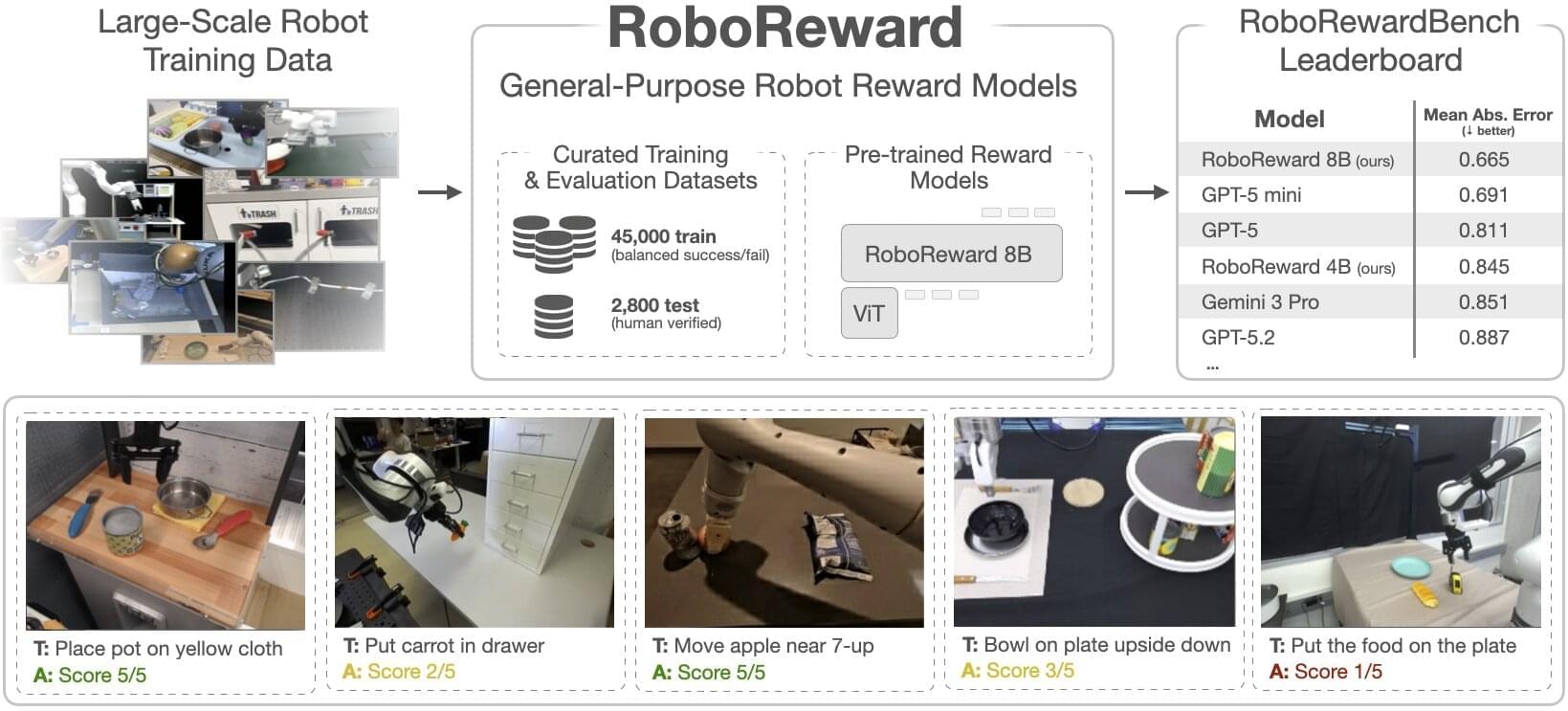
Researchers at Stanford University and UC Berkeley have introduced RoboReward, a dataset for training and evaluating AI algorithms for robotics applications, specifically vision-language reward-based models (VLMs).

Their paper, published on the arXiv preprint server, also presents RoboReward 4B and 8B, two new VLMs that were trained on this dataset and outperform other models introduced in the past.

Tiny earthquakes reveal hidden faults under Northern California

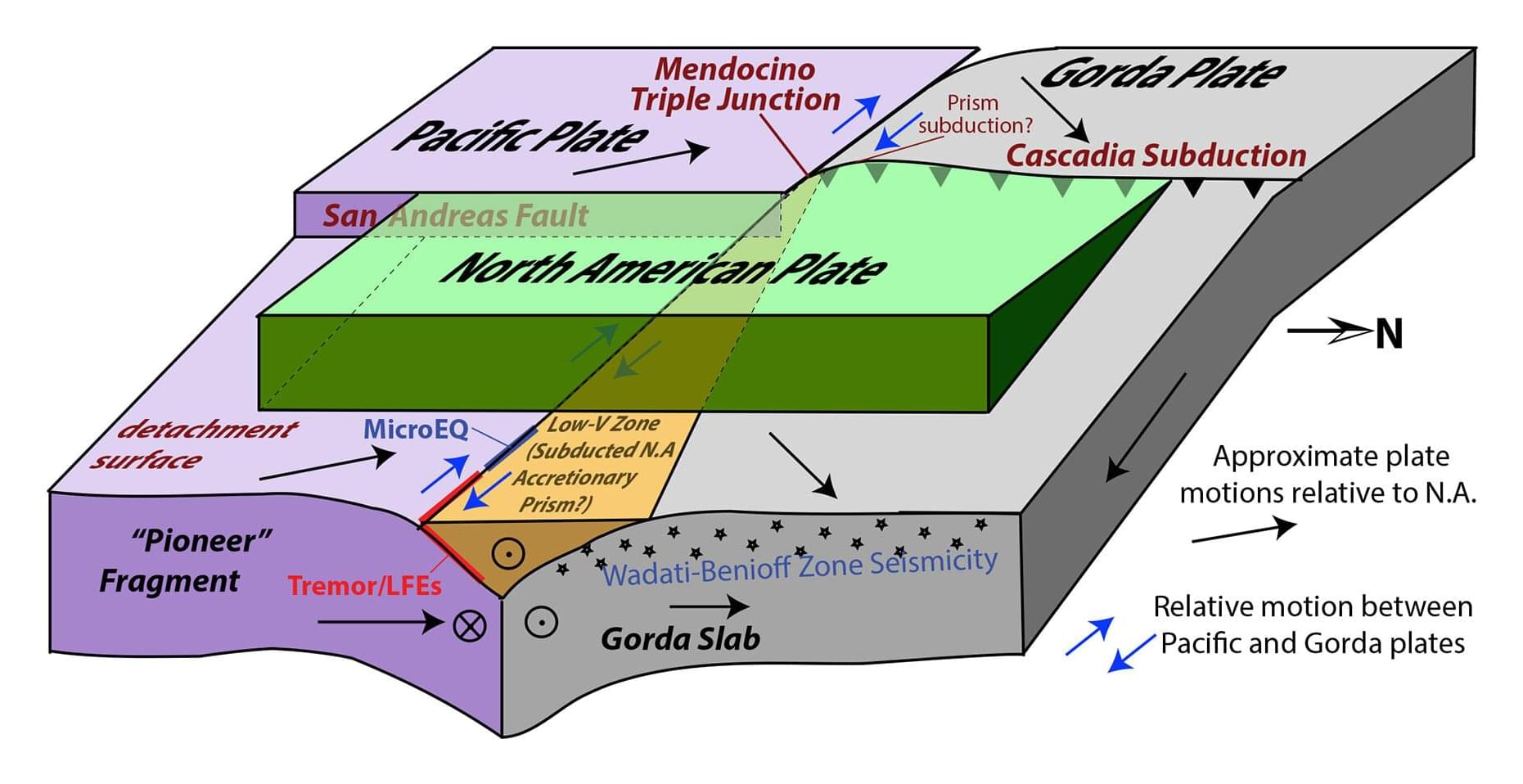
The work, by researchers at the U.S. Geological Survey, the University of California, Davis and the University of Colorado Boulder, is published in Science.

“If we don’t understand the underlying tectonic processes, it’s hard to predict the seismic hazard,” said co-author Amanda Thomas, professor of earth and planetary sciences at UC Davis.

Efficient cooling method could enable chip-based quantum computers

Quantum computers could rapidly solve complex problems that would take the most powerful classical supercomputers decades to unravel. But they’ll need to be large and stable enough to efficiently perform operations. To meet this challenge, researchers at MIT and elsewhere are developing quantum computers based on ultra-compact photonic chips. These chip-based systems offer a scalable alternative to some existing quantum computers, which rely on bulky optical equipment.

These quantum computers must be cooled to extremely cold temperatures to minimize vibrations and prevent errors. So far, such chip-based systems have been limited to inefficient and slow cooling methods.

Now, a team of researchers at MIT and MIT Lincoln Laboratory has implemented a much faster and more energy-efficient method for cooling these photonic chip-based quantum computers. Their approach achieved cooling to about 10 times below the limit of standard laser cooling.

It Shouldn’t Exist: Scientists Find Signs of Ancient Life in the Most Unlikely Place

Dr. Rowan Martindale, a paleoecologist and geobiologist at the University of Texas at Austin, was hiking through Morocco’s Dadès Valley in the Central High Atlas Mountains when an unusual detail in the rocks made her stop.

She and her team, including Stéphane Bodin of Aarhus University, were moving through the rugged landscape to investigate the ecology of ancient reef systems that once lay beneath the sea.

Reaching those reefs meant crossing repeated stacks of turbidites, sediments left behind by powerful underwater debris flows. Turbidites often preserve ripple marks, but Martindale noticed something else layered on top of the ripples. The surface showed small, irregular corrugations that did not fit what she expected to see.

/* */