Toggle light / dark theme

Get the latest international news and world events from around the world.

Log in for authorized contributors

The shingles vaccine may reduce your dementia risk—here’s why

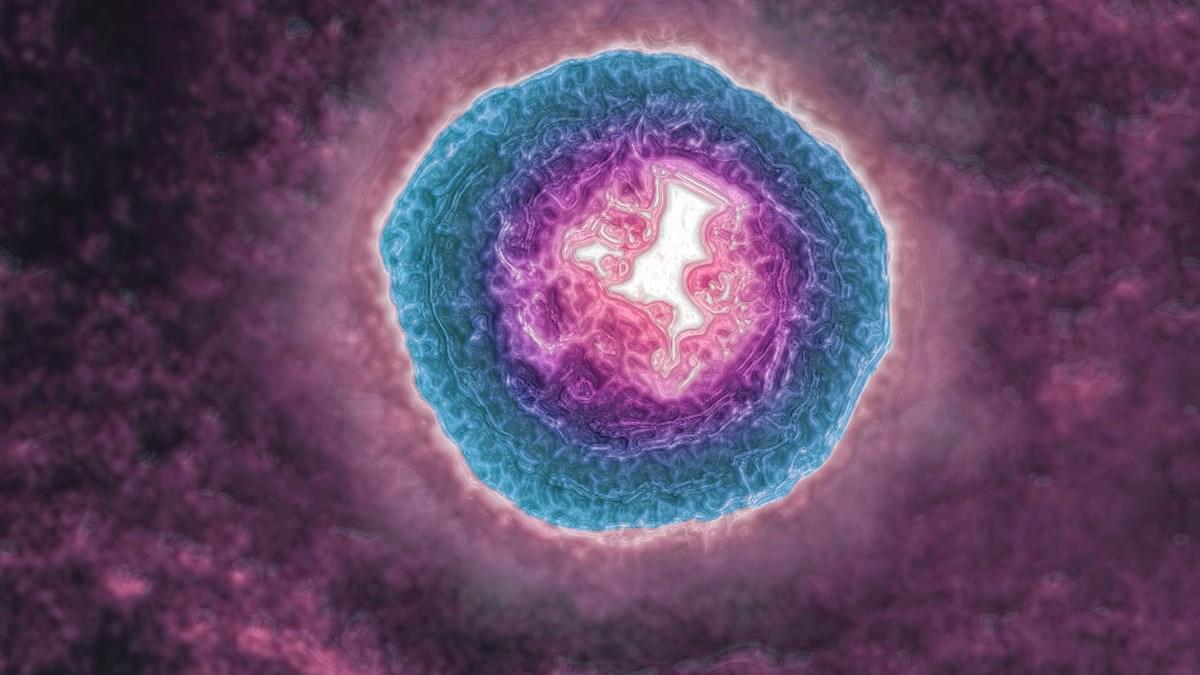
Shingles, a viral rash, can be incredibly painful. Vaccination can help prevent the infection, but new research is showing the shingles vaccine may also have another benefit: protection against the development of dementia. With more than 40 percent of Americans estimated to develop dementia at some point in their lives, this discovery could have groundbreaking implications for our health. But what explains the link between the shingles vaccine and reduced dementia risk?


Recent research is part of a growing body of evidence that vaccination against shingles—and potentially other infections—can help prevent and delay the progression of dementia.


The Vulnerable World Hypothesis

And exploration of the Vulnerable World Hypothesis solution to the Fermi Paradox.

And exploration of the possibility of finding fossils of alien origin right here on the surface of the earth.

My Patreon Page:

https://www.patreon.com/johnmichaelgodier.

My Event Horizon Channel:

https://www.youtube.com/eventhorizonshow.

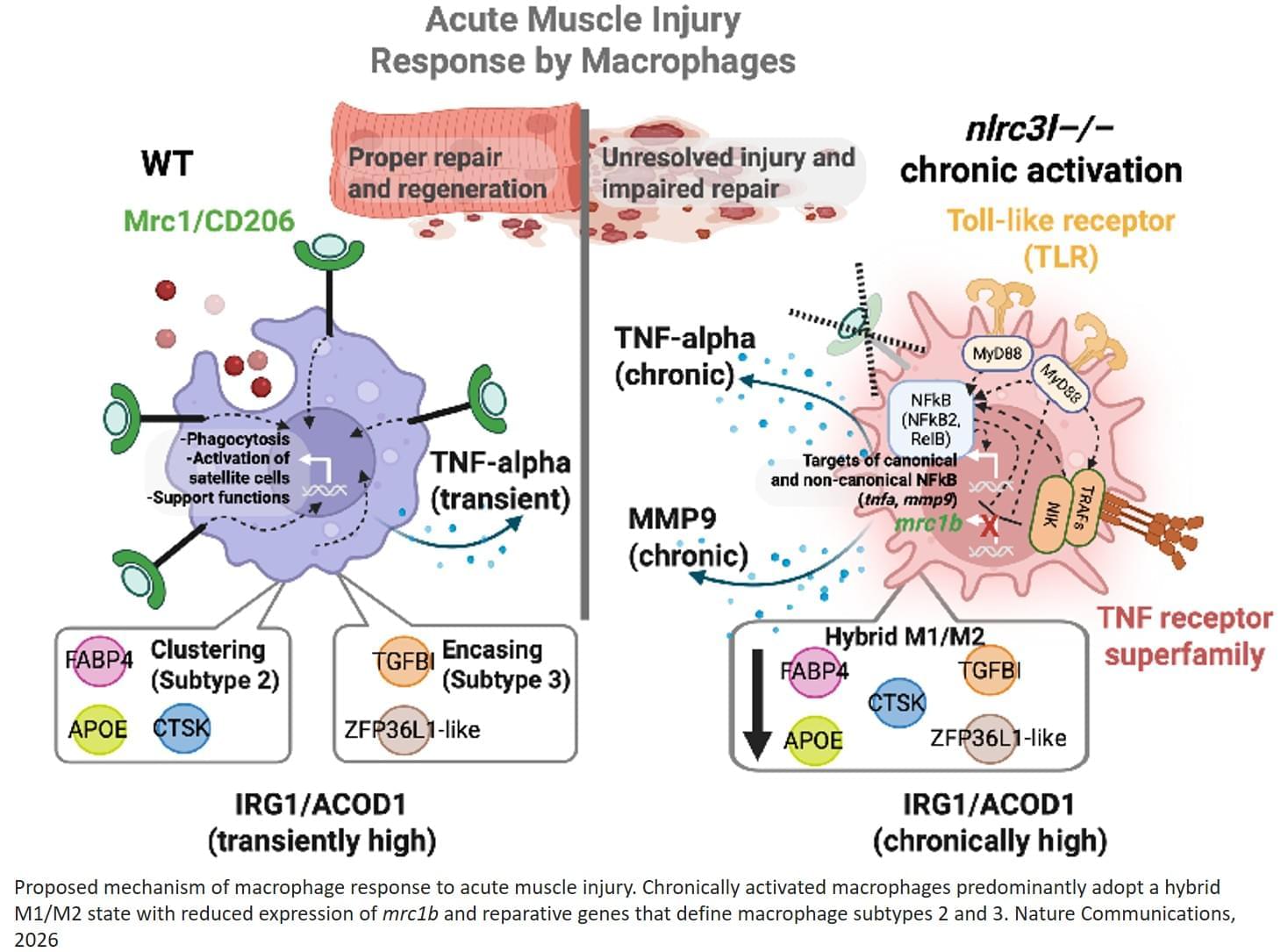
How chronic inflammation rewires macrophages

TIL therapy for glioblastoma.

Tumor infiltrating lymphocyte (TIL) therapy has demonstrated encouraging efficacy in melanoma and nonsmall-cell lung cancer (NSCLC), and is now being explored for glioblastoma despite its immunologically ‘cold’ microenvironment.

Recent studies confirm that functional TILs can be expanded from cold tumors such as glioblastoma, including solid tumor resections and aspirates, overcoming previous feasibility concerns.

Advances in cytokine support, gene editing, and artificial antigen-presenting cells (APCs) are improving TIL persistence, cytotoxicity, and manufacturing scalability.

Focused ultrasound and nanoparticle delivery offer innovative solutions to enhance TIL infiltration across the blood– brain barrier. Integration of spatial multi-omics enables high-resolution mapping of immune niches and identification of tumorreactive clones.

Combination strategies with checkpoint blockade, myeloid modulation, and oncolytic virotherapy are emerging as rational paths to enhance TIL efficacy sciencenewshighlights ScienceMission https://sciencemission.com/TIL-therapy-17895


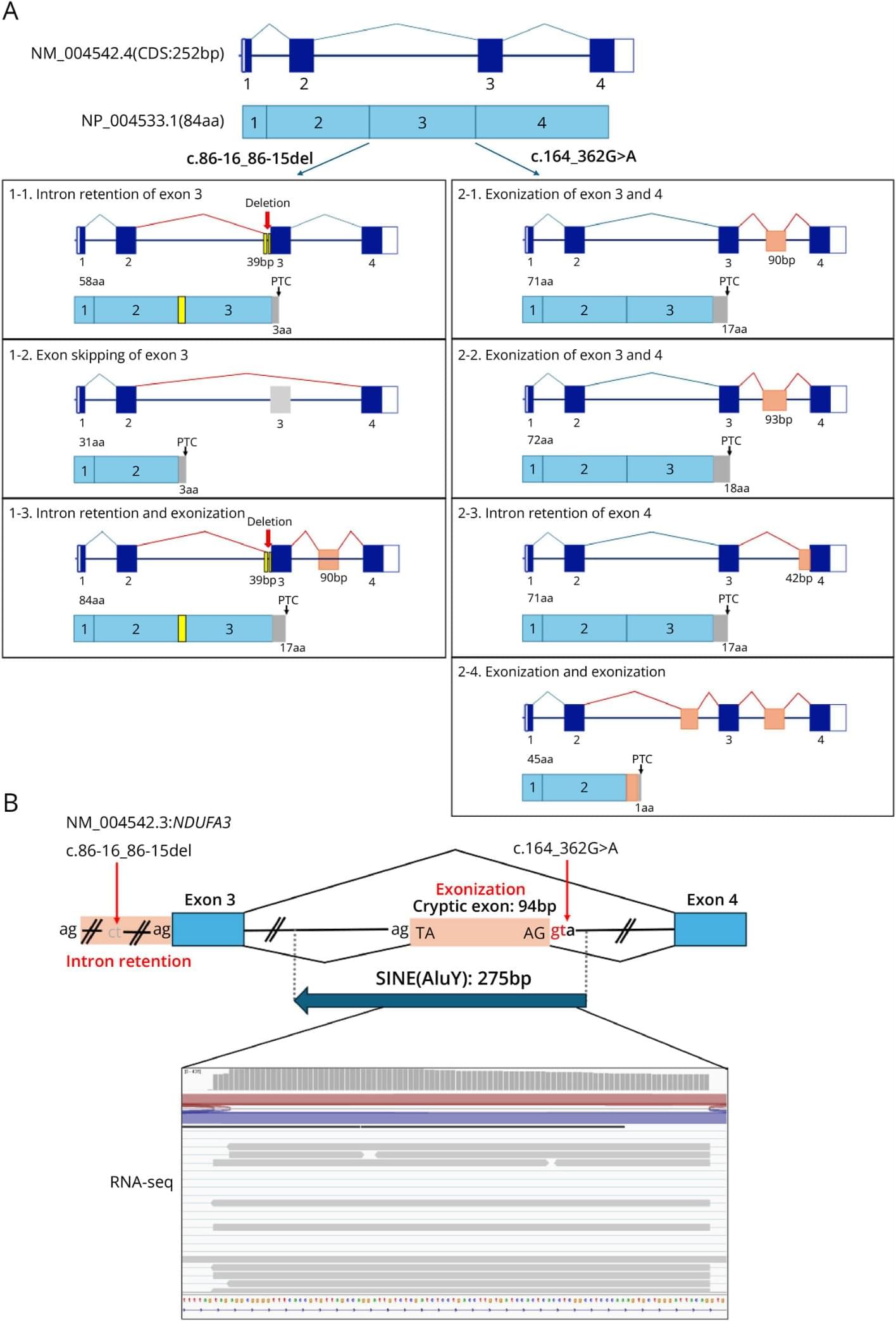
Identification of Intronic Variants in NDUFA3 as a Cause of Leigh Syndrome by Whole Genome Sequencing and RNA Sequencing

This study aimed to demonstrate that combining whole genome sequencing and RNA sequencing analyses can identify disease-causing variants that would otherwise be missed. Read more.


Background and Objectives.

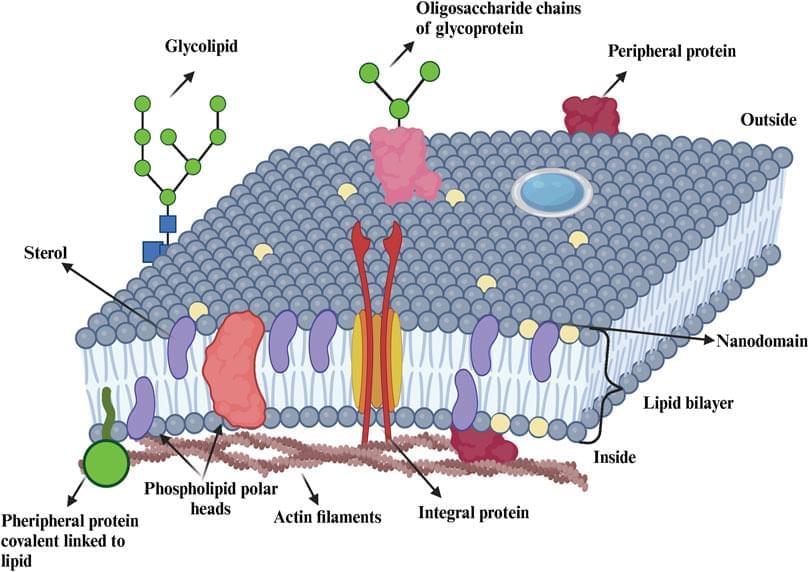
Frontiers: Biological membranes are complex, heterogeneous, and dynamic systems that play roles in the compartmentalization and protection of cells from the environment

It is still a challenge to elucidate kinetics and real-time transport routes for molecules through biological membranes in live cells. Currently, by developing and employing super-resolution microscopy; increasing evidence indicates channels and transporter nano-organization and dynamics within membranes play an important role in these regulatory mechanisms. Here we review recent advances and discuss the major advantages and disadvantages of using super-resolution microscopy to investigate protein organization and transport within plasma membranes.

The mammalian plasma membrane (PM) is a complex assembly of lipids and proteins that separates the cell’s interior from the outside environment (Ingolfsson et al., 2014). The multiple collective processes that take place within membranes have a strong impact not only on the cellular behavior but also on its biochemistry. Understanding these processes poses a challenge due to the often complex and multiple interactions among membrane components (Stone et al., 2017). Moreover, the PM surface accommodates different types of lipid and protein clusters (Saka et al., 2014; Owen et al., 2012; Sezgin, 2017), even though the functional role of the clustering on the membrane surface has not yet been fully understood.

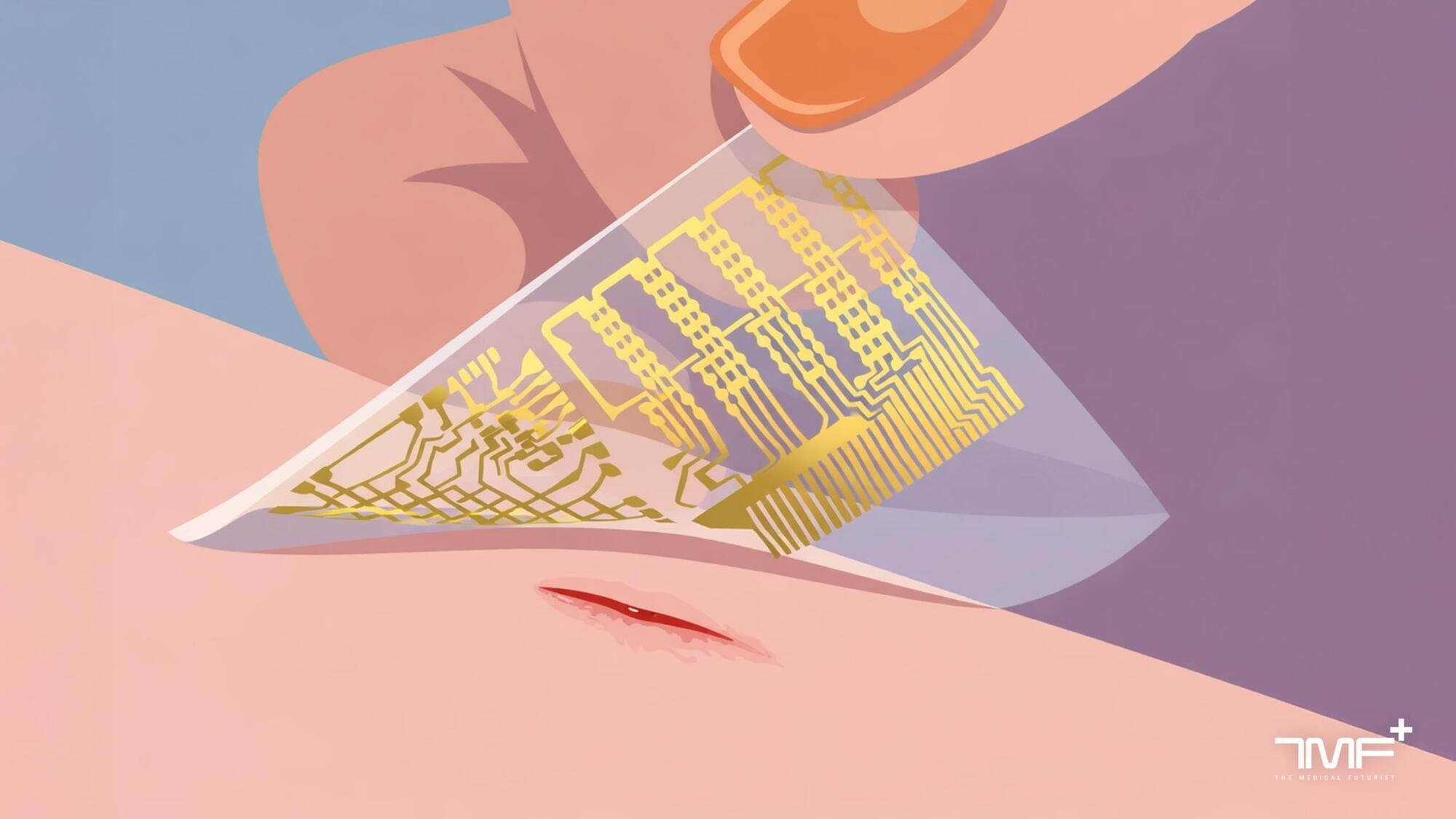
The Future Of Band-AIDS: Current And Future Examples

Unless you’ve been extremely lucky, you’ve likely been wounded, be it a knife cut while cooking or a sports injury. To remedy this unpleasant experience, you’ve taken some version of the following steps: clean the wound, disinfect the area, and apply a plaster or bandage. While a common and simple first-aid skill, this wound healing process has existed since ancient times.

Furthermore, there are wound cases, especially chronic wounds that arise from conditions such as diabetes, that can be more severe than one might expect. The 5-year survival rate of patients with chronic wounds is about 70%, which is worse than that of breast cancer, prostate cancer and other diseases. In addition, treating wounds adds to the cost of care, leading to about $28 billion per year in the U.S. alone.

Following the traditional use case, the main function of bandages for acute or chronic wound care has been to protect the injured area from external factors that could worsen the injury, such as dirt, bacterial infection and friction. Over the centuries since the inception of wound dressing, some changes have taken place. These have mostly related to the material of bandages, such as stronger-adhering waterproof ones; but the role of the bandage has retained its passive role.

/* */